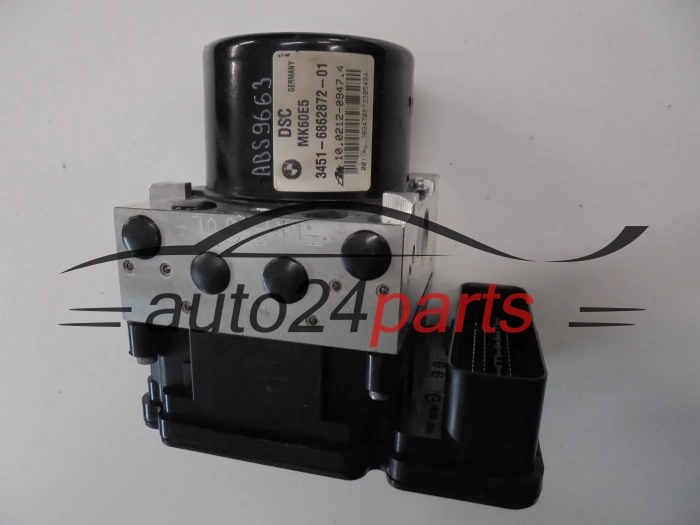
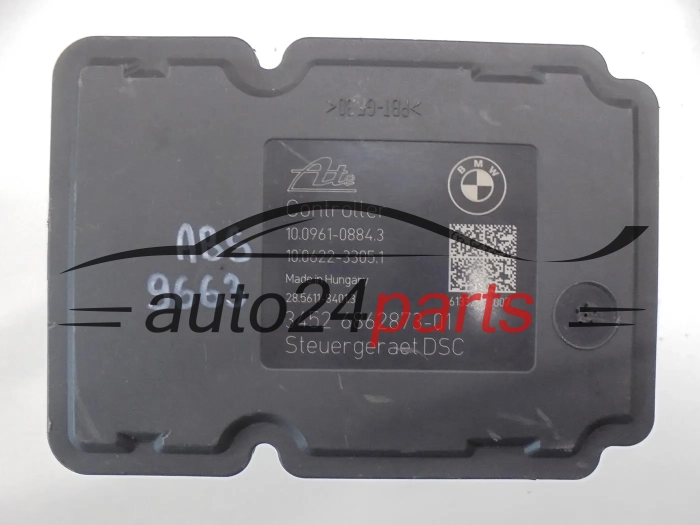
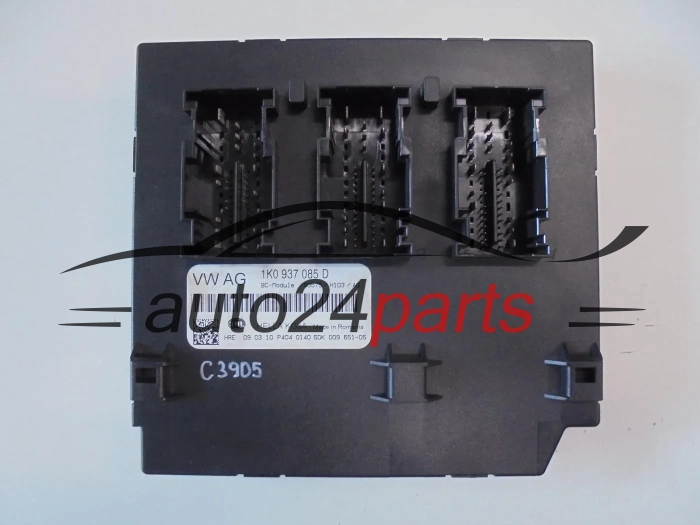
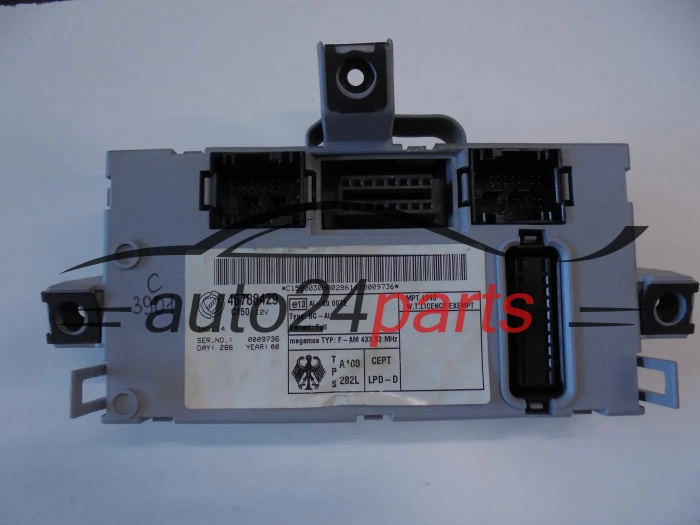
The ABS pump control unit plays a key role in a vehicle, ensuring proper operation of the braking system and overall driving safety. Thanks to this module, it is possible to maintain control of the vehicle in emergency braking situations, where every fraction of a second and every meter of road matters. When this component fails, drivers face a choice – opt for regeneration or go for a used original module? To make an informed decision, it is worth understanding exactly how this component works, what regeneration involves, and what limitations it carries.
How the ABS Control Unit Works
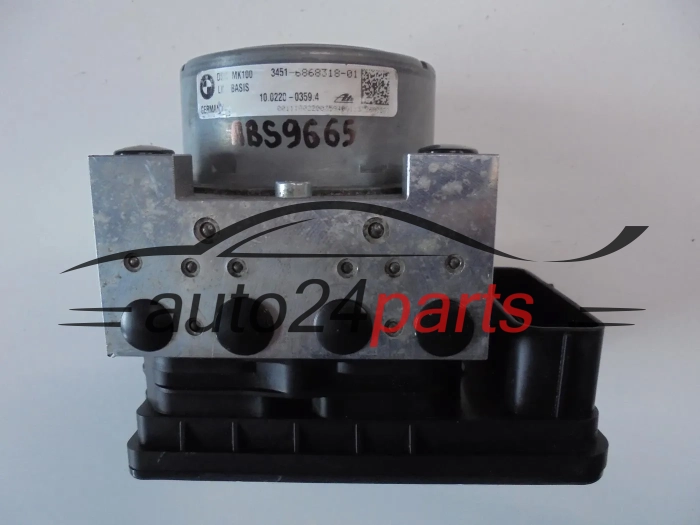
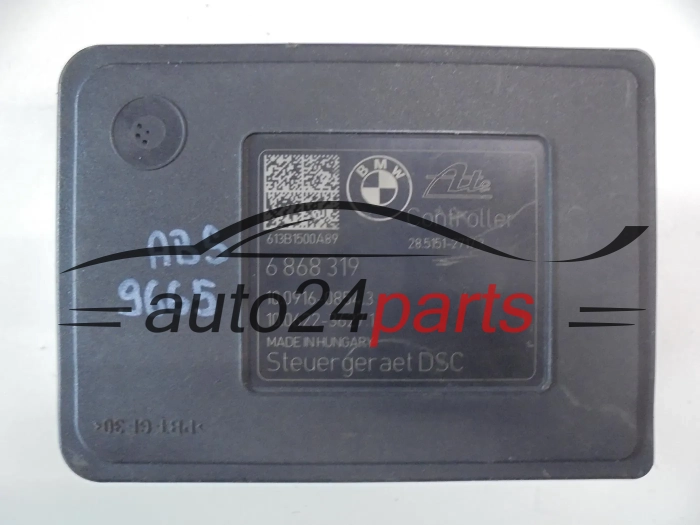
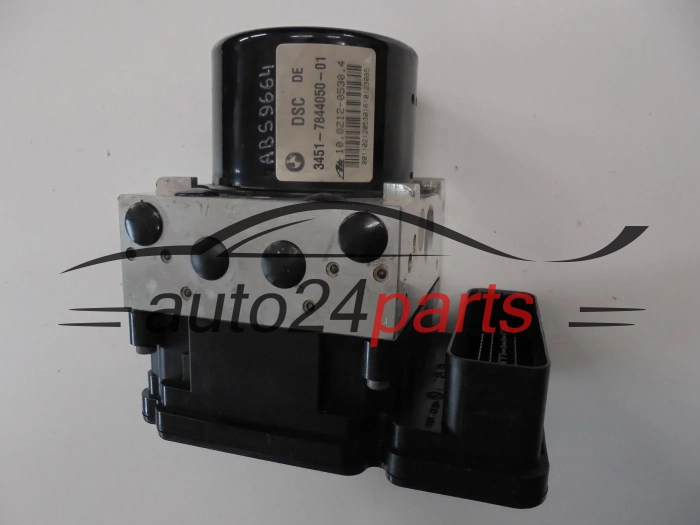
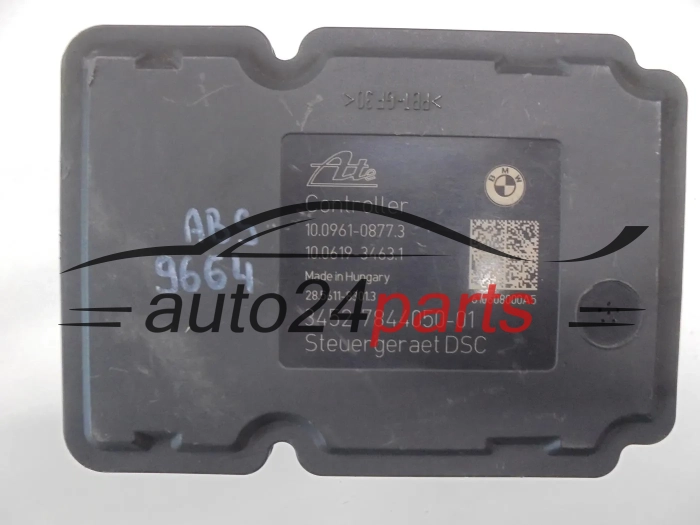
The ABS system consists of sensors, an electronic module, and a hydraulic pump. The control unit is the heart of the system – it receives signals from wheel speed sensors and, based on this data, operates the valves in the pump. This allows modulation of pressure in the brake lines, preventing wheel lock-up. In practice, this means that during emergency braking, the driver can still steer the vehicle and avoid obstacles.
In many modern cars, the ABS control unit also works in conjunction with other systems: traction control (ASR), electronic stability program (ESP), or hill descent assist. This means its correct operation affects many aspects of driving safety, not just braking itself.
Why Control Units Fail
The most common issues arise from vehicle use in harsh conditions. The ABS module, mounted in the engine bay, is exposed to temperature changes, vibrations, moisture, and road salt. This leads to micro-cracks in solder joints, damaged tracks on the circuit board, or corrosion of electrical contacts. Failures may also occur in the hydraulic pump itself – worn pistons or a seized motor rotor.
Symptoms of failure can vary: from the ABS warning light, through intermittent loss of system function, to complete absence of support during emergency braking. In extreme cases, a damaged control unit can also interfere with other systems, such as blocking communication on the CAN bus.
Regeneration – What It Involves
Regeneration of the ABS control unit is a process in which workshops repair damaged solder joints, replace burnt electronic components, and sometimes clean or refurbish parts of the hydraulic pump. While this may sound reasonable, in practice the effect is often short-lived. The repair restores functionality to part of the unit, while other worn components remain in borderline condition.
Moreover, there is little assurance of long-term reliability. Electronics that have already undergone major repair rarely match the durability of an untouched original.
Alternatives to Regeneration
When comparing regeneration with the purchase of a used original control unit, several facts should be considered:
- the cost of regeneration is often similar to buying a fully functional used component,
- a repaired module may not be fully compatible with the car’s assistance systems,
- regeneration usually takes several days, whereas a used control unit can be installed immediately,
- an original part, even if used, ensures factory parameters and full system integration.
For these reasons, many mechanics and drivers prefer to purchase used original ABS control units rather than risk regeneration.
Buying a used original is the best solution in situations where:
- the car is intensively used and reliable braking is essential,
- the vehicle is equipped with multiple assistance systems – only the original module ensures seamless communication,
- downtime must be minimized and the vehicle cannot remain immobilized for long,
- durability and safety are more important than a short-term repair.
Although regeneration of the ABS pump control unit may seem like an attractive option, its effectiveness is often limited and results short-lived. For this reason, opting for a used original unit is usually more cost-effective and safer. This choice guarantees compatibility with the vehicle, factory quality, and reliable operation of all electronic safety systems.
Check available control units in the ABS pump electronics category – Regeneration of the ABS Pump Control Unit in a Car.