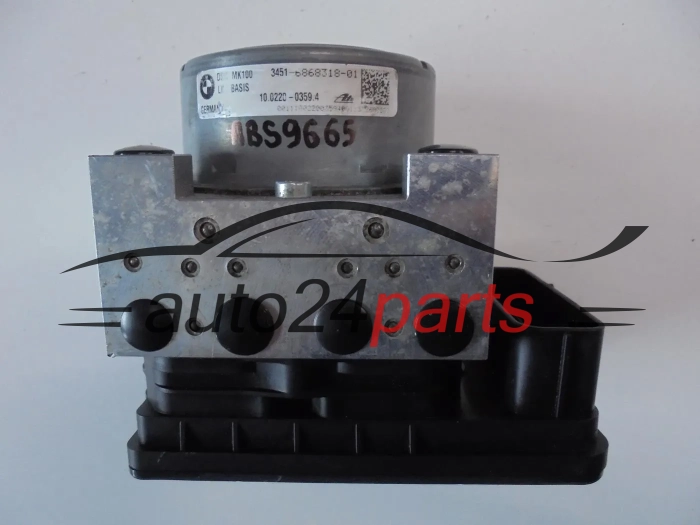
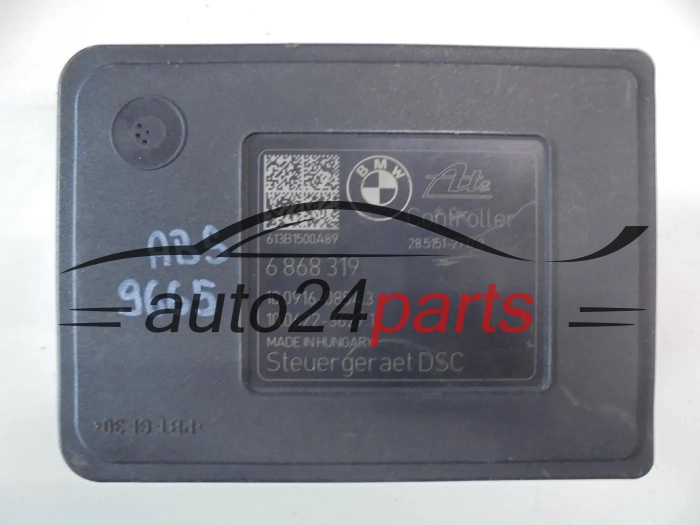
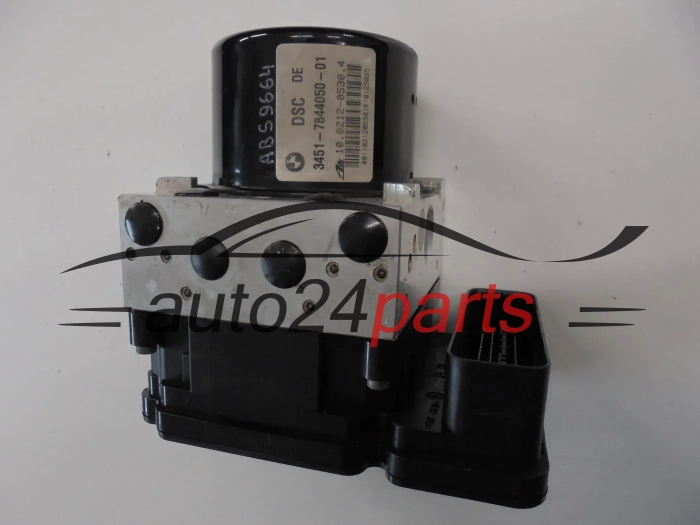
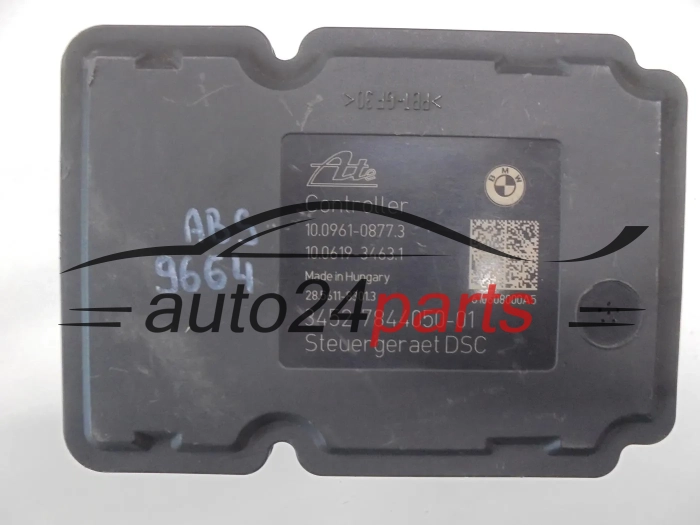
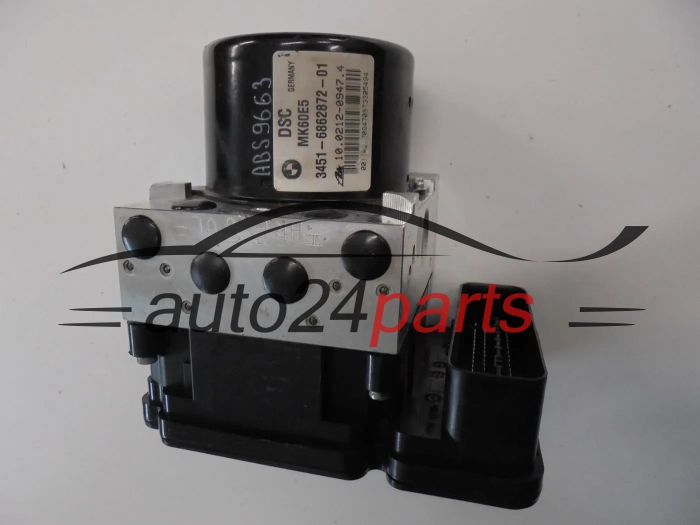
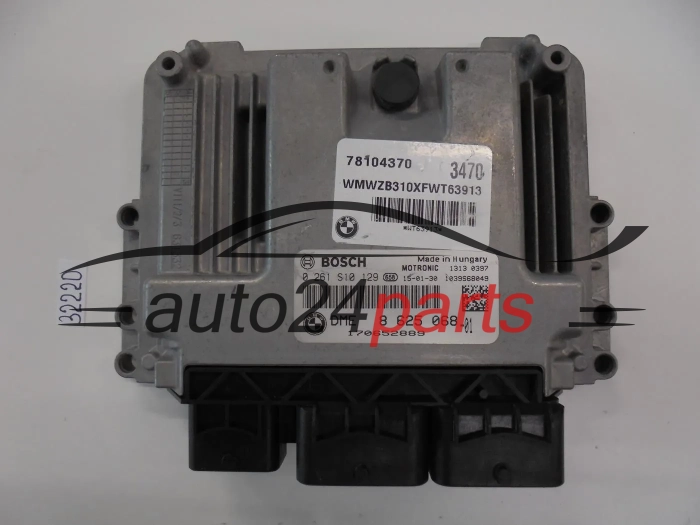
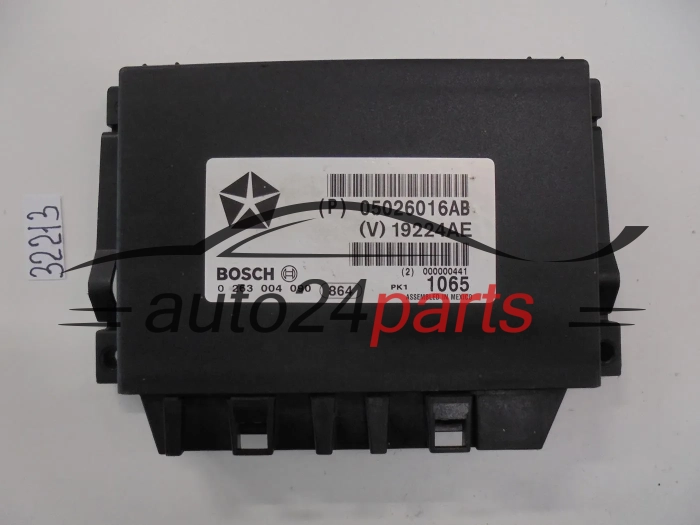
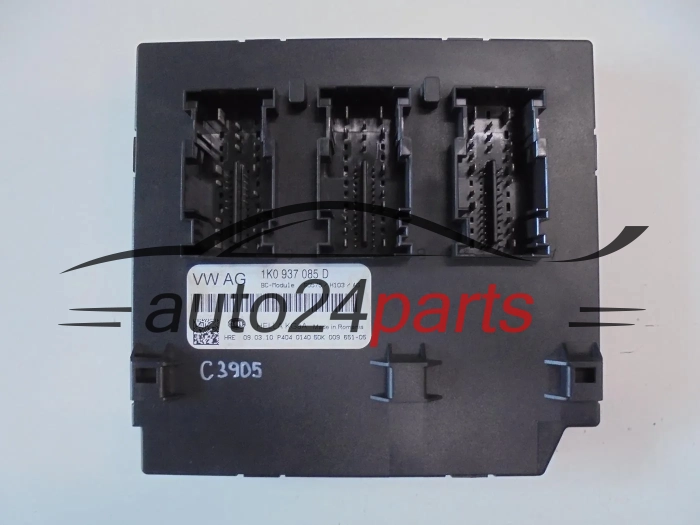
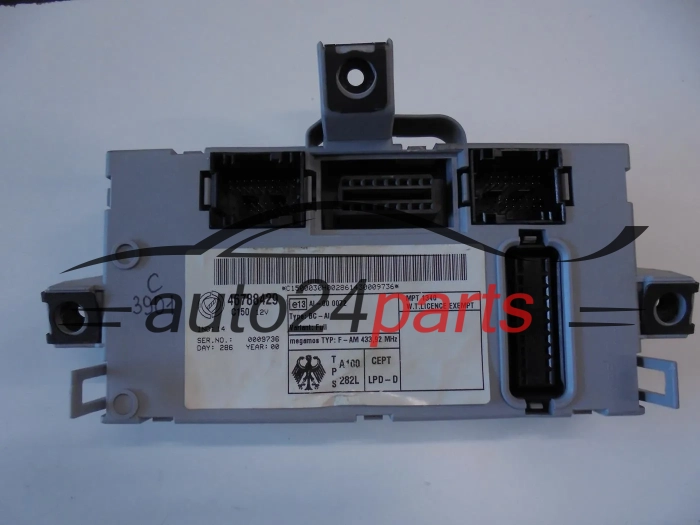
The automatic transmission control unit (often designated as TCU or TCM) is a crucial electronic component responsible for smooth and trouble-free gear shifting. Its failure, most often caused by overheating, short circuits, or water damage, results in jerking, an inability to shift gears, or the vehicle entering limp mode. Purchasing a new module at an authorized dealership is a massive expense, which is why replacing it with a fully functional, used original is the most reasonable solution.
What are the most common symptoms of a damaged transmission control unit?
Before making a decision to replace it, it is worth confirming the fault. Damaged gearbox control electronics give very clear signals:
- Hard, noticeable jerking during gear shifts (especially when downshifting).
- Gearbox locked in a single gear (usually third) and going into Limp Mode.
- Inability to start the engine due to a gear selector position error (the computer does not recognize the P or N position).
- CAN communication errors between the transmission controller and the engine controller, visible after connecting a diagnostic computer.
Why is a used original better than repairing a damaged module?
Repair attempts, which involve unsealing the housing and soldering broken micro-connections, rarely produce long-lasting effects. Transmission controllers often operate inside the gearbox itself, bathed in hot oil and enduring immense vibrations. Repaired electronics quickly fail again under such demanding conditions.
What numbers should you check before buying?
The success of the repair depends on the precise selection of the part. Transmission controllers are not universal. Even within the exact same car model and engine version, manufacturers used different software variants. You must always remove the damaged component and carefully note the serial numbers from the housing (the most critical are the hardware number HW and the software number SW). A lack of complete conformity of this data will prevent the vehicle's onboard network from operating correctly.
Where to buy a reliable and tested transmission control unit?
The safest solution is to choose a specialized automotive electronics store. Professional suppliers rigorously test the offered modules, verify their technical condition, and protect them from electrostatic damage. This gives you the certainty that the purchased part is fully functional and ready for adaptation.
A wide selection of carefully checked, one hundred percent original control modules for various car models can be found in a dedicated automotive store. Match the part perfectly to your vehicle by visiting the website and clicking here to buy a used automatic transmission control unit.
FAQ – Frequently Asked Questions
1. Does a used transmission control unit need to be coded after installation?
Yes. Most modern TCU controllers have the vehicle's VIN number and a specific hardware configuration coded in their memory. After physical replacement, it is necessary to connect a professional diagnostic computer to perform adaptation, assign the controller to the immobilizer, and learn the gear shift points.
2. Where exactly is the automatic transmission control unit located?
The location heavily depends on the car model and transmission type. In older vehicles, the controller was often located under the dashboard, under the passenger seat, or in the cowl panel. In modern gearboxes (e.g., DSG, 7G-Tronic, Multitronic), the electronics are integrated with the hydraulic block (so-called mechatronics) and are located directly inside the gearbox itself, completely submerged in oil.
3. Can I drive a car with a damaged TCU?
This is strongly discouraged. A damaged controller often forces limp mode (locked in one gear), which only allows you to slowly and carefully drive to a workshop. Continuing to drive with a jerking gearbox or incorrect oil pressure will lead to mechanical and irreversible damage to the friction plates, clutch baskets, and the torque converter, generating huge repair costs for the entire drivetrain.
4. How do I know if the electronics controller or the gearbox mechanics are to blame?
The basis is professional computer diagnostics. Mechanical faults (e.g., burned plates) usually give symptoms of slipping, while electronic problems generate specific error codes in the TCU memory (e.g., solenoid valve errors, EEPROM memory error, loss of CAN communication, speed sensor error). If the computer shows internal errors in the controller, simply changing the transmission fluid or a mechanical repair will not solve the underlying problem.