





Suzuki ABS Pumps – Complete ABS / ESP Units
Suzuki ABS Pump: Choosing by Part Number
At Auto24Parts you will find used original ABS pumps with control units for Suzuki cars, including the Swift, Vitara, Grand Vitara and Jimny. These are hydraulic modules with electronics, inspected and tested before sale.
Customers most often look for a module when the ABS warning light comes on, the ABS does not work when braking on a slippery surface, or the control unit has stored a valve or pump motor fault. Before buying a part, read the fault codes, as wheel speed sensors and their wiring can cause similar symptoms.
What matters when choosing is the complete part number from the hydraulic block and from the label on the control unit, not just the model and year. If you are not sure, send us a photo of the original pump and the numbers on its label and we will help you check compatibility.
List of products
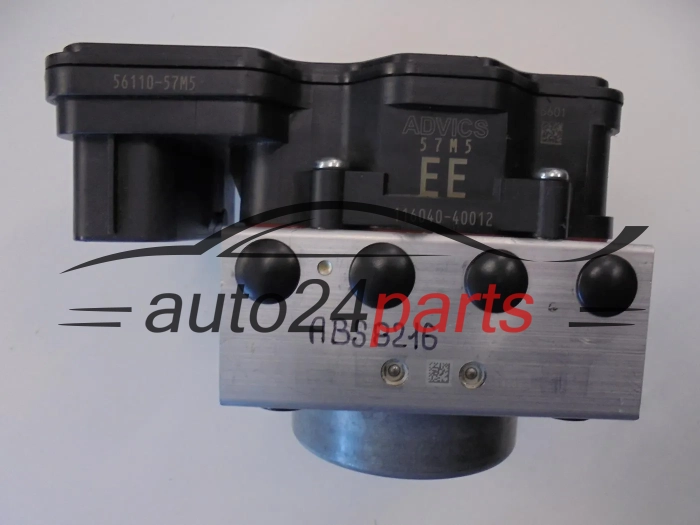

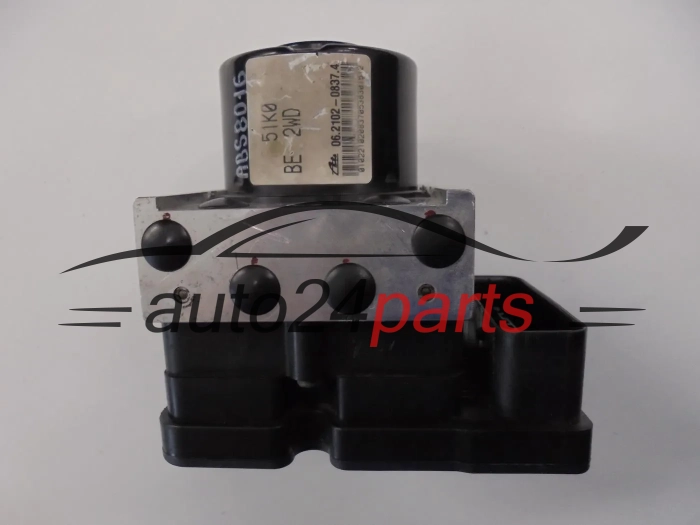
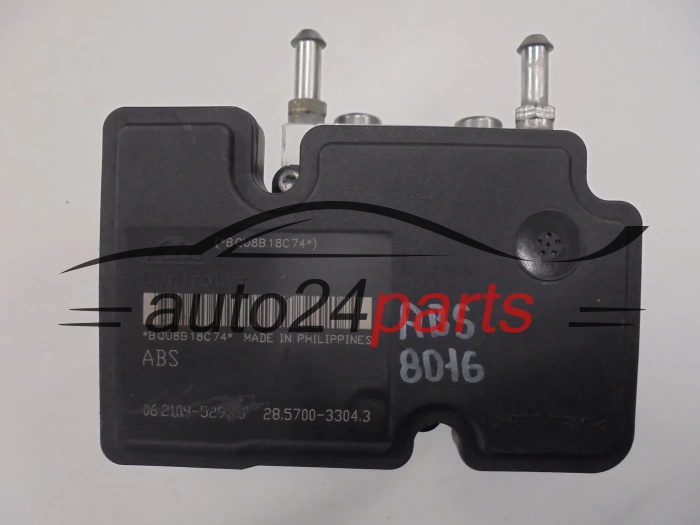
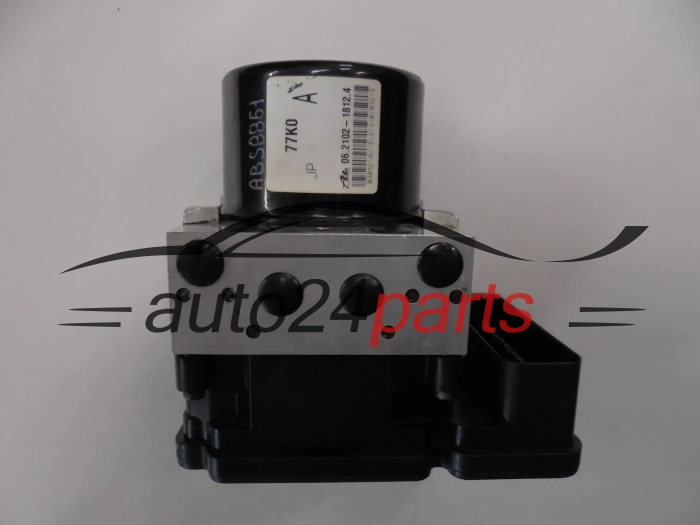
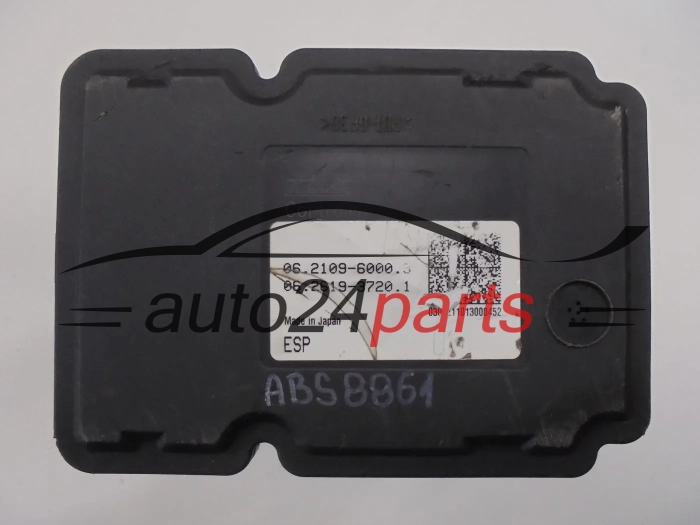
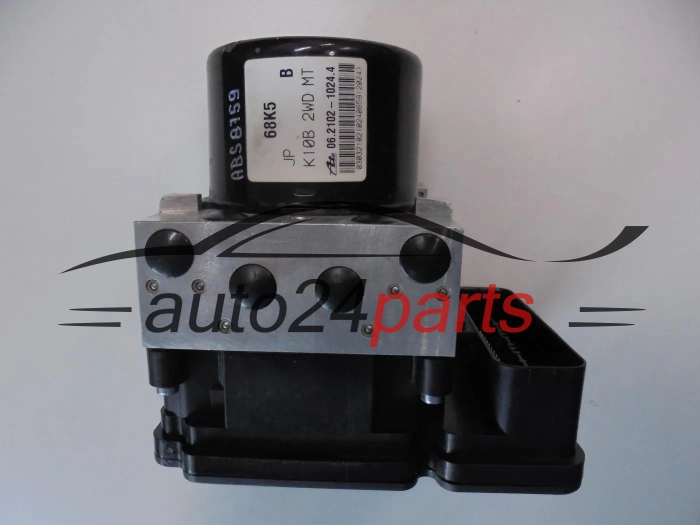
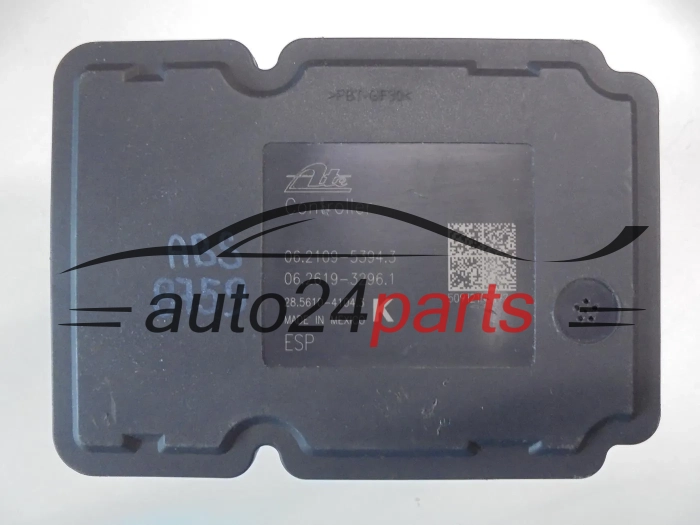
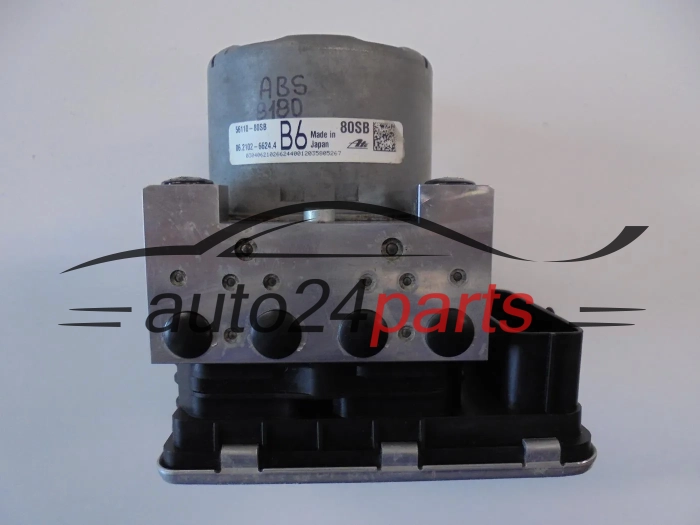
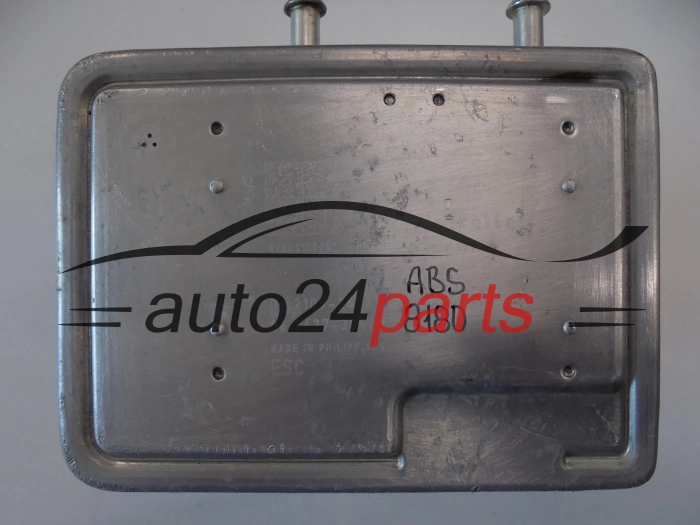
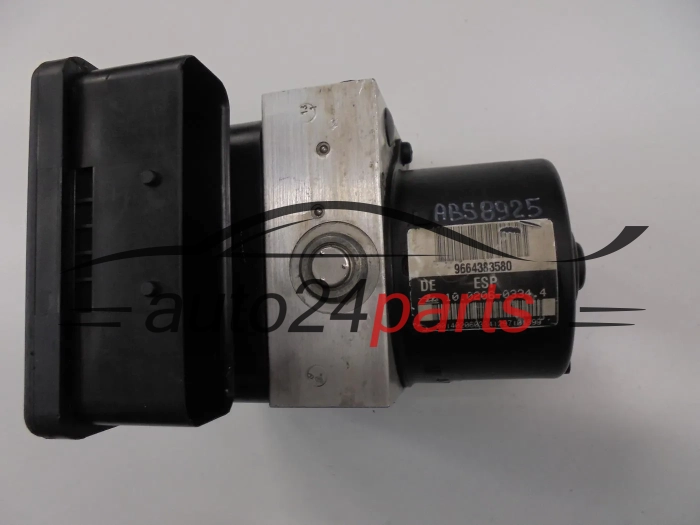
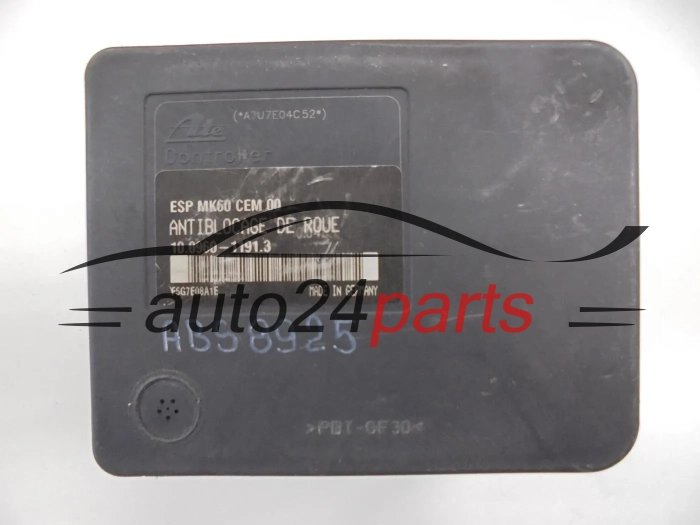
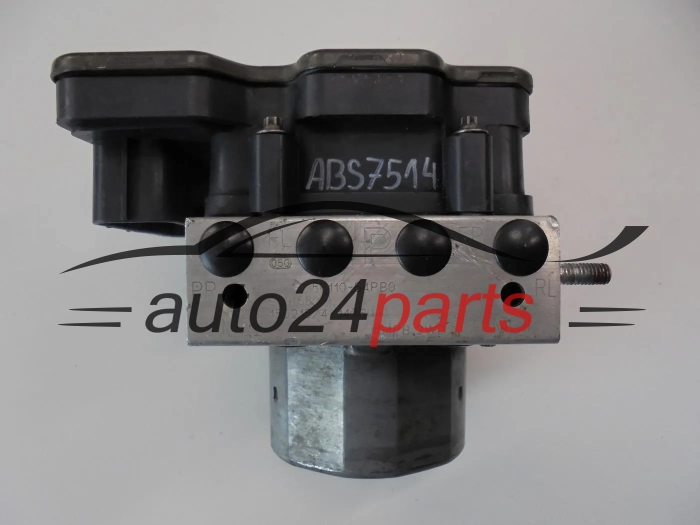
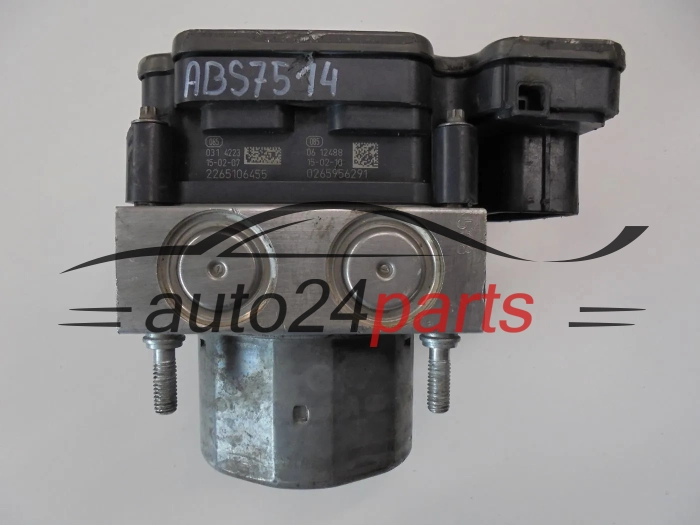
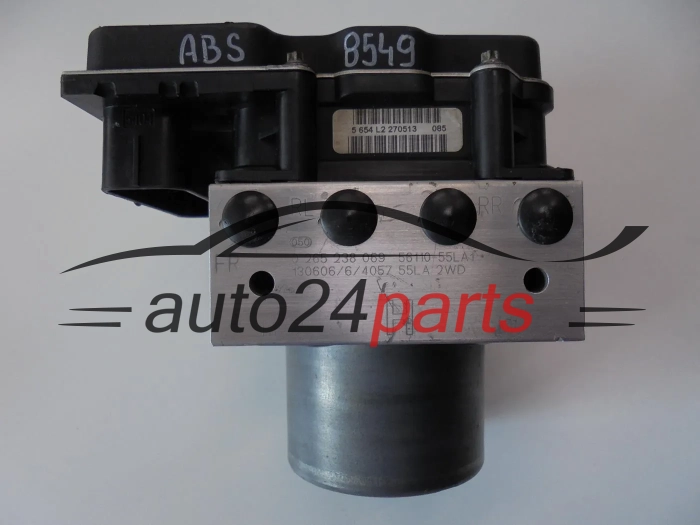
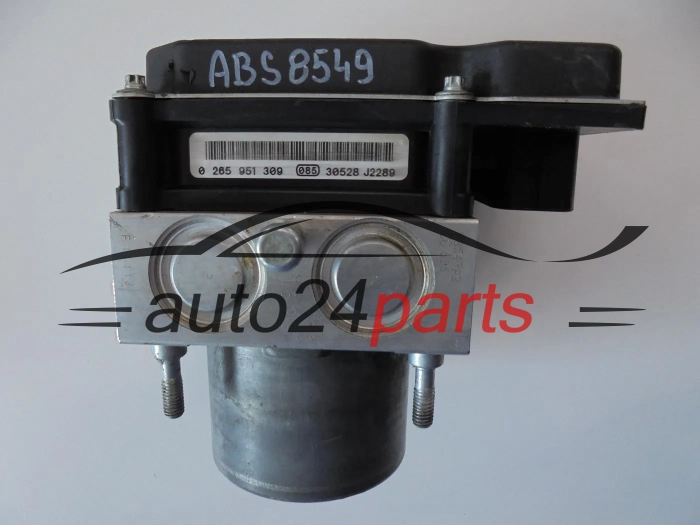
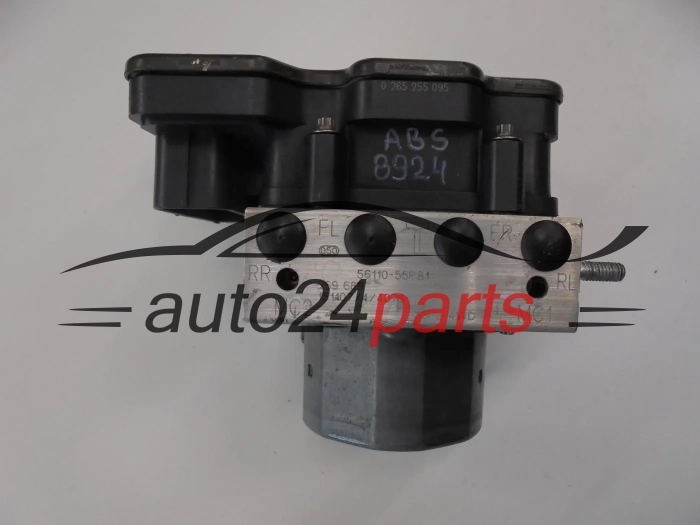
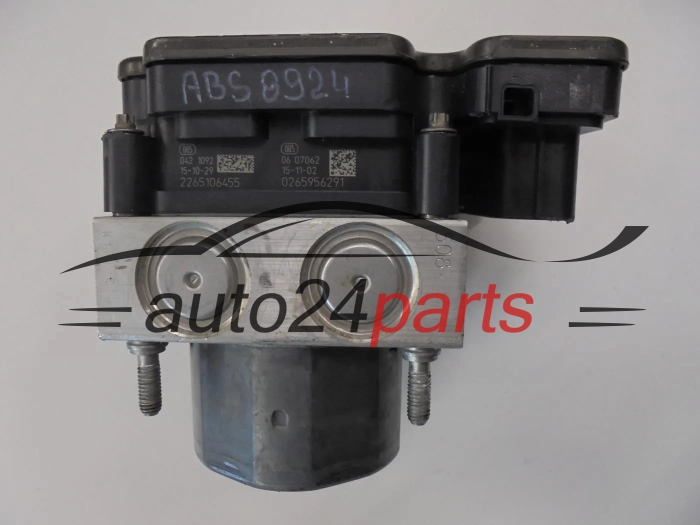
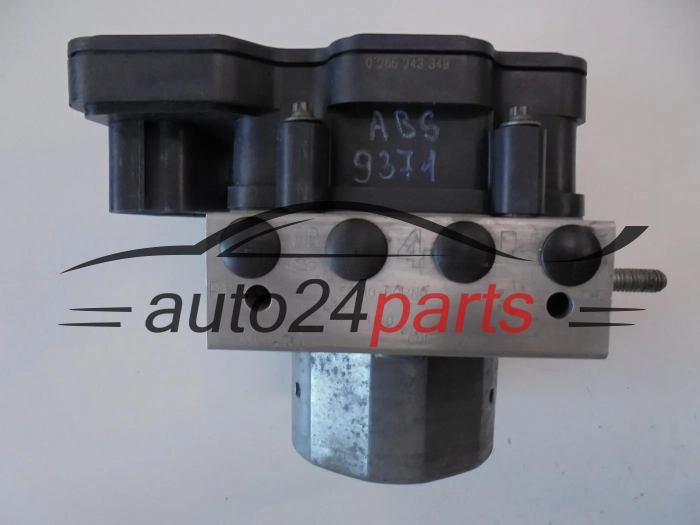
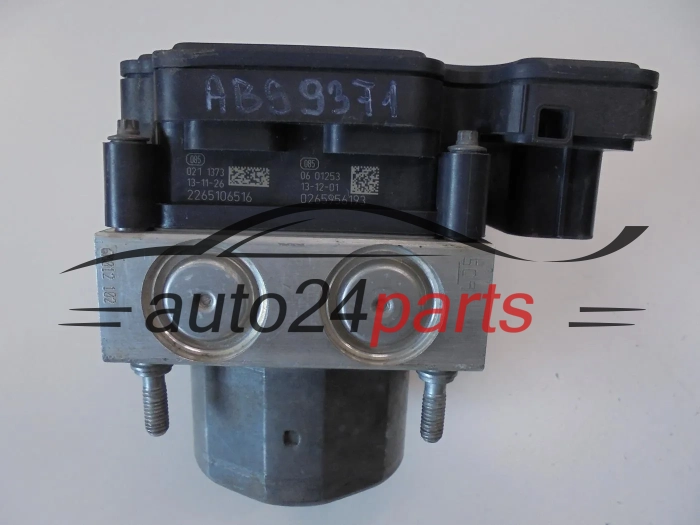
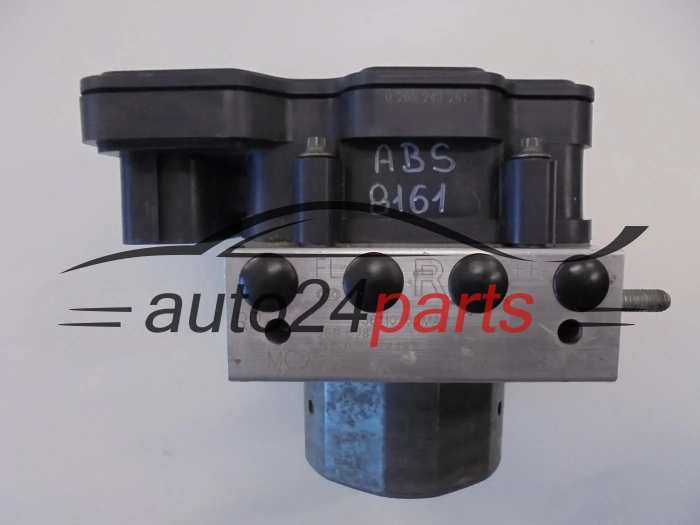
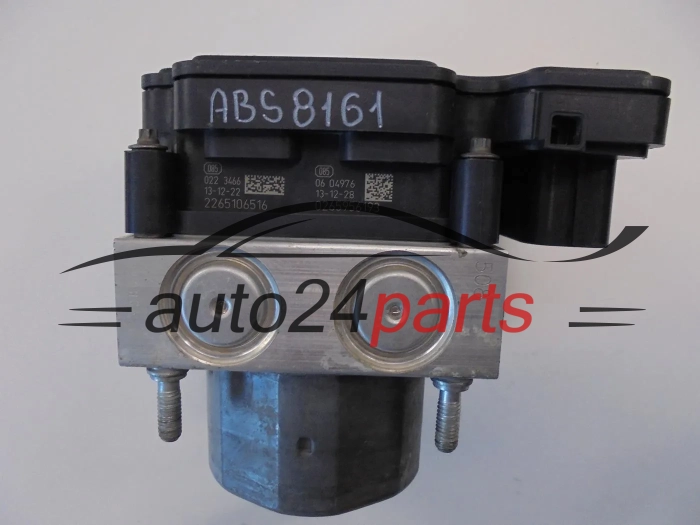
Suzuki ABS Pump: Module with Valves, Pump Motor and Control Unit
An ABS pump is in fact a complete assembly: an aluminium block with solenoid valves, a pump motor and a control unit that reads the signals from the wheel speed sensors. On Suzuki cars these parts form a single unit and are usually replaced as one. When a wheel starts to lock up, the control unit reduces the brake pressure at that wheel within a fraction of a second, and the pump builds it back up.
Our range includes used original modules for the Suzuki Swift, Vitara, Grand Vitara and Jimny, as well as modules where the model is not stated. Among them you will find Bosch numbers (0 265 ...) and ATE numbers (06.21..., 10.09...). The range changes regularly, so the items below are only examples.
Suzuki Swift ABS pump
For the Swift we have a module with the numbers 5611068LA2, 0265243031 and 0265956013: Suzuki Swift ABS pump 5611068LA2. The 56110... number is the Suzuki designation stamped on the hydraulic block, while the 0 265 ... numbers come from the module manufacturer.
Suzuki Vitara and Grand Vitara ABS pump
For the Vitara and Grand Vitara, our range includes, among others:
- Suzuki Vitara, numbers 5611054PA1 and 0265256402,
- Suzuki Vitara, number 06210909513 (code 65JG),
- Suzuki Grand Vitara, number 06210208764,
- Suzuki Grand Vitara, number 06210210294 (code 77K0).
On these models, codes such as 65JG or 77K0 help tell the module versions apart, but the final match is always confirmed by the full part number.
Suzuki Jimny ABS pump
For the Jimny there is a module with the numbers 5611078RA and 11604044641: Suzuki Jimny ABS pump 5611078RA.
How to choose an ABS pump for a Suzuki by part number
Model and year are not enough, because the same model comes with different versions of the module, depending on the engine, year of manufacture and equipment level. Look for the number in three places:
- the Suzuki number stamped on the hydraulic block, most often in the form 56110-xxxxx (in catalogues also as one string, for example 5611068LA2),
- the manufacturer's number, for example Bosch 0 265 xxx xxx or ATE 06.xxxx-xxxx.x,
- the label on the control unit with its own code and number.
Compare all the numbers with the original pump in your car and, if in doubt, write to us before buying.
Symptoms of a faulty ABS pump or control unit
- the ABS warning light comes on after the engine is started and does not go out (on models with ESP, sometimes together with the stability control warning light),
- the ABS stops working, although basic braking usually remains functional,
- the brake pedal pulses or feels uneven for no obvious reason,
- the control unit stores valve or pump motor faults,
- brake fluid leaks from the hydraulic block, which requires immediate action.
Before deciding on a replacement, check the wheel speed sensors, their wiring and the supply voltage. After replacing the module, the fault codes usually need to be cleared, and if the brake lines have been disconnected, the system must be bled.
Used original ABS module: condition and inspection
We sell used original ABS modules, not new parts. Every item is inspected and tested before sale, and the product photos show the appearance of the block, the numbers and the labels, which you can compare with your own pump.
Related electronic parts
If you are looking for other modules, see ABS / ESP / ASR control units and electronic car parts.
Ordering, Payment, Delivery and Warranty
Information about placing an order is available on the How to Buy page. The available payment methods are described under Payment Methods, while shipping information can be found on the Shipping and Delivery page.
Our rules on returns, complaints and warranty are set out on the Warranty and Returns page. Further answers are also available on the Frequently Asked Questions (FAQ) page.
FAQ: Suzuki ABS Pump
| Which Suzuki models do you have ABS pumps for? |
|---|
| Our range includes modules for the Swift, Vitara, Grand Vitara and Jimny, as well as modules where the model is not stated. Always confirm compatibility with the number from the original pump. |
| How is the Suzuki number written on an ABS pump? |
| On the block, the number is most often stamped in the form 56110-xxxxx, and in catalogues it also appears as one string without a hyphen, for example 5611068LA2. |
| Are the model and year of the car enough to choose the right part? |
| No. The same model comes with different versions of the module. The most reliable reference is the number on the original pump. |
| Can I send a photo so you can check compatibility? |
| Yes. Contact Auto24Parts and send a photo of the numbers on the original pump, and we will help you check whether the module will fit. |