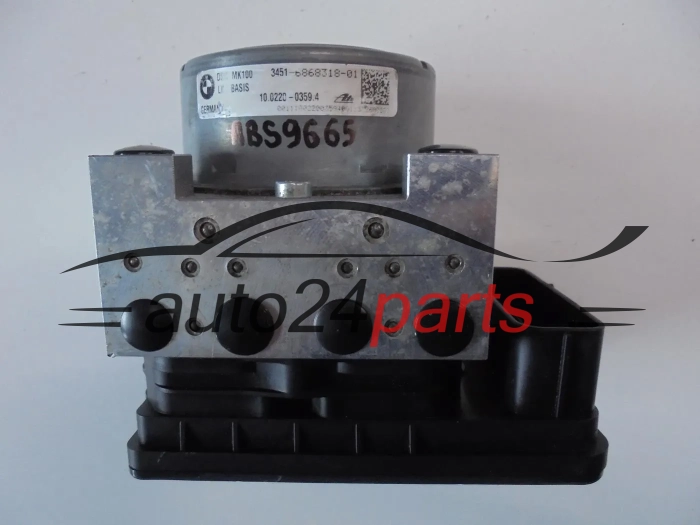
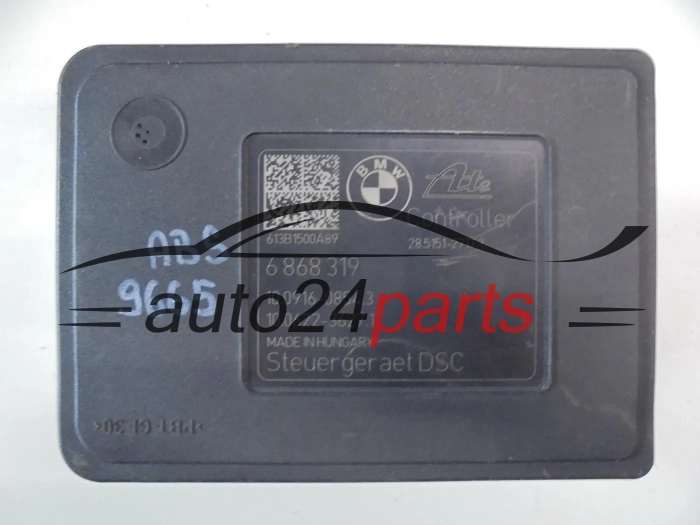
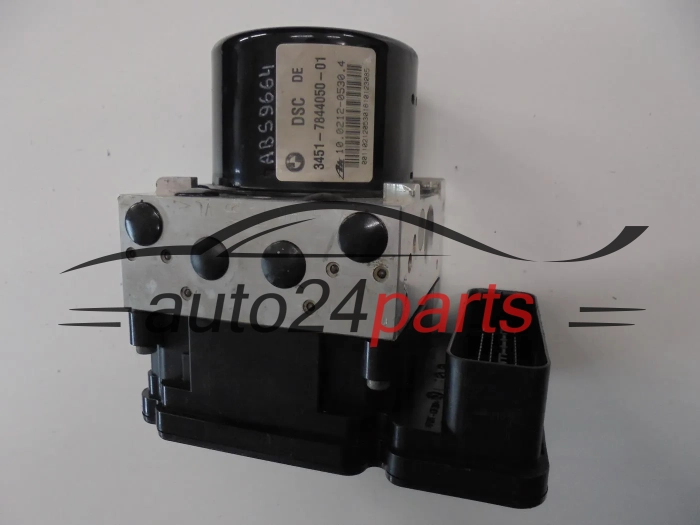
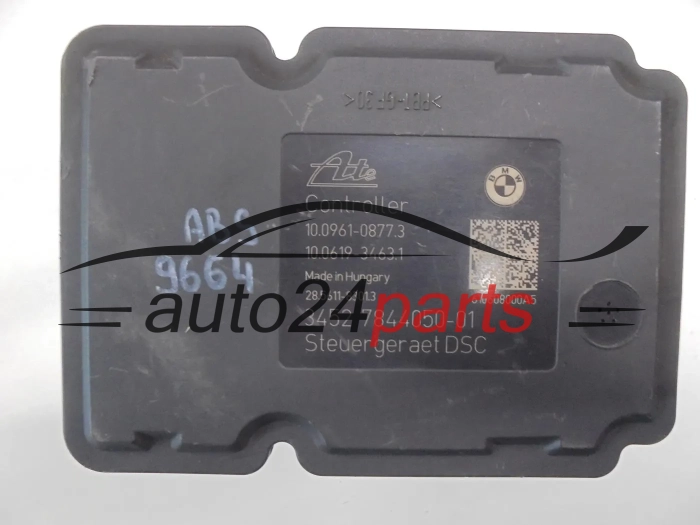
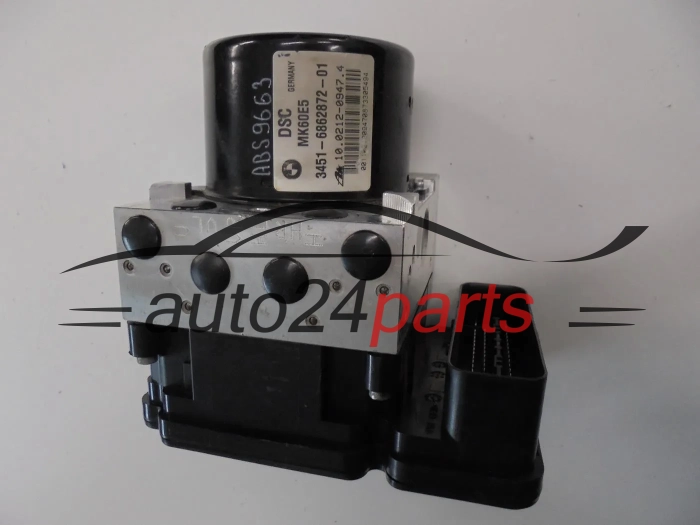
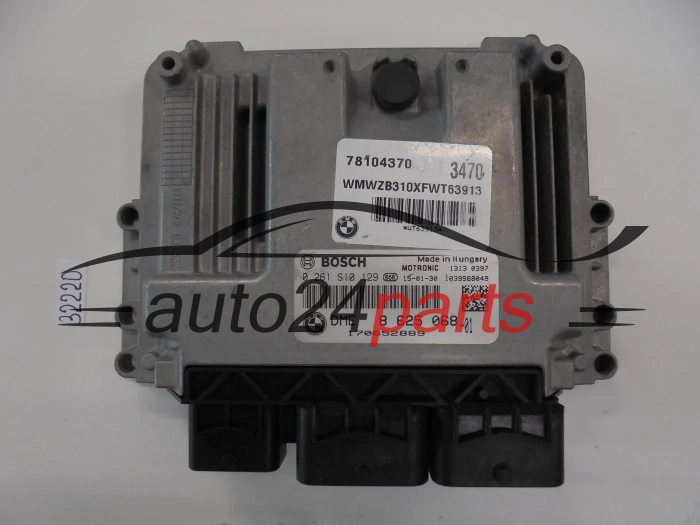
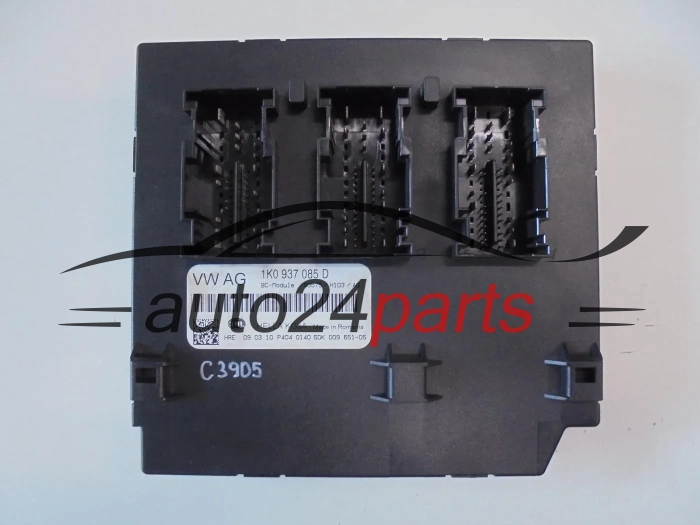
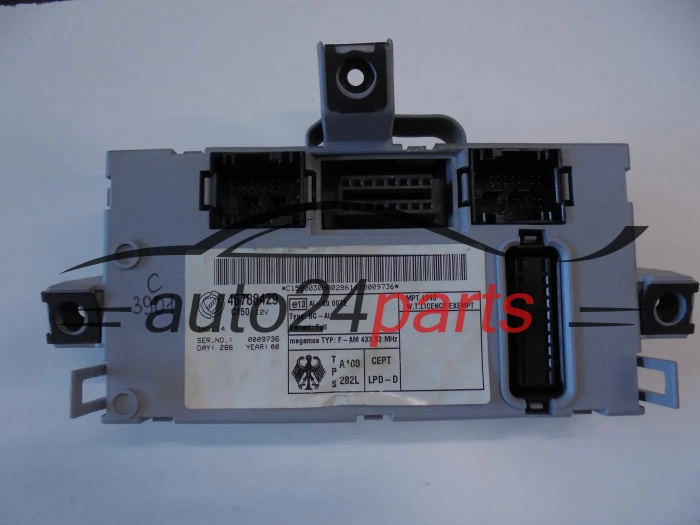
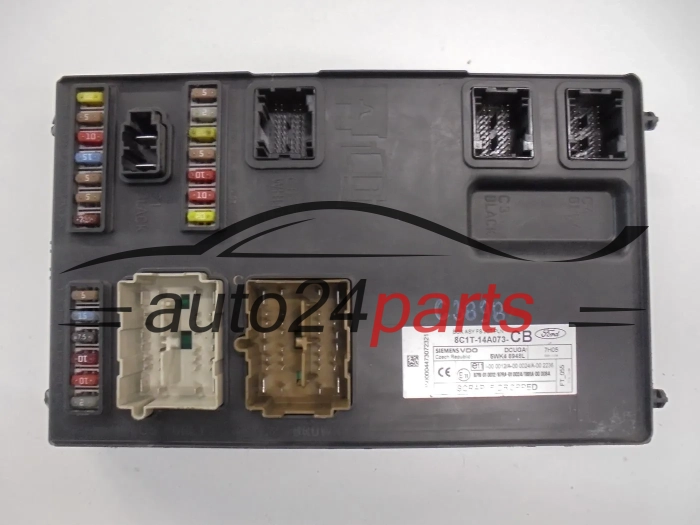
The engine control unit (often referred to as ECU or ECM) is the most important electronic module in every modern vehicle. It acts as the main computer managing the operation of the power unit, analyzing signals from numerous sensors in real-time. It is responsible for precise fuel dosing, ignition timing, boost pressure, and the operation of exhaust gas treatment systems. When this crucial component fails, normal operation of the car becomes impossible.
When faced with electronic problems, many drivers consider complicated diagnostics, circuit testing, and attempting to repair integrated circuits. In practice, the fastest, safest, and most cost-effective solution is to replace the damaged component with a fully functional, original used part from the aftermarket.
How to recognize an engine control unit failure?
Before deciding on a replacement, it is worth making sure that the ECU is actually the source of the problems. Damage to the control electronics usually produces very characteristic symptoms:
-
Starting difficulties: The starter cranks normally, but the engine won't start. This is often due to a lack of signal from the control unit to the fuel pump or ignition coils.
-
Jerky operation and sudden stalling: The car loses power, the engine chokes during acceleration, or unexpectedly stalls while driving.
-
Lack of communication with the diagnostic computer: When trying to read error codes in a workshop, the diagnostic tester cannot connect to the engine control unit at all (the so-called CAN bus communication error).
-
Illuminated Check Engine light: Often combined with numerous, seemingly unrelated errors from various sensors that cannot be permanently cleared.
-
Physical damage and burning smell: The presence of corrosion on the plug pins, signs of water flooding the casing, or a distinct smell of burnt electronics coming from inside the module.
How to perform a basic check of the ECU?
The verification procedure should be based on ruling out simpler faults without having to take the device itself apart.
-
OBD2 Diagnostics: The basic step is connecting a professional tester. If the tester shows errors in the internal ROM/RAM memory of the controller (often codes P0600, P0601), it indicates direct damage to the motherboard.
-
Power supply check: Using a multimeter, check if power is reaching the controller's plug at all (ignition and constant power) and whether the ground points on the car body are not rusted.
-
Wiring harness verification: Make sure the cables going to the computer are not chafed, cut, or melted by the high temperature from the exhaust system.
If the power supply is correct and the diagnostics indicate an internal error or lack of communication, further testing and unsealing the casing usually misses the point.
Why is replacing with a used original better than attempting a repair?
Commissioning advanced laboratory tests and attempting to solder damaged traces on a multi-layer ECU motherboard is a process fraught with a high risk of failure. Due to the vibrations and extreme temperatures under the hood, repaired control units often fail again very quickly.
By far the most reasonable step is to purchase a fully functional, original, and tested used control unit from a dismantled vehicle.
|
Aspect
|
Repair / regeneration attempt
|
Purchase of an original, used ECU
|
|
Lead time
|
Often from a few to a dozen or so working days.
|
Immediate shipping, the car returns to the road in a few days.
|
|
Reliability
|
High risk of solder joints cracking again from engine vibrations.
|
Factory part (OEM), untouched by soldering iron interference.
|
|
Costs
|
Very high costs for expertise and an electrician's labor.
|
Highly cost-effective price-to-quality ratio.
|
|
Component quality
|
Often repaired using cheap transistor substitutes.
|
100% original part complying with the manufacturer's factory parameters.
|
A wide selection of control units for various vehicle brands
On the professional used parts market, you can easily find an original module perfectly matched to your vehicle. When choosing a part, make sure that its hardware and software numbers match the damaged device. Specialized stores offer tested modules for almost all vehicles on our roads, offering:
-
A reliable Hyundai engine control unit – an excellent choice to quickly restore the performance of popular city models and modern SUVs.
-
A durable Iveco engine control unit – a key element for delivery vehicles that must earn their keep every day without downtime in the workshop.
-
A proven Opel engine control unit – a guarantee of trouble-free and economical repair in popular fleet and family cars.
-
An advanced Subaru engine control unit – working perfectly with the complex engineering and characteristics of boxer engines.
-
A precise Kia engine control unit – original components ensuring factory safety standards in the dynamically developing range of the Korean manufacturer.
Where to buy a proven engine control unit?
Instead of wasting time looking for electronic repair shops and incurring huge costs diagnosing unrepairable modules, opt for a ready and proven solution. Choose an original part that, after being programmed in the workshop, will immediately allow you to enjoy a trouble-free ride.
Check out a wide range of tested control computers, match the device by serial numbers, and restore full power to your car: ? Buy an original engine control unit at Auto24Parts.
FAQ – Frequently Asked Questions
1. Does a used engine control unit need to be programmed after purchase?
Yes. Every engine computer is factory-assigned to a specific vehicle unit, storing the VIN number and immobilizer codes in its memory. After physically installing a new part from the aftermarket, it is necessary to perform an adaptation or clone the software from the old module using specialized diagnostic equipment in a workshop.
2. How to accurately select the right module for my car?
The basis of a successful repair is an exact match of the serial numbers. You can find them on the casing of the damaged computer (usually on a sticker or engraved directly on the aluminum block). Both the car manufacturer's number and the electronics manufacturer's number must fully match the markings on the purchased part. Any deviations may result in communication problems.
3. What most often causes engine control computers to burn out?
The biggest enemy of car electronics is moisture. Clogged cowl drain channels often lead to water flooding the casing. Other common causes include short circuits in the electrical installation, workshop errors (reverse connection of battery terminals), and microcracks on the multi-layer motherboard caused by massive vibrations and drastic temperature fluctuations under the hood.
4. Is driving with a damaged computer (ECU) safe?
Absolutely not. Even if the damage affects only a part of the functions, and the engine can be started and runs in Limp Mode, incorrectly selected fuel injection parameters or ignition timing will very quickly lead to the destruction of the expensive catalytic converter, clogging of the DPF filter, and in extreme situations even the physical melting of the pistons. Any faults with the control computer require immediate intervention by a mechanic.