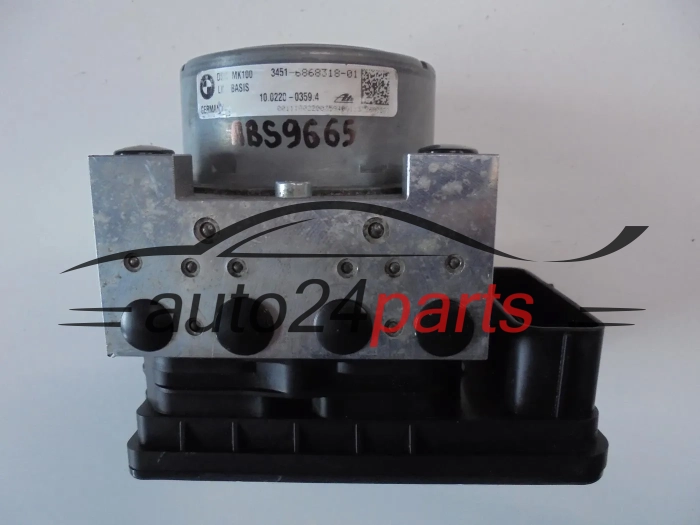
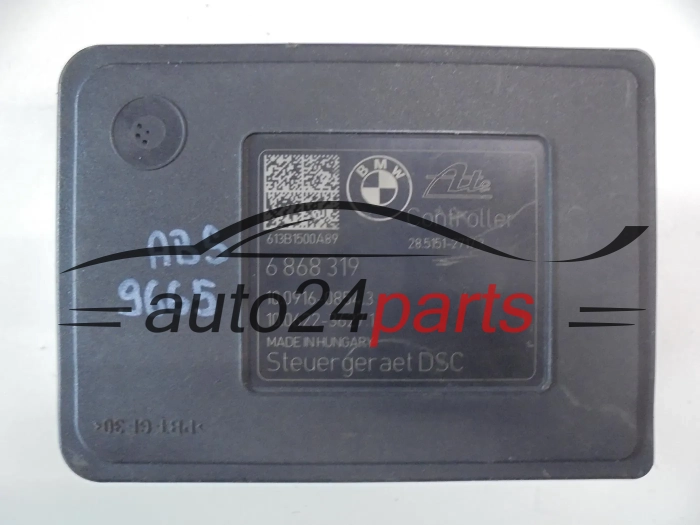
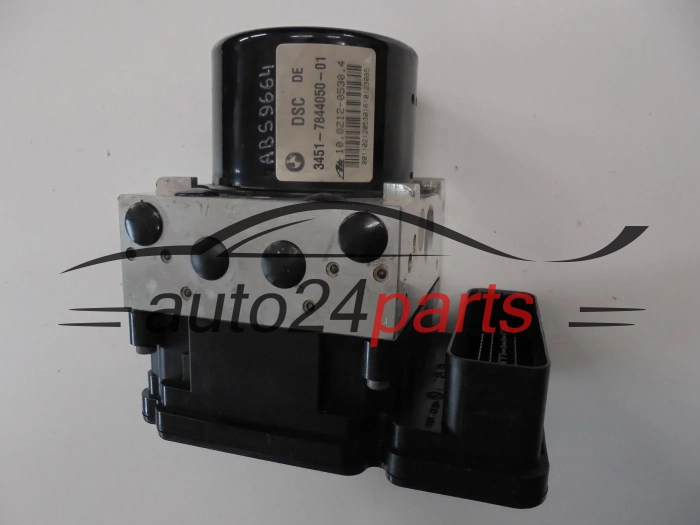
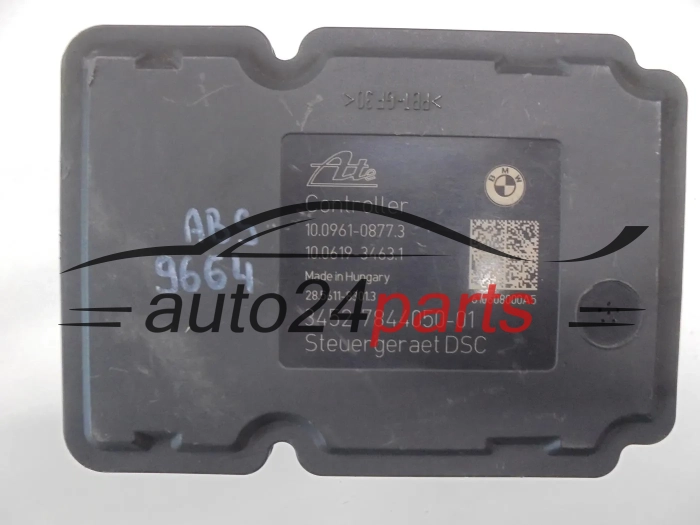
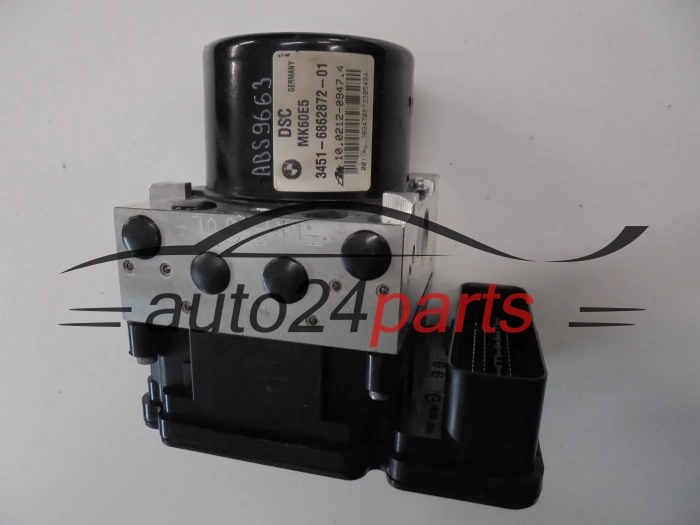
A properly functioning ABS system is the foundation of road safety. Its main task is to prevent wheel lock-up during emergency braking, which allows the driver to maintain full control of the vehicle. The heart of this system is the electronic ABS pump controller. When it fails, the system stops working. A proper diagnosis of the problem allows you to avoid unnecessary costs and quickly restore brake efficiency.
What are the most common symptoms of a damaged ABS pump controller?
Before proceeding with the technical verification of the device, it is worth paying attention to the warning signals sent by the vehicle itself. A failure of the control electronics most often manifests itself in a very characteristic way:
Continuous illumination of the ABS and ESP warning lights (often also the handbrake light) on the dashboard.
Lack of a noticeable brake pedal pulsation during a sudden stop on a slippery surface.
Incorrect operation of the speedometer (in many vehicles, the speed signal is taken directly from the ABS sensors via the controller).
Inability to connect to the controller using a diagnostic tester in the workshop.
How to check the operation of the ABS pump controller step by step?
Self or workshop verification should be based on excluding simpler faults. You should not immediately disassemble the pump.
Step 1: Computer diagnostics (OBD2) Connecting a professional diagnostic computer is the absolute basis. You must read the error codes stored in the controller's memory. Errors indicating damage to the wheel speed sensors are often confused with a failure of the pump itself. However, if the computer shows an internal processor memory error (EEPROM), a hydraulic valve coil power supply error, or a complete lack of communication with the module, the problem lies within the electronic controller.
Step 2: Checking the power supply and fuses Before you write the module off, make sure the device is receiving power. Using a multimeter, check the fuses responsible for the ABS system (both those in the cabin and the main ribbon fuses near the battery). Next, verify if the voltage reaches directly to the controller plug and if the ground points on the car body are not covered with rust.
Step 3: Inspecting the wiring harness You must carefully examine the wires going to the ABS pump. Chafed insulation, tarnished pins in the plug, or mechanical damage to the wires can effectively block the signal, giving symptoms identical to completely burned electronics.
If the power supply and wiring are in perfect condition, and the computer still indicates an internal device error, the diagnosis is final: the controller is damaged.
Why is replacing with a used original better than repair?
When the diagnosis confirms a module failure, the question of the repair method arises. Attempts at regeneration, consisting of cutting open a sealed housing and soldering microcircuits, are highly risky. Repaired equipment, subjected to enormous vibrations and extreme temperatures under the hood, very often breaks down again in a short time. By far the safest solution is to purchase a tested, used original part.
The conclusion is obvious: do not waste time testing damaged paths and risky soldering. If the controller does not work, replace it with a working original from the aftermarket.
Where to buy a working ABS controller and pump?
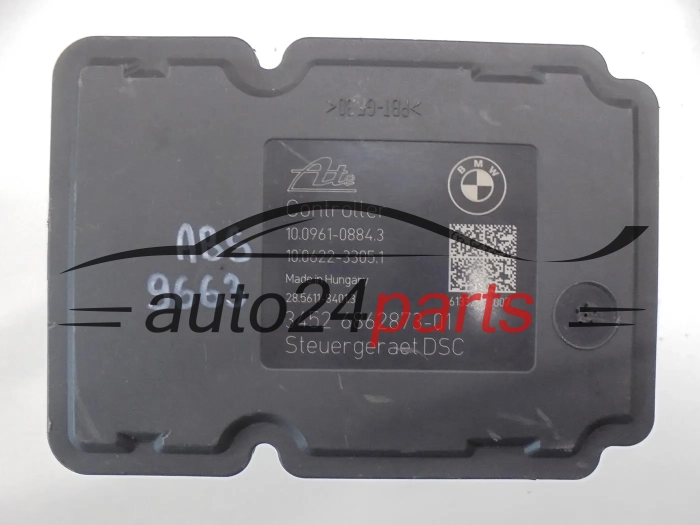
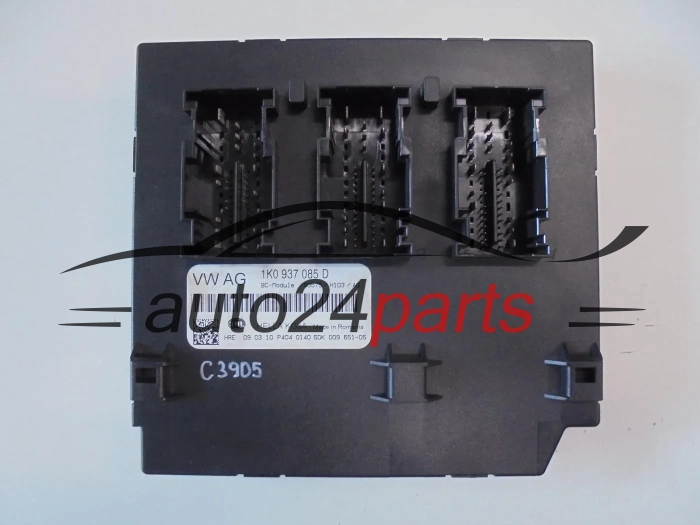
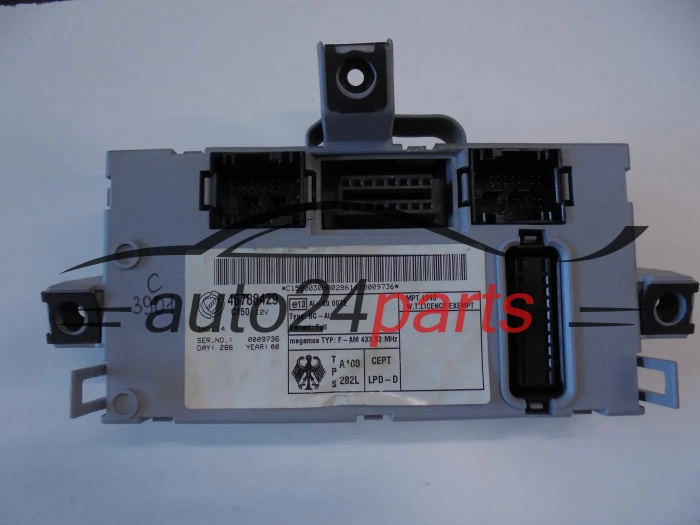
The basis of a successful replacement is the selection of the appropriate component. The new controller must have exactly the same hardware numbers (HW) and software numbers (SW) as the removed, damaged part. You will find them embossed on the black, plastic housing of the device. Only full compatibility of numbers guarantees that the controller will properly communicate with the vehicle's onboard network after proper coding and calibration.
A wide selection of one hundred percent original, tested components can be found in specialized automotive stores. Check the offer and choose a safe solution for your vehicle by visiting the store to buy a complete ABS pump here.
For Suzuki car owners, we have prepared a dedicated offer of carefully selected and tested modules. Depending on the technical specifications and serial numbers of your damaged part, you can match the perfect replacement from the list below:
FAQ – Frequently Asked Questions
1. Is it necessary to bleed the brake system after replacing the ABS pump controller? It depends on the scope of work. If the mechanic unscrews and replaces only the plastic electronic part (the controller) without disconnecting the metal hydraulic block with the pipes, bleeding is not required. However, if the complete ABS pump is being replaced, fully bleeding the system with brake fluid is absolutely essential.
2. Does every used ABS controller require programming? In most modern cars, yes. The controller has the vehicle's VIN number and a specific equipment configuration coded in its memory. After installing a new part, a diagnostic computer must be connected to adapt the module and perform the steering angle sensor calibration.
3. Can I drive a car with a damaged ABS controller? The brake system will retain its basic, mechanical function – the car will brake. However, in the event of a skid or the need for an emergency stop, the wheels will completely lock up. The lack of support from the ABS and ESP systems significantly extends the braking distance and leads to a loss of control over the driving track, which is extremely dangerous. The damaged component must be replaced as soon as possible.