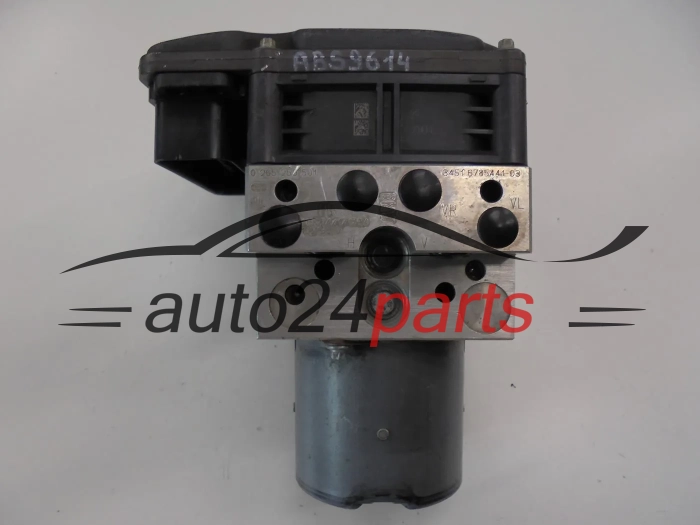
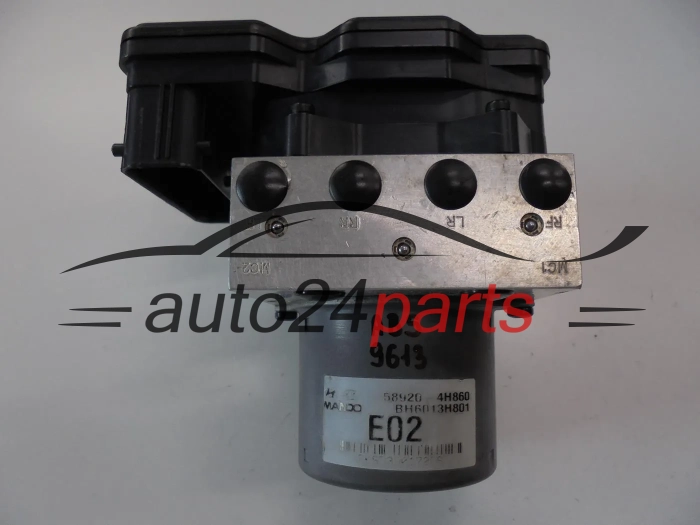
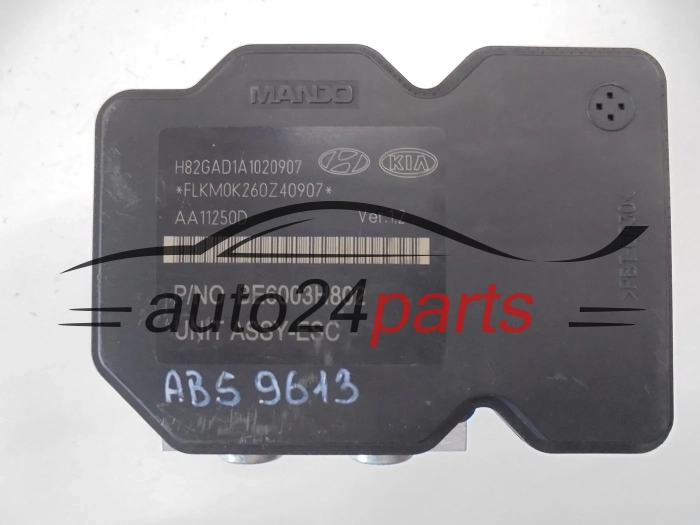
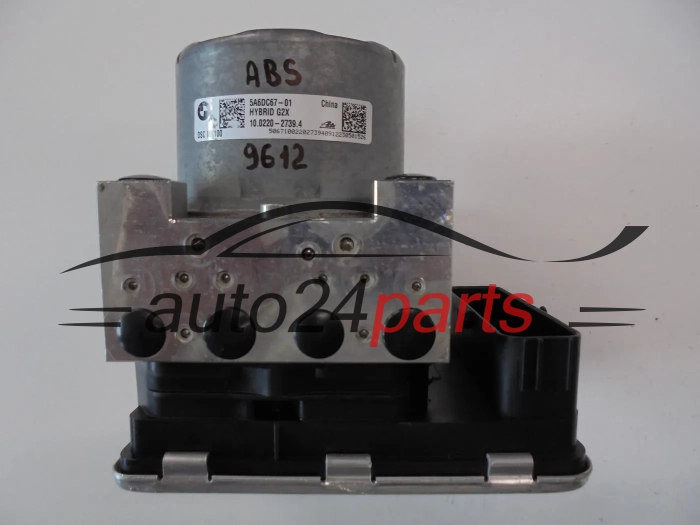
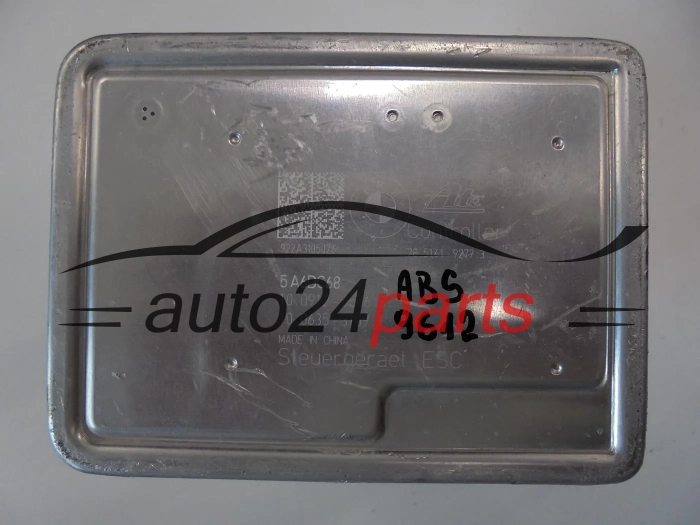
The ABS system prevents wheels from locking during sudden braking, ensuring vehicle control in critical situations on the road. When brake system errors appear on the dashboard and the workshop diagnosis indicates damage to the pump electronics, the driver faces the need for a quick repair. In such a situation, the most reasonable, safest, and most cost-effective solution is to immediately replace the module with a fully functional, original part from the aftermarket.
Why is controller regeneration usually a bad idea?
Many companies on the market offer repair, the so-called regeneration of damaged ABS controllers. In practice, this solution carries a huge risk of failure. Car electronics operate in extremely difficult conditions under the vehicle's hood, where they are constantly exposed to:
-
Strong vibrations generated by the drivetrain and uneven roads.
-
Extreme temperature fluctuations, from freezing cold to immense heat in the engine compartment.
-
Omnipresent moisture.
To repair the controller, an electronics technician must mechanically cut open the factory-sealed housing and then manually solder the damaged microcircuits. Such action permanently damages the original structure of the device. Fresh solder joints, lacking factory resistance to vibrations, often crack after a few weeks of driving. As a result, the driver pays for a repair that turns out to be only a temporary solution.
A waste of time on testing – if it does not work, replace it
Diagnosing a damaged ABS system should not be complicated or time-consuming. If the computer connected in the workshop returns hard errors – such as a lack of communication with the controller, internal processor memory error (EEPROM), or valve power supply circuit error – the matter is clear.
There is absolutely no sense in commissioning long-term expert opinions, oscilloscope measurements of individual paths on the motherboard, or attempting to test the module on test stands. The working hours of an electronics specialist are very expensive, and disassembling components designed as non-dismountable only generates costs.
The rule is simple: if the controller has stopped working properly, simply replace it with a working original. This is the fastest path to recovering functional brakes.
Comparison: Used original vs. Regeneration attempt
The table below clearly illustrates why purchasing a used part outperforms attempts to repair an old module.
|
Evaluation aspect
|
Used, original controller
|
Regeneration of a damaged part
|
|
Reliability
|
Very high. The factory structure of components remains intact.
|
Low. High risk of new solder cracks due to engine vibrations.
|
|
Housing tightness
|
Preserved original manufacturer welds and seals.
|
Permanent loss of factory hermeticity after cutting the housing.
|
|
Car downtime
|
Short. Plug and play part, installed immediately after delivery.
|
Long. Shipping, waiting for diagnosis, and repair attempts take days.
|
|
Cost-effectiveness
|
High. Known in advance, relatively low cost of purchasing a tested part.
|
Low. The final cost of repair often exceeds the price of a working used part.
|
Where to buy and how to correctly choose a used ABS pump controller?
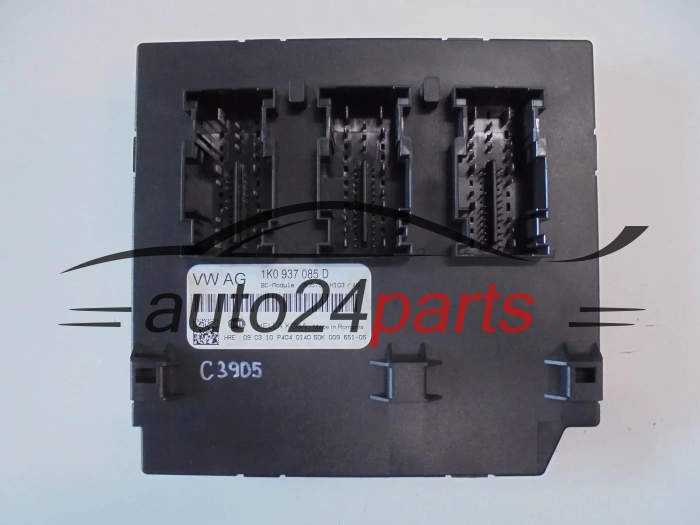
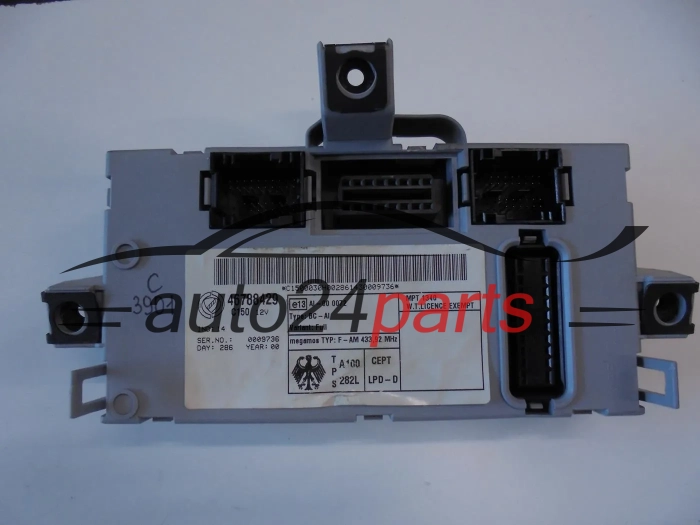
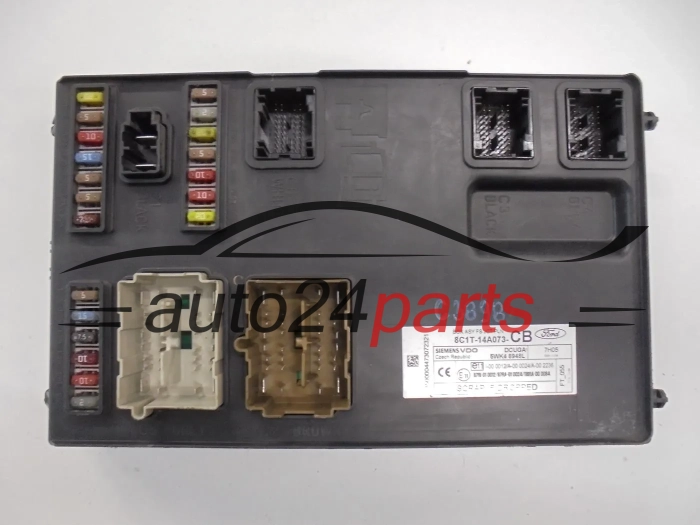
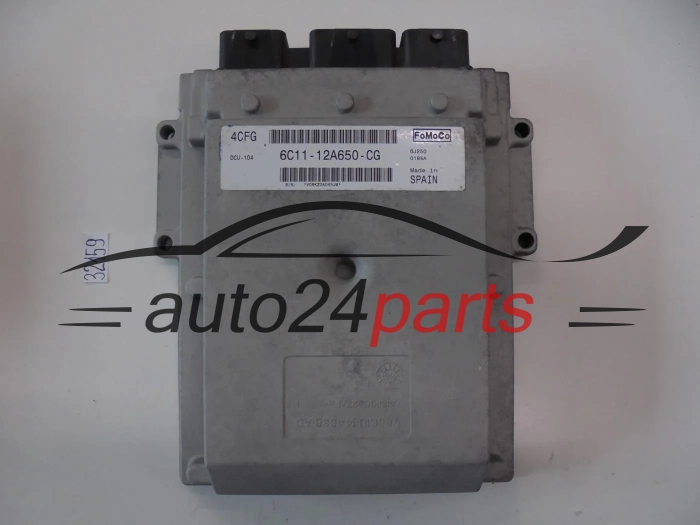
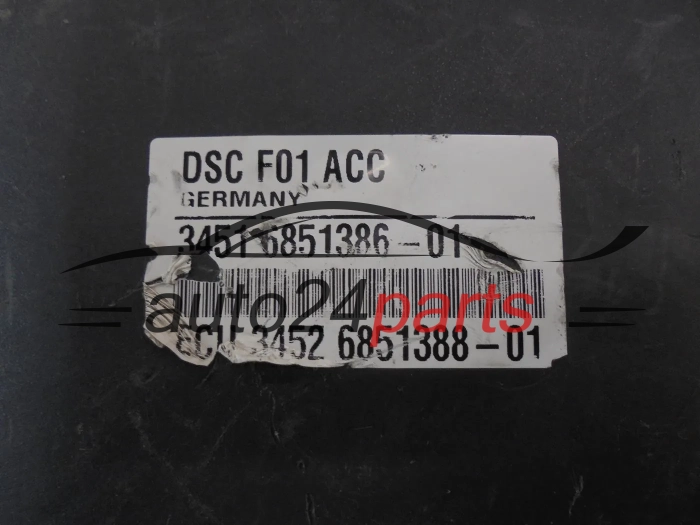
For the repair to be successful, the new module must fully match the car's specifications. Remove the damaged part and read the serial numbers from the plastic housing of the electronics controller. The most important are the hardware number markings (often marked as HW) and the software number (SW). They must be identical to the numbers on the purchased part. This ensures trouble-free communication of the new element with the engine controller and the onboard network (CAN).
Instead of looking for parts from an unknown source, choose a reliable supplier. This guarantees that the controller has not been previously opened, modified, or amateurishly repaired.
Check out a wide range of tested, fully original modules and complete brake pumps, match the device by serial numbers, and restore full safety on the road to your car.
Check the offer of original ABS controllers and pumps here: used ABS pump controller.
FAQ – Frequently Asked Questions
1. Do I need to code the device after replacing the ABS controller?
Yes. In the vast majority of vehicles, the ABS controller is electronically paired with a specific car unit. After physical installation, the mechanic must connect diagnostic equipment, adapt the new part, enter the vehicle's VIN number, and perform mandatory calibration of sensors (steering angle and lateral acceleration).
2. Where exactly are the serial numbers needed for purchase located?
The key identification numbers are located on a sticker or are directly embossed on the black, plastic part of the pump (which is the electronic controller itself). Numbers engraved on the metal hydraulic block are of secondary importance when choosing the electronics alone.
3. Can I replace just the plastic controller without unscrewing the metal pump?
Many mechanics use this method if only the electronics are damaged and the valve block is fully functional. This allows the screws securing the plastic module itself to be unscrewed without unsealing the hydraulic system. This avoids the tedious process of bleeding the brakes.
4. Is driving with a damaged ABS controller possible?
Physically, the car will brake, relying on the traditional, mechanical hydraulic system. However, in the event of a sudden press of the brake pedal on a wet or slippery surface, the wheels will immediately lock. The lack of ABS and ESP systems means a total loss of control over the driving track during emergency braking. This requires immediate workshop intervention.