







For an Astra G or Zafira A, an HSFI 2.1 Virgin ECU programmed with the Car Pass code is enough, or a three-part set. In a Corsa C or Combo with a CAN bus immobiliser, the Plug & Play set has five parts, and the ECU on its own will not start the engine without programming.
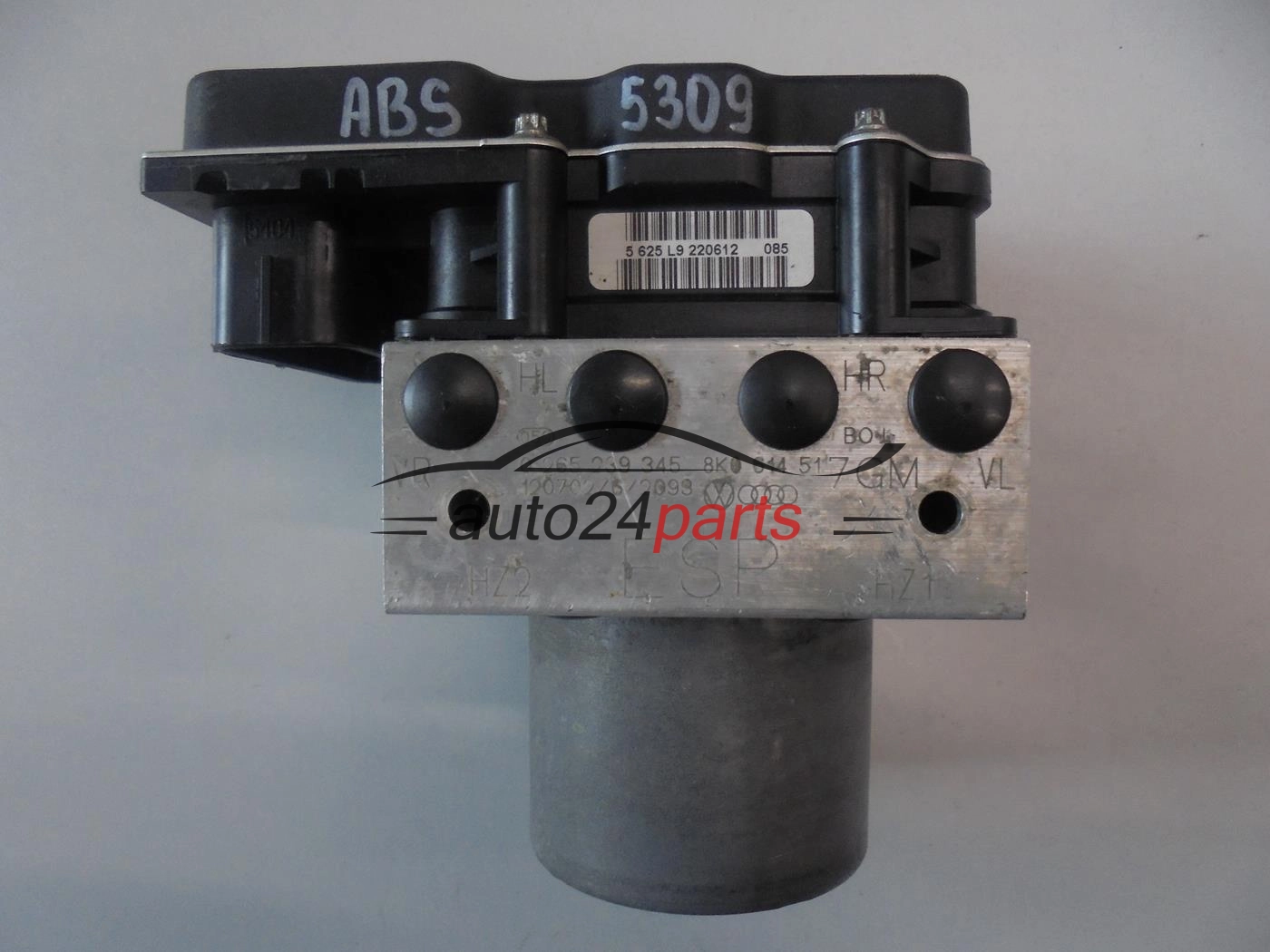
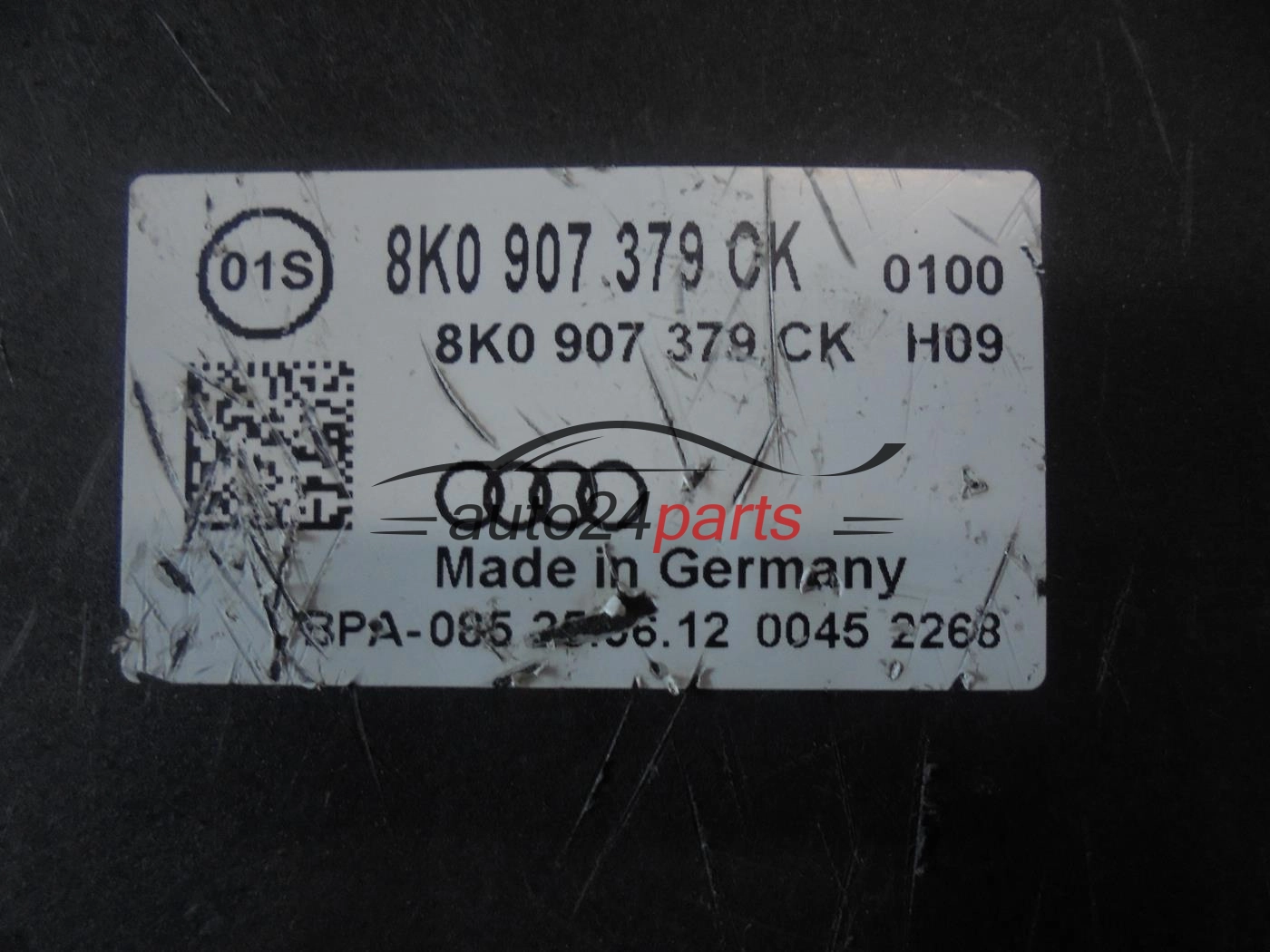
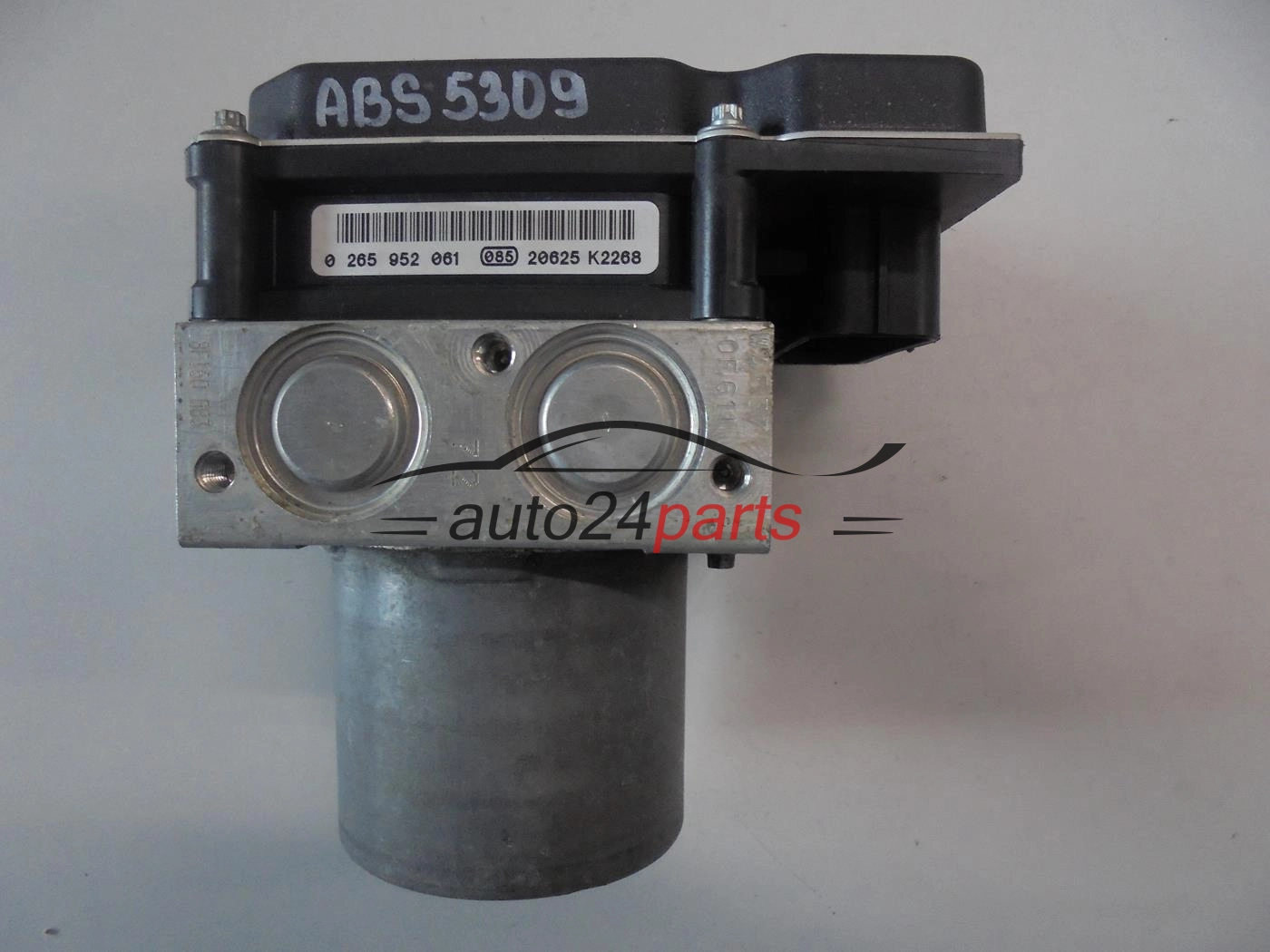
ABS pump and control module Audi Bosch 8K0614517GM 0265239345 8K0907379CK 0265952061
Vendors's code: 0265239345
Product code: 0A09-17377
Barcode:
Code 39:
ISBN:
£106.88
Price
£106.88
£131.47
Price
£131.47

Ask about the product

ABS pump and control module Audi Bosch 8K0614517GM 0265239345 8K0907379CK 0265952061
Administratorem danych osobowych jest Auto24parts. Przetwarzamy je w celu przesłania odpowiedzi na zapytanie. Więcej informacji dotyczących przetwarzania danych osobowych znajduje się w polityce prywatności.
Shipping
from
£22.54
-
shipping
(Poland)
from
£22.54
-
shipping
(Poland)
Price 30 euros applies shipments to 5 kg on worldwide. Above this weight, please contact us by email to check price
Shipping cost for the selected product
The shipping cost applies to this product (in the selected variant - if applicable). It may change after adding other products to the cart.

Need ABS unit 8K0614517GM with control module 8K0907379CK?
We have this Bosch set from an Audi - used and in working order. The labels show numbers 8K0 614 517 GM and 8K0 907 379 CK; match it by comparing them with the markings on your part.
Audi ABS 8K0614517GM - Bosch block 0265239345 and control module
Control module 8K0 907 379 CK (Bosch 0 265 952 061) is the ‘brain’ of this unit. Based on signals from the wheel speed sensors, it recognises when a wheel is losing grip under braking and sends commands to the valves of block 8K0614517GM. The pump then tops up the pressure, and the module supervises the whole process until the skid stops.
Numbering to compare with your unit
- 8K0614517GM - label 8K0 614 517 GM: VAG number of the ABS pump (hydraulic unit)
- 0265239345 - label 0 265 239 345: Bosch number of the hydraulic block (pump)
- 8K0907379CK - label 8K0 907 379 CK: VAG number of the ABS/ESP control module
- 0265952061 - label 0 265 952 061: Bosch number of the control module
You will find labels in two places: on the hydraulic block and on the module housing; the unit is also marked with the word ‘ESP’. The core number 8K0 614 517 has 35 other letter variants in our shop, so look carefully at the final GM.
How to recognise damage
A damaged module or block usually shows itself like this:
- ABS lamp illuminated,
- an internal control module fault appears in memory,
- no response from the module on the diagnostic tool,
- brake warning light on the instrument cluster.
Before ordering the part, ask a garage to read the codes and check the wheel speed sensors, wiring loom, fuses and battery voltage. Fitting finishes with bleeding the system; usually the module also has to be coded and a basic setting of the ESP sensors carried out.
Got a question? Check here
| Which car is this set compatible with? |
|---|
| With an Audi fitted with a unit bearing the same pump and control module numbers - the model is not the criterion here. |
| Is this a used part? |
| Yes - used, genuine and in working order; you can check the warranty period in the product features table. |
| How can I be sure before buying? |
| Compare both VAG numbers with the labels in your car, or send us photos of them or your VIN. |
| Is Bosch number 0 265 239 345 enough? |
| Better not - the key numbers are VAG 8K0614517GM and 8K0 907 379 CK, while the Bosch number serves as confirmation. |
Have a photo of the sticker on your unit? Send it over and we will match the part to your car.

