Where does the water in the ABS control module come from?
ABS pump control modules are sealed at the factory, but on many cars the module sits low in the engine bay or below the scuttle panel, where water can easily reach it. The most common causes of water damage are:
- blocked scuttle panel drains - leaves and dirt clog the drainage channels, and instead of draining away, rainwater collects in the scuttle panel and floods the module;
- cleaning the engine bay with a pressure washer - a powerful jet from close range can push water past the connector seal;
- driving through deep puddles without an engine undertray - the water hits the module and its connector directly;
- brake fluid leaking from the hydraulic block - the fluid absorbs water and damages the electronics just as water does, or even faster.
Why does an ABS control module burn out?
- A short circuit after moisture ingress - water in the connector or on the circuit board bridges pins that carry current.
- A voltage spike - jump leads connected the wrong way round, reversed battery polarity or a faulty alternator voltage regulator.
- An overload caused by a pump motor fault - a seized or shorted pump motor can burn out the components that drive it.
- Vibration and heat - over time, solder joints crack, and overheating connections can burn through.
What are the symptoms of a water-damaged or burnt-out ABS module?
- The ABS and ESP lights stay on, often together with the red brake warning light.
- No communication with the diagnostic tool - the technician cannot connect to the ABS module, so they cannot even read its fault codes.
- The ABS pump motor runs non-stop, even after you have taken the key out of the ignition, until the battery goes flat.
- The speedometer stops working or the power steering assistance varies oddly, because on many cars the speed signal goes through the ABS module.
- Faults in other control units - a faulty ABS module can disrupt communication on the CAN bus and, for example, put the gearbox into limp mode.
- A strong burning smell or scorch marks on the connector or the housing after a severe short circuit.
What to do straight away
- If the pump motor runs non-stop, unplug the connector from the ABS module or remove the pump motor fuse. Otherwise the motor will drain the battery and may overheat.
- Remove the water from around the module and clear the scuttle panel drains so that the water does not come back.
- Drive carefully and only to a garage: the brakes work, but without ABS and ESP the wheels can lock under hard braking.
- Take the car in for diagnosis and explain what happened. If there was water in the connector or in the module, be prepared for the module to need replacing.
Drying, testing and rebuilding - why it is rarely worth it
- Corrosion keeps spreading - dirty water is a good conductor, and on powered pins it quickly eats away the thin copper tracks; the oxidation carries on even after drying.
- Diagnosis costs money with no guarantee of success - opening the housing and examining it under a microscope takes time and work, and no one can be sure that the water has not damaged the inner layers of the circuit board.
- The fault comes back - a dried-out module may work for a week or a month, and then the ABS stops working, even while you are braking.
- No factory seal - once a module has been opened and glued back together, it lets moisture in again more easily in the damp conditions under the bonnet.
After a burnout, it is a similar story: a short circuit rarely damages just one component, and it usually destroys tracks inside the circuit board as well. We explain when an ABS pump repair still makes sense and how much it costs in our guide on ABS pump controller repair - cost, reconditioning and whether it is worth it.
The most reliable solution: a used original with the same numbers
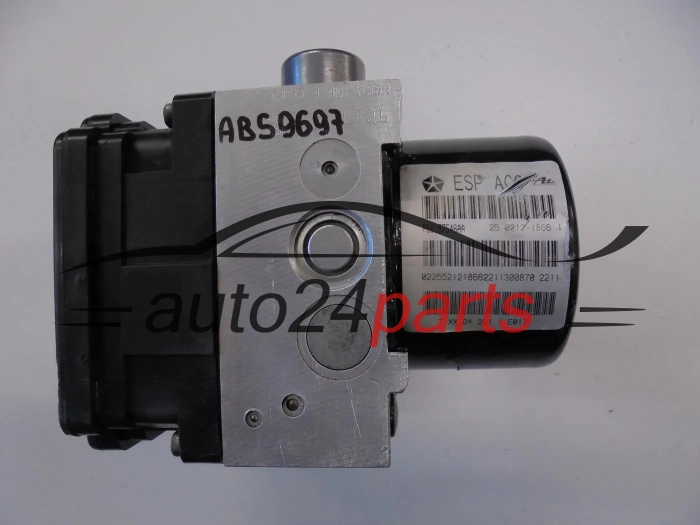
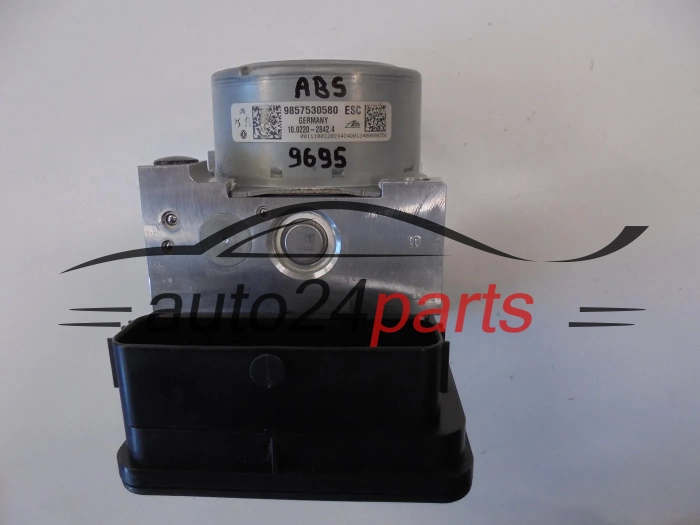
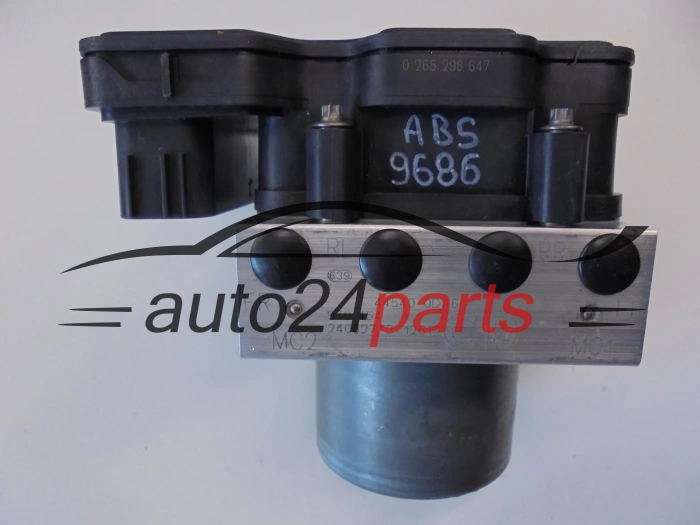
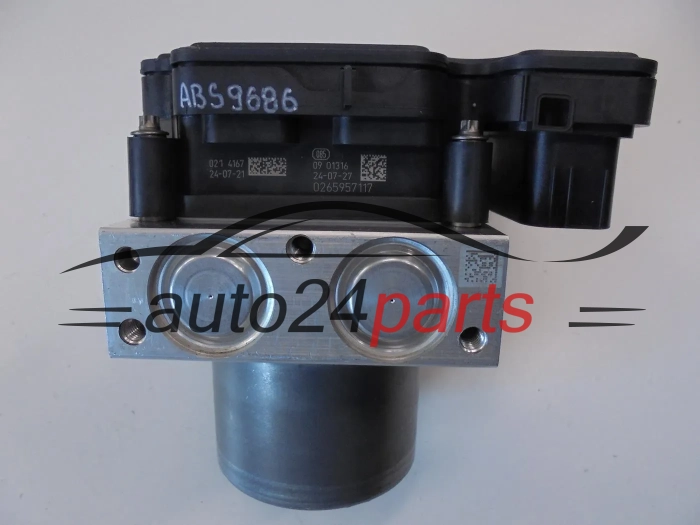
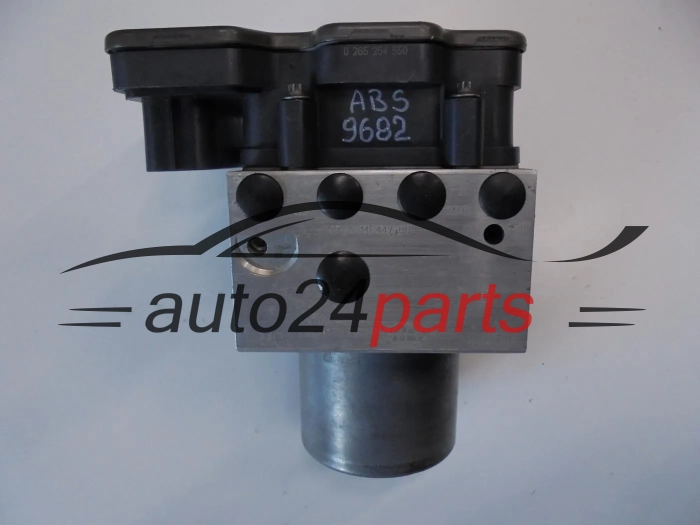
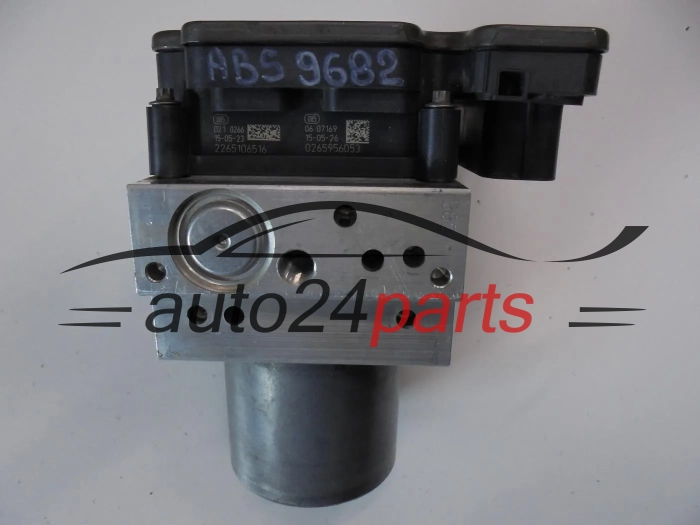
Instead of paying for uncertain attempts to save the module, you can buy a used, original control module or a complete ABS pump with the same numbers. A new module from the car manufacturer's dealer network is usually much more expensive.
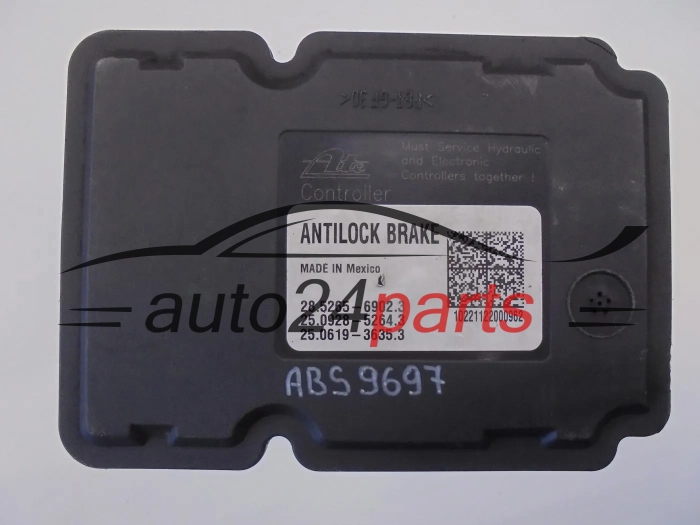
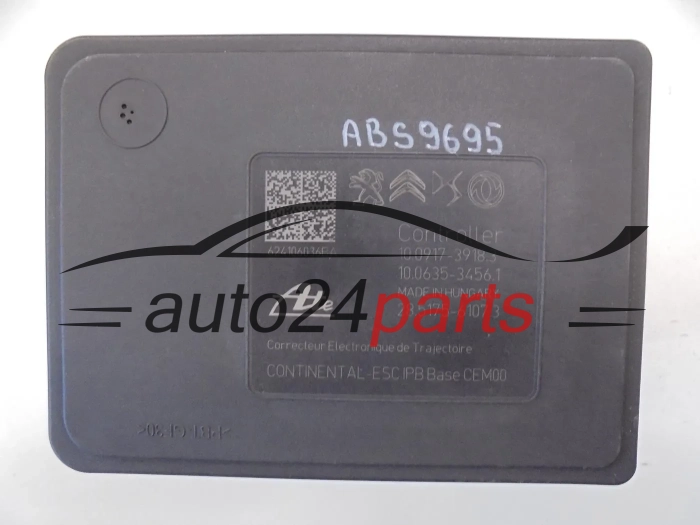
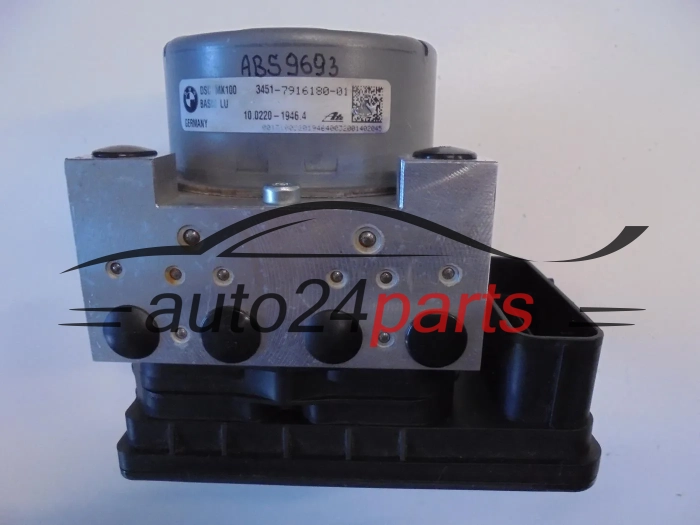
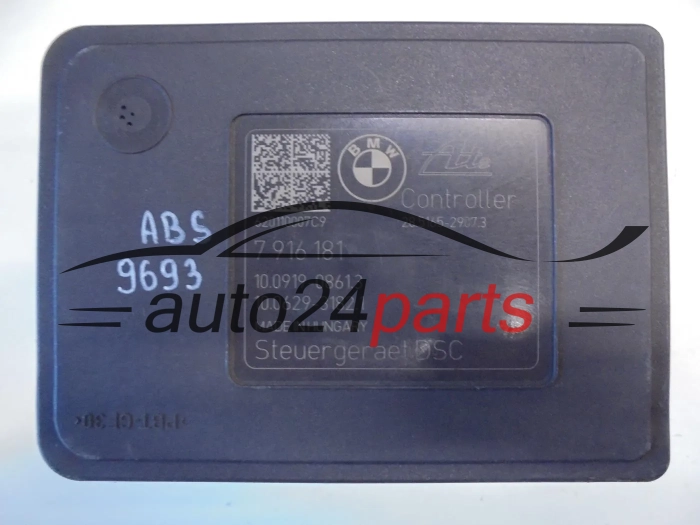
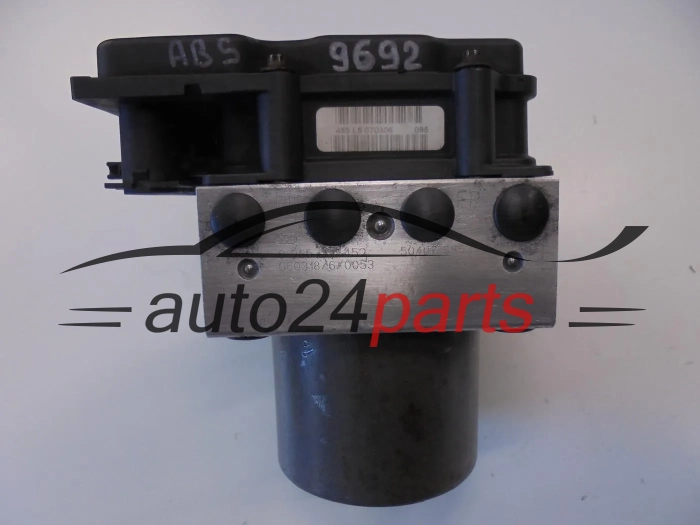
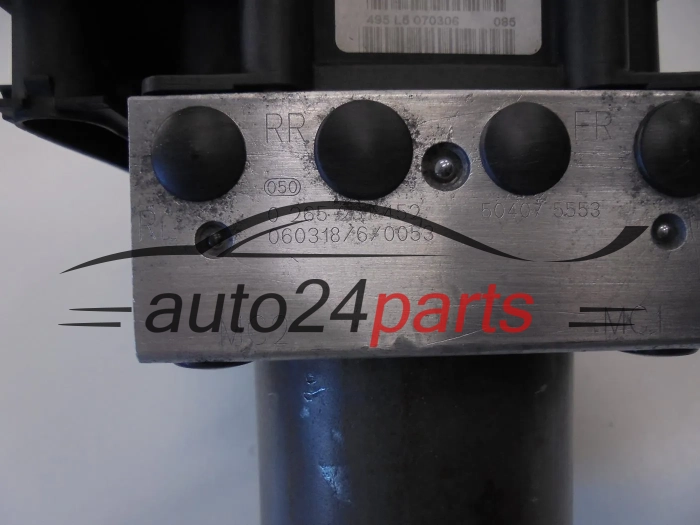
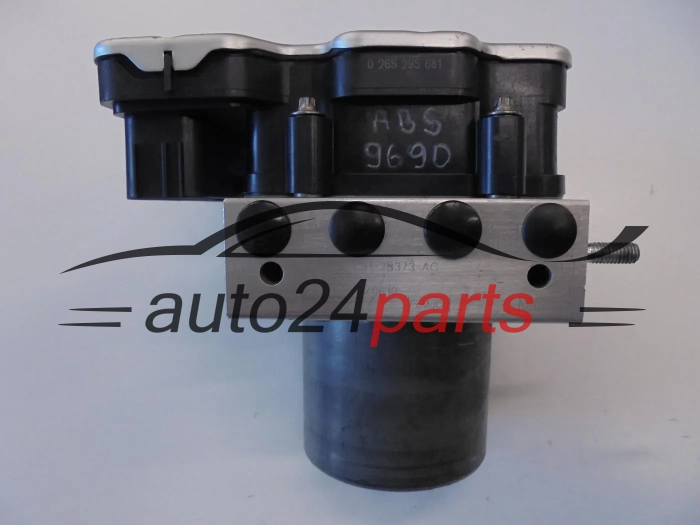
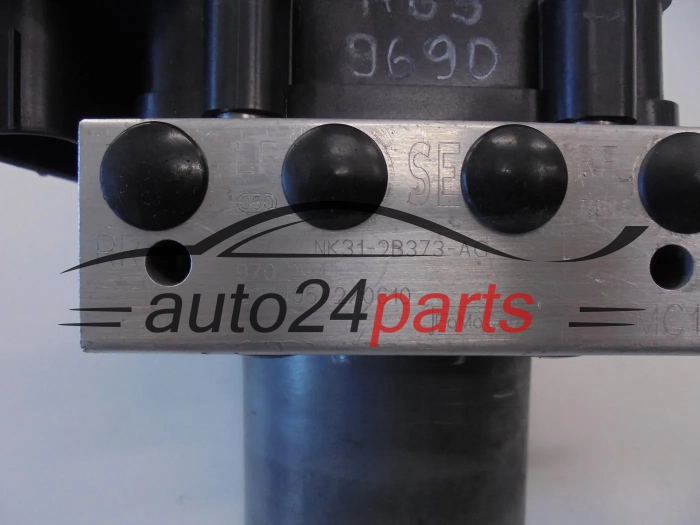
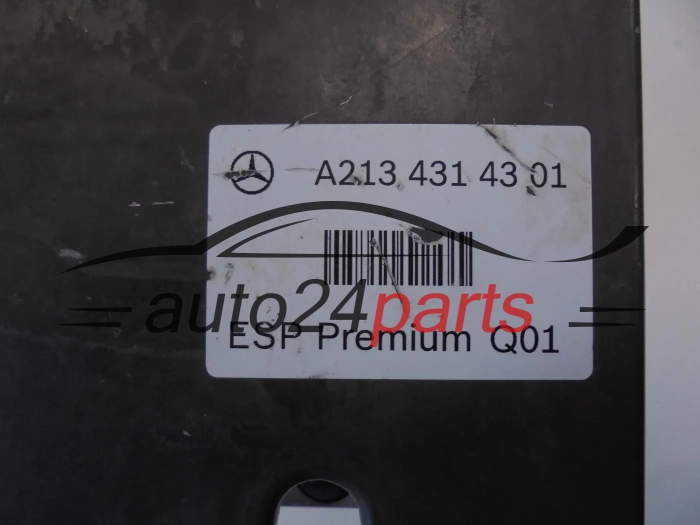
- Matching by numbers. Write down the numbers on the control module label (e.g. a Bosch number starting with 0 265 and the car manufacturer's number, for Volkswagen in the format 1K0 614 517) and, if you are buying a complete pump, the numbers on the hydraulic block. They must match the numbers in the listing.
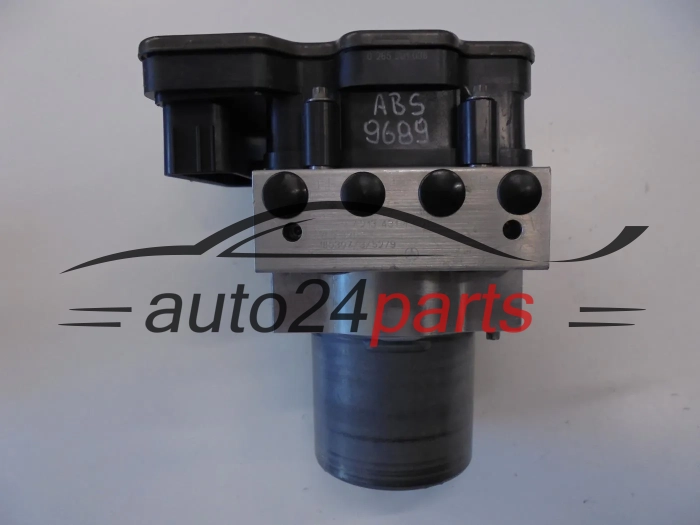
- Control module only or the complete pump. If the water or the short circuit has damaged only the electronics, on many units it is enough to replace the control module on its own, without opening the hydraulic system. If the hydraulics are damaged too, or it is hard to find the control module with those numbers on its own, the complete pump is replaced.
- After fitting. On many cars the module has to be coded to the car's equipment and the steering angle sensor calibrated, and after replacing the complete pump, the brake system has to be bled, often with a diagnostic tool.
- Fix the cause. Clear the scuttle panel drains and check the undertrays and the charging system, otherwise the new module may end up the same way.
At Auto24Parts we mainly sell used, original ABS pumps and ABS modules. Before dispatch, every part is checked on a test bench: electrically, electronically, visually and mechanically. Used parts come with a 6-month warranty (warranty and returns policy).
Most searched-for makes: ABS pumps for Ford, BMW, Mercedes-Benz and Land Rover.
Not sure which module fits?
Email us a photo of the control module label and the numbers from the hydraulic block to contact@auto24parts.com. We will check compatibility before you place your order. We ship by DHL Express or FedEx Express, and delivery within Europe, including the UK and Ireland, usually takes around 1-2 working days from dispatch. You will see the exact shipping cost at checkout once you enter your address. The UK is outside the EU, so customs duties and import charges may be payable by the recipient (shipping and delivery).
Water-damaged or burnt-out ABS control module - frequently asked questions
Can a water-damaged ABS control module work again after drying?
Very rarely, and usually only for a short while. Water on powered electronics causes short circuits and electrolysis, which destroy the tracks on the circuit board. Even once the water has evaporated, residue and pockets of corrosion remain inside.
Will cleaning the contacts with isopropyl alcohol help?
Cleaning the connector contacts is a good first diagnostic step. However, if water has got inside the control module housing, cleaning it from the outside will do nothing, and the corrosion inside will keep spreading.
Why does the ABS pump motor run all the time?
It is one of the typical symptoms of water damage: a short circuit on the circuit board keeps the power to the pump motor switched on. Unplug the module connector or remove the pump motor fuse, otherwise the motor will drain the battery and the pump may overheat.
How can I be sure the control module is to blame and not a wheel speed sensor?
A faulty wheel speed sensor usually produces a fault code for one specific wheel. With a water-damaged or burnt-out control module, there is usually no communication with it at all, or you get pump motor circuit failure codes or faults from several systems at once. We explain how to check this step by step in our guide on how to test an ABS module - failure symptoms and checks.
Can water in the ABS control module damage other control units?
It can disrupt how they work. A water-damaged ABS module can short-circuit the CAN bus, so other control units log faults: for example, the gearbox goes into limp mode or the gauges on the instrument cluster drop to zero.
Do I have to buy a complete pump, or is the control module enough?
If only the electronics are damaged, on many units a control module with matching numbers is enough on its own. A complete pump is the simpler choice when the hydraulics have also been damaged or the control module with those numbers is not available on its own.
Can I drive with a water-damaged or burnt-out ABS module?
You can drive carefully to a garage, because the basic braking system still works. However, the ABS and ESP do not, and on many cars neither does the speedometer, so the wheels can lock under hard braking. In the UK, an ABS warning light showing a system malfunction is a major defect under the MOT inspection manual, so the car will fail its MOT. In Ireland, the same fault is a major deficiency under the EU rules followed by the NCT.
Does a used ABS pump need coding after fitting?
It depends on the car. On some older cars it is enough to plug in a module with matching numbers. On newer cars the ABS module is coded to the car's equipment, and on cars with ESP the steering angle sensor is calibrated.
Can leaking brake fluid damage the electronics the same way water does?
Yes. Brake fluid is corrosive and absorbs water. If it gets into the electronics through a leak in the block, it destroys the tracks and protective coatings on the circuit board just as water does.
How can I prevent the new module from getting water-damaged again?
Clear the scuttle panel drains regularly, check that the engine undertray and the wheel arch liners are fitted, and do not wash the engine bay with a powerful jet of water from close range.
Legal position as of 3 November 2026: Directive 2014/45/EU on periodic roadworthiness tests for motor vehicles and their trailers, Annex I, point 1.6, and Article 9; in the UK, the MOT inspection manual for private passenger and light commercial vehicles, section 1.6. AI tools were used in preparing this text.