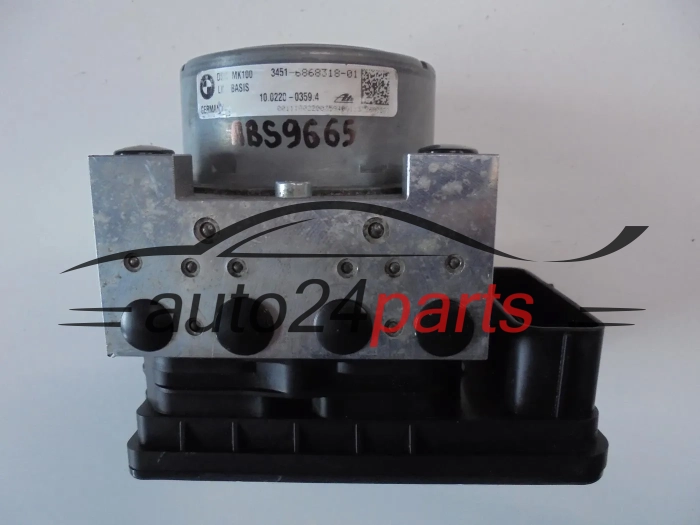
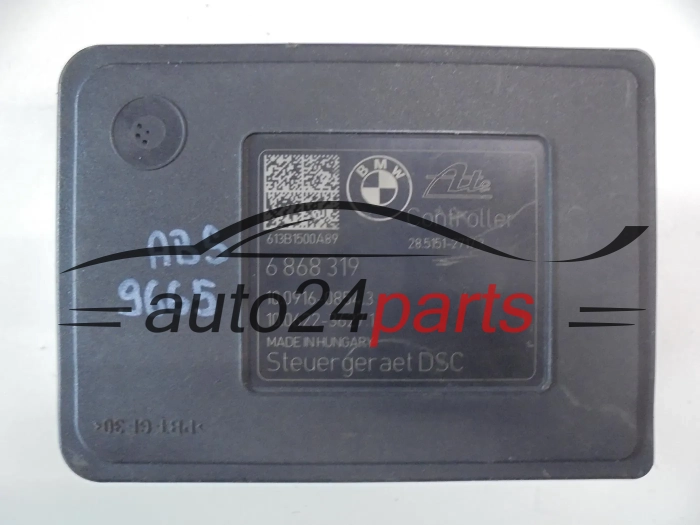
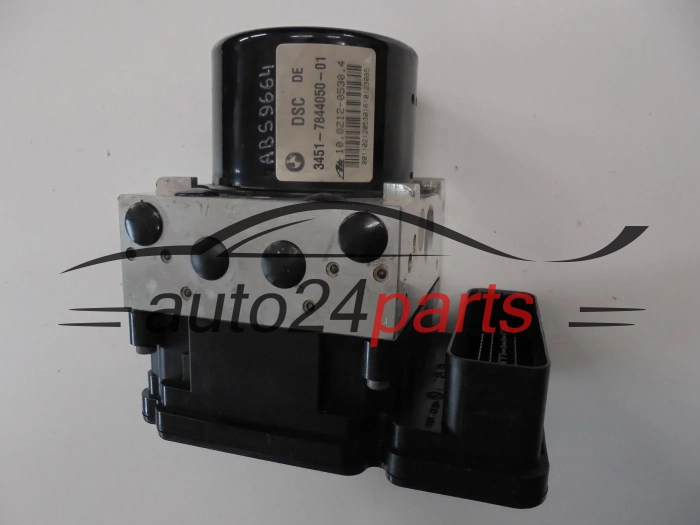
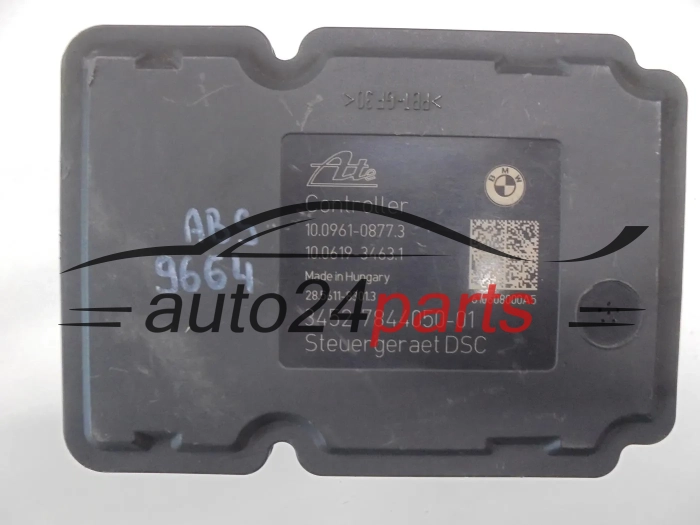
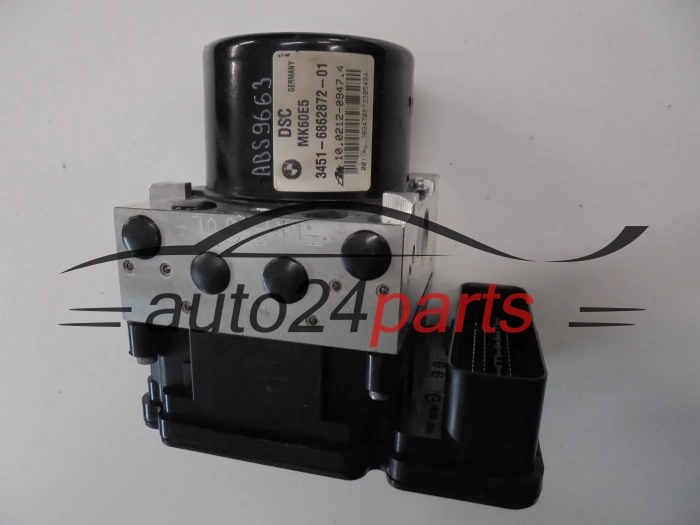
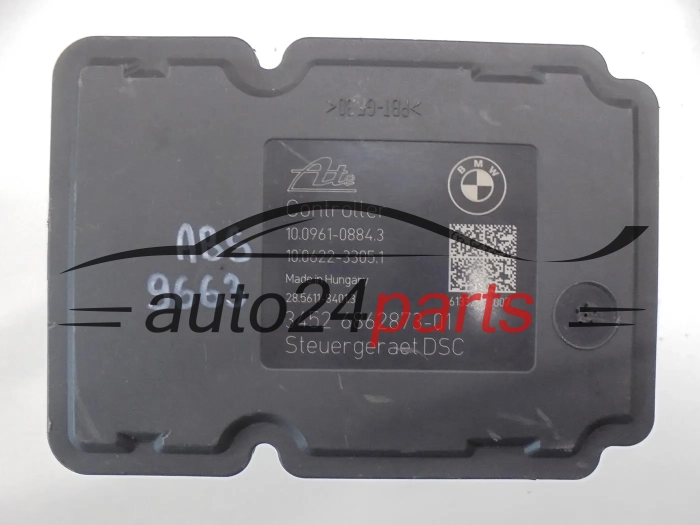
The ABS pump control module (hydraulic unit) is a critical component of your vehicle’s safety system. A failure of this module may cause incorrect operation or complete shutdown of the ABS system, indicated by the ABS warning light (and sometimes the traction/ESP light) illuminating on the dashboard.
Identifying typical symptoms of failure
Before performing any tests, make sure the issue truly originates from the ABS module. Common symptoms pointing to this component include: illuminated ABS/ESP warning lights, lack of ABS function, communication errors with the control unit, and intermittent or constant errors for multiple wheel sensors at once—even when the sensors themselves are working correctly. Remember, the module is responsible for interpreting the signals from these sensors.
Precise computer diagnostics – an essential step
Modern vehicles require specialized equipment for accurate diagnostics. Computer diagnostics using a professional scan tool is essential. Basic, inexpensive OBD-II scanners often cannot communicate with the ABS unit. A proper diagnostic tool must be connected to read ABS-specific DTCs (diagnostic trouble codes). Codes such as C1095 (pump motor failure), internal control module faults, or communication errors are strong indicators of a defective ABS module. Some advanced scanners even allow actuator tests such as activating solenoids or the pump motor, which can confirm mechanical or electronic failure.
Basic electrical checks and power supply
You can rule out wiring issues, but this is only part of the process. The ABS module is powered through a dedicated fuse and relay, which must be inspected. Using a multimeter, check whether correct power supply (+12 V) and ground reach the module’s main connector. Important note: the presence of voltage alone does not mean the module is functional. Failures most commonly occur within the internal electronics (cold solder joints, faulty transistors, micro-cracks), not simply from loss of power.
Why is it difficult to definitively diagnose the module “on the spot”?
Diagnosing an ABS module is complicated because many failures involve micro-cracks in solder joints or faults in delicate internal electronic components—issues that cannot be detected with a basic multimeter. The module is sealed and designed as a non-serviceable unit, and opening it for inspection or repair carries a high risk of further damage. Additionally, the ABS controller works closely with other modules (engine, transmission), making it harder to isolate it as the sole source of the problem. Proper off-car testing requires a specialized test bench that simulates real driving conditions—equipment available only to professional laboratories.
Recommendation – replacement instead of risky repair
Although some companies offer rebuilding services, in most cases the safest and most effective solution is replacing the faulty ABS module with a working original used unit or a new one. This is the approach recommended by most workshops because:
Guaranteed functionality: a used but original module from a verified supplier provides reliable performance in your safety system.
Cost efficiency: the combined cost of diagnostics, repair attempts, and rework often exceeds the price of a tested used replacement.
Safety: the ABS system is crucial for your safety and the safety of others. It is not worth taking risks with components whose failure can have serious consequences.
If computer diagnostics confirm a fault in the ABS pump control module, the most reasonable action is replacing it. Many drivers choose a tested module rather than risking an unsuccessful repair.
Need a reliable ABS control module for your vehicle?
Check available used, original ABS modules and pumps: How to check if an ABS pump control module is working properly.
Frequently Asked Questions
1. What are the most common symptoms of a faulty ABS module?
The most common symptom is the ABS warning light (often together with ESP/traction control) on the dashboard and the absence of ABS function during hard braking.
2. Can a faulty ABS sensor indicate a module failure?
Yes. If diagnostics show errors from multiple sensors at once—but the sensors themselves have been tested and are functional—the problem may be a faulty module misinterpreting or not receiving signals.
3. Can I test the ABS module myself using a multimeter?
You can check basics such as power supply, ground, and fuses. However, internal electronic faults (cold solder joints, transistor failures) cannot be detected with a standard multimeter.
4. What is the most important step in diagnosing the ABS system?
Professional computer diagnostics. The scanner must be capable of direct communication with the ABS controller to read DTCs (such as communication faults or pump motor failure) and run actuator tests.
5. What is the difference between the ABS pump and the ABS module?
The ABS module is the electronic part responsible for data processing and decision-making. The pump is the hydraulic component containing the pump motor and valves (solenoids) that physically modulate brake fluid pressure. Often they form a single, sealed assembly.
6. Can the ABS module be repaired (reconditioned)?
It is possible, but it requires specialist service. Opening a sealed module and repairing delicate electronics carries a high risk of failure and loss of any guarantee. Many mechanics recommend replacement instead.
7. What do ABS communication errors mean?
They indicate that other vehicle modules (e.g., engine control unit) cannot establish communication with the ABS controller. This strongly suggests the electronic module is faulty or not receiving power.
8. Does a replacement ABS module need programming?
Absolutely. A new or used ABS controller must be coded or programmed to the vehicle (adaptation), so it recognizes the VIN, configuration (engine, transmission), and operates correctly.
9. Can I drive with a faulty ABS system?
Although basic braking still works, the ABS (anti-lock braking system) is disabled. Driving without ABS is dangerous, especially in poor road conditions, and is not recommended.
10. Why choose a used original part instead of a new or rebuilt one?
A used original OEM part from a reliable supplier offers proven quality and often greater reliability at a significantly lower price compared to new units or risky repairs.