


A faulty transmission control module (TCM) most often causes limp mode with the gearbox stuck in one gear, harsh jolts when you select D or R, erratic gear changes, flashing PRND letters and a gearbox or engine warning light. However, the same symptoms are often caused by a low gearbox oil level, a weak battery, a poor earth or a faulty sensor. To test a transmission control module, start by checking the battery and reading the fault codes with a diagnostic tool that can talk to the gearbox control unit, then check the power supply, the connector, the oil and the live data. Below we explain the symptoms, the diagnostic steps and what the most common fault codes mean.
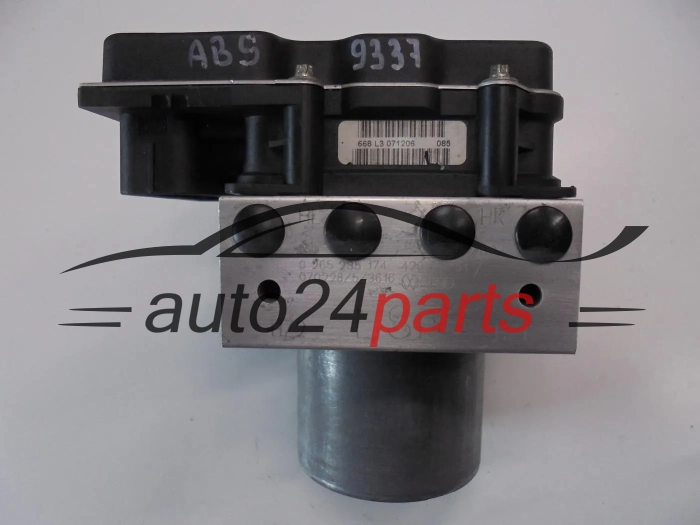
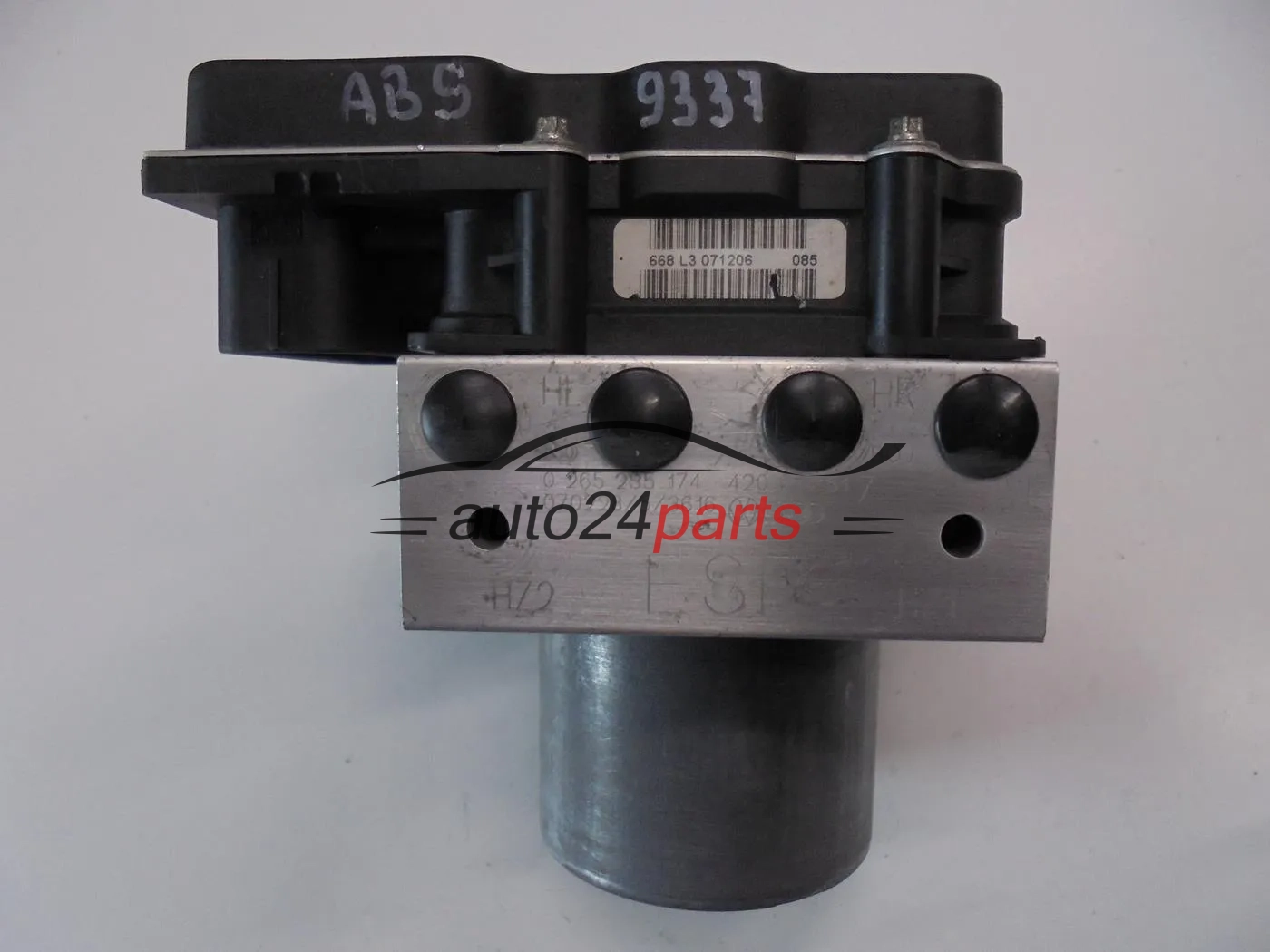
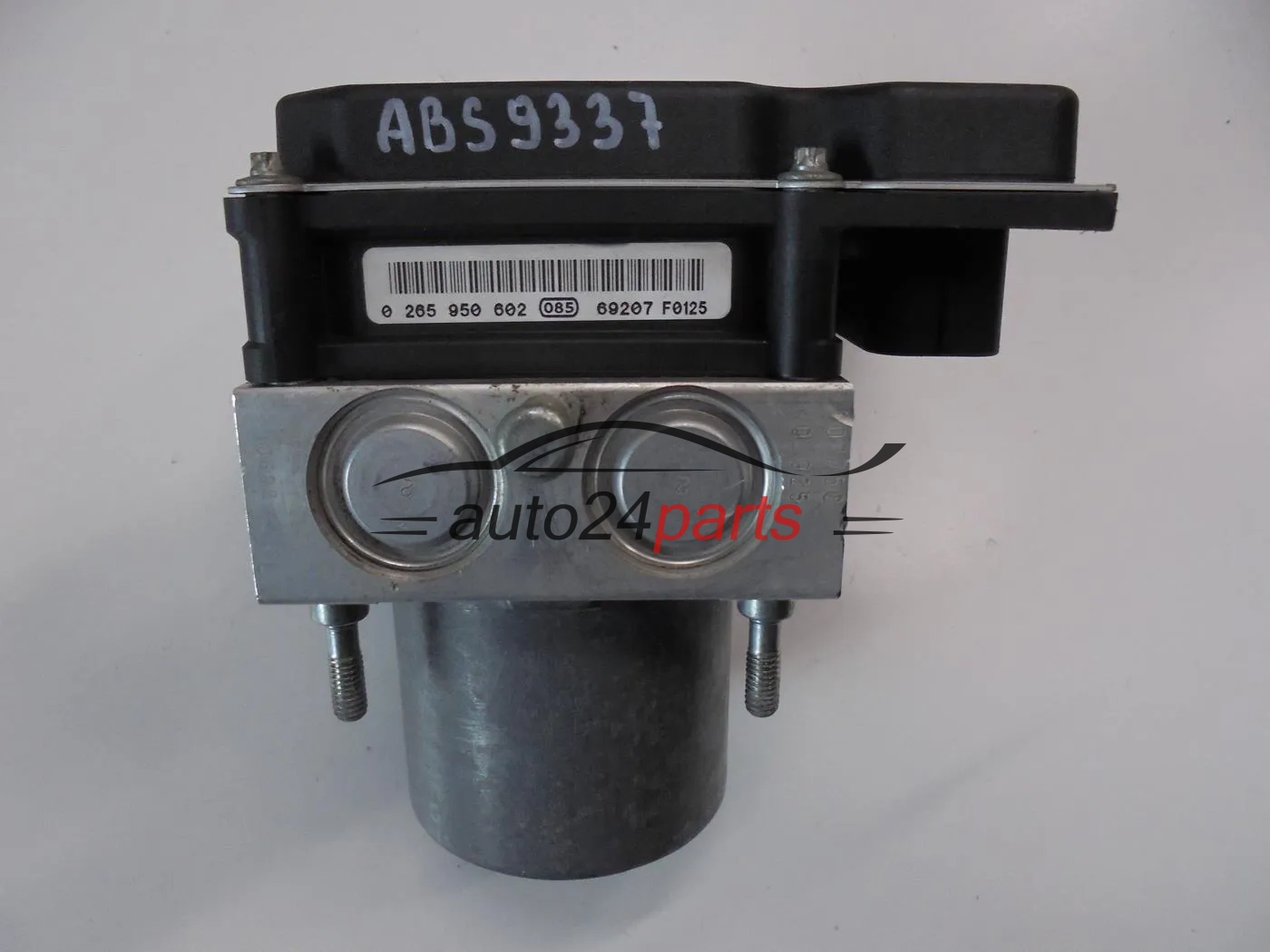
ABS pump and control module Audi Bosch 420614517 0265235174 420910517020 0265950602
Vendors's code: 0265950602
Product code: ABS_420910517020
Barcode:
Code 39:
ISBN:
€569.11
Price
€569.11
€700.00
Price
€700.00

Ask about the product
ABS pump and control module Audi Bosch 420614517 0265235174 420910517020 0265950602
Administratorem danych osobowych jest Auto24parts. Przetwarzamy je w celu przesłania odpowiedzi na zapytanie. Więcej informacji dotyczących przetwarzania danych osobowych znajduje się w polityce prywatności.
Shipping
from
€30.00
-
shipping
(Poland)
from
€30.00
-
shipping
(Poland)
Price 30 euros applies shipments to 5 kg on worldwide. Above this weight, please contact us by email to check price
Shipping cost for the selected product
The shipping cost applies to this product (in the selected variant - if applicable). It may change after adding other products to the cart.

How do you match ABS pump 420614517 to your car?
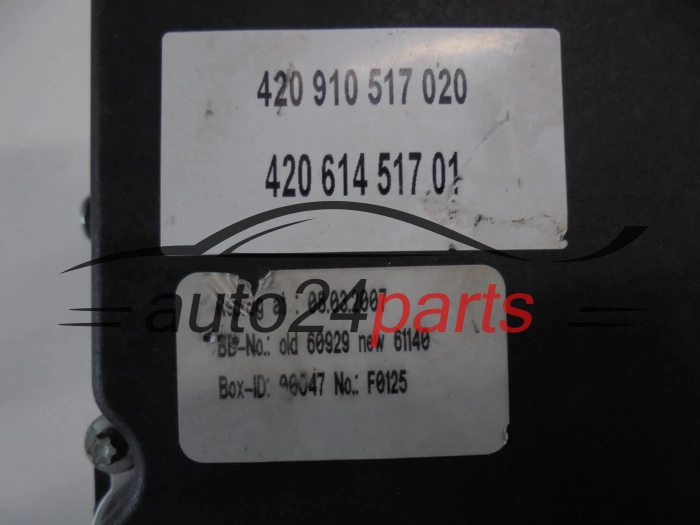
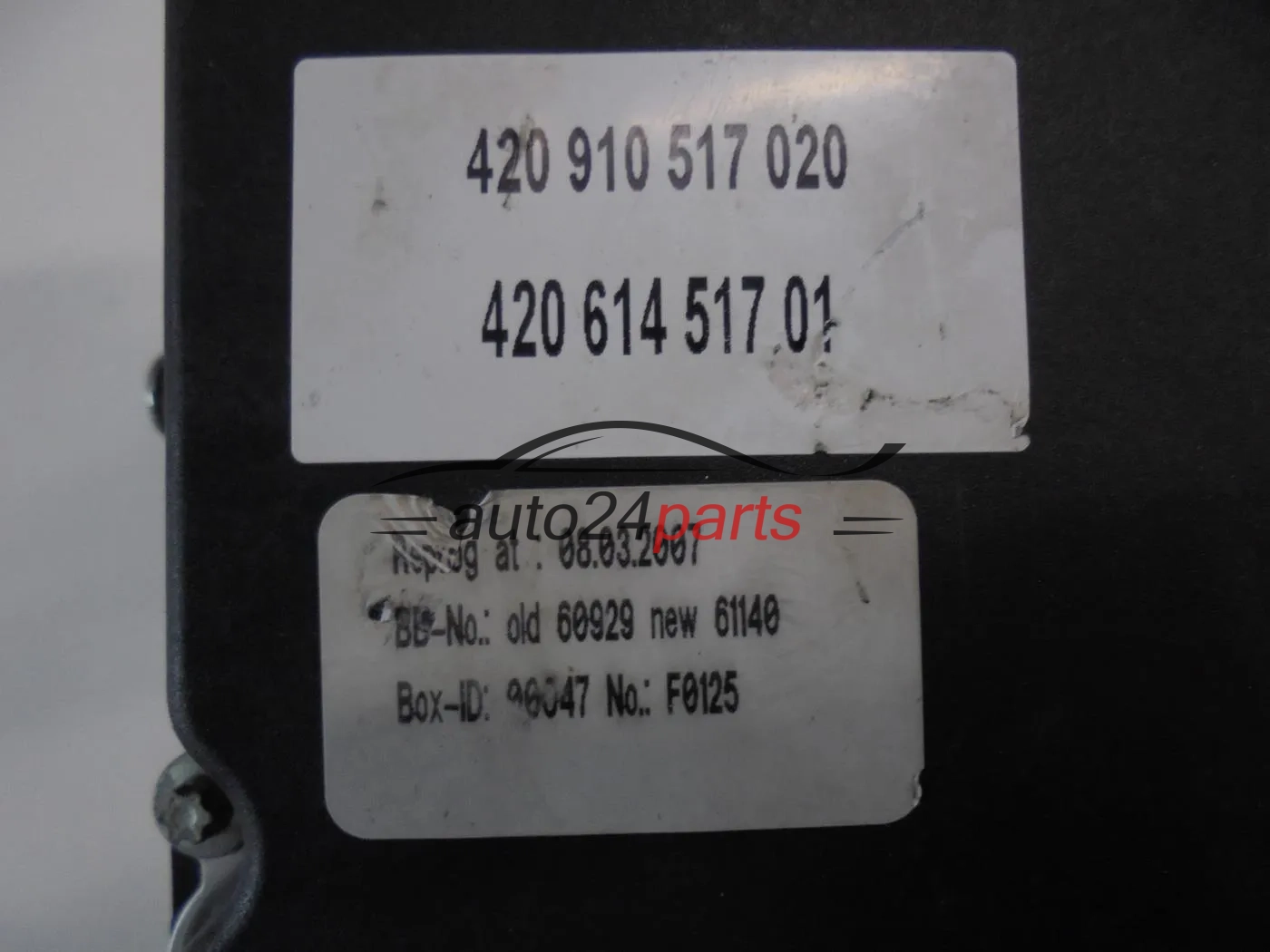
Start with the numbers: VAG 420 614 517 for the pump and 420 910 517 020 for the control module. This is a genuine, used and working Bosch assembly that we offer for Audi.
Bosch ABS assembly 420614517 with control module 420910517020
While you brake, the control module keeps comparing the rotational speeds of the wheels. When one of them slows down more sharply than the others, the module opens and closes the valves in the hydraulic block, and the pump motor restores the pressure in the circuit. As a result the wheel does not lock completely, and the driver can still influence the path of the car. In this item, hydraulic unit 420 614 517 works with control module 420 910 517 020.
Block and control module numbers
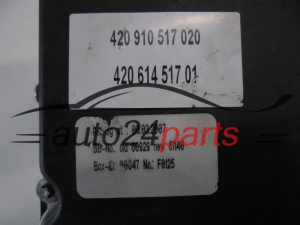
- 420614517 - VAG number of the ABS pump (hydraulic unit), entry: 420 614 517
- 0265235174 - Bosch number of the hydraulic block (pump), entry: 0 265 235 174
- 420910517020 - VAG number of the ABS/ESP control module, entry: 420 910 517 020
- 0265950602 - Bosch number of the control module, entry: 0 265 950 602
The pump numbers are stamped into the aluminium block, and the block bears the marking ‘ESP’. Next to the numbers are the symbols of the brake line ports (HZ1, HZ2, VL, VR, HL, HR), and on the side of the module a Bosch sticker with a serial number barcode. Compare the control module numbers with its label, separately from those on the block.
Typical symptoms of a faulty assembly
Damage to the pump or the control module may be indicated by:
- the ABS warning light on together with the ESP light,
- ABS inactive during braking,
- a pump fault read during diagnostics.
Before you buy the assembly, check the fault memory with a diagnostic tool, as well as the wheel speed sensors, fuses, wires and the plug. After fitting, bleed the brakes; on cars with ESP, sensor calibration is usually carried out as well.
Questions about ABS assembly 420614517
| Which car is this assembly for? |
|---|
| Audi. The match is confirmed by the numbers on the block and the control module, so compare them with your part. |
| Is the part in working order, and what about the warranty? |
| It is used, genuine and in working order. The warranty period is given in the product features table. |
| Does the brake system need bleeding after fitting? |
| Yes, bleeding is necessary after every ABS assembly replacement. |
| Which number is the most important? |
| VAG pump number 420 614 517. The control module number and the Bosch numbers supplement it. |
Do you have a photo of your pump to hand? Send it with your VIN, and we will check the match with this listing.