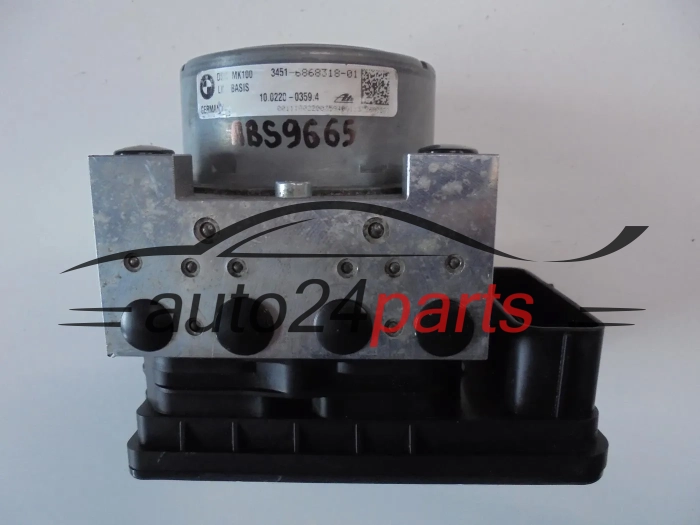
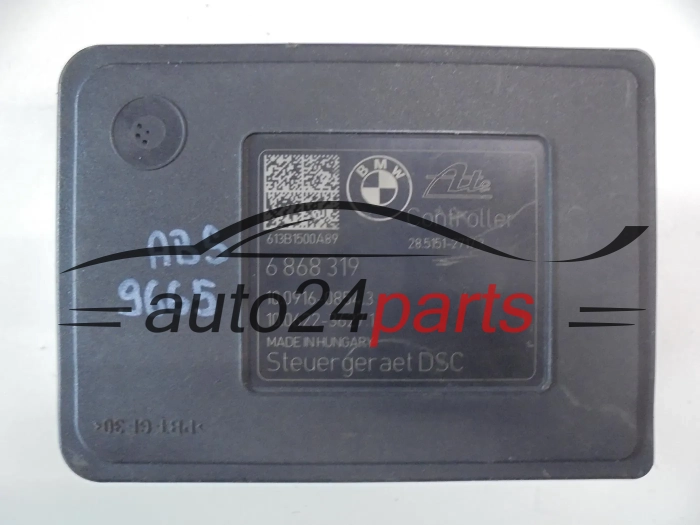
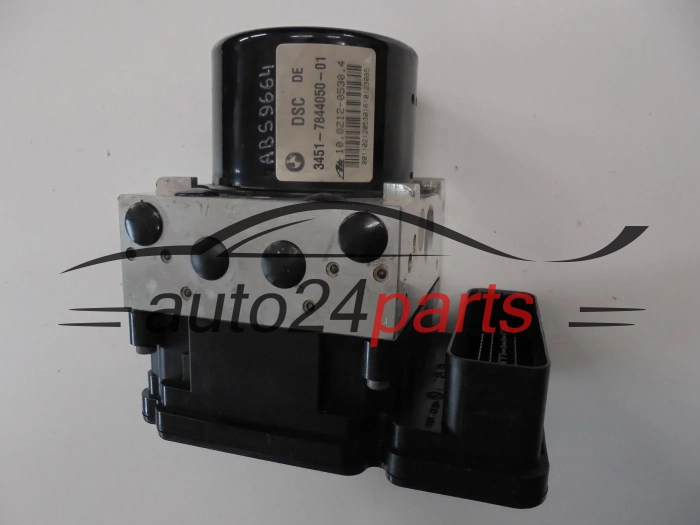
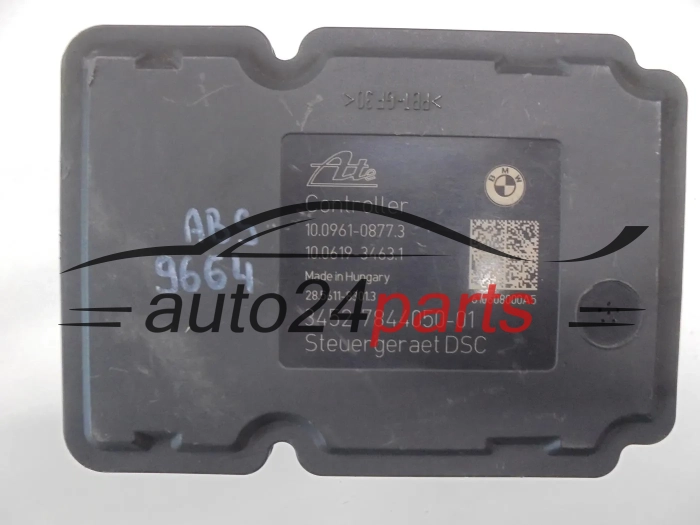
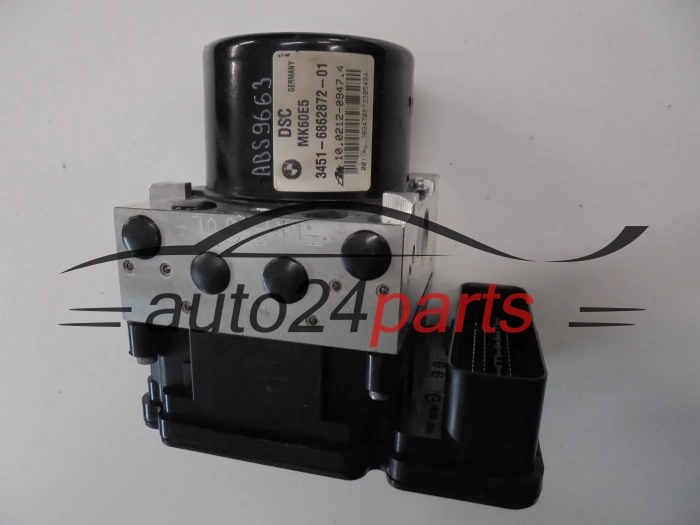
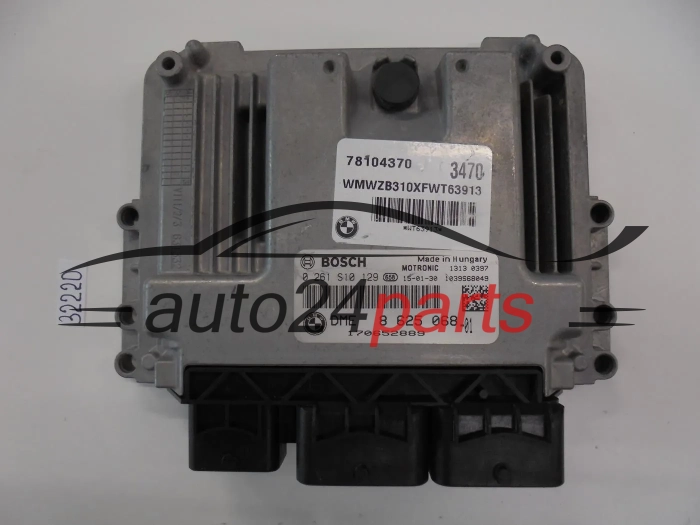
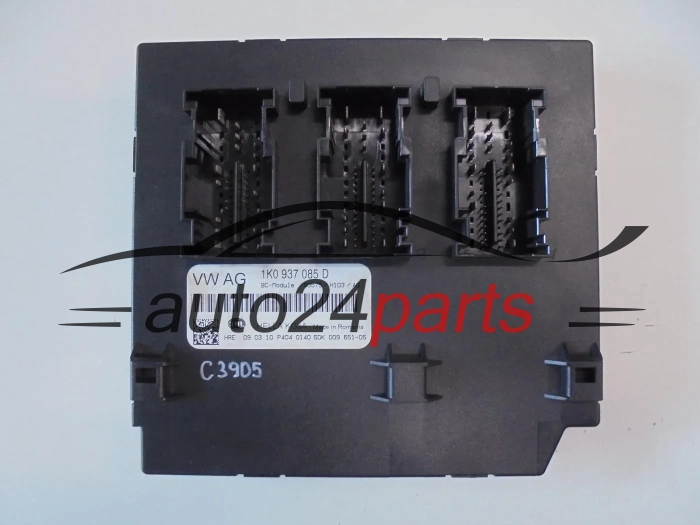
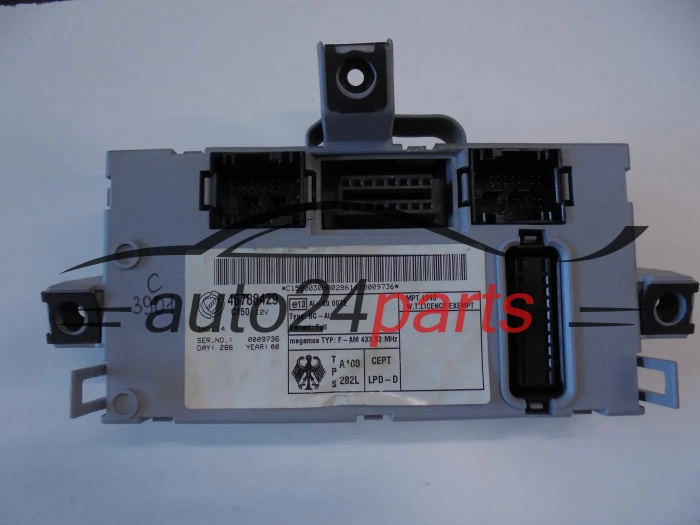
A failure of automotive electronics is every driver’s nightmare, and water is its worst enemy. It only takes a leaky cowl housing, an unfortunate engine wash with a pressure washer, or driving through a deep puddle for moisture to reach the heart of the car – the engine control unit (ECU). What happens when the control computer gets flooded? How can you recognize the symptoms, and why are drying or repair attempts usually a waste of time and money?
Most common symptoms of a flooded engine control unit
Water inside the ECU housing causes short circuits on the delicate PCB traces and corrosion of the pins. Symptoms may appear immediately or—worse—after several days, when moisture begins to eat away at the electronics.
Here are the warning signs that should raise a red flag:
Engine will not start – the starter may crank, but the car won’t fire up because the ECU does not send signals to the injectors or ignition coils.
“Christmas tree” on the dashboard – multiple warning lights suddenly illuminate at once (Check Engine, ABS, ESP, traction control), even though the systems are mechanically sound.
No communication with diagnostic equipment – the mechanic connects an OBD interface but cannot establish communication with the control unit. This is one of the most characteristic symptoms of a completely flooded or burnt ECU.
Rough running and limp mode – the engine misfires, hesitates, won’t rev properly, or runs only on selected cylinders.
Strange behavior of auxiliaries – radiator fans run on a cold engine, the fuel pump runs continuously after turning the key, or temperature gauges behave erratically.
Why repair and drying are a dead end
Many drivers (and unaware mechanics) try to save a flooded ECU. Drying it on a radiator, bathing it in isopropyl alcohol, or handing it to an electronics technician “to take a look” are, unfortunately, only superficial measures.
Why is it not worth doing?
Electrochemical corrosion: Water combined with electrical current rapidly destroys copper traces. Even if you dry the ECU, oxidation has already started. The failure will return—after a week or a month—usually at the worst possible moment (e.g. on the road).
Micro-damage: Water often gets under processors and BGA chips, where it cannot be easily removed or seen with the naked eye.
Cost of diagnosis: A good electronics specialist will charge a lot just for inspection and attempted revival, without giving any guarantee that the ECU will last longer than a month.
Paying for “checking” a flooded ECU is throwing money down the drain. If water got inside, the unit is fit only for disposal.
The solution is simple: choose a used original unit
Instead of wasting nerves on ineffective repairs or spending a fortune on a brand-new ECU at an authorized dealer (where prices often exceed the value of an older car), choose the most reasonable option: buy a used, original control unit.
This is the fastest and safest way to restore the vehicle’s functionality. Why?
Original means quality: A factory ECU (OEM) is perfectly matched to your engine. It’s not a cheap aftermarket substitute that will generate errors.
Time savings: You don’t wait for an electronics diagnosis. You order it, install it (sometimes simple coding or memory transfer for the immobilizer is required), and the car is back on the road.
Peace of mind: Buying from a trusted source means you get a dismantled part that was fully functional until removal.
Where to look for a reliable ECU?
Don’t buy a pig in a poke from random auctions. If you want to be sure the ECU is functional, match it by serial numbers in a professional used-parts store.
At Auto24Parts we stock thousands of original ECUs for nearly every car brand. Don’t play with drying and risky repairs. Find the right ECU for your car here: Auto24Parts – Engine Control Units. Replace the flooded unit with a proven original and enjoy driving again.
FAQ – Flooded engine control unit: Questions & Answers
1. Will drying a flooded ECU on a radiator or with a hair dryer save it?
We strongly advise against such attempts. Even if visible water evaporates, moisture that has penetrated under integrated circuits (processors, BGA memories) remains. Worse still, water combined with electrical voltage (even residual) causes immediate electrolysis and corrosion of traces. Such an ECU may work “for a while,” but corroded connections will fail at the most unexpected moment, e.g. during overtaking. Drying only masks the problem—it does not solve it.
2. Can a flooded ECU be repaired in an electronics service?
Technically it is possible, but in 90% of cases it is uneconomical and risky. Repairing a flooded ECU requires ultrasonic cleaning, soldering microscopic traces, and replacing corroded components. The hourly rate of a skilled electronics technician is high and often exceeds the price of a working used ECU. Moreover, no one can honestly guarantee a component that has been attacked by water—corrosion continues even after cleaning.
3. What are the most misleading symptoms of a flooded ECU?
The biggest issue is lack of communication with a diagnostic tool (OBD). Mechanics often look for faults in wiring harnesses, fuses, or sensors, generating labor costs. Another misleading symptom is random illumination of warning lights unrelated to the engine (e.g. ABS, airbags), suggesting failures of other systems, while the culprit is the main ECU misinterpreting signals on the CAN network.
4. Do I have to buy an ECU with exactly the same numbers?
Yes, this is crucial for correct engine operation. Manufacturers (Bosch, Siemens, Delphi, Magneti Marelli) use different ignition maps and software even in the same car models, depending on year or equipment. At Auto24Parts we recommend verifying OEM numbers (found on the housing). If the numbers match, you can be sure the ECU is compatible with your engine hardware.
5. Will the car start immediately after installing a used ECU (“Plug & Play”)?
In most modern vehicles the ECU is paired with the immobilizer (anti-theft system). After installing a “new” used ECU, it may be necessary to adapt it to the car or remove the immobilizer lock. This is a standard procedure performed by any auto electrician. Sometimes it’s enough to transfer the EEPROM memory from the old (flooded) ECU to the purchased unit—this is far cheaper and more reliable than attempting to repair the flooded main board.
6. Why choose a used original instead of a “cheap replacement”?
For engine ECUs, the market for “cheap replacements” practically doesn’t exist. The only alternative is a factory-new ECU from an authorized dealer, which usually costs several to tens of thousands of PLN, often exceeding the value of an older car. A used, original ECU from a reliable source (like Auto24Parts) is the same component installed at the factory, available at a fraction of the new price.
7. How does water get into the ECU if it’s in a closed housing?
The most common cause is clogged drains in the cowl area. Rainwater, instead of draining away, accumulates under the windshield, where the ECU is often mounted. When the water level rises, the ECU housing seal (which hardens with age) lets moisture inside. Another cause is improper engine washing with a pressure washer—the strong jet can breach connector seals.
8. Does diagnosing a flooded ECU at a workshop make sense?
If you are sure the ECU was submerged or you see corrosion marks (greenish deposits on contacts), paying for diagnosis is a waste of money. Opening, microscopic inspection, and bench testing generate costs better spent on a working replacement. A flooded ECU qualifies for replacement—the sooner you do it, the sooner the car is back on the road.
9. Where do the ECUs offered by Auto24Parts come from?
Our parts come from legal vehicle dismantling, mainly from Western European markets. They are removed from technically functional cars (e.g. after body damage), not from flood-damaged vehicles. We store them in dry warehouses, ensuring the electronics are not corroded or damp.
10. Does ECU replacement require a visit to an authorized dealer?
No. Authorized service centers usually refuse to install used parts and insist on purchasing new components for thousands of PLN. Replacement and adaptation of a used ECU can be easily carried out by an independent workshop specializing in automotive electronics. This is a standard and widely available service.
11. What should I do with the old, flooded ECU?
If you decide to buy another ECU, keep the old one until you visit an electronics specialist. It can serve as a data “donor”—often the memory contents can be read (if the memory chip itself wasn’t physically destroyed by a short circuit) and written to the purchased ECU (so-called 1:1 cloning). This way the car retains the original mileage, VIN, and immobilizer settings.
12. Can I return the ECU if it turns out the fault lies elsewhere?
Yes. When buying from Auto24Parts online, you have the right to return the product in accordance with applicable consumer regulations (usually 14 days). This gives you comfort you don’t have when attempting to repair an old ECU—if the repair fails, you usually still pay for labor. Buying from us is therefore a safer financial option.
13. How can I protect the “new” ECU from being flooded again?
Before installing the purchased ECU, be sure to eliminate the cause of the previous failure. Most importantly, clear the cowl drainage channels (often clogged with leaves and dirt). Also check the condition of the plastic housing seal where the ECU is located. Some mechanics additionally use special splash shields if a given car model has a design flaw that promotes flooding.