







For an Astra G or Zafira A, an HSFI 2.1 Virgin ECU programmed with the Car Pass code is enough, or a three-part set. In a Corsa C or Combo with a CAN bus immobiliser, the Plug & Play set has five parts, and the ECU on its own will not start the engine without programming.
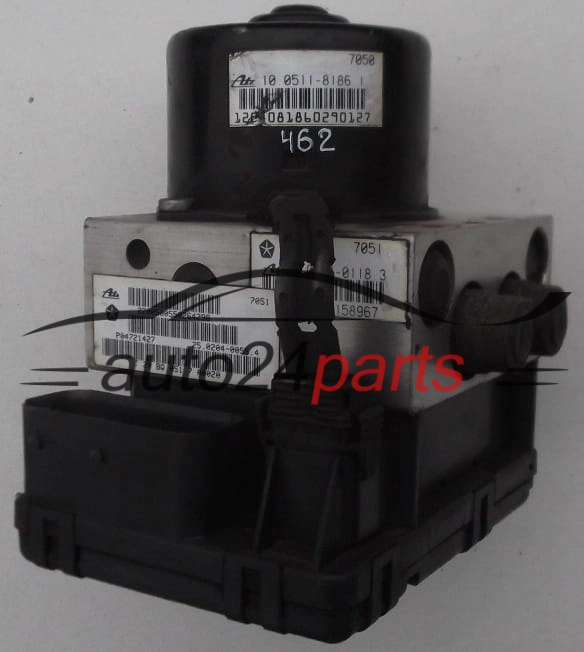
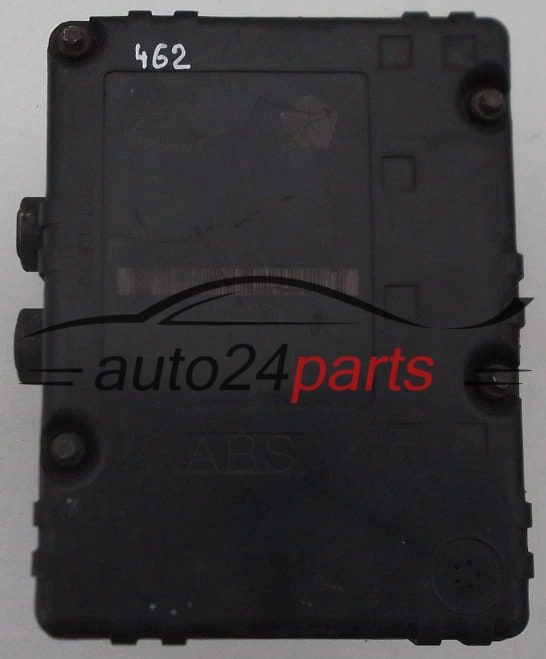
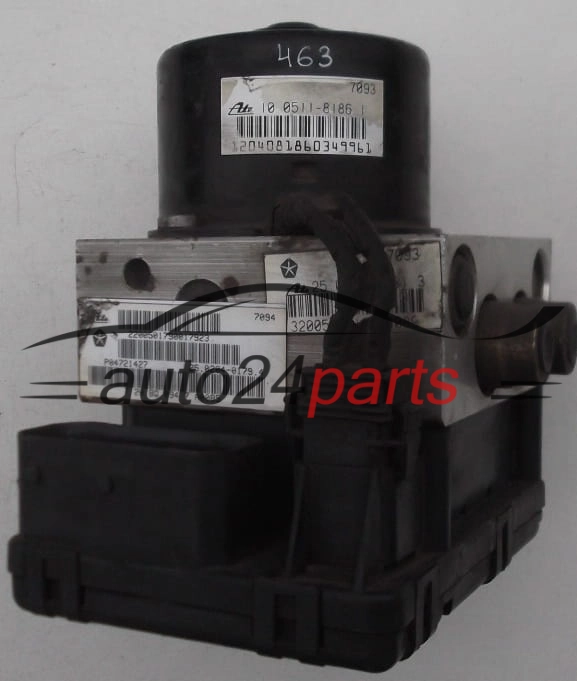
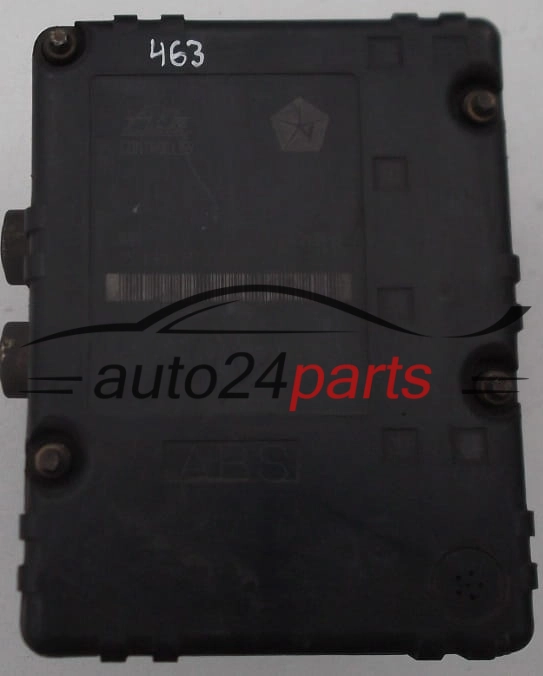
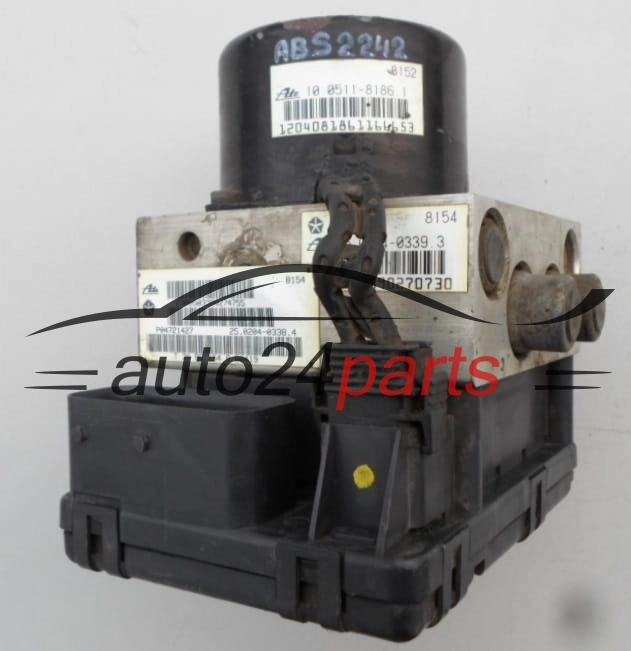
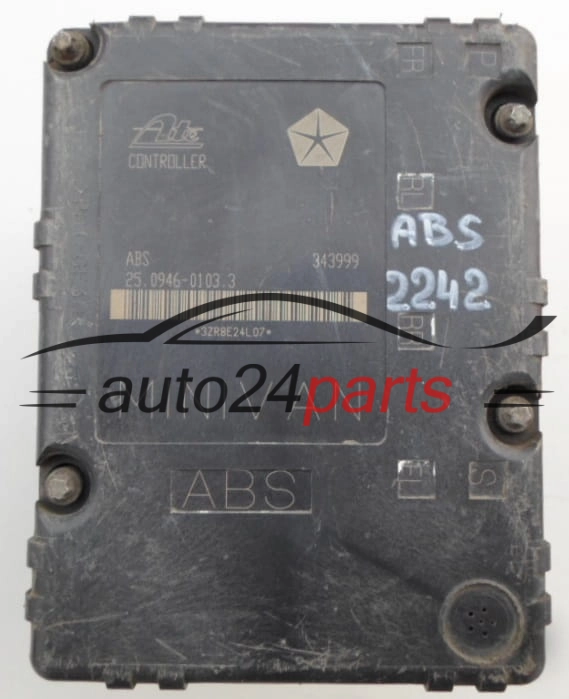
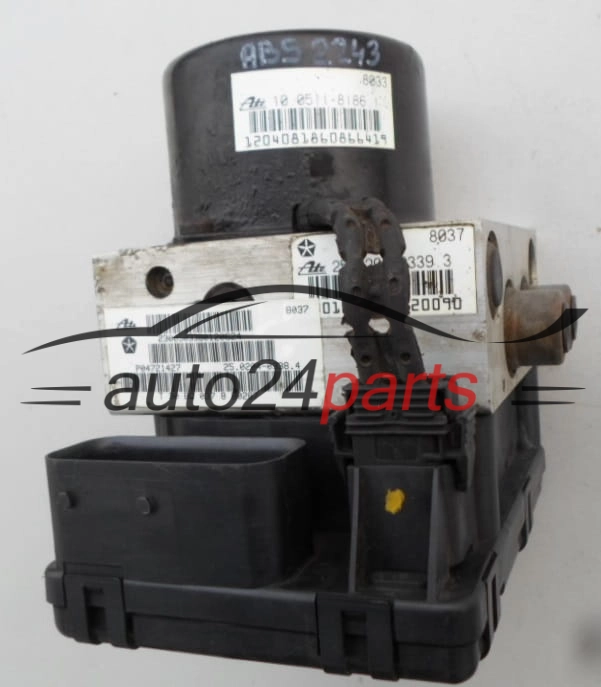
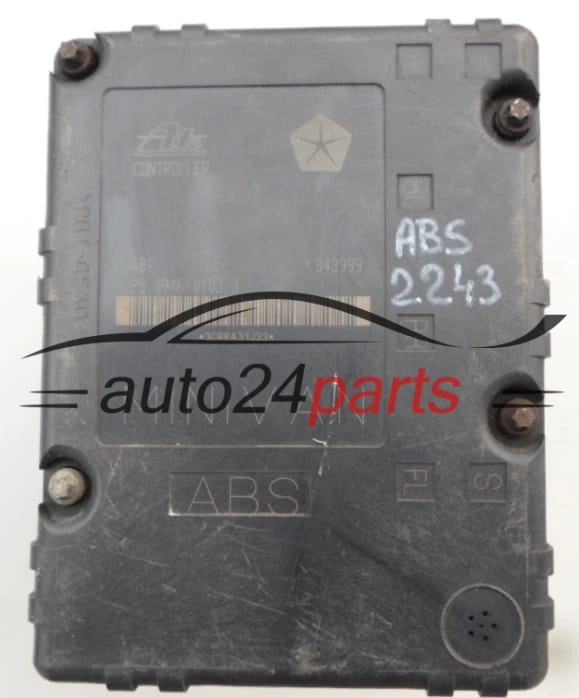
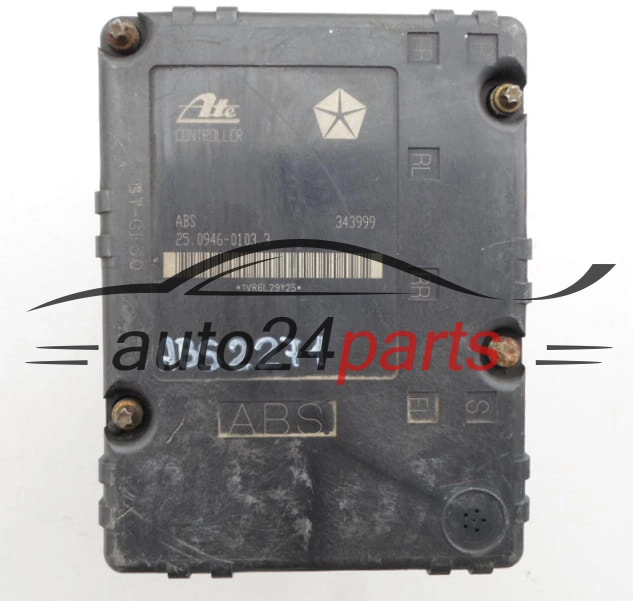
ABS pump and control module Chrysler ATE P04721427 10051181861 25020400554 25020401183 25094601033
Vendors's code: P04721427
Product code: 25094601033
Barcode:
Code 39:
ISBN:
195,12 zł
Price
195,12 zł
240,00 zł
Price
240,00 zł

Ask about the product

ABS pump and control module Chrysler ATE P04721427 10051181861 25020400554 25020401183 25094601033
Administratorem danych osobowych jest Auto24parts. Przetwarzamy je w celu przesłania odpowiedzi na zapytanie. Więcej informacji dotyczących przetwarzania danych osobowych znajduje się w polityce prywatności.
Shipping
from
120,00 zł
-
shipping
(Poland)
from
120,00 zł
-
shipping
(Poland)
Price 30 euros applies shipments to 5 kg on worldwide. Above this weight, please contact us by email to check price
Shipping cost for the selected product
The shipping cost applies to this product (in the selected variant - if applicable). It may change after adding other products to the cart.

P04721427 and 25.0946-0103.3 - are these the numbers on your ABS?
A used, working, genuine ABS pump and control unit for a Chrysler Voyager. We do not state the model - matching is done by numbers. The full list to compare is below.
ABS for Chrysler Voyager - P04721427 and five numbers to check against
This ABS unit comes from a Chrysler-brand car. We do not state the model - matching is done by numbers. The unit is used, working and genuine. Below we have gathered all the numbers in the listing. They include the part number (OEM) P04721427 and four ATE numbers. You do not need a table in your head - a plain sheet of paper will do: write down the numbers from your part and tick off the ones that match.
List of numbers
- P04721427 - OEM part number: P04721427
- 10051181861 - ATE number: 10.0511-8186.1
- 25020400554 - ATE number: 25.0204-0055.4
- 25020401183 - ATE number: 25.0204-0118.3
- 25094601033 - ATE number: 25.0946-0103.3
Two ATE numbers begin the same way (25.0204) and differ only in the ending: 0055.4 and 0118.3. They are easy to mix up, so read each one to the end. We do not assign a number to a specific component of the unit.
Signs that the problem may lie in the ABS
What usually leads people to check the unit:
- the ABS warning light on after start-up,
- a pump or valve fault stored in memory,
- no communication with the ABS control unit.
Not every ABS warning light means a faulty module. A damaged sensor or a poor connector gives similar symptoms. Read the fault codes first, then decide. After replacing the unit, bleed the brake system. If the module needs configuring, this is done with a scanner.
What else is worth knowing
| Why do not you state the model? |
|---|
| Because matching is done by numbers. A match on P04721427 and the ATE numbers matters more than the model name. |
| Which ATE number is the most important? |
| None on its own. Compare them all: 10.0511-8186.1, 25.0204-0055.4, 25.0204-0118.3 and 25.0946-0103.3. |
| Is the unit used? |
| Yes. It is used, working and genuine. The warranty is described in the product features table. |
| My number has different letters at the end. Is it the same? |
| Do not assume so. The letters at the end of a number can indicate a different version. Compare numbers in full. |
Copy out the numbers from your part and write to us. We will help you compare them with the numbers in this listing.

