







For an Astra G or Zafira A, an HSFI 2.1 Virgin ECU programmed with the Car Pass code is enough, or a three-part set. In a Corsa C or Combo with a CAN bus immobiliser, the Plug & Play set has five parts, and the ECU on its own will not start the engine without programming.
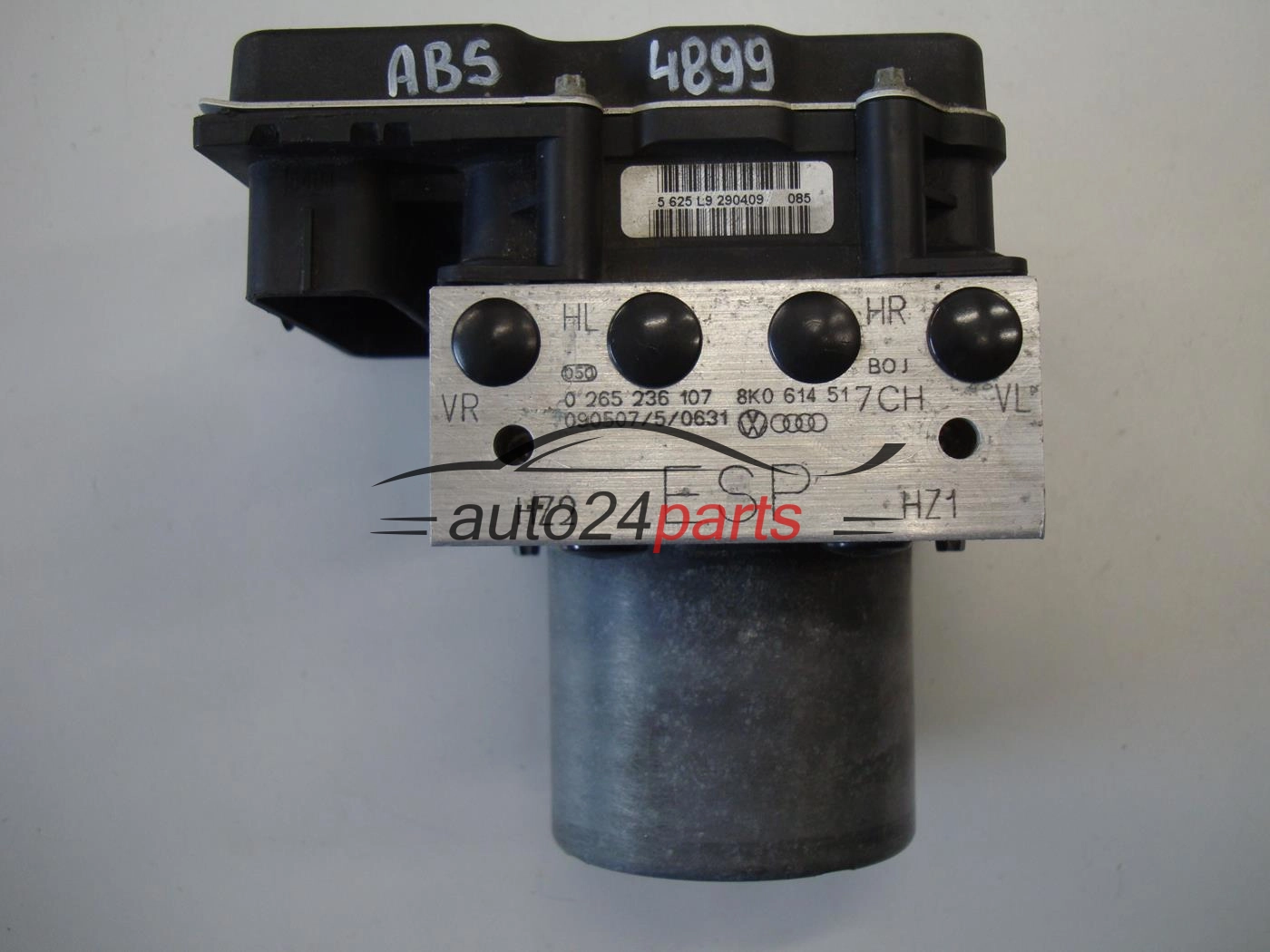
ABS pump and control module Audi Bosch 8K0614517CH 0265236107 8K0907379AG 0265950965
Vendors's code: 0265236107
Product code: BDE5-278FE
Barcode:
Code 39:
ISBN:
1 300,81 zł
Price
1 300,81 zł
1 600,00 zł
Price
1 600,00 zł

Ask about the product

ABS pump and control module Audi Bosch 8K0614517CH 0265236107 8K0907379AG 0265950965
Administratorem danych osobowych jest Auto24parts. Przetwarzamy je w celu przesłania odpowiedzi na zapytanie. Więcej informacji dotyczących przetwarzania danych osobowych znajduje się w polityce prywatności.
Shipping
from
120,00 zł
-
shipping
(Poland)
from
120,00 zł
-
shipping
(Poland)
Price 30 euros applies shipments to 5 kg on worldwide. Above this weight, please contact us by email to check price
Shipping cost for the selected product
The shipping cost applies to this product (in the selected variant - if applicable). It may change after adding other products to the cart.

Is 8K0614517CH the number on your ABS pump?
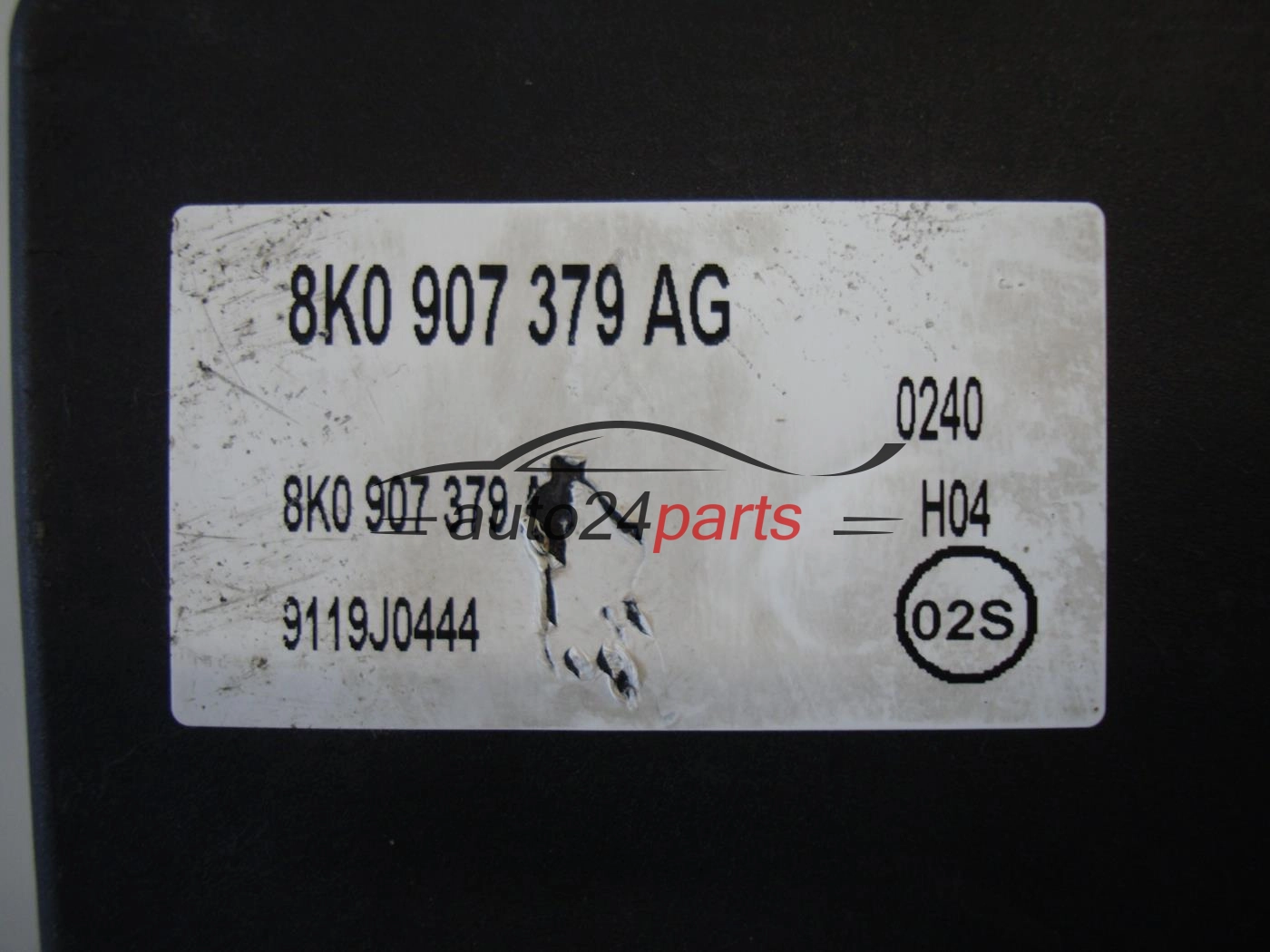
If so, check the control module too - this used, working Bosch unit for Audi has module 8K0 907 379 AG. Both numbers should match yours.
Bosch ABS pump 8K0614517CH complete with ESP control module
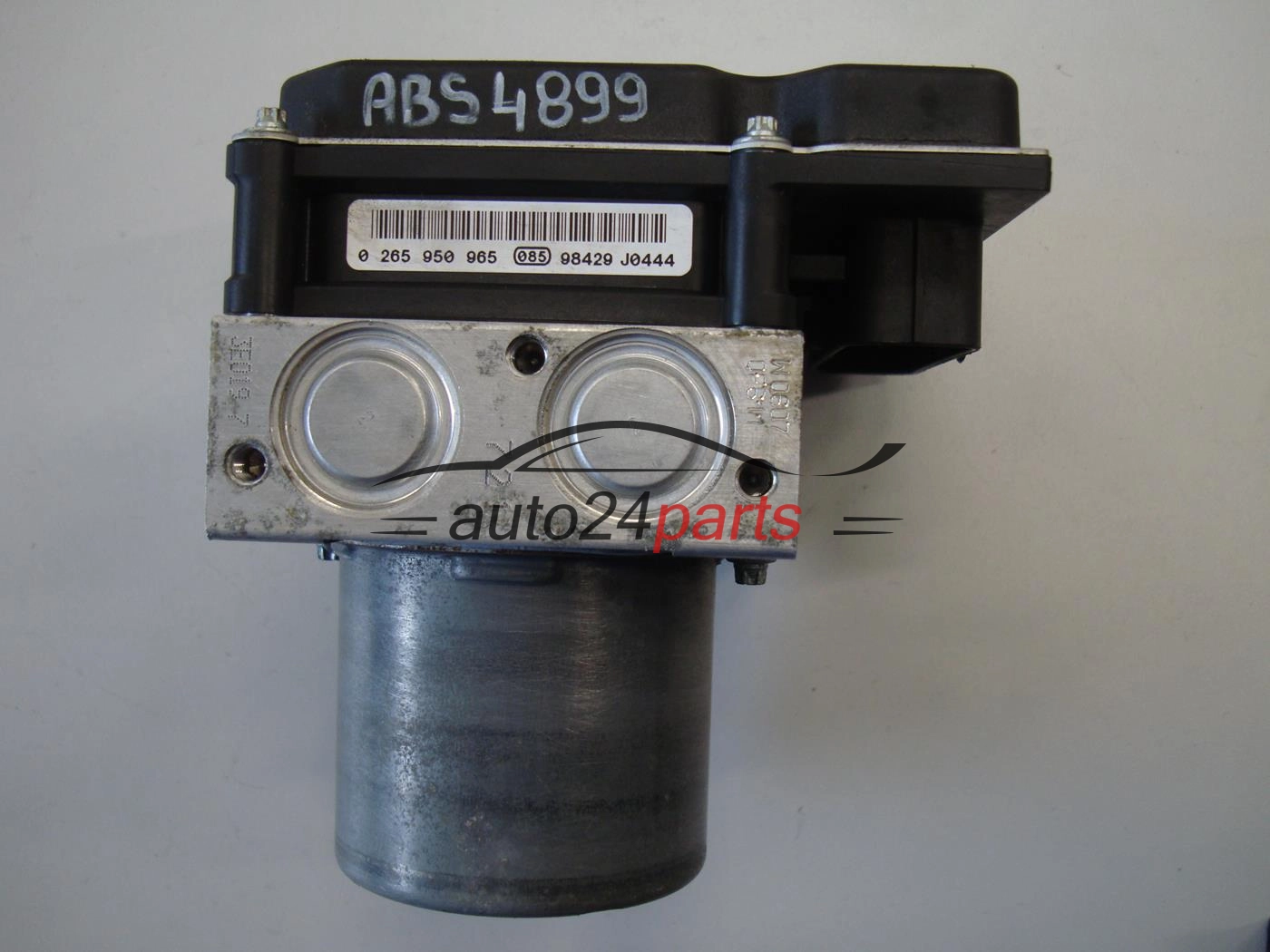
With a fault that cannot be pinned on one component alone, it is simpler to replace the hydraulic unit as a whole. Here you are buying the pump with block 0 265 236 107 and the module 0 265 950 965 attached to it, marked ‘ESP’.
VAG and Bosch markings on this unit
- 8K0614517CH - VAG number of the ABS pump (hydraulic unit), marked on the block: 8K0 614 517 CH
- 0265236107 - Bosch number of the hydraulic block (pump): 0 265 236 107
- 8K0907379AG - VAG number of the ABS/ESP control module, given as 8K0 907 379 AG
- 0265950965 - Bosch number of the control module, on the module label: 0 265 950 965
The block numbers are engraved in the metal, where the ports are also labelled HZ1, HZ2, VL, VR, HL and HR, while the module numbers are on the label on its housing. Among the 35 other versions of this pump in our shop, this one is distinguished by the CH ending - start your comparison there.
Symptoms pointing to the ABS unit
Check the hydraulic unit if you notice:
- the scan tool cannot see the ABS control module,
- an illuminated ABS warning light,
- a pump motor fault stored in memory.
The cause may also be a wheel sensor, a fuse, the connector or the battery, so start by reading the faults. After fitting, bleed the system, code the module with a scan tool and carry out a basic setting of the ESP sensors.
Questions about pump 8K0614517CH
| Which cars is the pump intended for? |
|---|
| Audi. The fit is decided by the pump and control module numbers, not by the model name. |
| Does the part come with a warranty? |
| Yes - it is a used, genuine and working unit, and the warranty period is given in the product features table. |
| Will a version with different letters at the end work too? |
| There is no certainty of that. A different suffix may mean a different version of the system, so choose the number that matches yours. |
| Do the brakes have to be bled after replacement? |
| Yes, after fitting the hydraulic block the brake system must be bled. |
We will quickly clear up any doubts about number 8K0614517CH - send your VIN or photos of both markings.

