



For an Astra G or Zafira A, an HSFI 2.1 Virgin ECU programmed with the Car Pass code is enough, or a three-part set. In a Corsa C or Combo with a CAN bus immobiliser, the Plug & Play set has five parts, and the ECU on its own will not start the engine without programming.
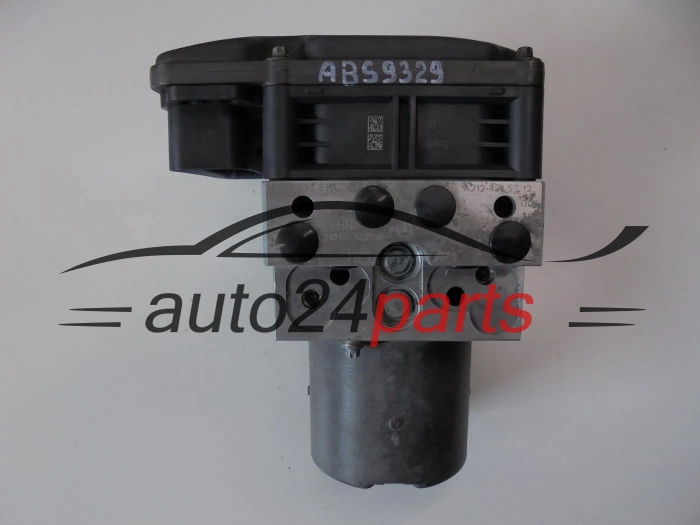
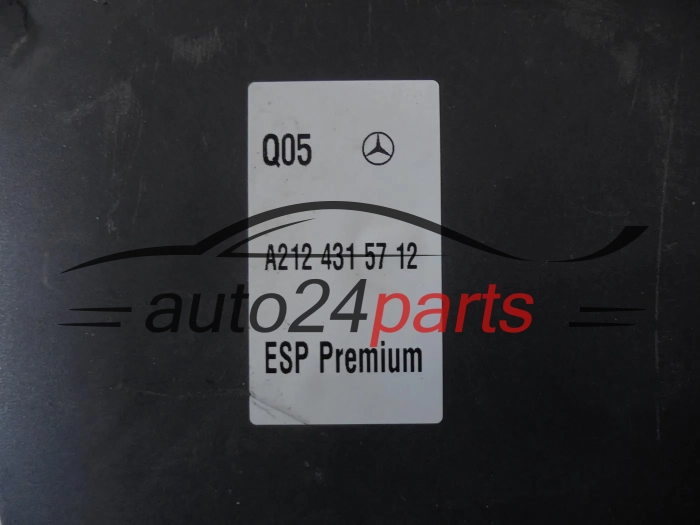
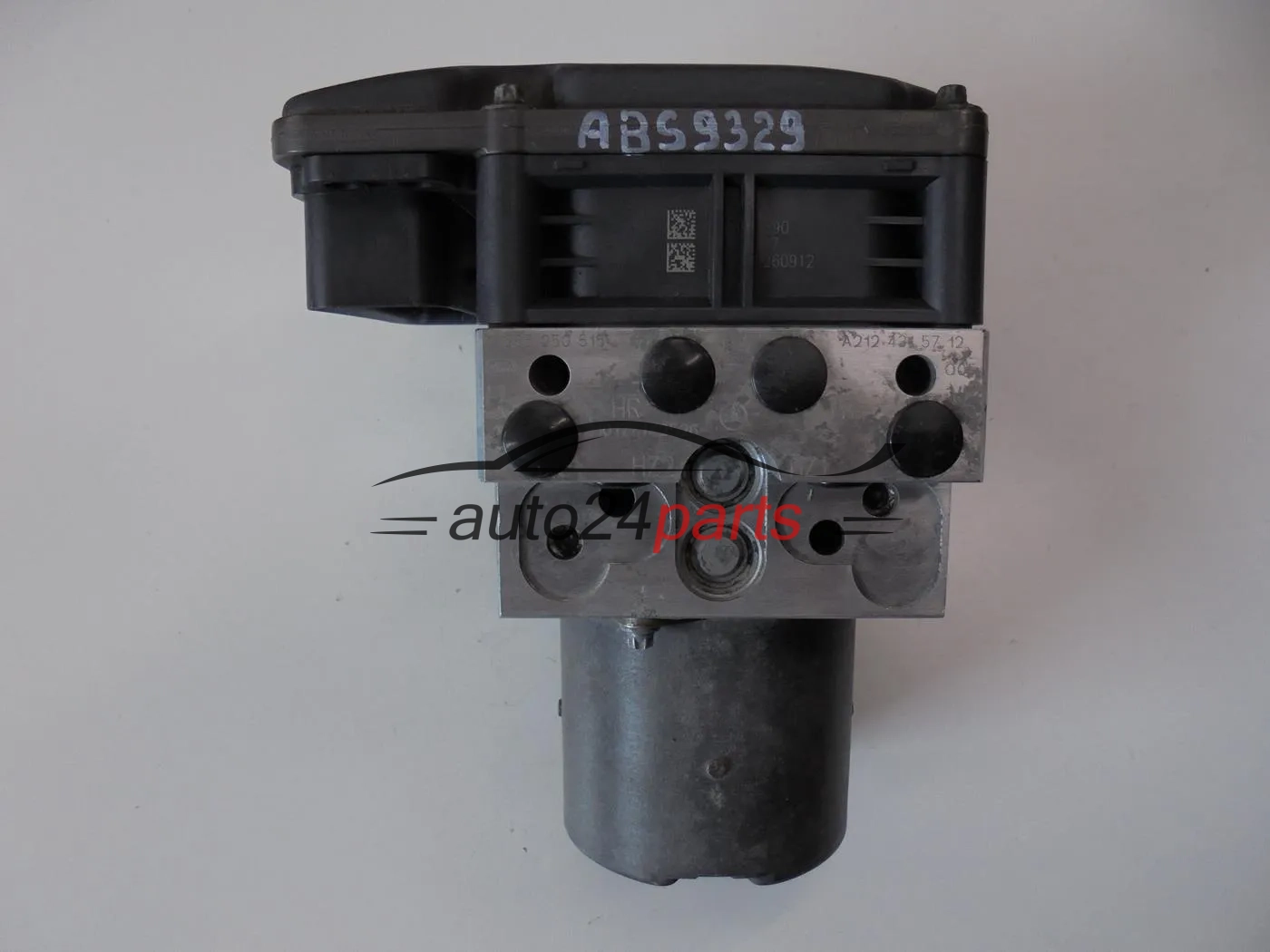
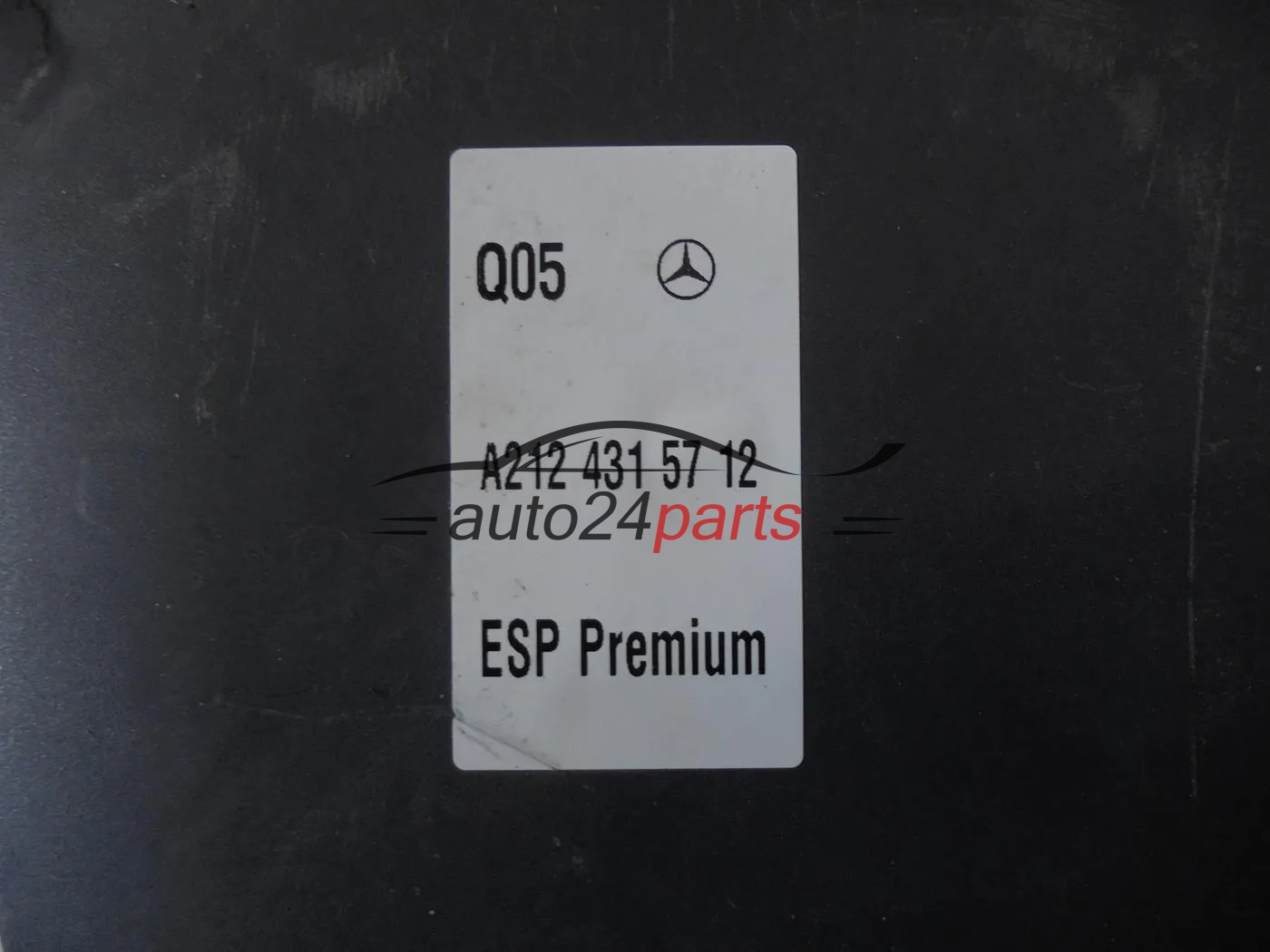
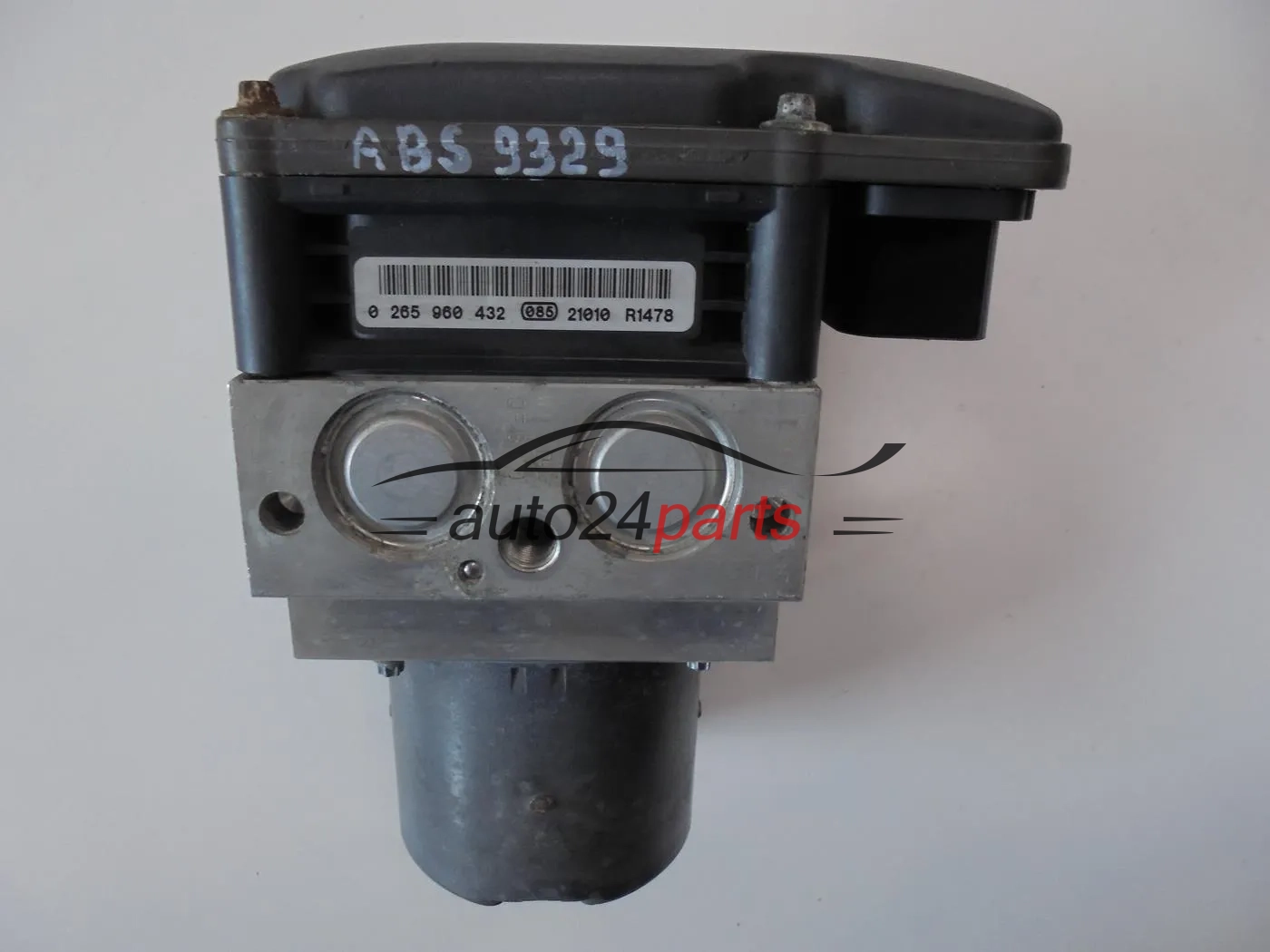
ABS pump Mercedes Bosch A2124315712 0265250515 0265960432
Vendors's code: A2124315712
Product code: 0265250515
Barcode:
Code 39:
ISBN:
€365.85
Price
€365.85
€450.00
Price
€450.00

Ask about the product
ABS pump Mercedes Bosch A2124315712 0265250515 0265960432
Administratorem danych osobowych jest Auto24parts. Przetwarzamy je w celu przesłania odpowiedzi na zapytanie. Więcej informacji dotyczących przetwarzania danych osobowych znajduje się w polityce prywatności.
Shipping
from
€30.00
-
shipping
(Poland)
from
€30.00
-
shipping
(Poland)
Price 30 euros applies shipments to 5 kg on worldwide. Above this weight, please contact us by email to check price
Shipping cost for the selected product
The shipping cost applies to this product (in the selected variant - if applicable). It may change after adding other products to the cart.

Does ABS pump A2124315712 come complete with the control unit?
ABS pump A2124315712 complete with control unit, used and inspected. Compare the numbers with the original in your car.
Is ABS pump A2124315712 the right part for your Mercedes?
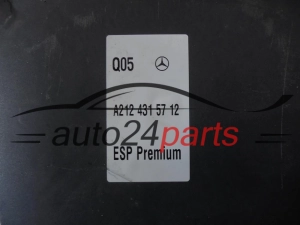
The hydraulic block and control unit of this ABS pump form a single module that works with the wheel speed sensors in Mercedes cars. You will find number A2124315712 on the label, and the full set of numbers is given in the description below. The listing does not state the car model or year, so we do not give them here and match the part by its numbers.
Numbers to compare
You will find the numbers on the labels, while catalogues list them as a single string:
- A 212 431 57 12 (catalogue format: A2124315712), Mercedes number stamped on the hydraulic block,
- 0 265 250 515 (catalogue format: 0265250515), hydraulic block manufacturer's number,
- 0 265 960 432 (catalogue format: 0265960432), control unit number.
Check the numbers on your pump and compare them with those above. If any of them differs, contact us before ordering.
What ABS problems can point to
- the ABS stops working, although basic braking usually remains functional,
- the brake pedal pulses or feels uneven for no obvious reason,
- valve or pump motor faults are stored in the control unit memory,
- the ABS switches itself off shortly after the engine is started.
ABS faults should not be ignored, because without anti-lock protection the car brakes less well on wet or slippery roads. Diagnosis and fitting are best left to a garage with a suitable scanner.
Questions and answers
| Where do I find number A2124315712 on my pump? |
|---|
| The numbers are stamped or printed on the aluminium hydraulic block, and the control unit has a separate sticker. Take a close-up photo of both places in good light. |
| Are the pump and the control unit sold separately? |
| In this listing they are a single module: a hydraulic block with the pump and valves, with the control unit attached to it. |
| Can I send a photo for a compatibility check? |
| Yes. Contact us and send a photo of the numbers on your original pump, and we will help you check whether this module will fit. |
| What condition is this pump in? |
| It is a used original part, inspected before sale. You will find the warranty period in the product features table. |
Want to check before you buy? Send a photo of the block and sticker on your ABS pump and we will check that the numbers match.