



For an Astra G or Zafira A, an HSFI 2.1 Virgin ECU programmed with the Car Pass code is enough, or a three-part set. In a Corsa C or Combo with a CAN bus immobiliser, the Plug & Play set has five parts, and the ECU on its own will not start the engine without programming.
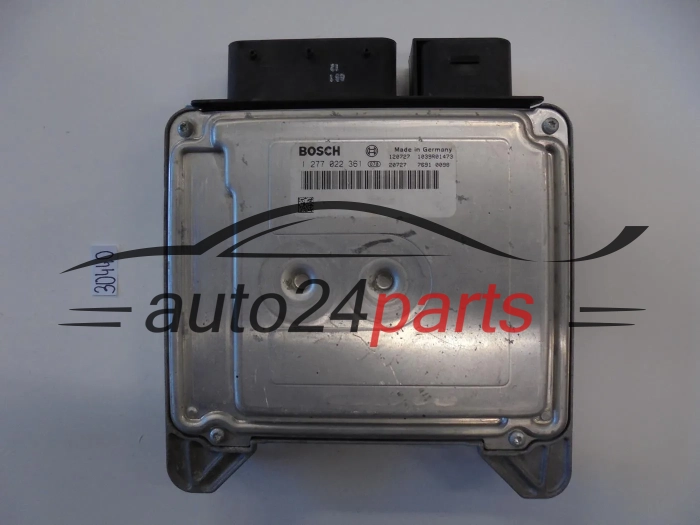
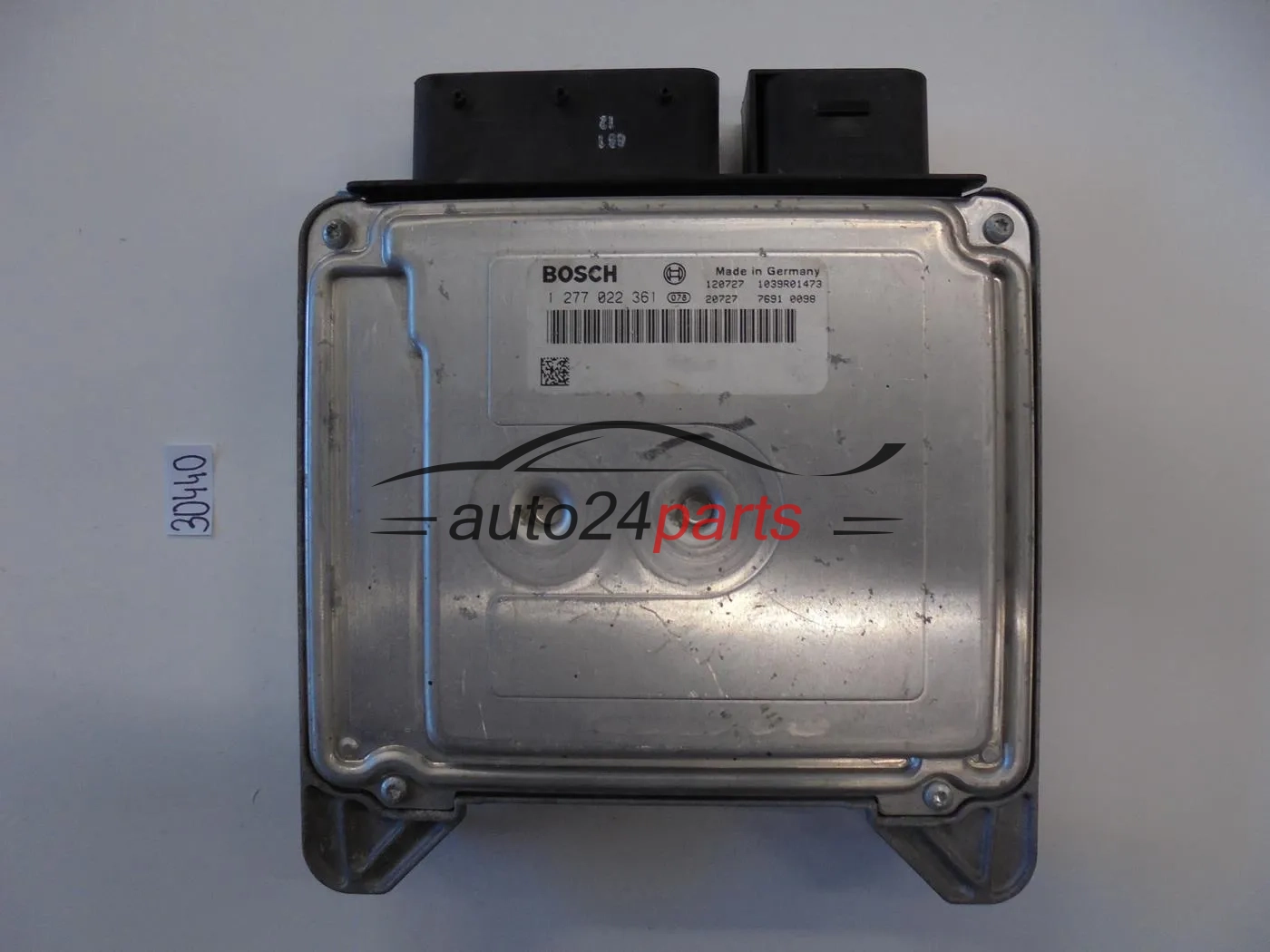
Engine control unit BMW 1277022361
Vendors's code: 1277022361
Product code: EAD2-5629F
Barcode:
Code 39:
ISBN:
1 463,41 zł
Price
1 463,41 zł
1 800,00 zł
Price
1 800,00 zł
In stock
Ask about the product
Engine control unit BMW 1277022361
Administratorem danych osobowych jest Auto24parts. Przetwarzamy je w celu przesłania odpowiedzi na zapytanie. Więcej informacji dotyczących przetwarzania danych osobowych znajduje się w polityce prywatności.
Shipping
from
120,00 zł
-
shipping
(Poland)
from
120,00 zł
-
shipping
(Poland)
Price 30 euros applies shipments to 5 kg on worldwide. Above this weight, please contact us by email to check price
Shipping cost for the selected product
The shipping cost applies to this product (in the selected variant - if applicable). It may change after adding other products to the cart.

Will engine control unit 1277022361 fit your BMW?
Engine control unit 1277022361, used and inspected. Compare the numbers with the original in your car.
Engine control unit 1277022361 for BMW: how to match it by part numbers?
Engine control unit 1277022361 is a used electronic module that manages engine operation. It is intended for BMW, and it is matched by the numbers in the listing, not by the car make alone. The listing does not state the car model or year, so we do not give them in the description and match the part by its numbers.
Numbers to compare
You will find the numbers on the label of the control unit, while catalogues list them as a single string:
- 1277022361, control unit manufacturer's number.
Check the numbers on your control unit and compare them with those above. If any of them differs, contact us before ordering.
Control unit variant
This listing is for a control unit in the following variant(s): Locked / Unlocked. We describe the differences between the variants (locked, unlocked, Virgin, IMMO OFF, Plug and Play, clone, full set) on the ECU preparation options page. Before buying, send us the numbers from the label and we will confirm which variant is available for that number.
Symptoms of a faulty engine control unit
- the engine will not start although the starter motor works and there is fuel,
- the diagnostic tester cannot connect to the control unit,
- the car loses power or goes into limp mode,
- the engine starts and immediately stalls.
Similar symptoms also occur with faulty sensors, bad fuel or worn spark or glow plugs, so start with diagnostics and only then replace the electronics.
Questions and answers
| Are the make and model of the car enough to choose the part? |
|---|
| No. A single model comes with different versions of the control unit, depending on the engine, the software version and the equipment. The most reliable reference is the number on the original control unit. |
| Will the control unit work after fitting without programming? |
| That depends on the variant of the control unit and on the car. Before buying, send us the numbers from the label and we will confirm what is needed. |
| Is this an original control unit? |
| Yes, it is a used original engine control unit, not an aftermarket replacement. You can compare the numbers on the label with the original in your car. |
| Is this a new part? |
| No. We sell used original control units, each one inspected before sale. You will find the warranty period in the product features table. |
Want to check before you buy? Send a photo of the sticker on your control unit and we will check that the numbers match.