





For an Astra G or Zafira A, an HSFI 2.1 Virgin ECU programmed with the Car Pass code is enough, or a three-part set. In a Corsa C or Combo with a CAN bus immobiliser, the Plug & Play set has five parts, and the ECU on its own will not start the engine without programming.
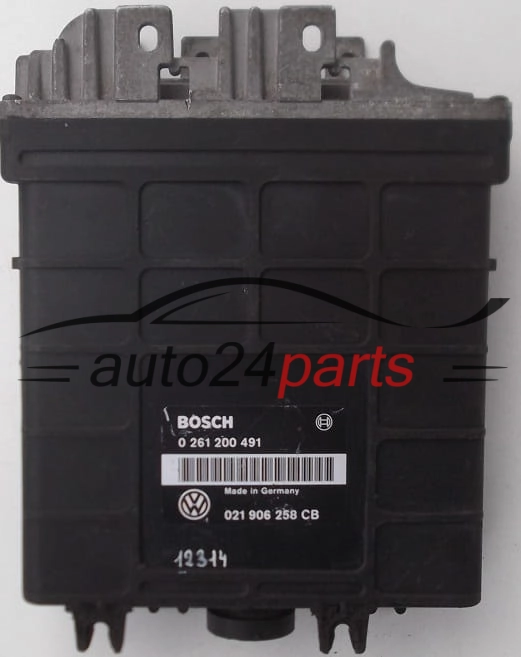
Engine Control Unit Volkswagen Golf, Volkswagen Passat 2.8 Bosch 021906258CB 0261200491
Vendors's code: 0261200491
Product code: 0261200491
Barcode:
Code 39:
ISBN:
£182.39
Price
£182.39
£224.34
Price
£224.34

Select a product option:
Individual variants may differ in price
Ask about the product

Engine Control Unit Volkswagen Golf, Volkswagen Passat 2.8 Bosch 021906258CB 0261200491
Administratorem danych osobowych jest Auto24parts. Przetwarzamy je w celu przesłania odpowiedzi na zapytanie. Więcej informacji dotyczących przetwarzania danych osobowych znajduje się w polityce prywatności.
Shipping
from
£22.43
-
shipping
(Poland)
from
£22.43
-
shipping
(Poland)
Price 30 euros applies shipments to 5 kg on worldwide. Above this weight, please contact us by email to check price
Shipping cost for the selected product
The shipping cost applies to this product (in the selected variant - if applicable). It may change after adding other products to the cart.

Where can I find the number 021906258CB on the ECU casing?
VW number 021906258CB and Bosch number 0 261 200 491 are printed on the label on the ECU casing. This is a used, working Bosch engine control unit for the Volkswagen Golf and Volkswagen Passat with a 2.8 petrol engine.
Engine Control Unit Volkswagen Golf, Volkswagen Passat 2.8 Bosch 021906258CB 0261200491
The 2.8 petrol engine in the Volkswagen Golf and Volkswagen Passat needs an ECU that continuously matches the fuel quantity and ignition timing to the load. This role is performed by the Bosch 021906258CB unit. A Bosch number starting with 0 261 confirms that this ECU is designed for a petrol engine.
Numbers to compare
- 021906258CB – VW part number
- 0261200491 – Bosch number, on the label 0 261 200 491
The final letters of the VW number (here CB) denote the software or hardware version. An ECU with a different ending may contain different data, so compare the full number with the label before ordering.
What may indicate a fault?
- the engine will not start, although there is a spark at test plugs and fuel in the rail,
- misfires on several cylinders with no fault in the coils or spark plugs,
- stored faults indicating damage to the ECU itself,
- the effects of a voltage surge, e.g. after an incorrect jump start.
First measure the voltage at the connector and check the earths – only once these have been ruled out is it worth replacing the ECU.
ECU preparation status
This listing has no versions to choose from. We confirm with you the preparation status of the 021906258CB ECU and what needs to be done after fitting (e.g. matching to the car) before you buy.
You will find a general description of the possible options on the ECU preparation options page.
Questions and answers
| Does the 021906258CB ECU fit the Golf and Passat 2.8? |
|---|
| According to our data, yes, but what decides is whether the full number matches the label on your ECU. |
| Does the number 0261200491 mean a petrol ECU? |
| Yes, Bosch 0 261 numbers refer to petrol engine ECUs. |
| What needs to be done after fitting? |
| That depends on the status of the unit – we establish this before sale. |
| What condition is this unit in? |
| It is a used, working part in good condition. You will find the warranty period in the product specification table. |
Email contact@auto24parts.com if you would like to confirm compatibility before ordering.
