



For an Astra G or Zafira A, an HSFI 2.1 Virgin ECU programmed with the Car Pass code is enough, or a three-part set. In a Corsa C or Combo with a CAN bus immobiliser, the Plug & Play set has five parts, and the ECU on its own will not start the engine without programming.
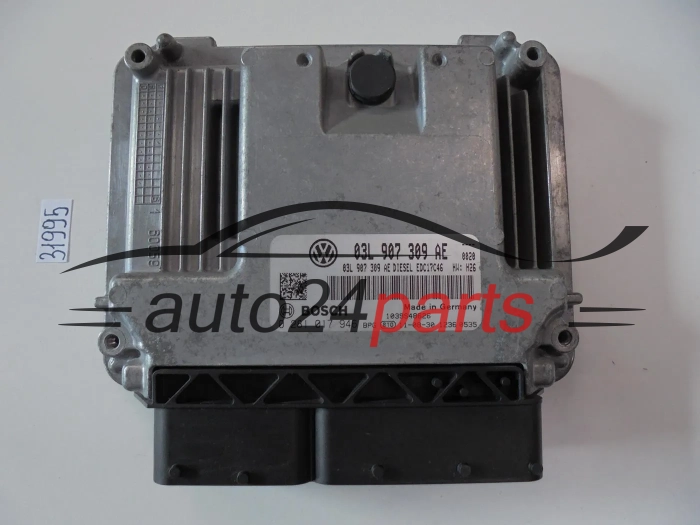
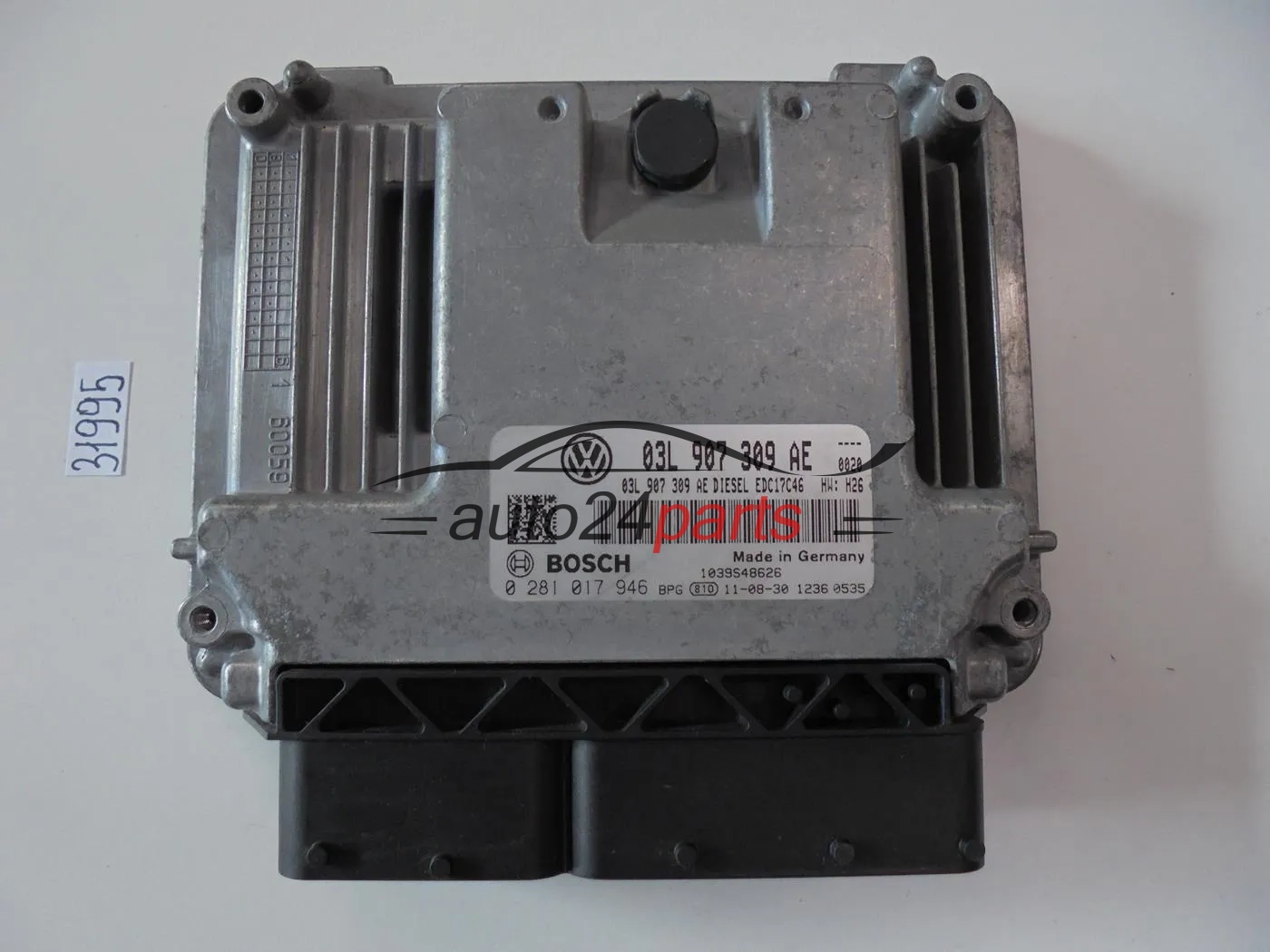
Engine Control Unit Volkswagen Passat Bosch 03L907309AE 0281017946
Vendors's code: 0281017946
Product code: 0281017946
Barcode:
Code 39:
ISBN:
$159.34
Price
$159.34
$195.99
Price
$195.99

Select a product option:
Individual variants may differ in price
Ask about the product
Engine Control Unit Volkswagen Passat Bosch 03L907309AE 0281017946
Administratorem danych osobowych jest Auto24parts. Przetwarzamy je w celu przesłania odpowiedzi na zapytanie. Więcej informacji dotyczących przetwarzania danych osobowych znajduje się w polityce prywatności.
Shipping
from
$29.40
-
shipping
(Poland)
from
$29.40
-
shipping
(Poland)
Price 30 euros applies shipments to 5 kg on worldwide. Above this weight, please contact us by email to check price
Shipping cost for the selected product
The shipping cost applies to this product (in the selected variant - if applicable). It may change after adding other products to the cart.

Where can I find the number 03L907309AE on a Passat ECU?
Look for it on the label on the module casing – next to Bosch number 0281017946 (written as 0 281 017 946). This is a used, fully working diesel engine ECU.
Engine Control Unit Volkswagen Passat Bosch 03L907309AE 0281017946
The number 03L907309AE has a different structure from the common 03G906… numbers, so it is easy to get wrong when copying it from the label. This ECU from a Volkswagen Passat was made by Bosch, and its number 0281017946 starts with the 0 281 prefix used for diesel engine ECUs. The module controls injection and the diesel engine's ancillaries.
Numbers on the label
- 03L907309AE – Volkswagen part number; the middle part is 907309, not 906
- 0281017946 – Bosch number, shown on the label as 0 281 017 946
Copy the VW number exactly – including the AE suffix, which indicates the software or hardware version. An ECU with the same beginning but different letters may not fit.
ECU fault symptoms
- the engine will not fire although the starter motor works,
- engine warning light on and limp mode,
- no communication with the engine module,
- faults after water ingress, a voltage spike or a failed update.
Before buying, check the power supply, earths and the condition of the pins in the connector.
03L907309AE options
You can choose a locked module – it holds the data and immobiliser of the car it came from and is intended for workshops that will unlock, program and adapt it themselves. The other choice is an unlocked module, prepared by us before dispatch, usually within 1–2 working days.
PIN / CAR PASS, Virgin, IMMO OFF, auto programming and clone – the availability of each of these methods depends on the part number, software and immobiliser. Please ask before ordering. More on the engine control unit options page.
Questions and answers
| My label says 03L906… – is it the same ECU? |
|---|
| No. This module has the number 03L907309AE; a different sequence of digits means a different part. |
| Is 0281017946 a number I need to compare? |
| Yes, it is the Bosch number of this ECU – it is worth checking it together with the VW number. |
| What condition is this ECU in? |
| It is a used, fully working part in good condition. You will find the warranty period in the product features table. |
Send a photo of the label to contact@auto24parts.com – we will compare the numbers.