



For an Astra G or Zafira A, an HSFI 2.1 Virgin ECU programmed with the Car Pass code is enough, or a three-part set. In a Corsa C or Combo with a CAN bus immobiliser, the Plug & Play set has five parts, and the ECU on its own will not start the engine without programming.
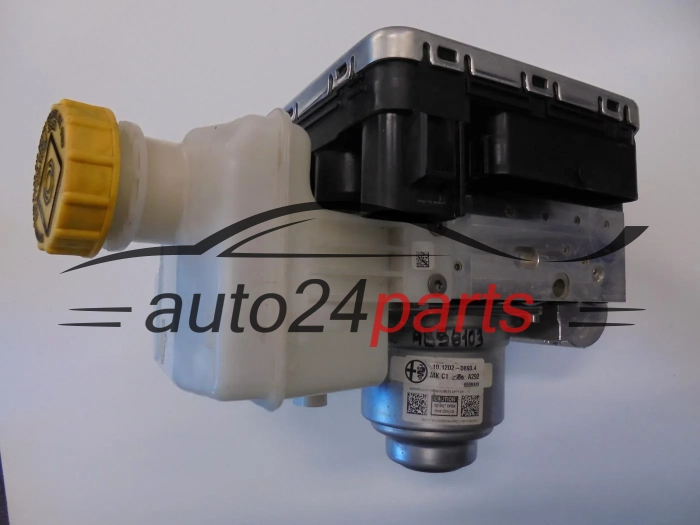
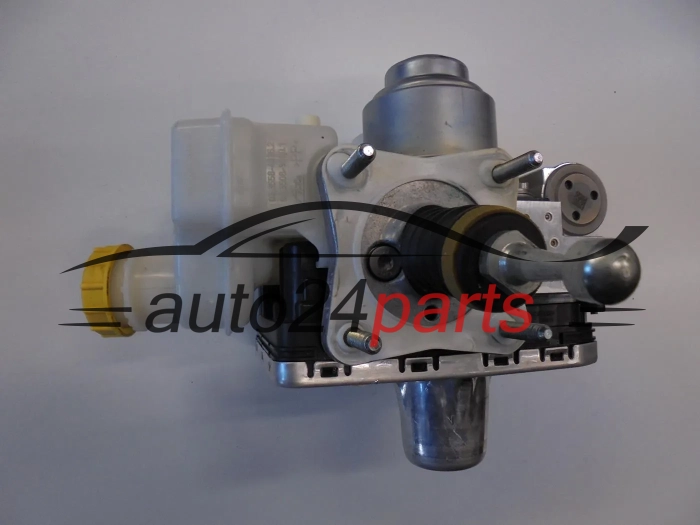
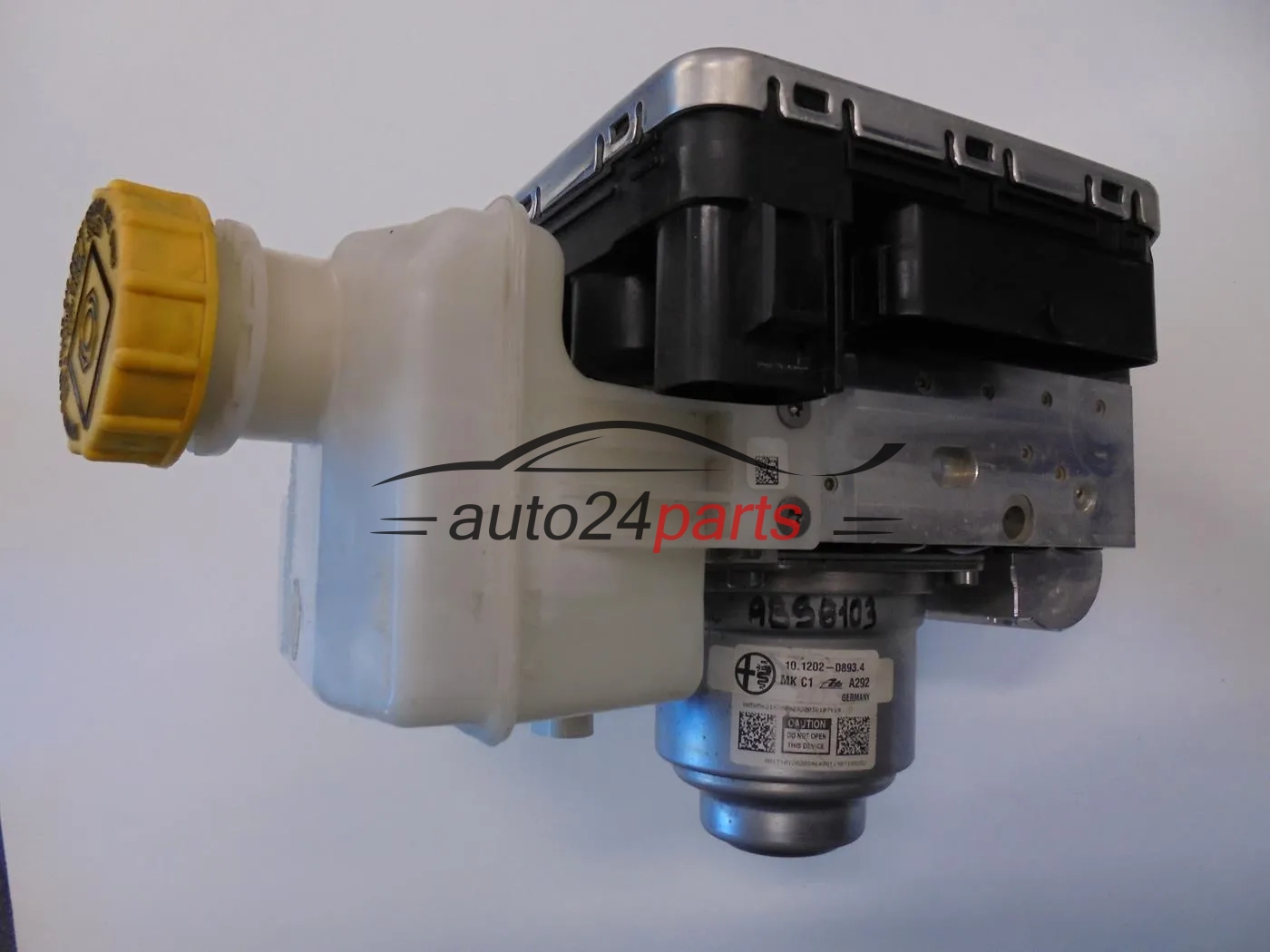
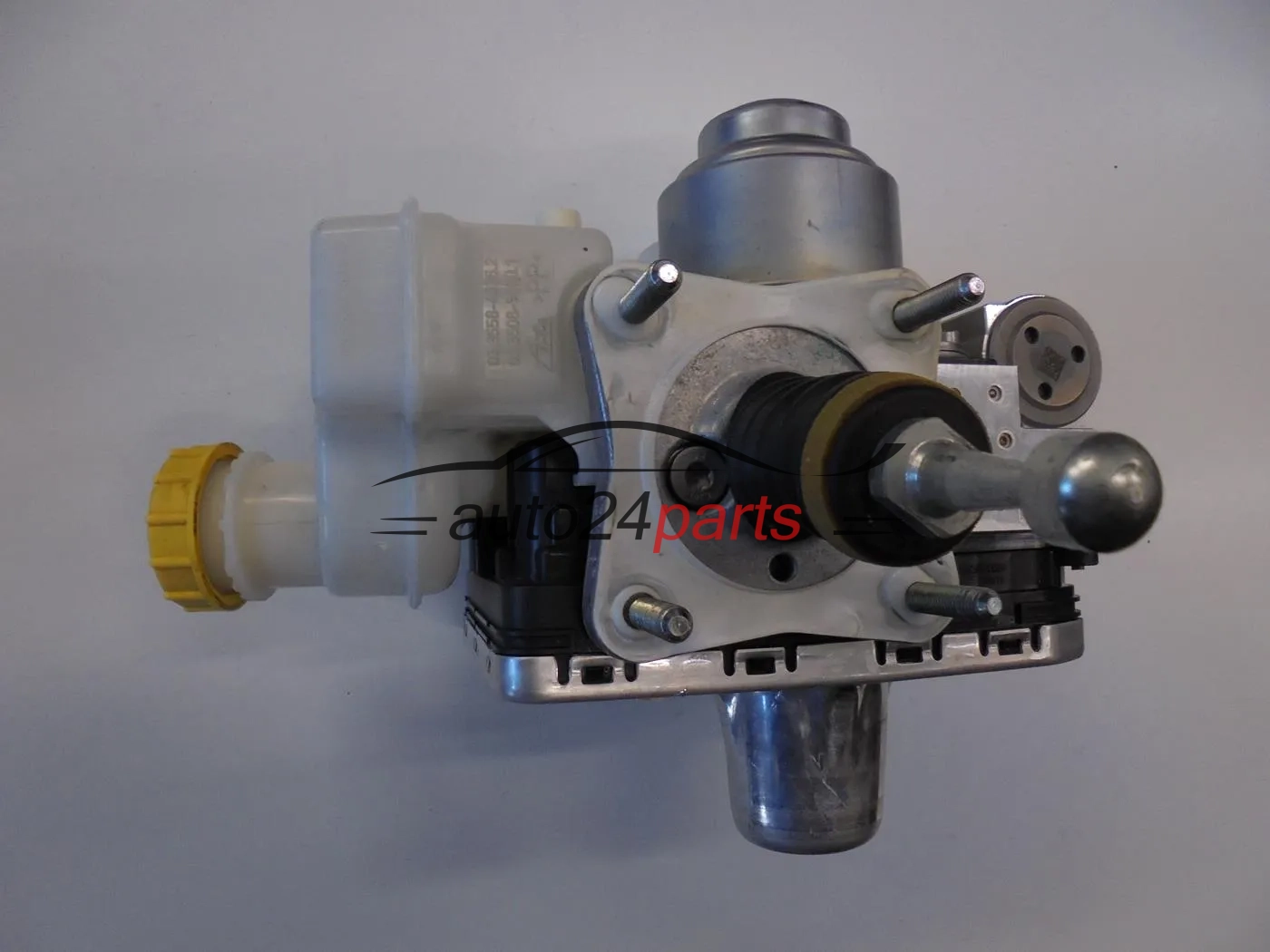
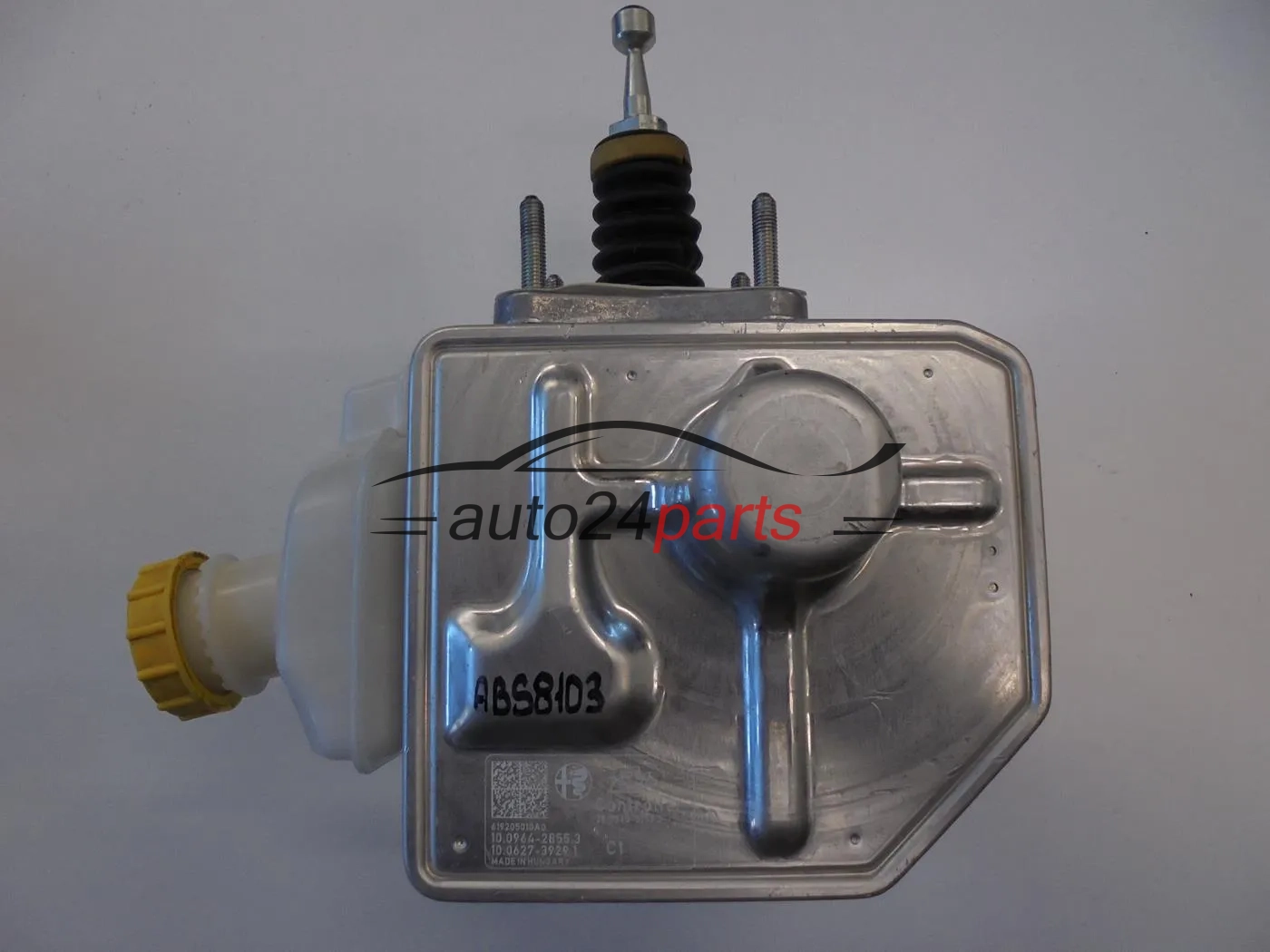
ABS pump and control module Alfa Romeo ATE 10120208934 10096428553 28554057133
Vendors's code: 10096428553
Product code: 10120208934
Barcode:
Code 39:
ISBN:
1 138,21 zł
Price
1 138,21 zł
1 400,00 zł
Price
1 400,00 zł

Ask about the product
ABS pump and control module Alfa Romeo ATE 10120208934 10096428553 28554057133
Administratorem danych osobowych jest Auto24parts. Przetwarzamy je w celu przesłania odpowiedzi na zapytanie. Więcej informacji dotyczących przetwarzania danych osobowych znajduje się w polityce prywatności.
Shipping
from
120,00 zł
-
shipping
(Poland)
from
120,00 zł
-
shipping
(Poland)
Price 30 euros applies shipments to 5 kg on worldwide. Above this weight, please contact us by email to check price
Shipping cost for the selected product
The shipping cost applies to this product (in the selected variant - if applicable). It may change after adding other products to the cart.

How do you check ATE ABS unit 10.1202-0893.4 for an Alfa Romeo before buying it?
Go from symptoms to numbers: 10120208934, 10096428553 and 28554057133. The part is used, in working order and original.
Alfa Romeo, ABS ATE 10.1202-0893.4 - instructions from symptoms to numbers
These instructions concern an ABS pump and control module unit for the Alfa Romeo make. We do not state the model - selection is by part numbers. The listing has three ATE numbers. The recommended order of work is: observing the symptoms, reading the fault codes, checking the wiring, comparing the numbers. The list of numbers is at the top of the page, because it closes the whole process. Condition of the part: used, in working order, original.
Three ATE numbers to compare
- 10120208934 - ATE number: 10.1202-0893.4
- 10096428553 - ATE number: 10.0964-2855.3
- 28554057133 - ATE number: 28.5540-5713.3
All three are ATE numbers. The form with dots and a hyphen and the continuous form mean the same. This listing also has the number 28.5540-5713.3, which is missing from the listing with the pair 10.1202-0893.4 and 10.0964-2859.3. This makes the variants easier to tell apart.
Where diagnosis begins
An ABS unit is considered when the driver notices, for example:
- the ABS warning light permanently on after the engine starts,
- the system not working although the main brakes work,
- a pump error message stored in the control module memory,
- interruptions in communication with the control module during a test.
Do the following in order: read the fault codes, inspect the sensors and connectors, measure the supply voltage. If everything points to the module, compare the numbers. After fitting, bleed the system. The workshop will decide on any coding.
The most common questions about numbers
| How does this listing differ from others with number 10.1202-0893.4? |
|---|
| By the additional number 28.5540-5713.3 and by the second number, 10.0964-2855.3. |
| Is it enough for one ATE number to match? |
| It is better to compare all three. One number does not give certainty of selection. |
| Do you state the Alfa Romeo model? |
| No. We do not state the model; selection is by part numbers. |
| How should I enter the number in the catalogue? |
| Try both forms: 10.1202-0893.4 and 10120208934. |
Want to verify the numbers? Send us those from your part and we will compare them with the three on the list.