







For an Astra G or Zafira A, an HSFI 2.1 Virgin ECU programmed with the Car Pass code is enough, or a three-part set. In a Corsa C or Combo with a CAN bus immobiliser, the Plug & Play set has five parts, and the ECU on its own will not start the engine without programming.
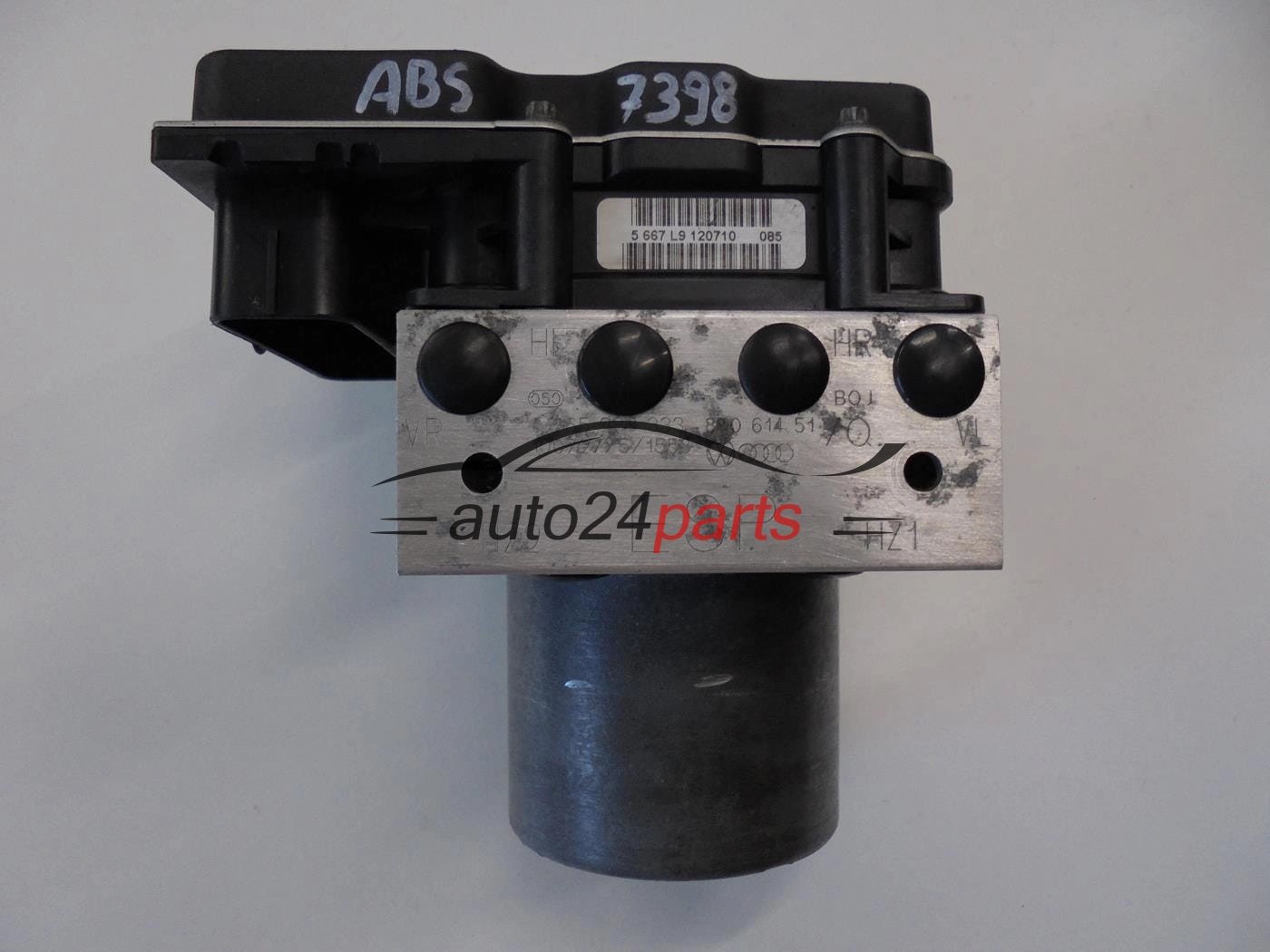
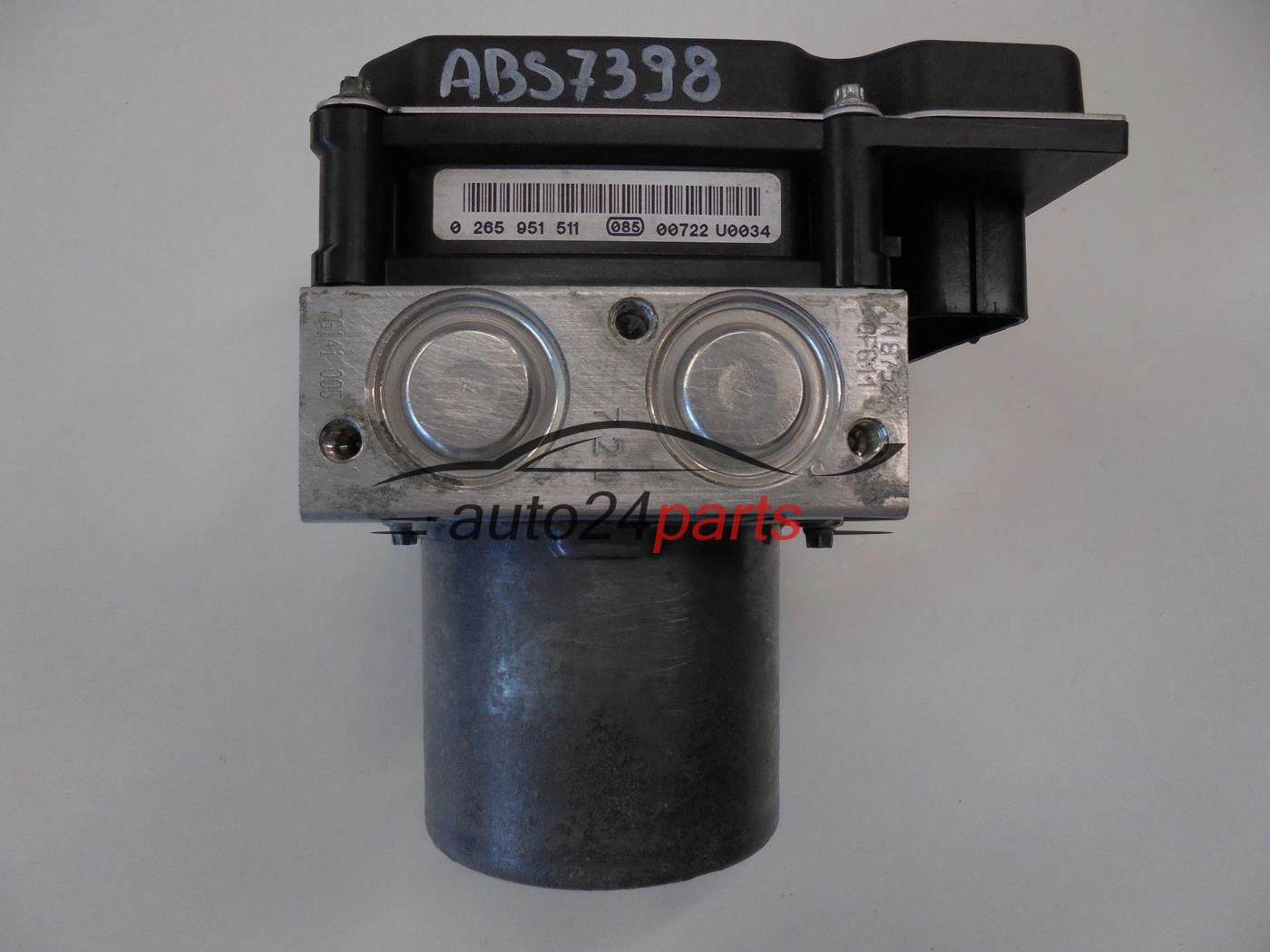
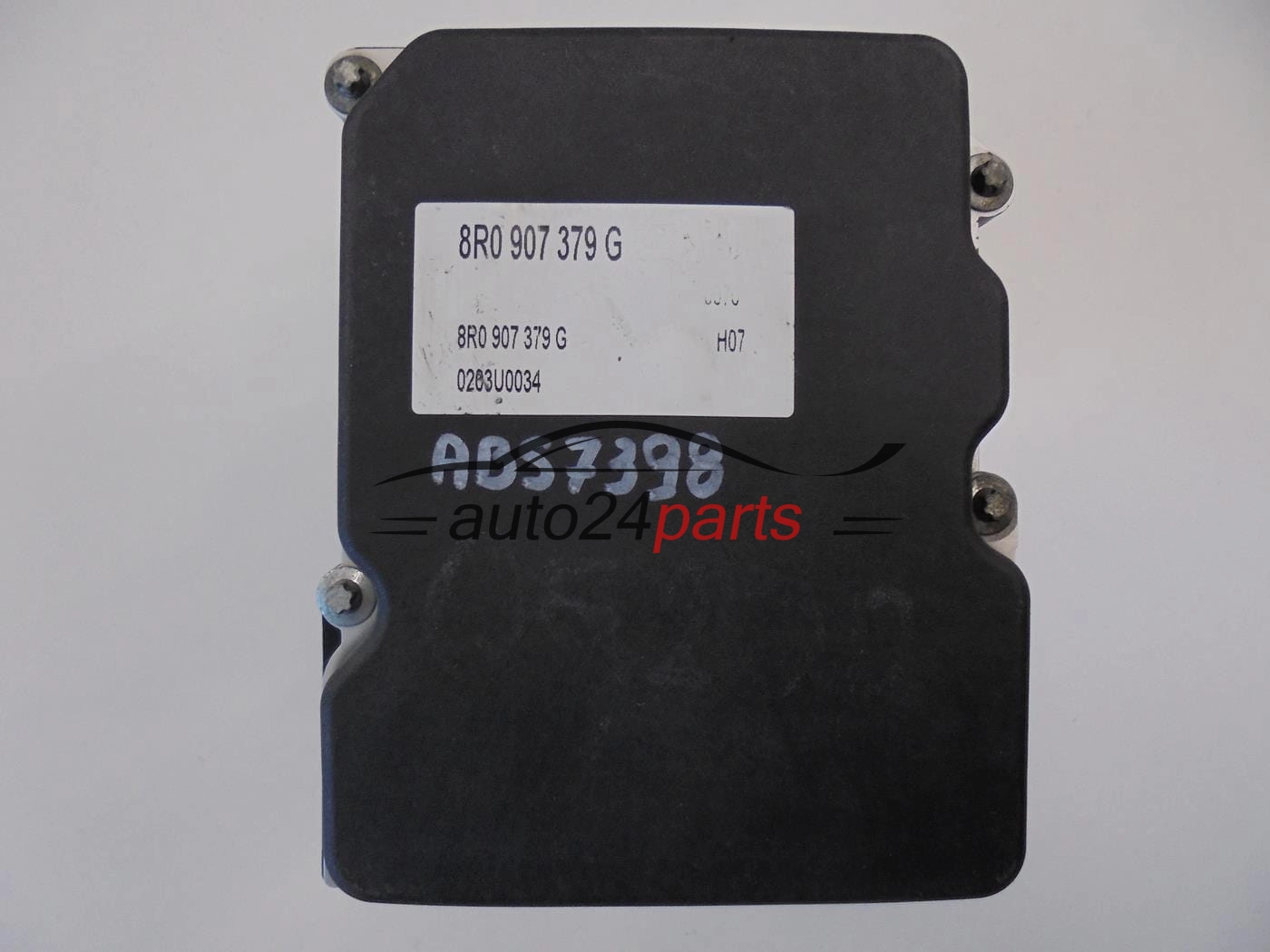
ABS pump and control module Audi Bosch 8R0614517Q 0265236333 8R0907379G 0265951511
Vendors's code: 0265236333
Product code: F5F2-395DE
Barcode:
Code 39:
ISBN:
813,01 zł
Price
813,01 zł
1 000,00 zł
Price
1 000,00 zł

Ask about the product

ABS pump and control module Audi Bosch 8R0614517Q 0265236333 8R0907379G 0265951511
Administratorem danych osobowych jest Auto24parts. Przetwarzamy je w celu przesłania odpowiedzi na zapytanie. Więcej informacji dotyczących przetwarzania danych osobowych znajduje się w polityce prywatności.
Shipping
from
120,00 zł
-
shipping
(Poland)
from
120,00 zł
-
shipping
(Poland)
Price 30 euros applies shipments to 5 kg on worldwide. Above this weight, please contact us by email to check price
Shipping cost for the selected product
The shipping cost applies to this product (in the selected variant - if applicable). It may change after adding other products to the cart.

In need of ABS unit 8R0614517Q with control module 8R0907379G?
We have this set from an Audi - used and in working order, manufactured by Bosch. Before buying, compare number 8R0 614 517 Q with the sticker on your pump.
Bosch 0265236333 / 8R0614517Q - ABS pump with control module for Audi
The unit on offer consists of a hydraulic block, housing the valves and the pump motor, and an electronic module bolted to the block. The block is marked ‘ESP’, and its sticker contains numbers 8R0 614 517 Q and 0 265 236 333. The control module has its own sticker: VAG 8R0 907 379 G, Bosch 0 265 951 511.
Part numbers of this unit
- 8R0614517Q - number assigned by VAG to the ABS pump (hydraulic unit) - 8R0 614 517 Q
- 0265236333 - number assigned by Bosch to the hydraulic block - 0 265 236 333
- 8R0907379G - number assigned by VAG to the ABS/ESP control module - 8R0 907 379 G
- 0265951511 - number assigned by Bosch to the control module - 0 265 951 511
There are two labels - on the hydraulic block and on the control module housing - and it is best to compare both with your part. Our shop has twelve other pumps with the base number 8R0 614 517 and a different letter, so pay particular attention to the final ‘Q’.
What to watch out for - symptoms
Damage to this part can show up as follows:
- ABS light showing on the dashboard,
- internal ABS module fault,
- diagnostic tool will not connect to the control module,
- brake warning light is on.
Before replacing it, read the fault codes and check the wheel sensors, fuses, wiring and battery - a damaged sensor, for instance, gives similar symptoms. On many VW Group vehicles, coding of the control module and calibration of the ESP sensors are needed after fitting.
Your questions answered
| How do I know the set will fit? |
|---|
| The part comes from an Audi, and the fit is decided by the number - compare 8R0614517Q and the control module number with your part. |
| Is the product used? |
| Yes, we sell a used, genuine part in working order. The warranty period is shown in the product features table. |
| Will a pump with a different letter replace the Q version? |
| You should not assume so - a different suffix may hide a different system variant. Choose the same number as in your car. |
| Must the system be bled after fitting? |
| Yes, bleeding the brake system is necessary after every hydraulic block replacement. |
Send the VIN of your Audi or photos of both labels, and we will reply to tell you whether this set fits.

