







For an Astra G or Zafira A, an HSFI 2.1 Virgin ECU programmed with the Car Pass code is enough, or a three-part set. In a Corsa C or Combo with a CAN bus immobiliser, the Plug & Play set has five parts, and the ECU on its own will not start the engine without programming.
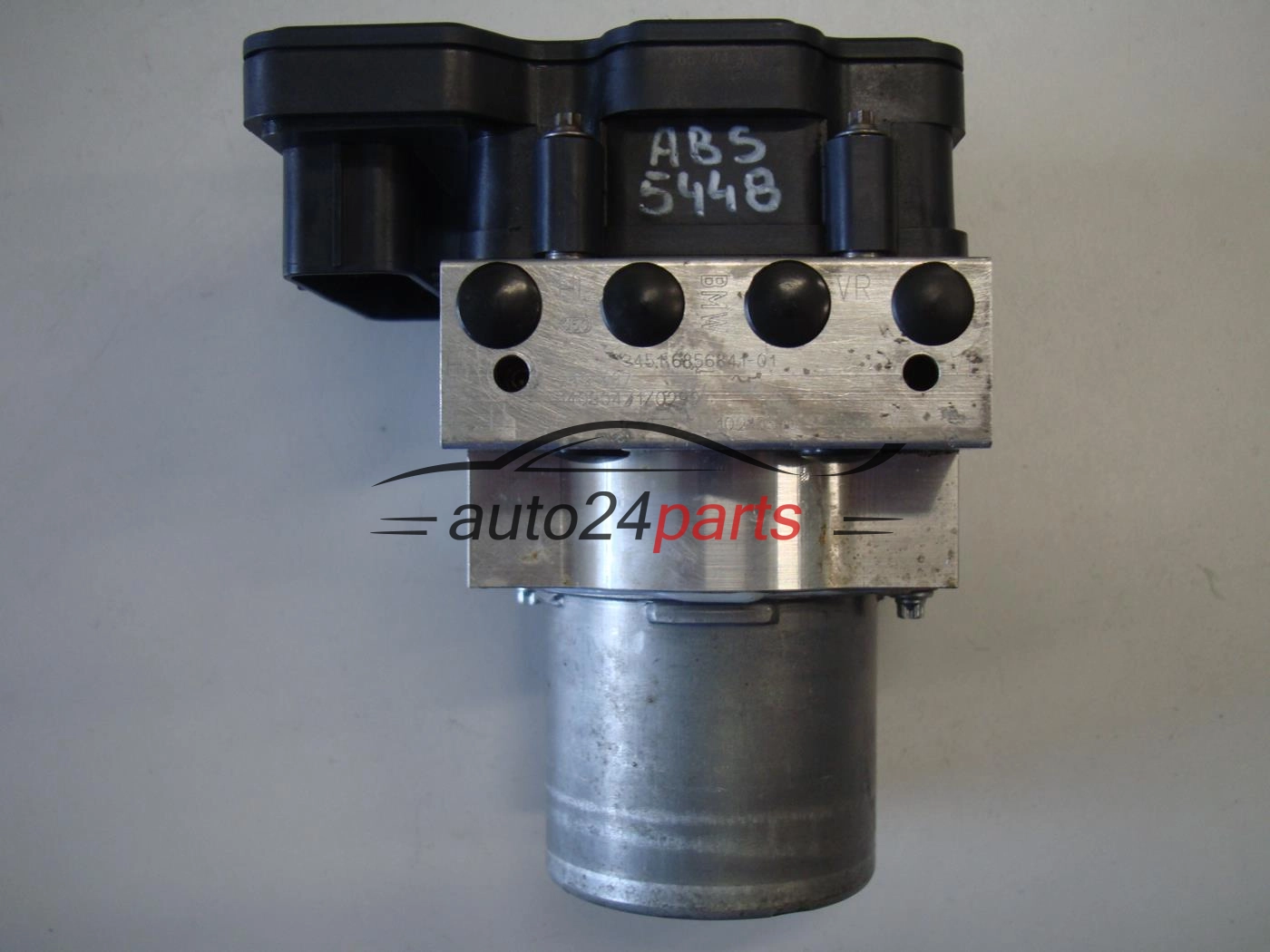
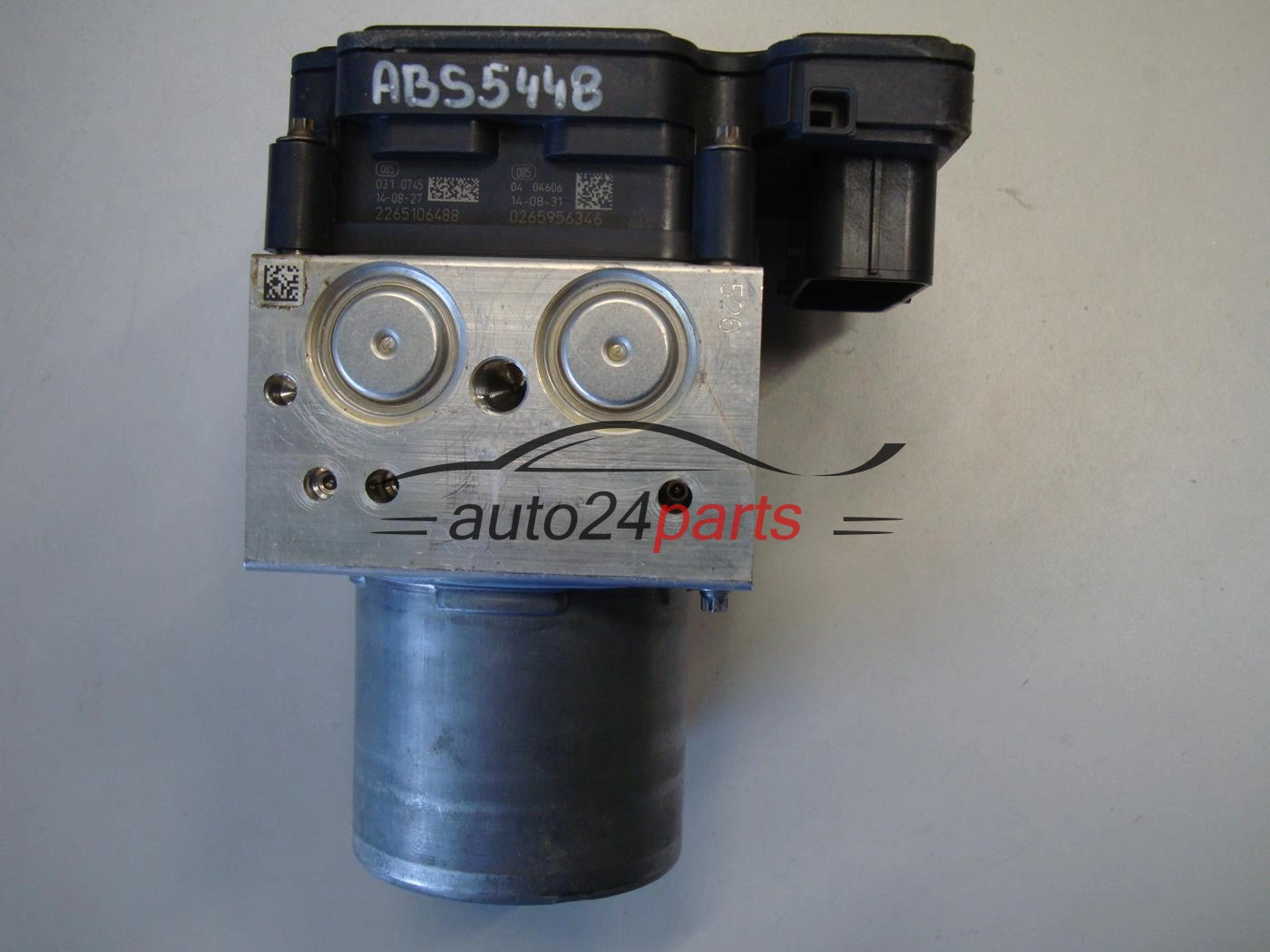
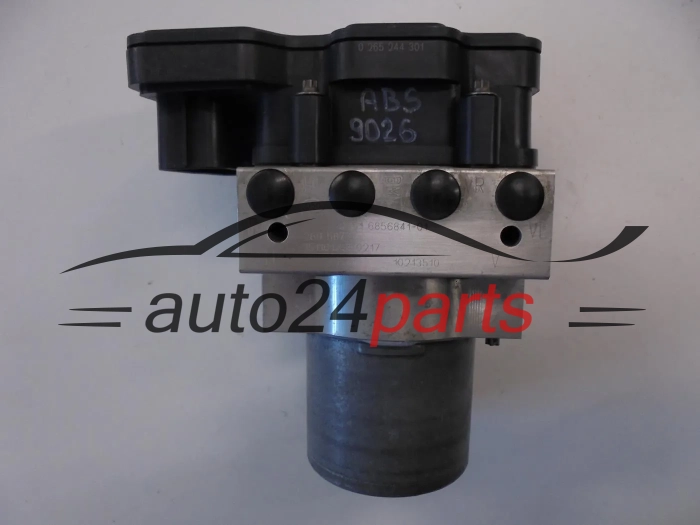
ABS pump BMW Bosch 6868336 3451685684101 0265244302 0265956346
Vendors's code: 6856841
Product code: 6868336
Barcode:
Code 39:
ISBN:
€203.25
Price
€203.25
€250.00
Price
€250.00

Ask about the product

ABS pump BMW Bosch 6868336 3451685684101 0265244302 0265956346
Administratorem danych osobowych jest Auto24parts. Przetwarzamy je w celu przesłania odpowiedzi na zapytanie. Więcej informacji dotyczących przetwarzania danych osobowych znajduje się w polityce prywatności.
Shipping
from
€30.00
-
shipping
(Poland)
from
€30.00
-
shipping
(Poland)
Price 30 euros applies shipments to 5 kg on worldwide. Above this weight, please contact us by email to check price
Shipping cost for the selected product
The shipping cost applies to this product (in the selected variant - if applicable). It may change after adding other products to the cart.

When is ABS pump 6868336 the right choice for your BMW?
Used original ABS module with number 6868336 for BMW. Confirm compatibility with the number from your original pump.
How to identify ABS pump 6868336 for your BMW
This module is made by Bosch. ABS pump 6868336 is sold together with its control unit, just as it is fitted to BMW cars. The listing does not state the car model or year, so we do not give them here and match the part by its numbers.
Numbers and markings on the ABS pump
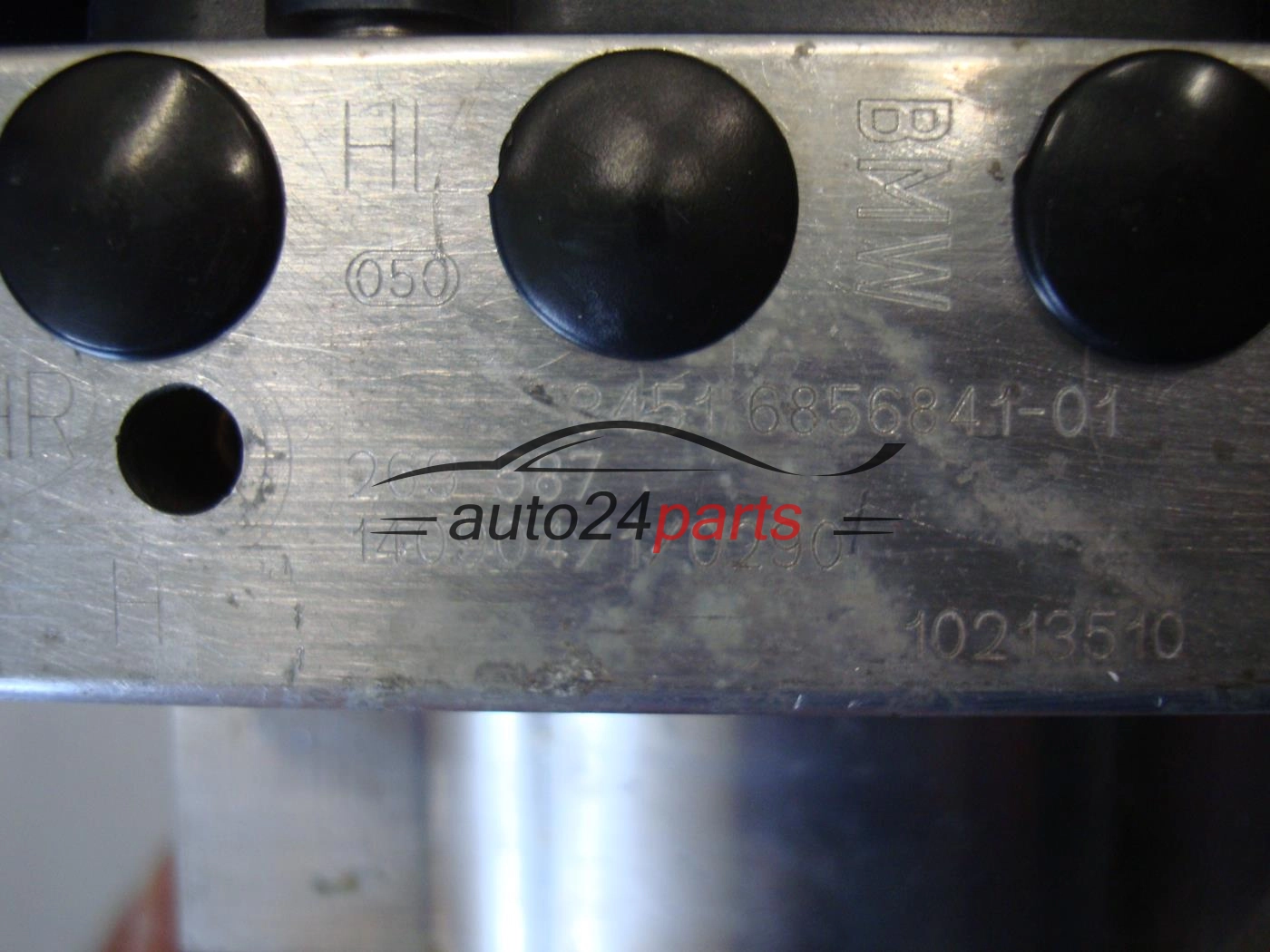
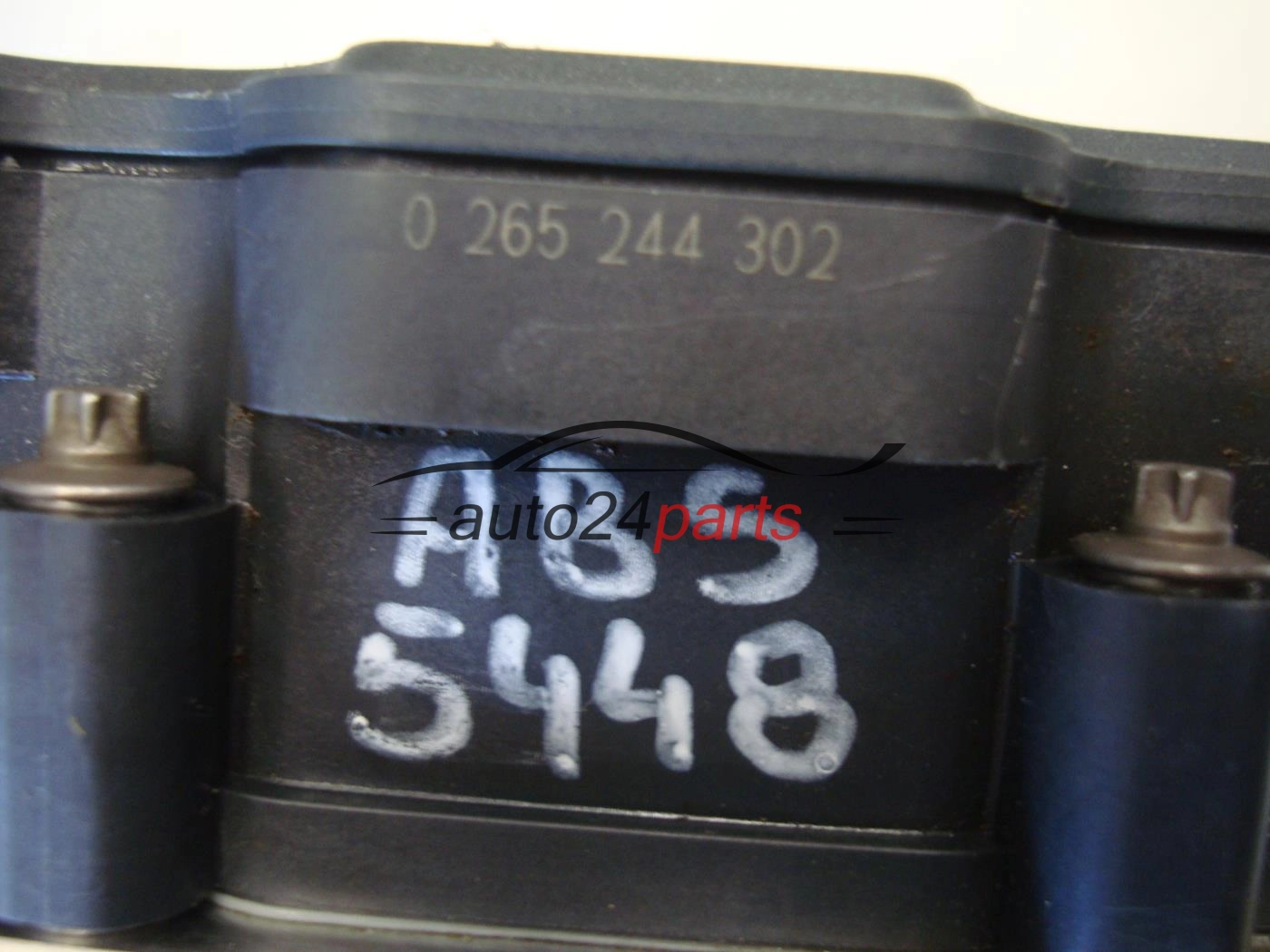
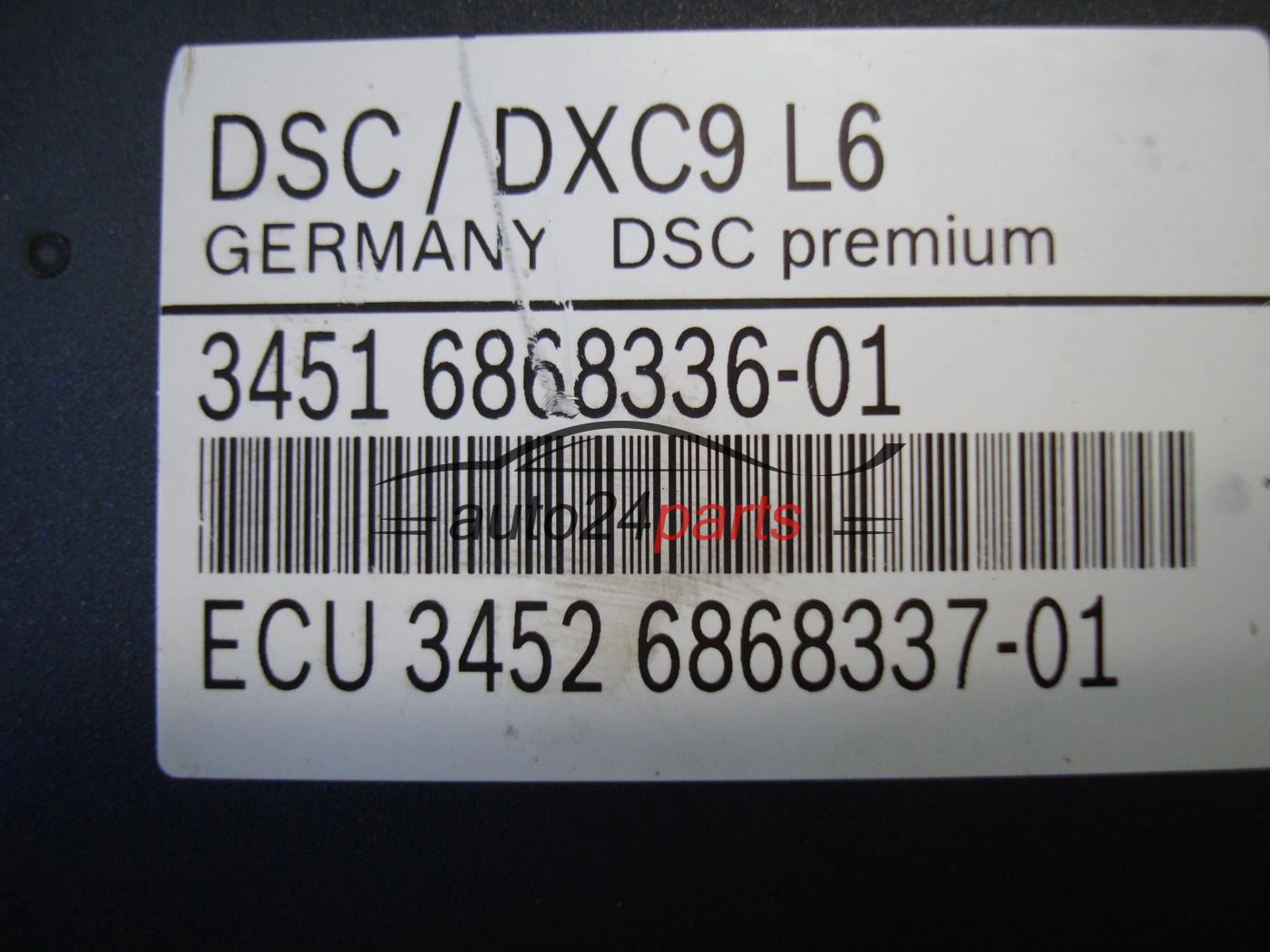
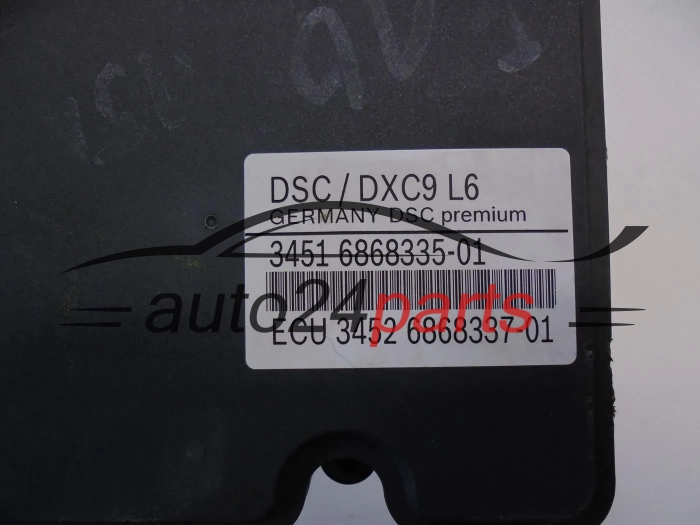
You will find the numbers on the labels, while catalogues list them as a single string:
- 3451 6856841 01 (catalogue format: 3451685684101), BMW number of the ABS pump (hydraulic part),
- 6868336, BMW number in short form, without the group prefix,
- 0 265 244 302 (catalogue format: 0265244302), hydraulic block manufacturer's number,
- 0 265 956 346 (catalogue format: 0265956346), control unit number.
Compare the numbers with the original pump in your car, and if any of them differs, write to us before buying.
When an ABS module needs replacing
- valve or pump motor faults are stored in the control unit memory,
- the pump motor switches on at unusual moments or runs louder than usual,
- brake fluid leaks from the hydraulic block, which requires immediate action,
- the ABS warning light comes on together with the stability control warning light.
It is worth reading the fault codes and checking the sensor wiring before replacement. Fitting and bleeding the brake system are usually carried out by a garage with the right equipment.
Questions and answers
| What is the difference between numbers 6868336 and 3451685684101? |
|---|
| The module carries several numbers, because it is identified both by the car brand and by the manufacturer of the block and control unit. When matching the part, compare all the numbers. |
| Are the make and model of the car enough to choose the part? |
| No. A single model comes with different versions of the module, depending on the engine, year of manufacture and drivetrain. The most reliable reference is the number on the original pump. |
| Who makes this module? |
| The module is made by Bosch. The manufacturer's name does not change the numbers you should use to match the part. |
| What condition is this ABS module in? |
| It is an original recycled part in good condition, checked by us. Warranty details are in the product features table. |
Want to check before you buy? Send a photo of the block and sticker on your ABS pump and we will check that the numbers match.
Customers Also Viewed
-
Price €250.00Price €203.25

