






For an Astra G or Zafira A, an HSFI 2.1 Virgin ECU programmed with the Car Pass code is enough, or a three-part set. In a Corsa C or Combo with a CAN bus immobiliser, the Plug & Play set has five parts, and the ECU on its own will not start the engine without programming.
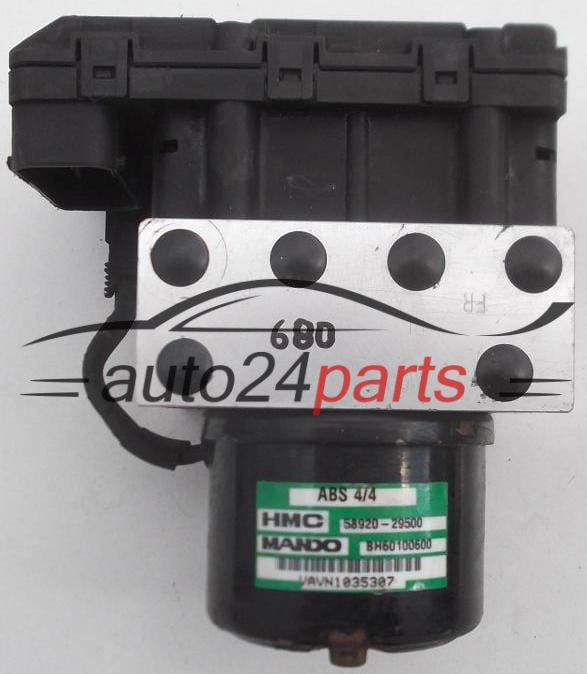
ABS pump and control module Hyundai Lantra Coupe 5892029500 BH60100600
Vendors's code: 5892029500
Product code: 5303-121C3
Barcode:
Code 39:
ISBN:
325,20 zł
Price
325,20 zł
400,00 zł
Price
400,00 zł
In stock
Ask about the product

ABS pump and control module Hyundai Lantra Coupe 5892029500 BH60100600
Administratorem danych osobowych jest Auto24parts. Przetwarzamy je w celu przesłania odpowiedzi na zapytanie. Więcej informacji dotyczących przetwarzania danych osobowych znajduje się w polityce prywatności.
Shipping
from
120,00 zł
-
shipping
(Poland)
from
120,00 zł
-
shipping
(Poland)
Price 30 euros applies shipments to 5 kg on worldwide. Above this weight, please contact us by email to check price
Shipping cost for the selected product
The shipping cost applies to this product (in the selected variant - if applicable). It may change after adding other products to the cart.

Hyundai Lantra Coupe - is this the right ABS pump for your car?
This is a used, working ABS pump with control module for the Hyundai Lantra Coupe - numbers 58920-29500 / 5892029500; BH60100600. Before buying, compare the numbers with the label on the module in your car.
ABS pump and control module Hyundai Lantra Coupe
Looking for a replacement for a faulty ABS pump for the Hyundai Lantra Coupe (1996-2005)? We offer a used, working unit with electronics in good condition.
Numbers to compare
- 58920-29500 / 5892029500 - part number (OEM)
- BH60100600 - part number (OEM)
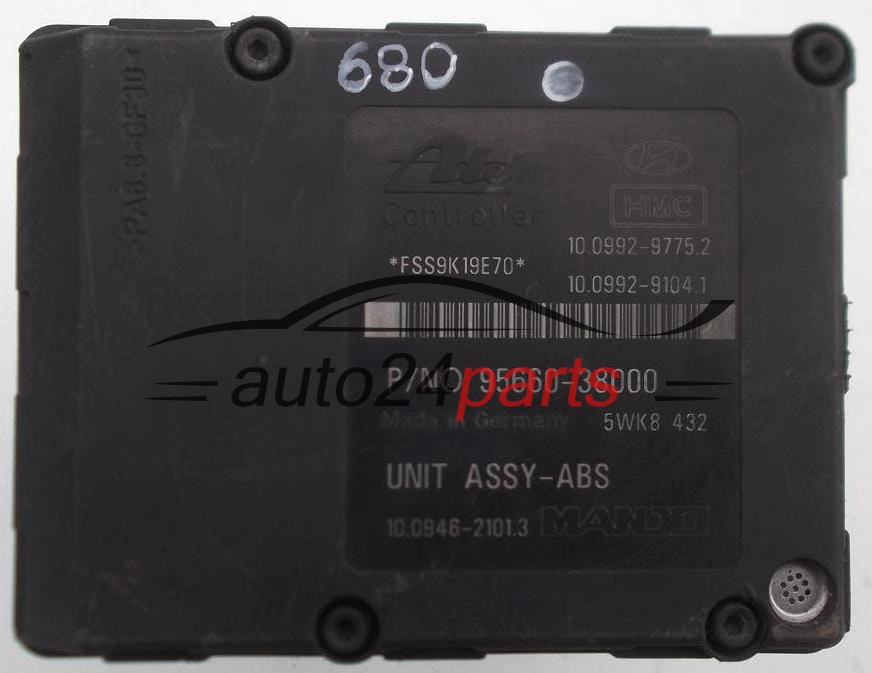
- 10.0992-9775.2 / 10099297752 - manufacturer number (ATE)
- 10.0992-9104.1 / 10099291041 - manufacturer number (ATE)
- 10.0946-2101.3 / 10094621013 - ABS control module number (ATE)
Application according to the listing
- Hyundai Lantra Coupe - model
- 1996-2005 - year
- ATE - manufacturer
How an ABS pump with control module works
The return pump motor runs only when ABS is active. The rest of the time it puts no load on the electrical system, but together with the valves it is one of the parts most exposed to wear.
Matching
Compare number 58920-29500 in full with the number on your pump. Different versions were fitted to the same models, so the number decides the fit, not the model and year alone. After replacement the module may need coding or adaptation to the car. Check this for your model before ordering the part.
Symptoms of a faulty ABS pump
- the ABS warning light goes out and comes on by itself,
- the wheels lock under hard braking,
- the tester shows a control module or valve fault,
- traction control switches off.
It is worth reading the fault codes with a diagnostic tool first, because some ABS faults come from wheel sensors or wiring, not from the hydraulic unit itself.
Questions and answers
| What does “used, working” mean? |
|---|
| We sell it as a used part, in working order and in good condition; this information is also given in the listing features. |
| Does the control module need coding after the pump is replaced? |
| It depends on the make, model and version. Before buying, check whether your car needs adaptation or coding after the replacement. |
| Why is the number written in several ways? |
| The same number may be written with spaces, hyphens or as one string. We give both forms to make it easier to find. |
Write to contact@auto24parts.com with the model, year and the number from your pump - we will check the fit.

