







For an Astra G or Zafira A, an HSFI 2.1 Virgin ECU programmed with the Car Pass code is enough, or a three-part set. In a Corsa C or Combo with a CAN bus immobiliser, the Plug & Play set has five parts, and the ECU on its own will not start the engine without programming.
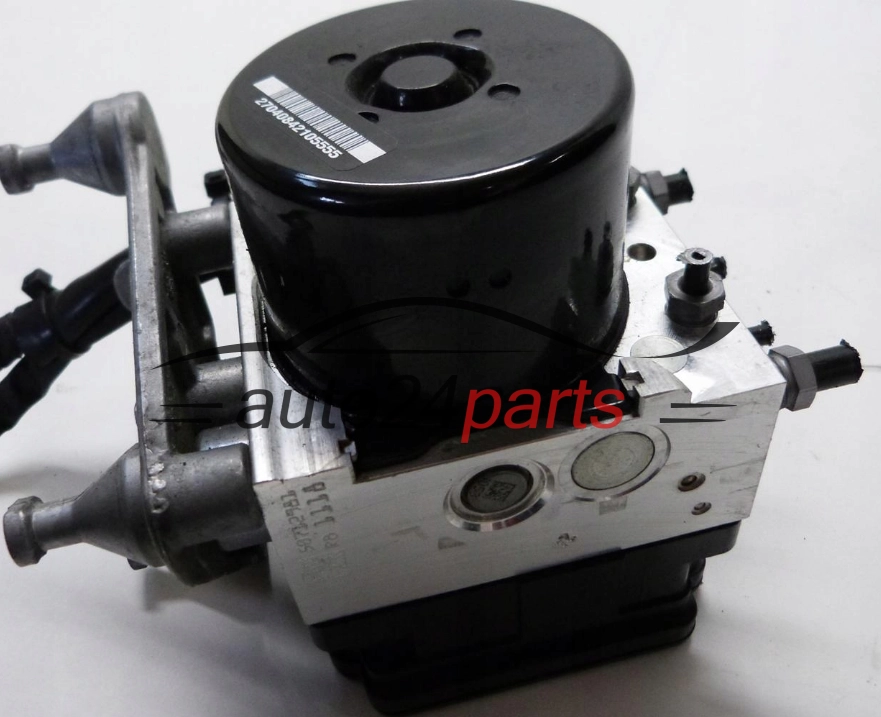
ABS pump Mercedes ATE A1724312612 10021206184 A1729014100
Vendors's code: A1729014100
Product code: A1724312612
Barcode:
Code 39:
ISBN:
650,41 zł
Price
650,41 zł
800,00 zł
Price
800,00 zł

Ask about the product

ABS pump Mercedes ATE A1724312612 10021206184 A1729014100
Administratorem danych osobowych jest Auto24parts. Przetwarzamy je w celu przesłania odpowiedzi na zapytanie. Więcej informacji dotyczących przetwarzania danych osobowych znajduje się w polityce prywatności.
Shipping
from
120,00 zł
-
shipping
(Poland)
from
120,00 zł
-
shipping
(Poland)
Price 30 euros applies shipments to 5 kg on worldwide. Above this weight, please contact us by email to check price
Shipping cost for the selected product
The shipping cost applies to this product (in the selected variant - if applicable). It may change after adding other products to the cart.

Does ABS pump A1724312612 come complete with the control unit?
Used original ABS module with number A1724312612 for Mercedes. Confirm compatibility with the number from your original pump.
Used Mercedes ABS pump with number A1724312612
The hydraulic block and control unit of this ABS pump form a single module that works with the wheel speed sensors in Mercedes cars. You will find number A1724312612 on the label, and the full set of numbers is given in the description below. The listing does not state the car model or year, so we do not give them here and match the part by its numbers.
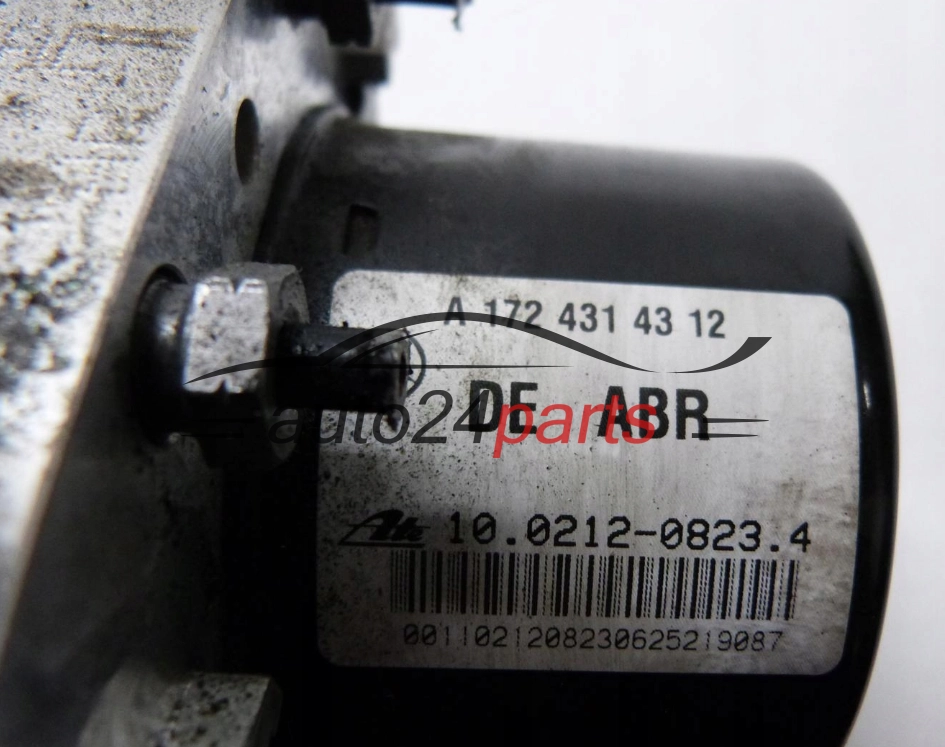
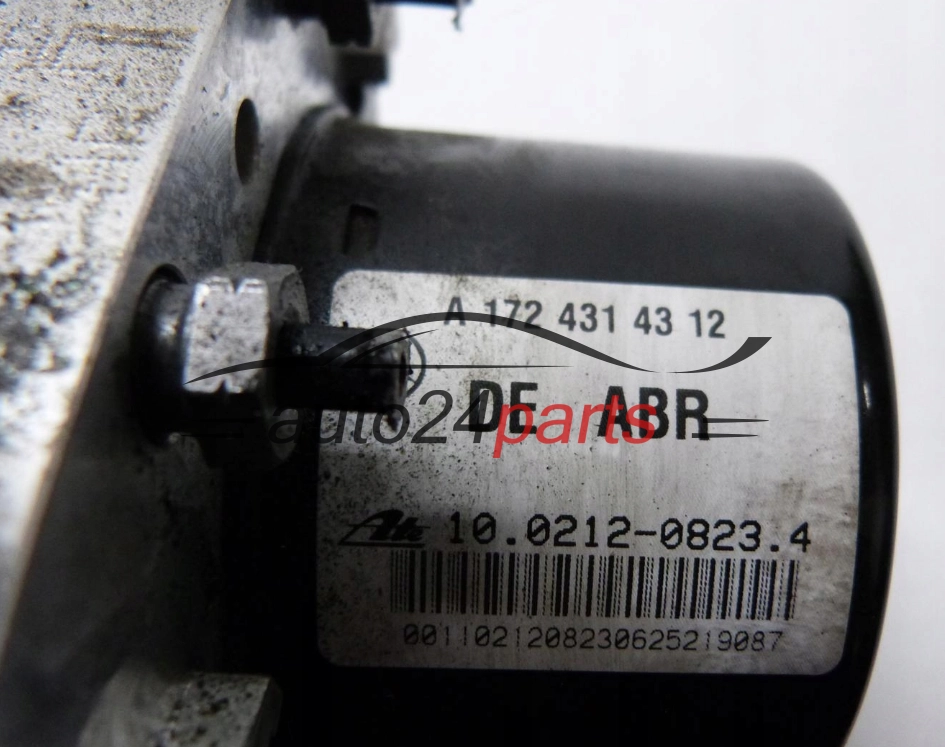
Part number A1724312612 and related numbers
Below are the numbers as they appear on the labels, together with the single-string form used in catalogues:
- A 172 431 26 12 (catalogue format: A1724312612), Mercedes number stamped on the hydraulic block,
- 10.0212-0618.4 (catalogue format: 10021206184), hydraulic block manufacturer's number,
- A 172 901 41 00 (catalogue format: A1729014100), Mercedes control unit number.
Compare the numbers with the original pump in your car, and if any of them differs, write to us before buying.
Symptoms of a faulty ABS pump or control unit
- the ABS warning light comes on after the engine is started and stays on,
- the pump motor switches on at unusual moments or runs louder than usual,
- the ABS activates for no reason during normal braking,
- on a slippery surface the wheels lock up noticeably sooner than they used to.
ABS faults should not be ignored, because without anti-lock protection the car brakes less well on wet or slippery roads. Diagnosis and fitting are best left to a garage with a suitable scanner.
Questions and answers
| Where do I find number A1724312612 on my pump? |
|---|
| The numbers are stamped or printed on the aluminium hydraulic block, and the control unit has a separate sticker. Take a close-up photo of both places in good light. |
| Which car model does this pump fit? |
| The listing does not state a model or year, so confirm compatibility with the number from the original pump in your car, or send us a photo of it. |
| Does a lit ABS warning light always mean a faulty pump? |
| No. Read the fault codes first, because the cause may be a wheel sensor, its wiring or too low a supply voltage. |
| What condition is this pump in? |
| It is a used original part, inspected before sale. You will find the warranty period in the product features table. |
Not sure about the match? Send us a photo of the numbers on your ABS pump and we will check whether this module will fit.
Customers Also Viewed
-
Price 800,00 złPrice 650,41 zł
-
Price 1 000,00 złPrice 813,01 zł

