






For an Astra G or Zafira A, an HSFI 2.1 Virgin ECU programmed with the Car Pass code is enough, or a three-part set. In a Corsa C or Combo with a CAN bus immobiliser, the Plug & Play set has five parts, and the ECU on its own will not start the engine without programming.
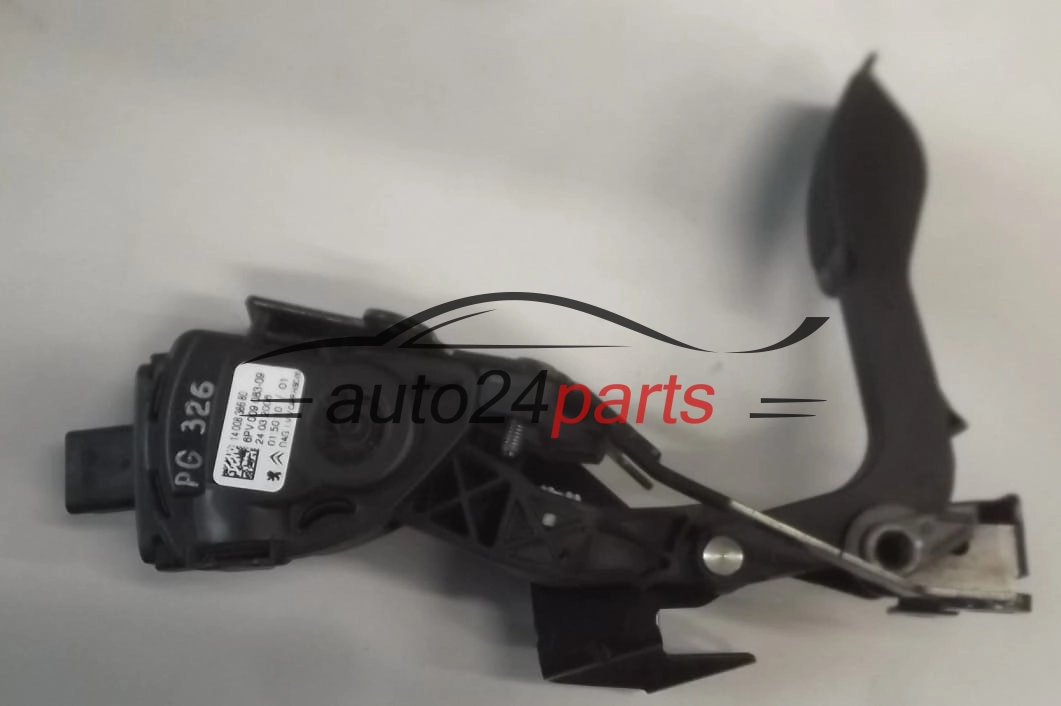
Accelerator pedal potentiometer Citroën Peugeot 2.0 HDI 1400838680 6PV00908309
Vendors's code: 1400838680
Product code: 1400838680
Barcode:
Code 39:
ISBN:
487,80 zł
Price
487,80 zł
600,00 zł
Price
600,00 zł
In stock
Ask about the product

Accelerator pedal potentiometer Citroën Peugeot 2.0 HDI 1400838680 6PV00908309
Administratorem danych osobowych jest Auto24parts. Przetwarzamy je w celu przesłania odpowiedzi na zapytanie. Więcej informacji dotyczących przetwarzania danych osobowych znajduje się w polityce prywatności.
Shipping
from
120,00 zł
-
shipping
(Poland)
from
120,00 zł
-
shipping
(Poland)
Price 30 euros applies shipments to 5 kg on worldwide. Above this weight, please contact us by email to check price
Shipping cost for the selected product
The shipping cost applies to this product (in the selected variant - if applicable). It may change after adding other products to the cart.

How do you choose an accelerator pedal potentiometer for the Citroën Peugeot?
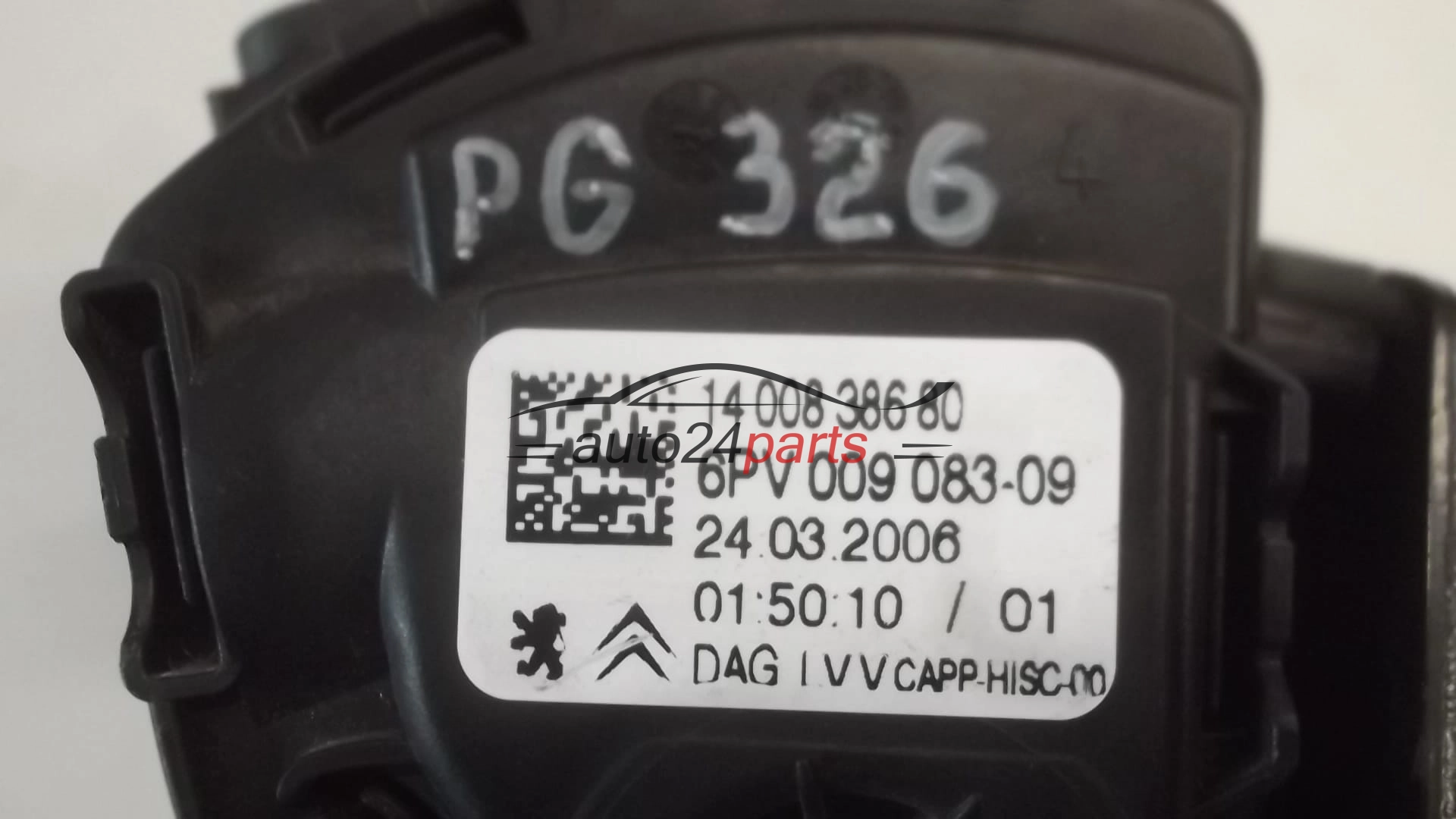
This is a used, working accelerator pedal potentiometer for Citroën Peugeot - numbers 14 008 386 80 / 1400838680; 6PV 009 083-09 / 6PV00908309. Before buying, compare the numbers with the part in your car.
Accelerator pedal potentiometer Citroën Peugeot
This offer is for a used, working accelerator pedal potentiometer for the Citroën Peugeot, engine 2.0 HDI, year 2008. The part is in good condition.
Numbers to compare
- 14 008 386 80 / 1400838680 - PSA (OEM) number
- 6PV 009 083-09 / 6PV00908309 - Hella number
- 2.0 HDI - engine according to the offer
- 2008 - year according to the offer
Fitment
The offer states engine 2.0 HDI. Even so, compare the number 14 008 386 80 with the number on your potentiometer, because different versions were fitted in the same models.
Symptoms of a faulty potentiometer
- the engine holds raised revs without touching the pedal,
- acceleration is sluggish,
- an engine fault message appears on the dashboard,
- the car runs only at emergency revs.
Before you buy the potentiometer, check the connector and wiring and read the fault codes - a corroded contact or damaged wire causes similar symptoms.
Questions and answers
| Is adaptation needed after replacement? |
|---|
| In some cars you need to clear the fault codes or adapt the pedal after replacement. This depends on the model and version, so check it before buying. |
| Which number matters most when choosing the part? |
| It is best to compare all numbers on the part, above all the one marked as the manufacturer or OEM number. |
| Is the part new? |
| The potentiometer is used but working. The warranty is listed in the product attributes. |
Send a photo of your potentiometer or its number to contact@auto24parts.com and we will confirm whether this part fits.

