







A used engine control unit will not usually start your car straight away, because its memory holds the immobiliser data of the car it came from. We explain how ECU programming, coding and cloning differ, and which preparation option to choose for your replacement ECU.
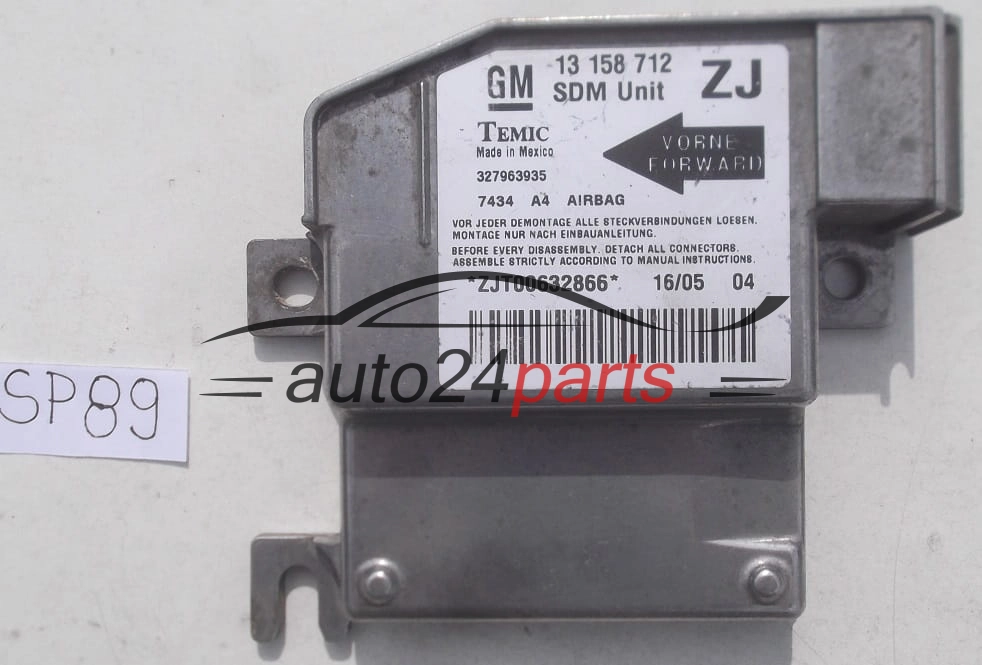
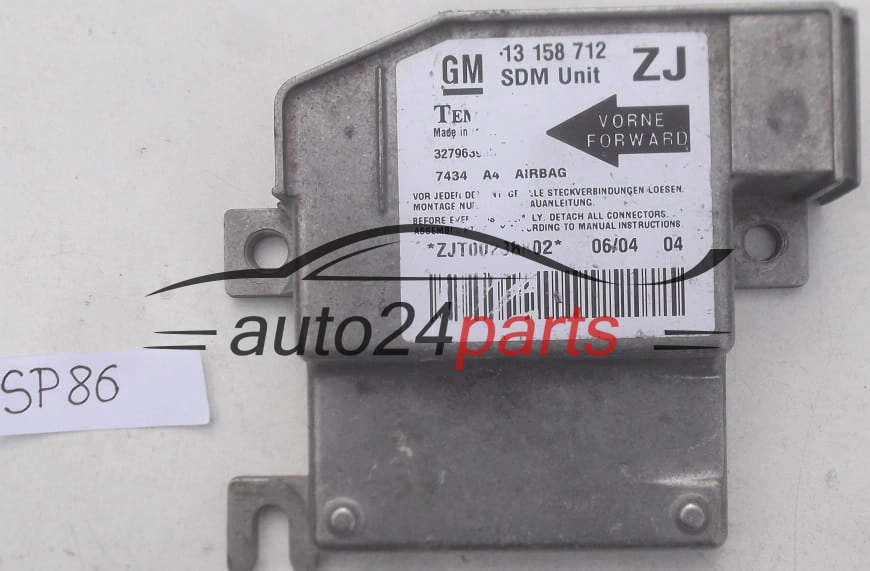
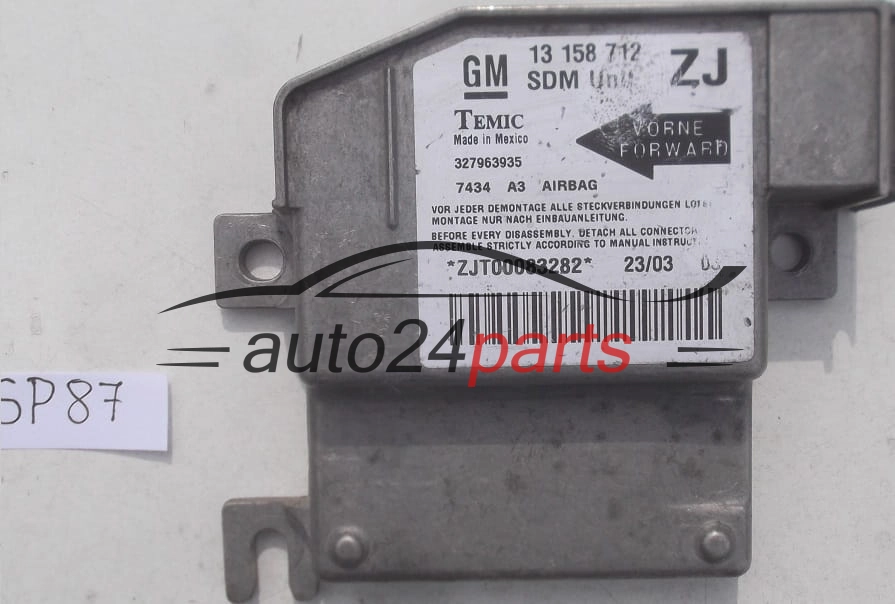
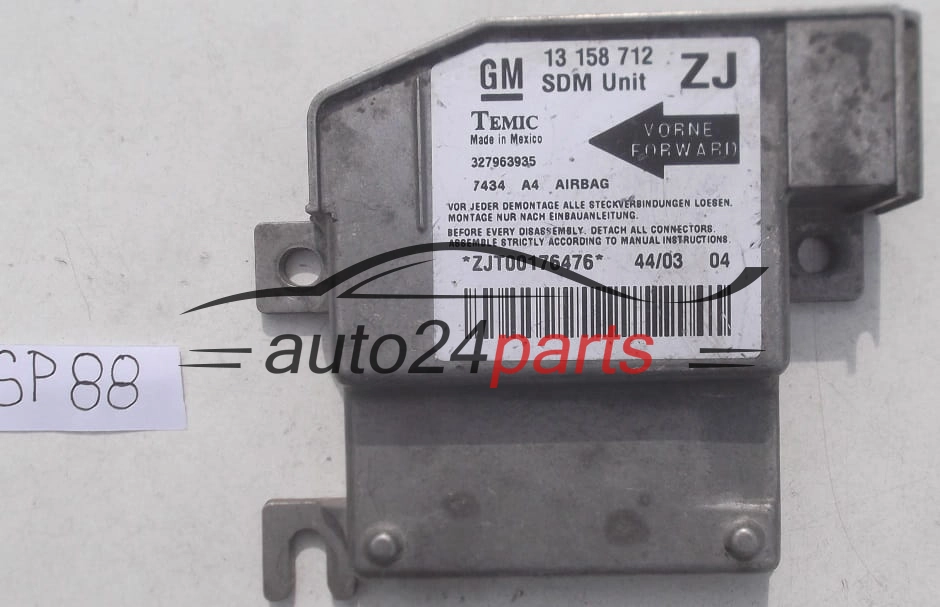
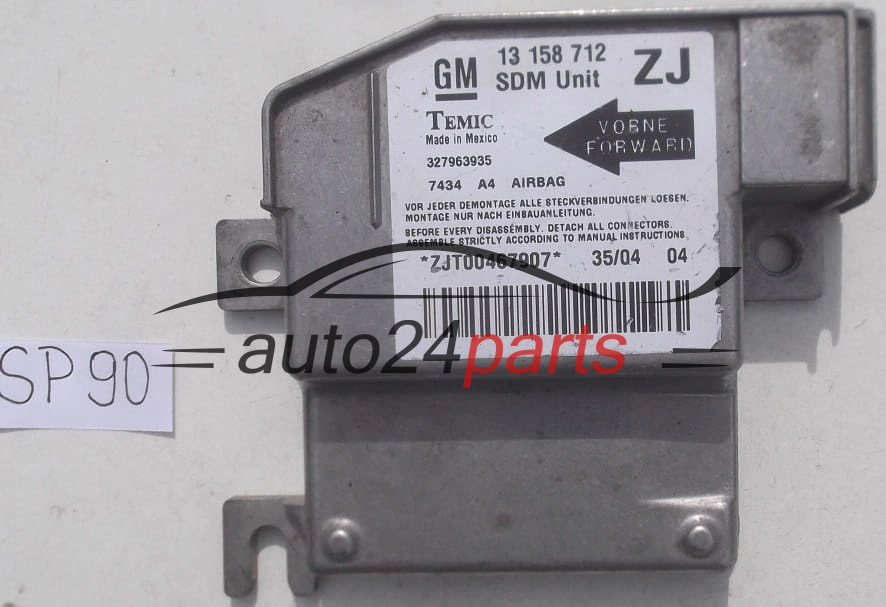
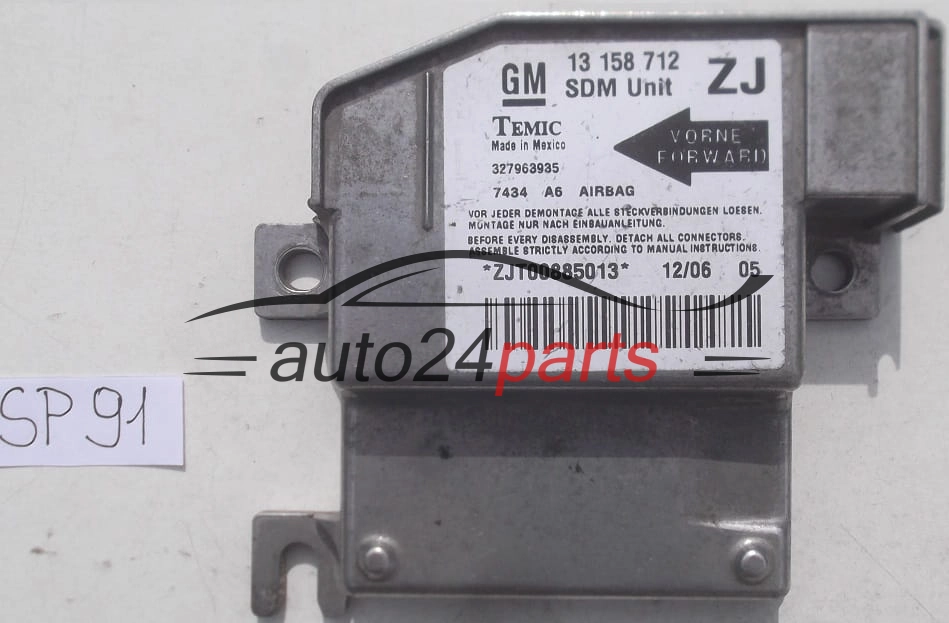
Airbag control module Opel Meriva A 13158712 ZJ, 93177229, 6235247
Vendors's code: 13158712ZJ
Product code: 13158712ZJ
Barcode:
Code 39:
ISBN:
160,00 zł
Price
160,00 zł
160,00 zł
Price
160,00 zł

Ask about the product

Airbag control module Opel Meriva A 13158712 ZJ, 93177229, 6235247
Administratorem danych osobowych jest Auto24parts. Przetwarzamy je w celu przesłania odpowiedzi na zapytanie. Więcej informacji dotyczących przetwarzania danych osobowych znajduje się w polityce prywatności.
Shipping
from
120,00 zł
-
shipping
(Poland)
from
120,00 zł
-
shipping
(Poland)
Price 30 euros applies shipments to 5 kg on worldwide. Above this weight, please contact us by email to check price
Shipping cost for the selected product
The shipping cost applies to this product (in the selected variant - if applicable). It may change after adding other products to the cart.

Looking for airbag ECU 13158712 ZJ for the Opel Meriva A?
Airbag ECU 13158712 ZJ for the Opel Meriva A. This is a used part. The safest way to match it is by the number on the housing sticker.
Airbag control module Opel Meriva A 13158712 ZJ, 93177229, 6235247
Looking for module number 13158712 ZJ? We have an airbag control module for the Opel Meriva A. This is a used part. You can collect the module in person or order it with shipping.
Numbers and markings
- 13158712 ZJ - OEM number
- 93177229 - OEM number
- 6235247 - OEM number
Which cars it fits
- Opel Meriva A
If your module has a different number or letter code, write to us before you buy.
What this module does
The module evaluates signals from its built-in acceleration sensor and from the crash sensors. When it detects a collision, it fires the airbags and seat belt pretensioners within milliseconds. The module is usually mounted in the middle of the car, for example under the centre console or on the floor tunnel, where it can best measure body deceleration in an impact.
Typical fault symptoms
Replacement may be needed when:
- the airbag warning light stays on after the engine starts,
- the housing or connector has been flooded or corroded,
- after accident repairs the module fails the system self-test.
Fitting and start-up
Fit the module according to the driving-direction arrow on the housing and tighten it firmly, as a loose mounting disturbs acceleration measurement. After fitting, clear the fault codes and check that the airbag light goes out a few seconds after you switch on the ignition.
FAQ before you buy
| Does the module need programming? |
|---|
| On some models it has to be coded or adapted with a diagnostic tool after replacement. If you are not sure about your car, ask a workshop or write to us. |
| Can I send a photo of my module? |
| Yes, send a photo of the label to contact@auto24parts.com and we will compare the numbers. |
| How can I receive my order? |
| You can collect the module in person or order it with shipping. |
Order online or write to contact@auto24parts.com and we will answer your compatibility questions.

