






A used engine control unit will not usually start your car straight away, because its memory holds the immobiliser data of the car it came from. We explain how ECU programming, coding and cloning differ, and which preparation option to choose for your replacement ECU.
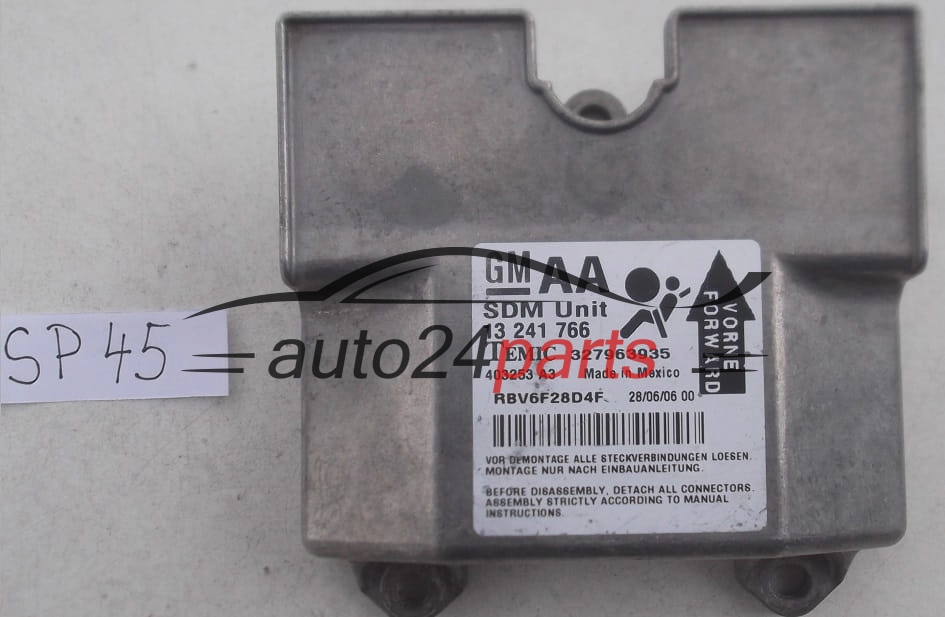
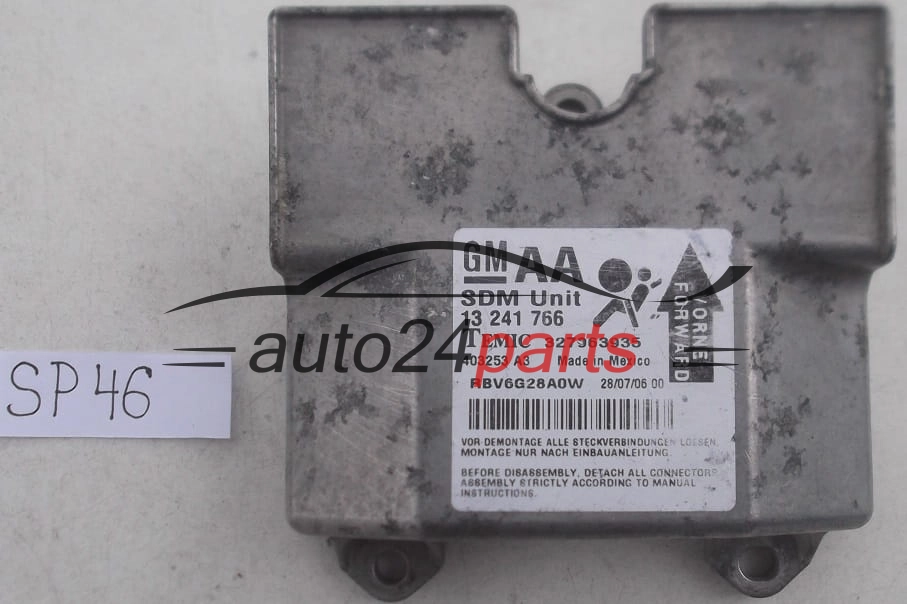
Airbag control module Opel Zafira B 13241766 AA, 13241766, 93187855
Vendors's code: 13241766AA
Product code: 13241766AA
Barcode:
Code 39:
ISBN:
Ask about the product

Airbag control module Opel Zafira B 13241766 AA, 13241766, 93187855
Administratorem danych osobowych jest Auto24parts. Przetwarzamy je w celu przesłania odpowiedzi na zapytanie. Więcej informacji dotyczących przetwarzania danych osobowych znajduje się w polityce prywatności.
Shipping
from
$30.11
-
shipping
(Poland)
from
$30.11
-
shipping
(Poland)
Price 30 euros applies shipments to 5 kg on worldwide. Above this weight, please contact us by email to check price
Shipping cost for the selected product
The shipping cost applies to this product (in the selected variant - if applicable). It may change after adding other products to the cart.

Looking for airbag ECU 13241766 AA for the Opel Zafira B?
This is an airbag control module with number 13241766 AA, used in the Opel Zafira B. This is a used part. Before buying, compare the number with the label on your own module.
Airbag control module Opel Zafira B 13241766 AA, 13241766, 93187855
This listing covers one specific module: airbag control module 13241766 AA, application: Opel Zafira B. This is a used part. You can collect the module in person or order it with shipping.
Numbers and markings
- 13241766 AA - OEM number
- 13241766 - OEM number
- 93187855 - OEM number
- 1232041 - OEM number
Vehicle compatibility
- Opel Zafira B
If your module has a different number or letter code, write to us before you buy.
Its role in the safety system
While you drive, the module keeps checking the airbag, pretensioner and sensor circuits. If it finds a fault, it switches on the airbag warning light and stores a fault code. The module has its own energy reserve, so it can still fire the airbags if the battery supply is cut during a crash.
When the module may need replacing
These symptoms can point to a module fault:
- the module recorded crash data after the airbags deployed,
- the airbag light comes on intermittently or flashes,
- after accident repairs the module fails the system self-test.
Fitting tips
Fit the module according to the driving-direction arrow on the housing and tighten it firmly, as a loose mounting disturbs acceleration measurement. Also inspect the plugs and wiring leading to the module, because a damaged harness causes symptoms similar to a module fault.
Questions and answers
| Can I send a photo of my module? |
|---|
| Yes, send a photo of the label to contact@auto24parts.com and we will compare the numbers. |
| Who should fit the module? |
| The airbag system contains pyrotechnic charges, so fitting is best left to a workshop. |
| Can a module be reused after an accident? |
| After the airbags deploy, the module usually stores crash data and has to be replaced or have that data cleared by a specialist workshop. |
Not sure about the number? Send a photo of the label to contact@auto24parts.com and we will help you choose.

