

English zł
English zł
Open search engine
Search
Close search engine Clear Search
Open search engine
Search
Close search engine Clear Search
English zł
English zł
Products in the cart: 0. See details
Open search engine
Search
Close search engine Clear Search

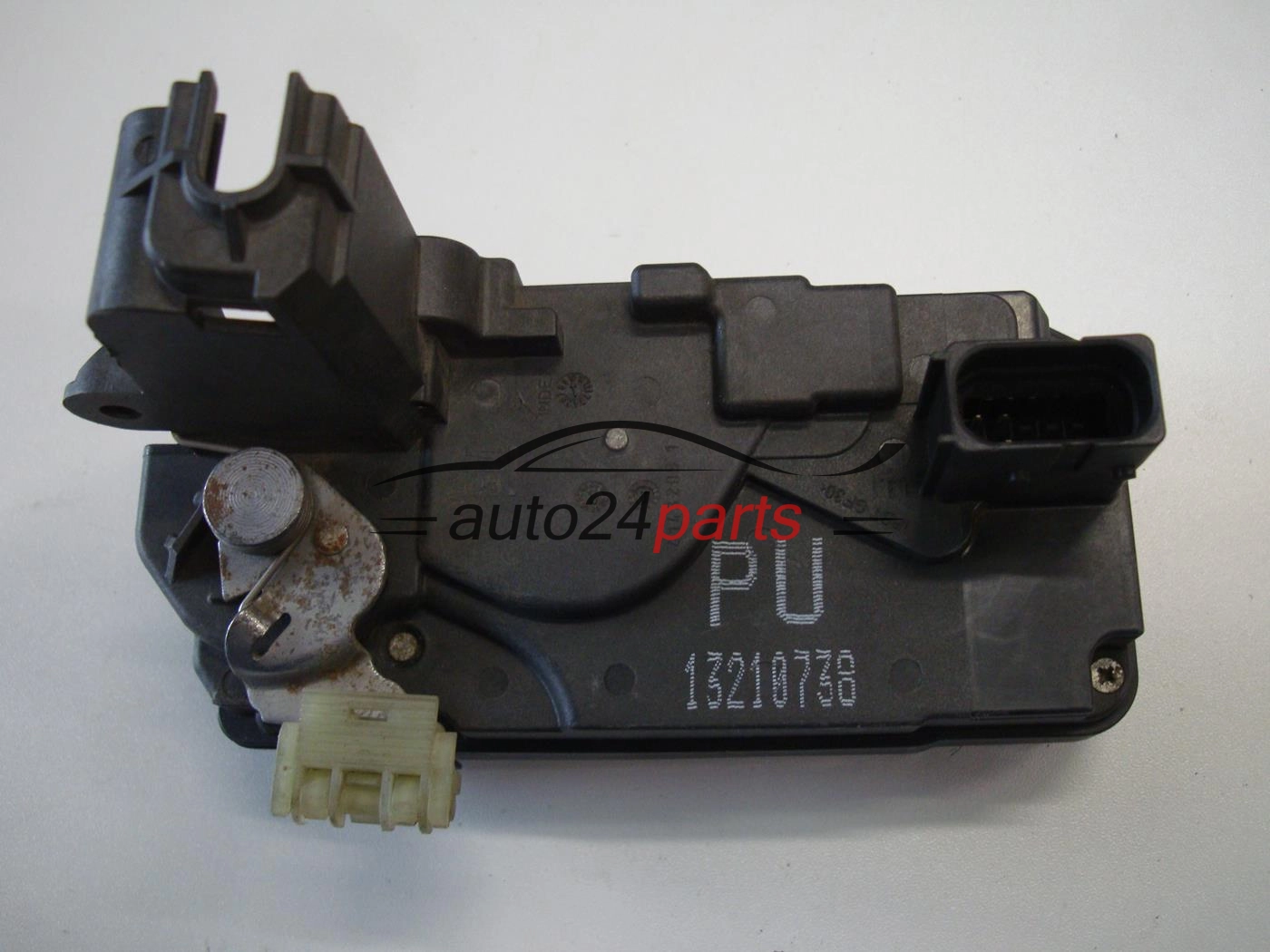
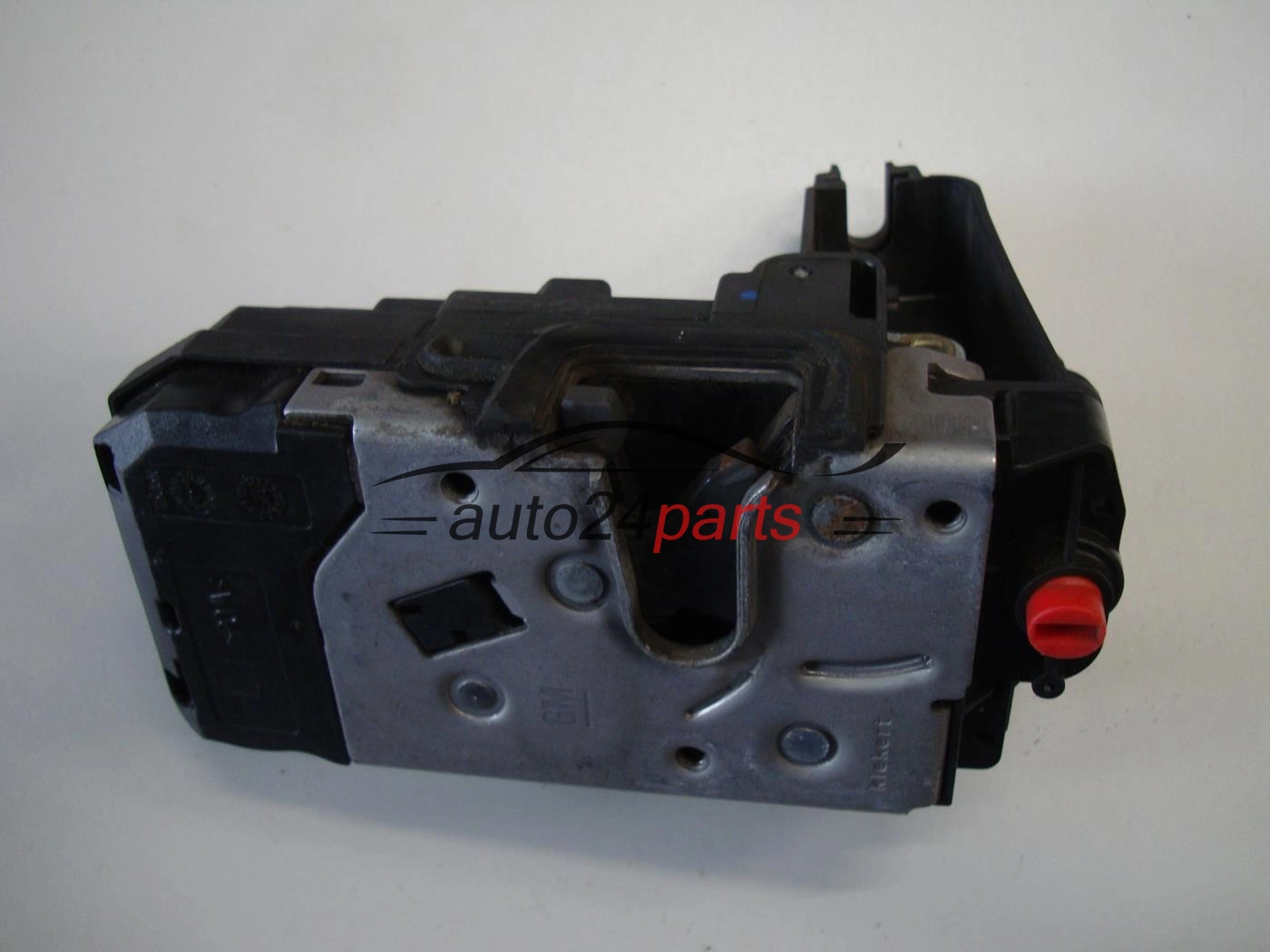
Central locking door lock rear Opel Astra H 13210738PU 4-pin

  • Part Type Central locking door lock
  • Vehicle Make and Model Opel Astra H
  • Manufacturer Part Number 13210738 PU / 13210738PU
  • Warranty 6-month warranty
  • Condition Used, working, in good condition
  • Testing & Inspection Device thoroughly inspected and tested by a certified technician
GM
with VAT without VAT
Price 280,00 zł
Availability:
product-availability-module In stock
pcs.

Fast Delivery

DHL Express - 30 euro

6 Month Warranty

Returns Possible up to 14 days

Secure payments

Stripe - Paypal - Credit Card
Ask about the product
Shipping from 120,00 zł - shipping (Poland)

Price 30 euros applies shipments to 5 kg on worldwide. Above this weight, please contact us by email to check price


PRODUCT DETAILS

  • Part Type Central locking door lock
  • Vehicle Make and Model Opel Astra H
  • Manufacturer Part Number 13210738 PU / 13210738PU
  • Warranty 6-month warranty
  • Condition Used, working, in good condition
  • Testing & Inspection Device thoroughly inspected and tested by a certified technician

Does door lock 13210738PU fit your Opel Astra H?

This is a used, working central locking lock for the rear door, number 13210738PU, for the Opel Astra H. Before buying, compare the number with the label on your lock.

Go to full description

Central locking door lock rear Opel Astra H 13210738PU 4-pin

On offer: a used, working central locking door lock, number 13210738PU, for the rear door of the Opel Astra H. Good condition, 6-month warranty. The connector has 4 pins.

Numbers on the label

  • 13210738 PU / 13210738PU - part number

Fitment according to the listing

  • Opel Astra H - model
  • rear - door
  • 4 pins - connector

Typical faults

  • you hear the actuator, but the door does not react,
  • the dashboard shows the door as open,
  • the door is hard to close or does not open from inside,
  • the door does not unlock with the remote.

The lock in the central locking system

Door locks are exposed to moisture, frost and frequent use, so the latch mechanism and the actuator wear over time. That is why a single door often stops responding to central locking while the others still work.

Matching by number

If several doors stop working at once, the cause is more likely the central locking control, a fuse or the wiring between door and body than the lock itself. Before replacing the lock, check that the rods to the handle are not seized and that power reaches the connector. A broken wire in the door loom gives similar symptoms.

Frequently asked questions

Why does only one door not lock?
This usually points to the lock or its actuator in that door. If several doors fail, check the central locking control and wiring first.
What should I check when fitting?
Check the connector, the wiring in the door and the rods to the inner and outer handle.
Can I ask about fitment before buying?
Yes. Send us the number or a photo of your lock and we will check it for you.

Not sure about the version? Send the number or a photo of your lock to contact@auto24parts.com and we will check fitment.

  • How to Check the Operation of a Transmission Control Module - Symptoms

    A faulty transmission control module (TCM) most often causes limp mode with the gearbox stuck in one gear, harsh jolts when you select D or R, erratic gear changes, flashing PRND letters and a gearbox or engine warning light. However, the same symptoms are often caused by a low gearbox oil level, a weak battery, a poor earth or a faulty sensor. To test a transmission control module, start by checking the battery and reading the fault codes with a diagnostic tool that can talk to the gearbox control unit, then check the power supply, the connector, the oil and the live data. Below we explain the symptoms, the diagnostic steps and what the most common fault codes mean.

    Read more
  • Burned Engine Control Unit: Symptoms, Causes, and the Optimal Solution

    A burned engine control unit (ECU) usually causes a sudden no-start: the engine cranks but will not start, the diagnostic tool cannot connect to the ECU, and the engine management light does not come on when you switch on the ignition. The most common causes are a voltage spike when jump-starting, reversed battery polarity, a faulty voltage regulator and a short circuit in the wiring loom or in an actuator. Below we explain how to tell a burned ECU from a power supply fault, what causes this kind of failure and how to choose a replacement ECU.

    Read more
  • Flooded Automatic Transmission Control Module or Burnt TCM - Symptoms

    A burnt-out or flooded automatic transmission control module (TCM) usually causes sudden symptoms: limp mode with the gearbox stuck in one gear, harsh thumps when you select D or R, no response to the gear selector, flashing or blank PRND letters and no communication between the diagnostic tool and the gearbox control unit. Flooding is most often caused by blocked scuttle panel drains, washing the engine bay or coolant in the gearbox oil, and a burnout by overheating, a short circuit or a voltage spike. Below we explain the symptoms, what to do straight away and why drying out or repairing such a control unit rarely gives a lasting result.

    Read more
  • Water-damaged ABS pump control module or a burnt-out one - what next?

    A water-damaged or burnt-out ABS pump control module most often lights up the dashboard like a 'Christmas tree' (ABS, ESP and the red brake warning light), leaves the diagnostic tool unable to communicate with the ABS module, makes the pump motor run non-stop or stops the speedometer working. Water usually gets into the module when the scuttle panel drains are blocked, after the engine bay has been cleaned with a pressure washer or after driving through a deep puddle, while a burnout is most often caused by a short circuit or a voltage spike. Below we describe the symptoms, what to do straight away and why drying or repairing such a module rarely gives lasting results.

    Read more
  • Flooded engine control unit - symptoms, consequences and what to do

    A flooded engine control unit (ECU) most often causes a no-start, a 'Christmas tree' of warning lights on the dashboard, no communication with the diagnostic tool, or rough running in limp mode. Water usually gets into the ECU from blocked scuttle drains, after the engine bay has been cleaned with a pressure washer, or after driving through deep water. Below we describe the symptoms of a water-damaged ECU, what to do straight after the ECU gets wet, and why drying or repairing it rarely gives lasting results.

    Read more
  • How to test an ABS module and pump - failure symptoms and checks

    The most common symptom of a faulty ABS pump or ABS module is an ABS warning light that stays on after the engine starts, often together with the ESP light. The brakes still work, but without ABS the wheels can lock under hard braking. To test an ABS module, start by reading the fault codes with a diagnostic tool that can talk to the ABS unit, then check the power supply, the earth and the wheel speed sensors. Only when all of these are fine is the module itself usually to blame.

    Read more