



For an Astra G or Zafira A, an HSFI 2.1 Virgin ECU programmed with the Car Pass code is enough, or a three-part set. In a Corsa C or Combo with a CAN bus immobiliser, the Plug & Play set has five parts, and the ECU on its own will not start the engine without programming.
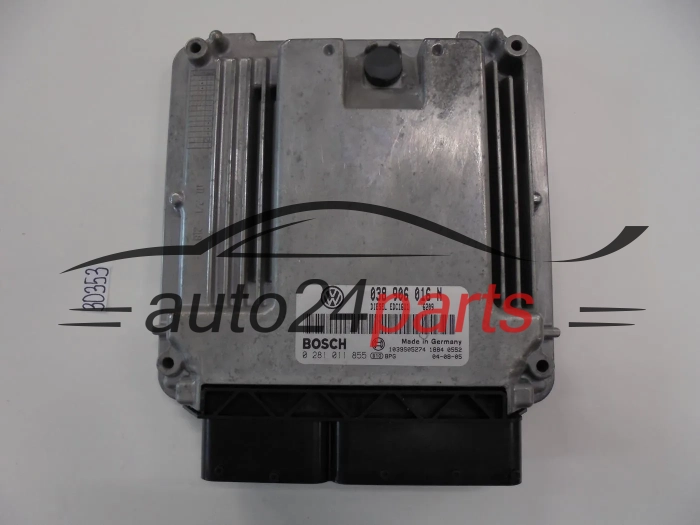
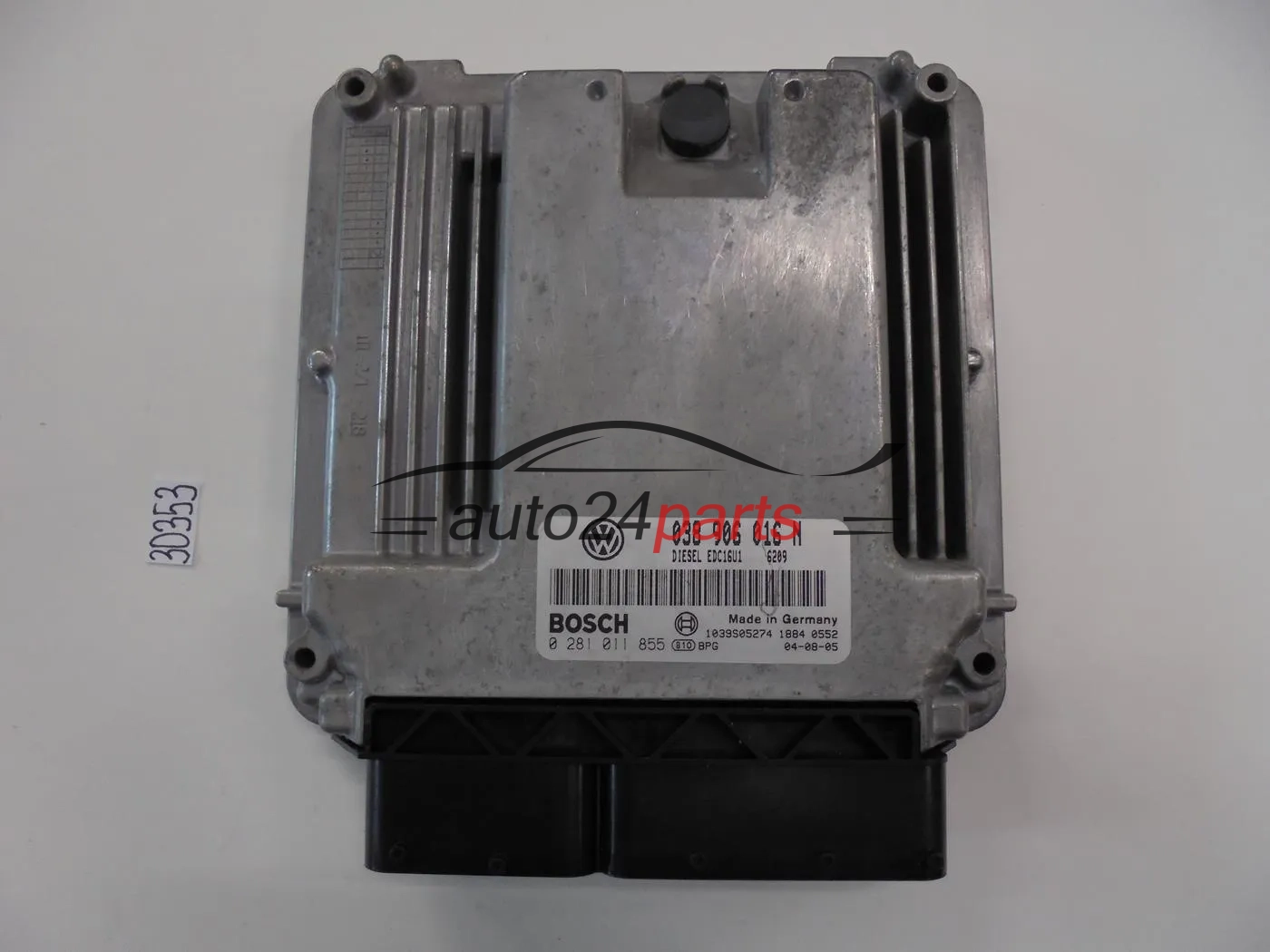
Engine Control Unit Volkswagen T5 1.9 TDI Bosch 038906016N 0281011855
Vendors's code: 0281011855
Product code: 038906016N
Barcode:
Code 39:
ISBN:
€243.90
Price
€243.90
€300.00
Price
€300.00
In stock
Select a product option:
Individual variants may differ in price
Ask about the product
Engine Control Unit Volkswagen T5 1.9 TDI Bosch 038906016N 0281011855
Administratorem danych osobowych jest Auto24parts. Przetwarzamy je w celu przesłania odpowiedzi na zapytanie. Więcej informacji dotyczących przetwarzania danych osobowych znajduje się w polityce prywatności.
Shipping
from
€30.00
-
shipping
(Poland)
from
€30.00
-
shipping
(Poland)
Price 30 euros applies shipments to 5 kg on worldwide. Above this weight, please contact us by email to check price
Shipping cost for the selected product
The shipping cost applies to this product (in the selected variant - if applicable). It may change after adding other products to the cart.

Looking for ECU 038906016N for the T5 1.9 TDI?
You have found it: a used, working Bosch module 0281011855 with VW number 038906016N, removed from a Volkswagen T5 1.9 TDI. You can choose the locked or unlocked version.
Engine Control Unit Volkswagen T5 1.9 TDI Bosch 038906016N 0281011855
Number 038906016N, with a single letter at the end, distinguishes this ECU from the other versions used in the Volkswagen T5 1.9 TDI. It is a Bosch module with number 0281011855, responsible for fuel injection and monitoring the running of the diesel engine. It is used and in working order, in good condition.
How to identify this ECU
- 038906016N – Volkswagen part number, version N
- 0281011855 – Bosch number, shown on the sticker as 0 281 011 855
The letter N denotes the software and hardware version. A module with a different letter may need different matching, so compare the full number on the sticker before buying.
When the ECU may be the cause of the fault
- no start despite a good power supply and fuel,
- the diagnostic tester cannot see the engine ECU,
- the engine suddenly cutting out while driving,
- loss of power with no faults in the engine ancillaries.
Start by inspecting the wiring loom near the ECU – in vans, chafed wires and corroded connectors are common and produce symptoms deceptively similar to a module failure.
Options: locked and unlocked
A locked module contains the data and immobiliser of the donor vehicle – it is mainly bought by workshops that will handle unlocking, programming and matching themselves. An unlocked module is prepared in-house before dispatch; this usually takes 1–2 working days.
The available preparation methods vary depending on the number, software and immobiliser, so not every one of them (PIN / CAR PASS, Virgin, IMMO OFF, auto programming, cloning) will work for this unit. Please ask before buying and take a look at the ECU preparation options page.
Questions and answers
| What is the difference between 038906016N and 0281011855? |
|---|
| They are two numbers for the same module: the Volkswagen one and the Bosch one. |
| How long does the unlocked version take? |
| Preparation usually takes 1–2 working days before dispatch. |
| What condition is the ECU in? |
| It is a used part, in working order and in good condition. You will find the warranty period in the product features table. |
Any questions? Email contact@auto24parts.com and include the numbers from your ECU.