


A faulty transmission control module (TCM) most often causes limp mode with the gearbox stuck in one gear, harsh jolts when you select D or R, erratic gear changes, flashing PRND letters and a gearbox or engine warning light. However, the same symptoms are often caused by a low gearbox oil level, a weak battery, a poor earth or a faulty sensor. To test a transmission control module, start by checking the battery and reading the fault codes with a diagnostic tool that can talk to the gearbox control unit, then check the power supply, the connector, the oil and the live data. Below we explain the symptoms, the diagnostic steps and what the most common fault codes mean.
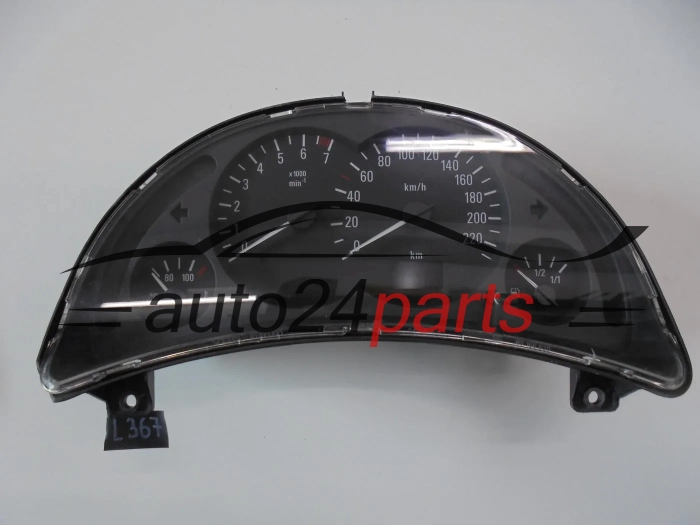
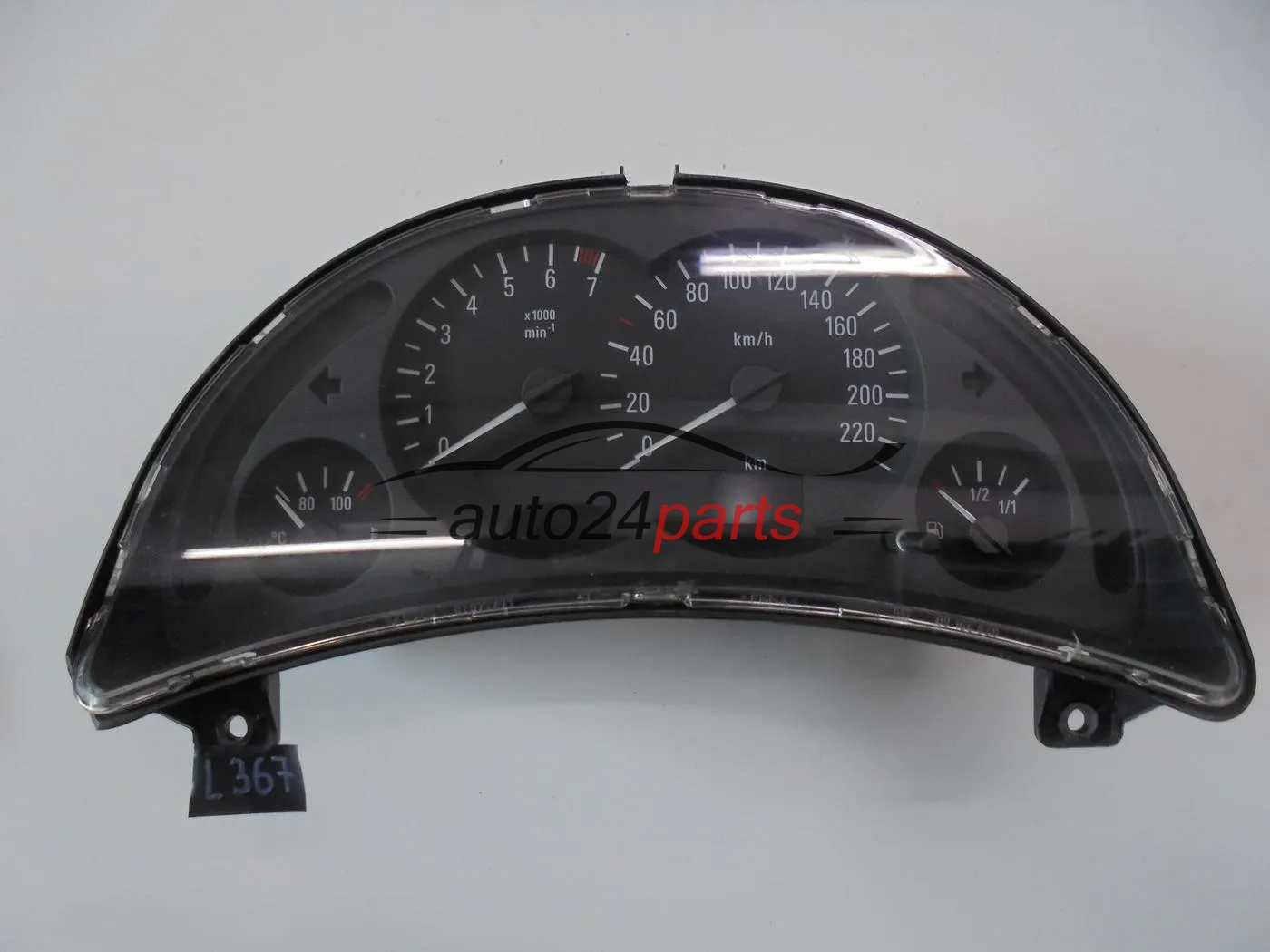
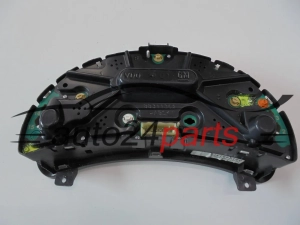
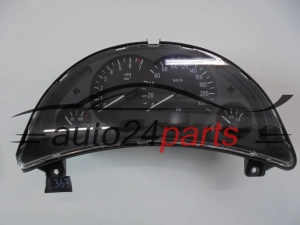
Instrument Cluster Opel Corsa C VDO 09166814FL 110008988009
Vendors's code: 110008988009
Product code: 0F7B-578A2
Barcode:
Code 39:
ISBN:
292,68 zł
Price
292,68 zł
360,00 zł
Price
360,00 zł

Ask about the product
Instrument Cluster Opel Corsa C VDO 09166814FL 110008988009
Administratorem danych osobowych jest Auto24parts. Przetwarzamy je w celu przesłania odpowiedzi na zapytanie. Więcej informacji dotyczących przetwarzania danych osobowych znajduje się w polityce prywatności.
Shipping
from
120,00 zł
-
shipping
(Poland)
from
120,00 zł
-
shipping
(Poland)
Price 30 euros applies shipments to 5 kg on worldwide. Above this weight, please contact us by email to check price
Shipping cost for the selected product
The shipping cost applies to this product (in the selected variant - if applicable). It may change after adding other products to the cart.

Instrument cluster 09166814FL – does it fit your Opel Corsa C?
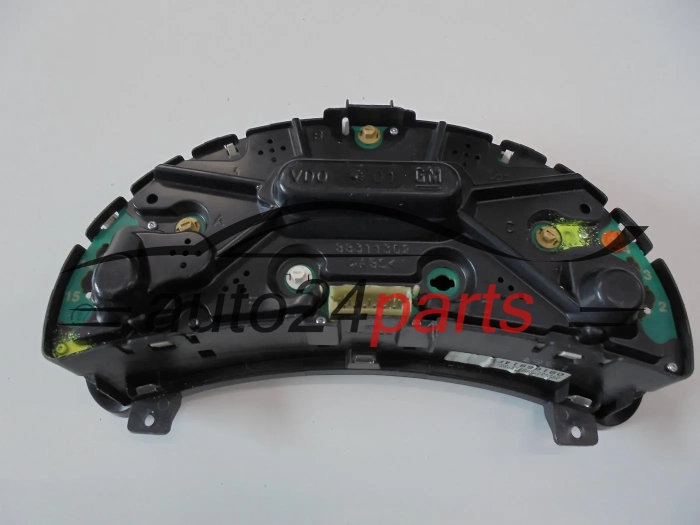
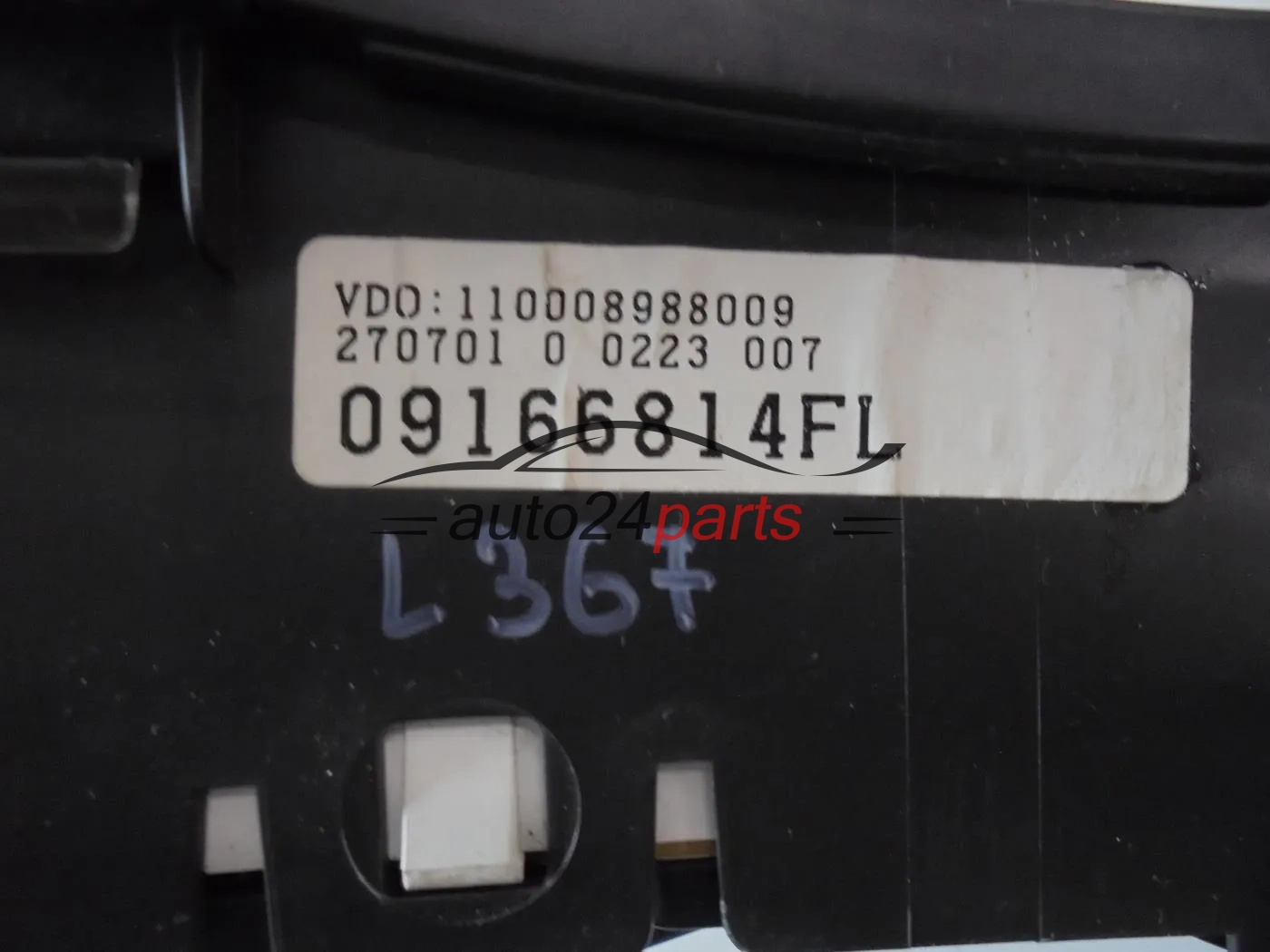
This is a used, working instrument cluster made by VDO, Opel number 09166814FL, VDO number 110008988009. A cluster with this number was fitted to the Opel Corsa C. Before buying, compare the numbers with the label on the rear housing of your cluster.
Instrument Cluster Opel Corsa C VDO 09166814FL
The instrument cluster shows the driver the road speed, engine speed, fuel level, coolant temperature and mileage, as well as the warning lights. This VDO instrument cluster was fitted to the Opel Corsa C.
Part numbers to compare
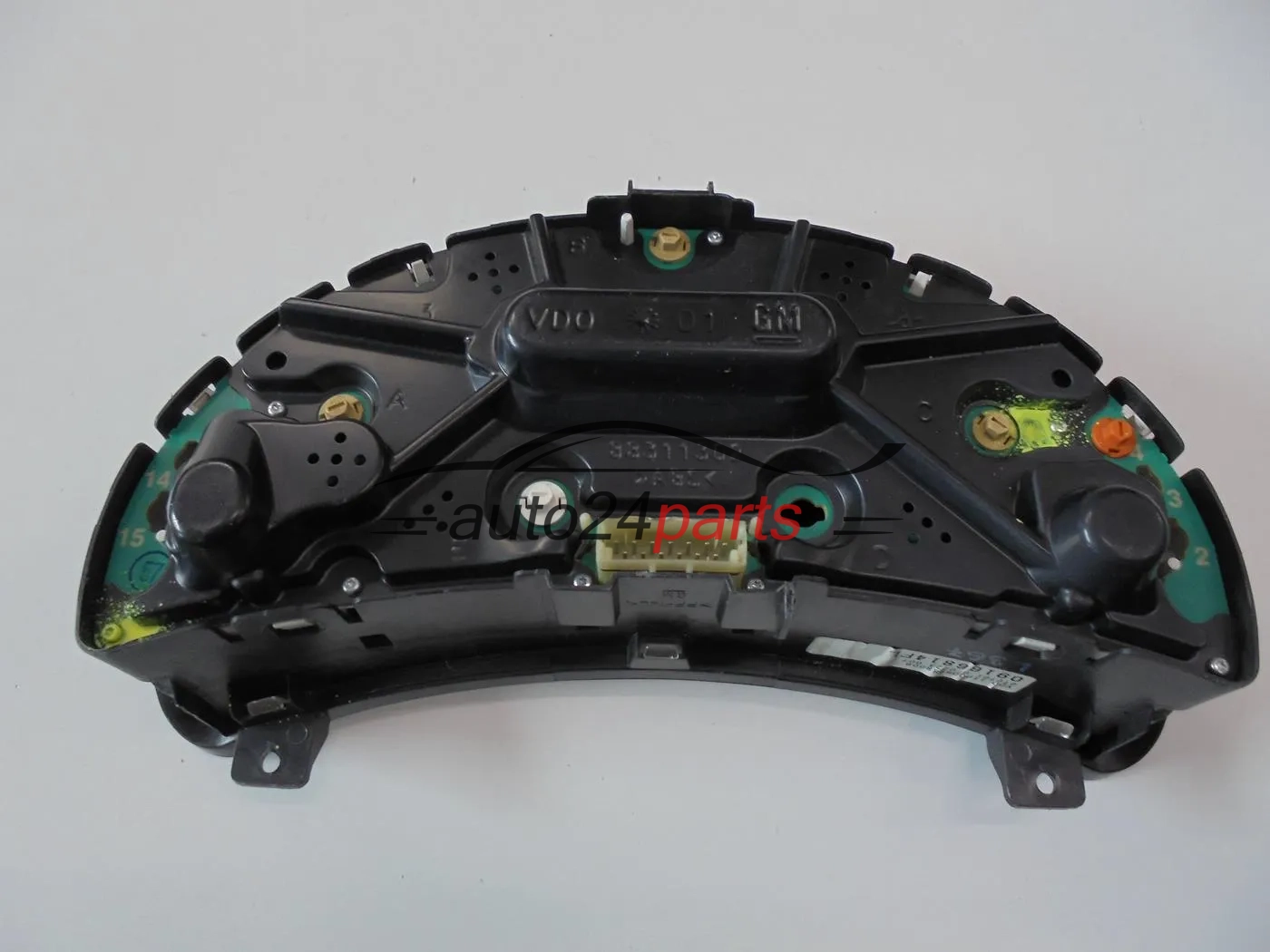
- 09166814FL – Opel part number, on the label: 09166814FL
- 110008988009 – VDO manufacturer number, on the label: VDO:110008988009
You will find both numbers on the white label on the rear housing of the cluster. The safest way to choose is by the full Opel number including the letters at the end – clusters with other numbers, differing in version and equipment, were also fitted to the Corsa C.
Symptoms of a faulty instrument cluster
When the instrument cluster starts to fail, the most common symptoms are:
- speedometer, rev counter or fuel gauge needles not working or jumping,
- a display that goes blank or is hard to read,
- no dial illumination,
- warning lights not working.
Before replacing it, check the fuses, connectors and earth connection of the cluster – a loose connector or damaged wire causes similar symptoms. Bear in mind that after replacement the cluster may show a different mileage from the previous one.
Frequently asked questions
| Which vehicle does the instrument cluster 09166814FL fit? |
|---|
| The cluster with number 09166814FL was fitted to the Opel Corsa C. Other cluster versions were also used in this model, so compare the number with the label on the cluster in your vehicle. |
| Which number is the Opel number and which is the VDO number? |
| 09166814FL is the Opel part number, and 110008988009 is the VDO manufacturer number. Both are on the same label. |
| Will the mileage reading change after replacing the cluster? |
| Yes, it may – a cluster from another vehicle may show a different mileage from the previous one. |
| What condition is this instrument cluster in? |
| It is a used part in good working condition. The warranty period is shown in the product specification table. |
Not sure whether this cluster fits your vehicle? Send us a photo of the label on your old cluster and we will check compatibility.