






A faulty transmission control module (TCM) most often causes limp mode with the gearbox stuck in one gear, harsh jolts when you select D or R, erratic gear changes, flashing PRND letters and a gearbox or engine warning light. However, the same symptoms are often caused by a low gearbox oil level, a weak battery, a poor earth or a faulty sensor. To test a transmission control module, start by checking the battery and reading the fault codes with a diagnostic tool that can talk to the gearbox control unit, then check the power supply, the connector, the oil and the live data. Below we explain the symptoms, the diagnostic steps and what the most common fault codes mean.
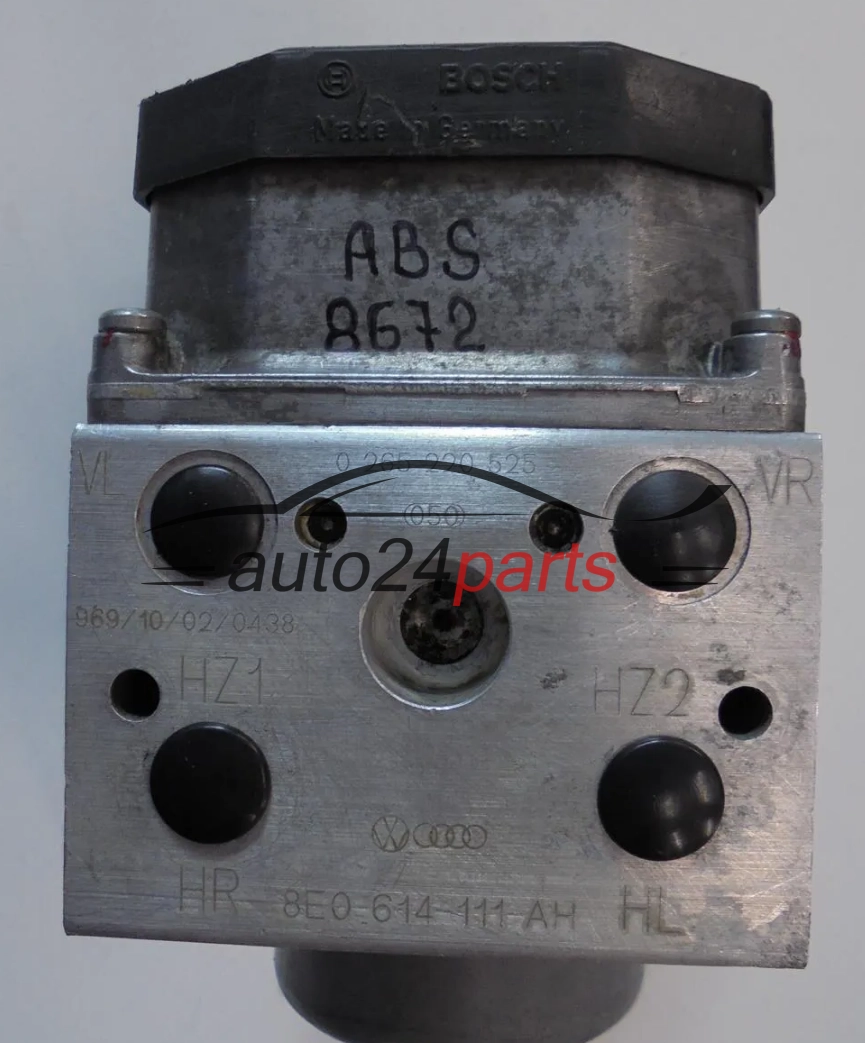
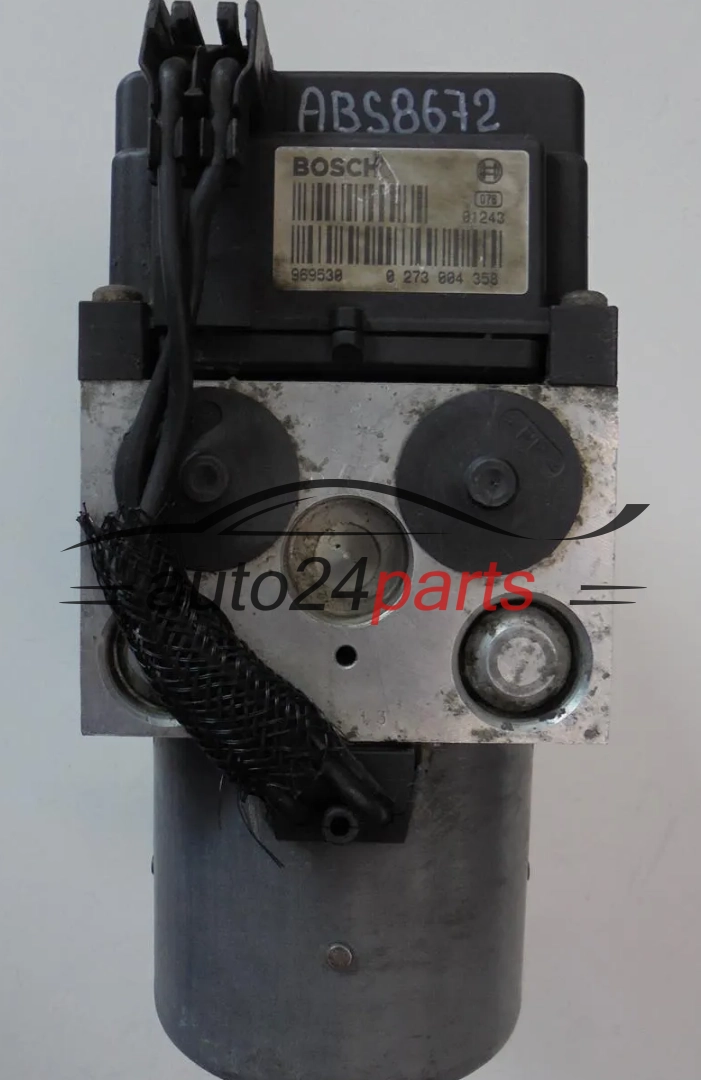
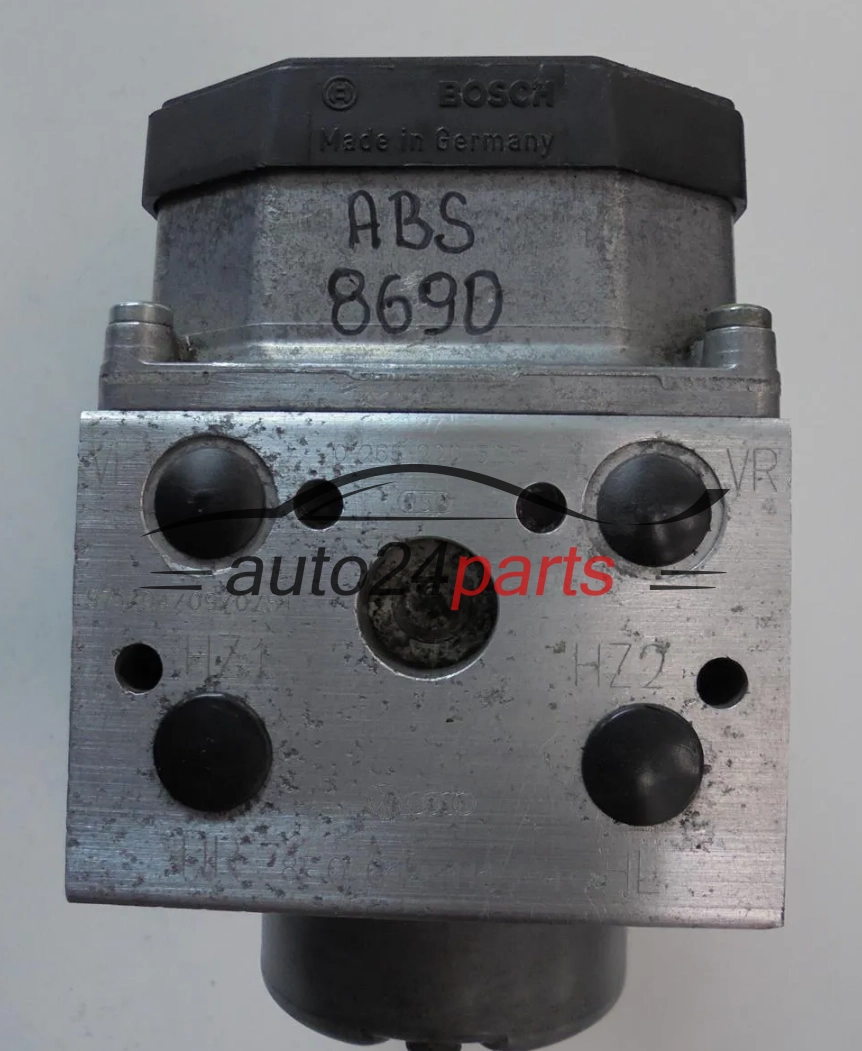
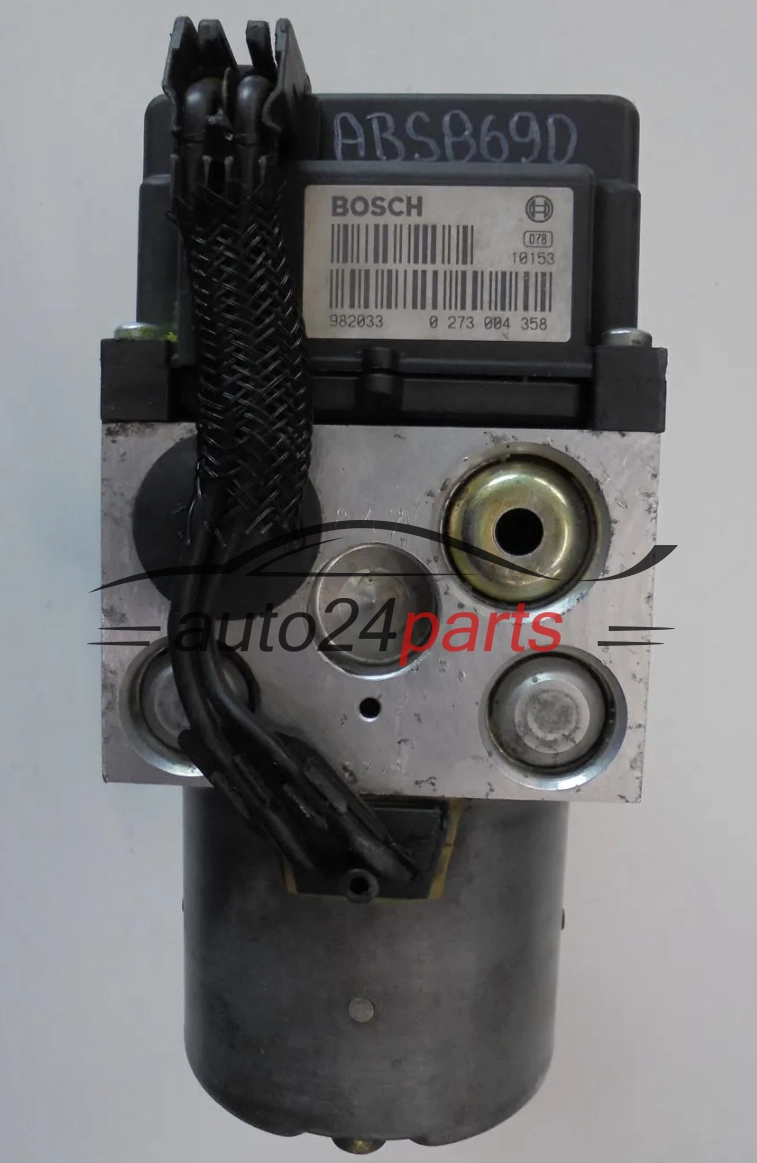
ABS pump and control module Audi Bosch 8E0614111AH 0265220525 0273004358
Vendors's code: 0273004358
Product code: 49AE-98933
Barcode:
Code 39:
ISBN:
€203.25
Price
€203.25
€250.00
Price
€250.00

Ask about the product

ABS pump and control module Audi Bosch 8E0614111AH 0265220525 0273004358
Administratorem danych osobowych jest Auto24parts. Przetwarzamy je w celu przesłania odpowiedzi na zapytanie. Więcej informacji dotyczących przetwarzania danych osobowych znajduje się w polityce prywatności.
Shipping
from
€30.00
-
shipping
(Poland)
from
€30.00
-
shipping
(Poland)
Price 30 euros applies shipments to 5 kg on worldwide. Above this weight, please contact us by email to check price
Shipping cost for the selected product
The shipping cost applies to this product (in the selected variant - if applicable). It may change after adding other products to the cart.

ABS pump 8E0614111AH - how do you make sure it is the right part?
Compare VAG number 8E0 614 111 AH and the Bosch numbers on the labels. We sell this unit from an Audi as used and in working order, together with Bosch control module 0 273 004 358.
ABS pump 8E0614111AH Bosch with module 0273004358
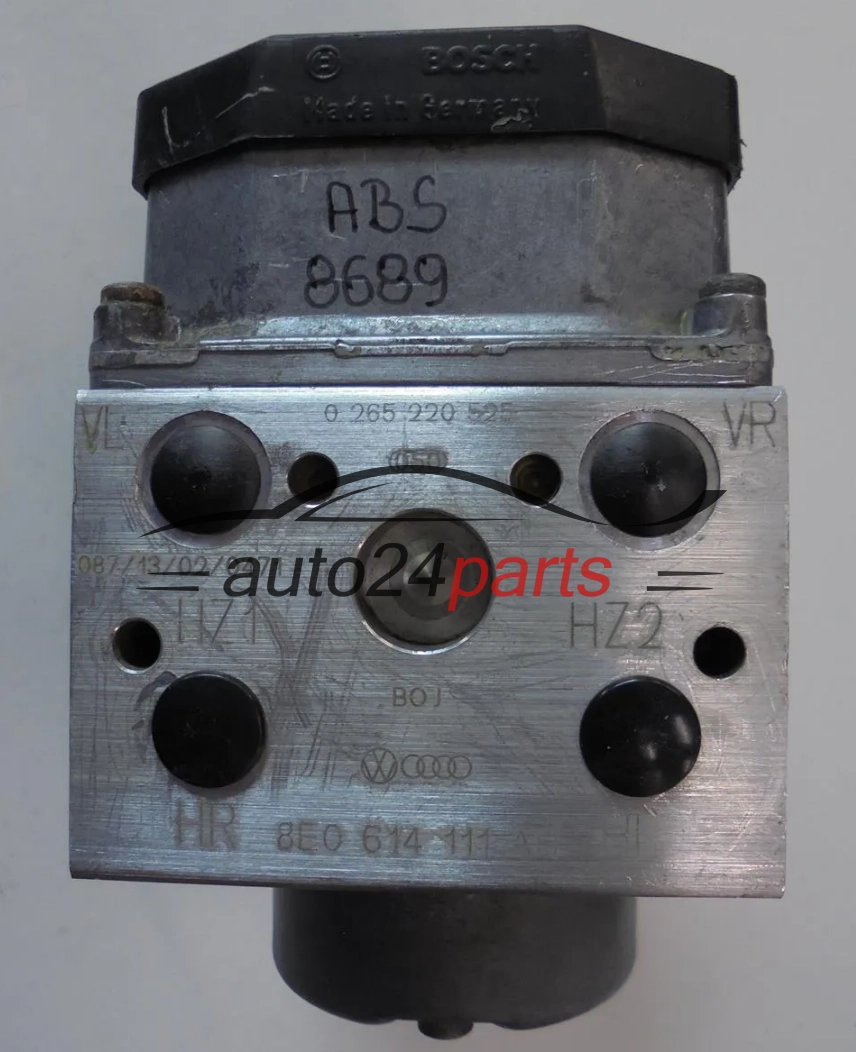
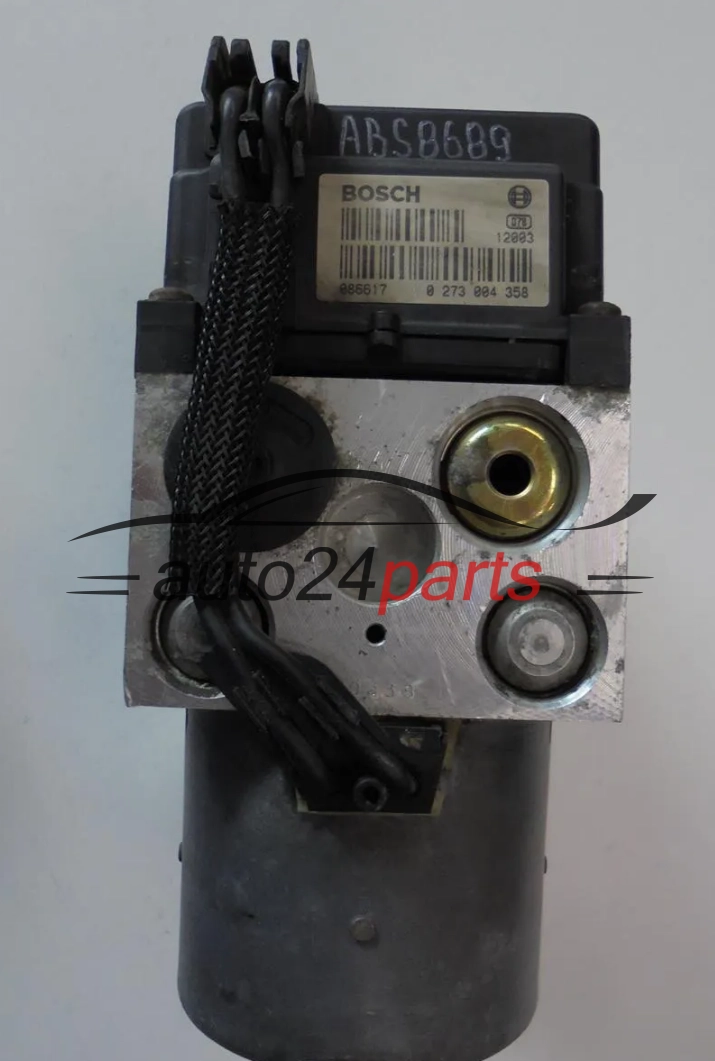
In this older type of unit, the control module has no VAG number of its own - it is marked only with Bosch number 0 273 004 358. Identification therefore rests entirely on VAG pump number 8E0614111AH and Bosch block number 0 265 220 525. Our shop has 8 other variants with the core number 8E0 614 111 that differ in their final letters, and a different letter can signal a different system version. So compare the full number, AH included.
Three numbers from this unit
- 8E0614111AH - VAG - ABS pump (hydraulic unit); marking on the sticker: 8E0 614 111 AH
- 0265220525 - Bosch - hydraulic block (pump); marking on the sticker: 0 265 220 525
- 0273004358 - Bosch - control module, the only number on its label: 0 273 004 358
The VAG number and the Bosch block number are on the hydraulic block sticker, and number 0 273 004 358 is on the control module housing. The block body is also stamped with the port markings (HZ1, HZ2, VL, VR, HL, HR), which help you match this part against the one in your car.
Most common fault symptoms
The most frequently observed symptoms of damage are:
- ABS and ESP/ASR cutting out,
- valve fault in the fault memory,
- ABS warning light on from start-up.
Before deciding on a replacement, check the fault codes with a diagnostic tool, then the wheel speed sensors, fuses, wiring loom and connector - a damaged sensor can produce very similar symptoms. After fitting, the brake system must be bled.
Questions and answers
| What car is this pump for? |
|---|
| For Audi; we match it by number 8E0614111AH and the Bosch numbers, without assigning a specific model. |
| Is the pump in working order, and what warranty does it have? |
| It is used, genuine and in working order. Warranty details, including its period, are in the product features table. |
| Since the control module has no VAG number, what should I compare? |
| The VAG pump number with suffix AH and the Bosch control module number 0 273 004 358. |
| Does the control module need coding? |
| It depends on the car - on many VW Group vehicles coding with a diagnostic tool is carried out after replacement. Check this in diagnostics after fitting. |
If you want to be sure, send us a photo of the stickers on the block and the control module - we will reply with our assessment of compatibility.

