






A faulty transmission control module (TCM) most often causes limp mode with the gearbox stuck in one gear, harsh jolts when you select D or R, erratic gear changes, flashing PRND letters and a gearbox or engine warning light. However, the same symptoms are often caused by a low gearbox oil level, a weak battery, a poor earth or a faulty sensor. To test a transmission control module, start by checking the battery and reading the fault codes with a diagnostic tool that can talk to the gearbox control unit, then check the power supply, the connector, the oil and the live data. Below we explain the symptoms, the diagnostic steps and what the most common fault codes mean.
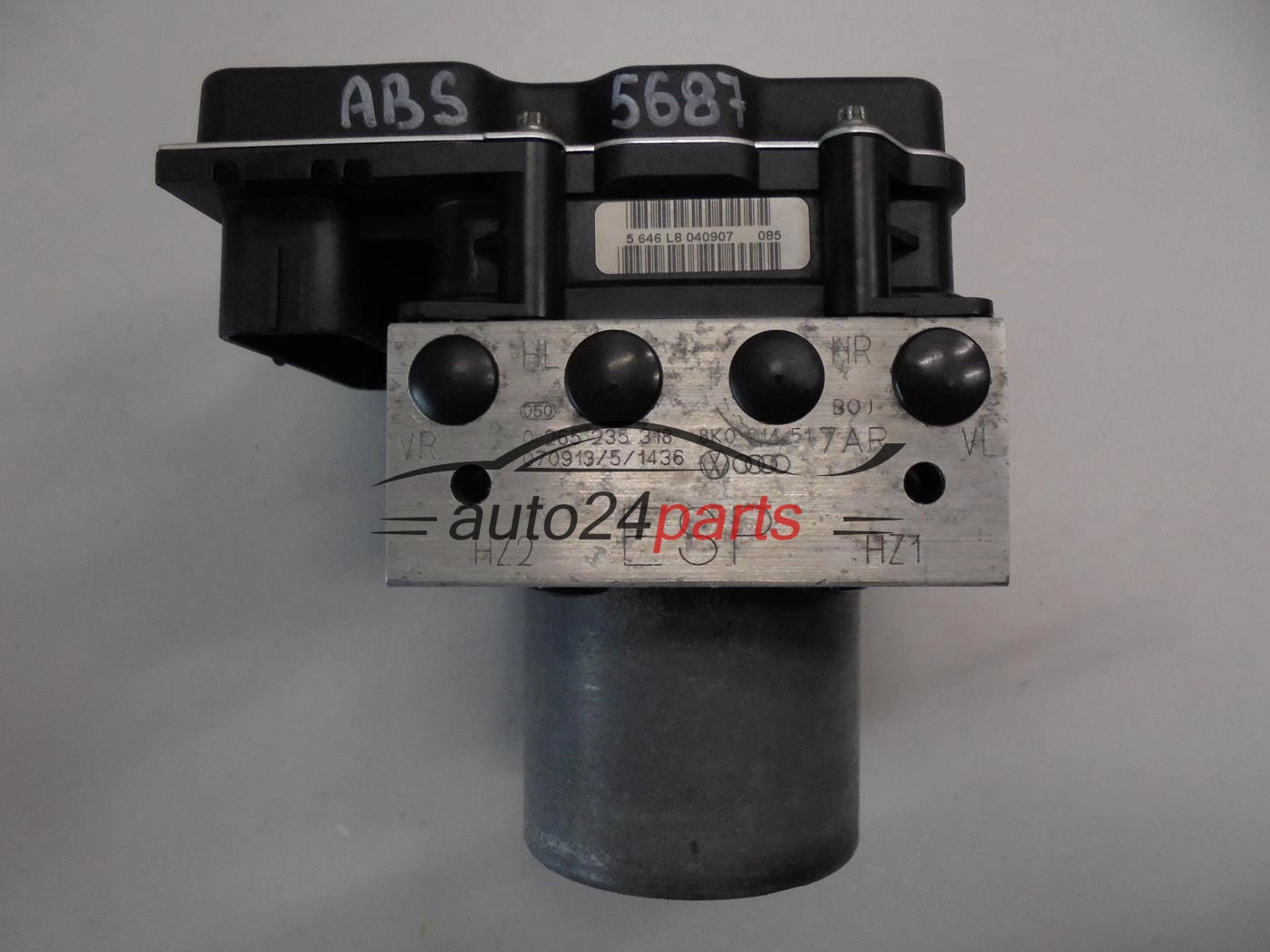
ABS pump and control module Audi Bosch 8K0614517AR 0265235318 8K0907379M 0265950690
Vendors's code: 8K0907379M
Product code: 8K0614517AR
Barcode:
Code 39:
ISBN:
€243.90
Price
€243.90
€300.00
Price
€300.00

Ask about the product

ABS pump and control module Audi Bosch 8K0614517AR 0265235318 8K0907379M 0265950690
Administratorem danych osobowych jest Auto24parts. Przetwarzamy je w celu przesłania odpowiedzi na zapytanie. Więcej informacji dotyczących przetwarzania danych osobowych znajduje się w polityce prywatności.
Shipping
from
€30.00
-
shipping
(Poland)
from
€30.00
-
shipping
(Poland)
Price 30 euros applies shipments to 5 kg on worldwide. Above this weight, please contact us by email to check price
Shipping cost for the selected product
The shipping cost applies to this product (in the selected variant - if applicable). It may change after adding other products to the cart.

Need ABS unit 8K0614517AR with control module 8K0907379M?
This Bosch item for Audi is used and working, and its block is stamped with number 8K0 614 517 AR. Compare it with the number on your pump and with the control module number - that is enough to judge compatibility.
ABS pump 8K0614517AR with ESP module - Bosch
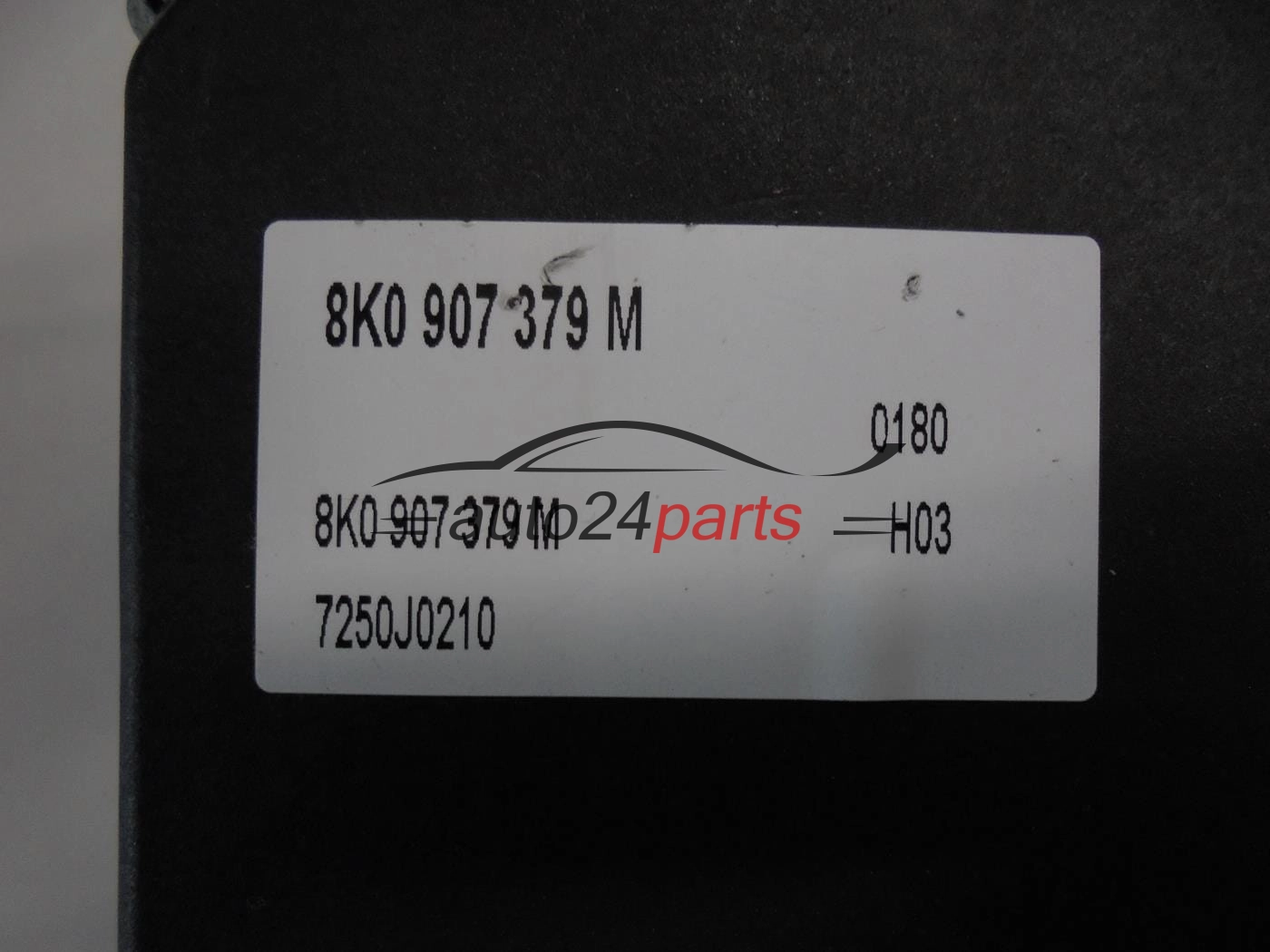
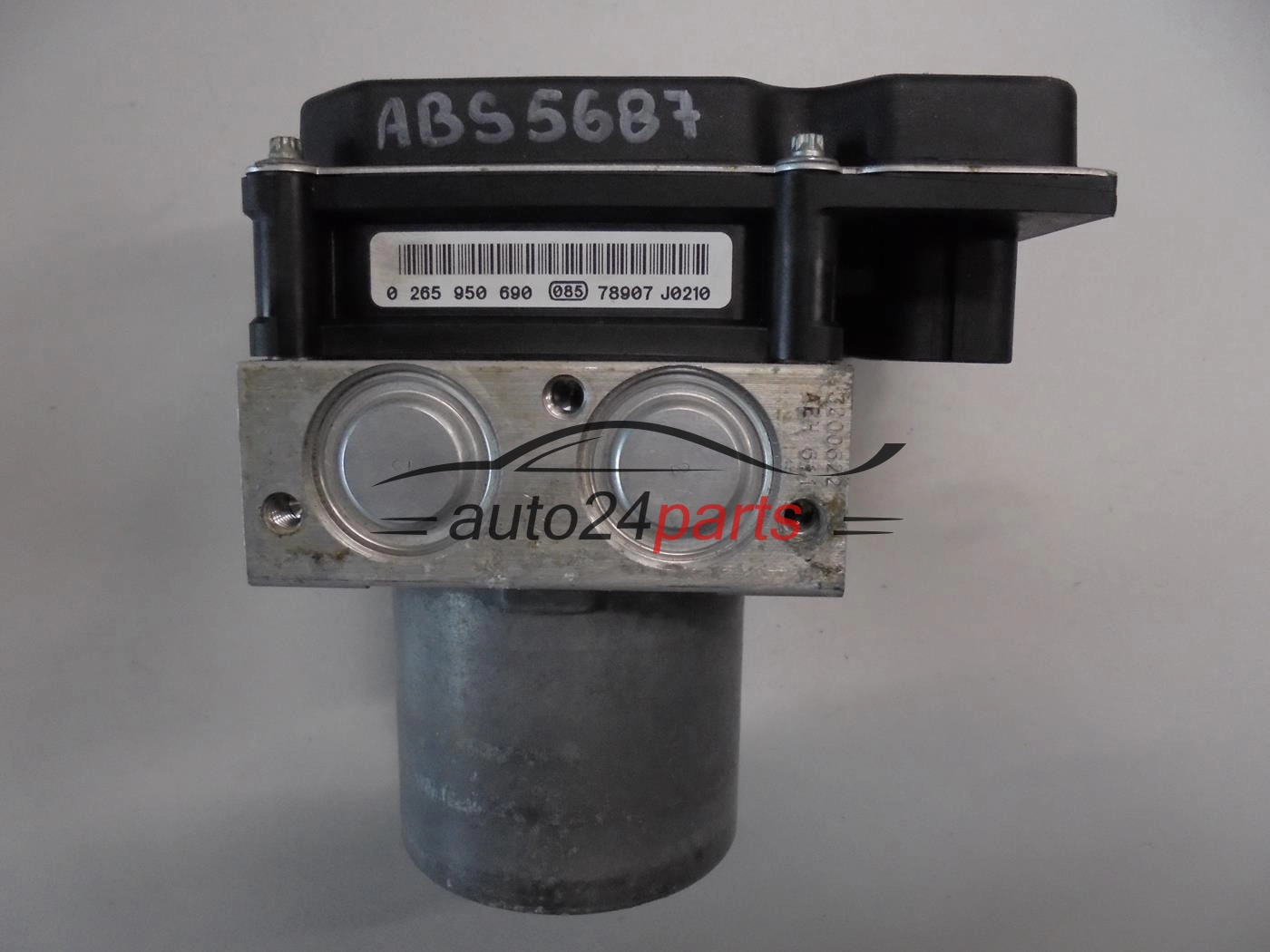
Replacing the whole unit is usually the choice of those whose diagnostics have pointed to a pump or module fault and who want a complete assembly. This listing covers the hydraulics (block, valves, pump motor) together with the bolted-on control module marked ‘ESP’ on its label. The module has VAG number 8K0 907 379 M and Bosch number 0 265 950 690, and the block has Bosch number 0 265 235 318.
The 8K0614517AR numbers in one place
- 8K0614517AR - VAG number of the hydraulic unit (ABS pump), stamped on the block: 8K0 614 517 AR
- 0265235318 - Bosch number of the hydraulic block, written 0 265 235 318
- 8K0907379M - VAG number of the ABS/ESP control module - label: 8K0 907 379 M
- 0265950690 - Bosch number of the control module - label: 0 265 950 690
You will find the pump numbers stamped into the metal of the block, which also has the port markings HZ1, HZ2, VL, VR, HL and HR, while the module numbers are on the label of its housing. The shop has as many as 35 other versions of this pump with different suffixes, so every letter of the number counts.
When to suspect ABS module damage
The most common signs in that case are:
- an ABS light that stays on constantly,
- an internal module fault in memory,
- loss of communication with the control module on the diagnostic tool,
- the brake warning light lit.
Confirm the fault with a scan-tool readout and rule out the wheel speed sensors, power supply, fuses and the control module connector. After this item is fitted, bleeding is necessary, and on many VW Group vehicles so are control module coding and ESP sensor calibration.
Worth knowing before you buy
| Does the unit fit every Audi? |
|---|
| No - only cars fitted with a pump and control module bearing the same numbers. Selection is based on the markings, not on the model. |
| Is this a genuine part? |
| Yes, genuine, used and in working order. The warranty period is given in the product features table. |
| How can I make sure this is the right version? |
| Send us photos of the markings on the block and the control module label, or your VIN - we will set them against number 8K0 614 517 AR. |
| Is a matching Bosch number enough? |
| Not always. The block's Bosch number 0 265 235 318 is helpful, but when choosing, compare above all the full VAG number with its suffix. |
If you want to be sure before ordering, send us a photo of the pump block or your car's VIN.

