






A faulty transmission control module (TCM) most often causes limp mode with the gearbox stuck in one gear, harsh jolts when you select D or R, erratic gear changes, flashing PRND letters and a gearbox or engine warning light. However, the same symptoms are often caused by a low gearbox oil level, a weak battery, a poor earth or a faulty sensor. To test a transmission control module, start by checking the battery and reading the fault codes with a diagnostic tool that can talk to the gearbox control unit, then check the power supply, the connector, the oil and the live data. Below we explain the symptoms, the diagnostic steps and what the most common fault codes mean.
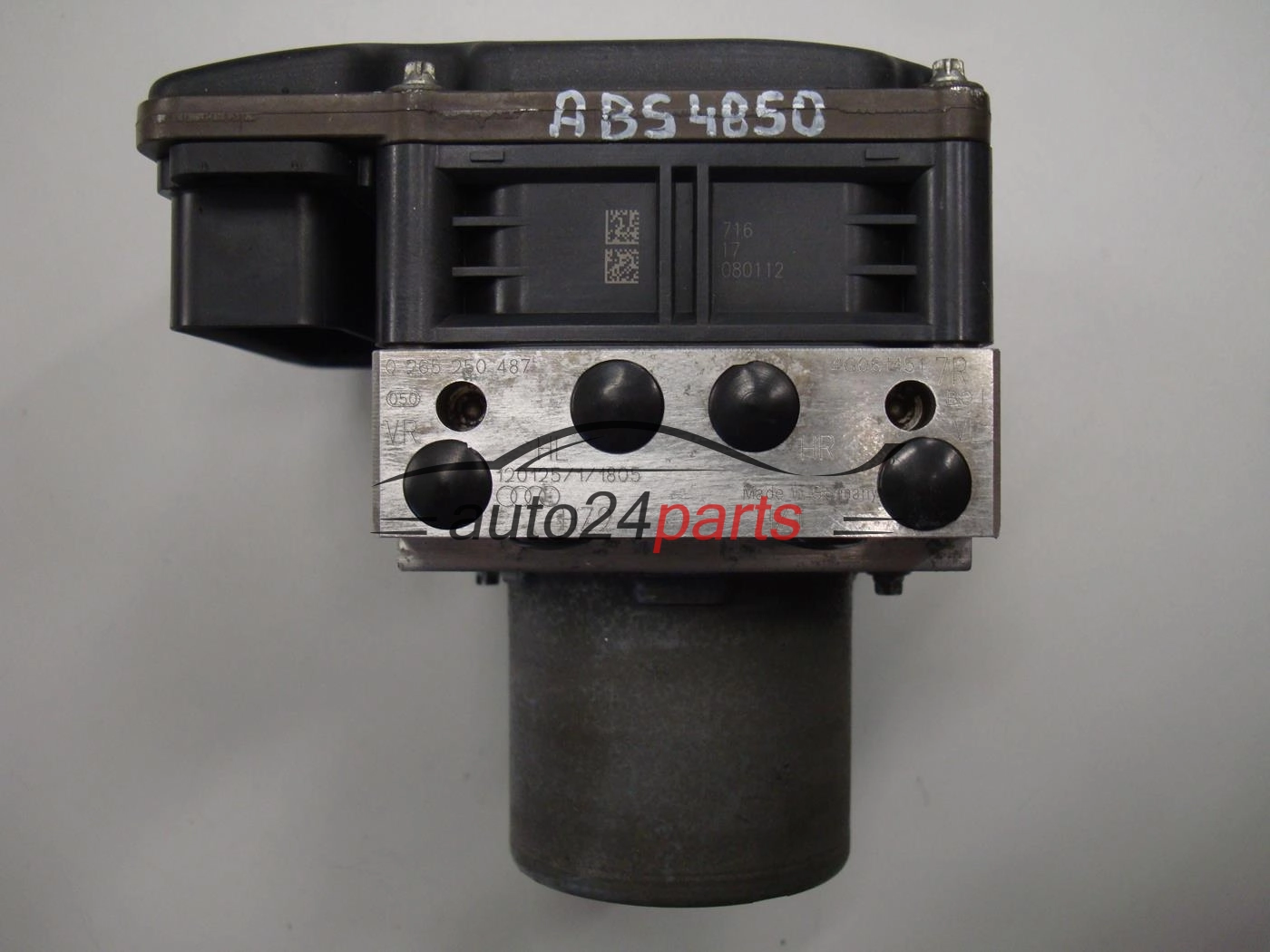
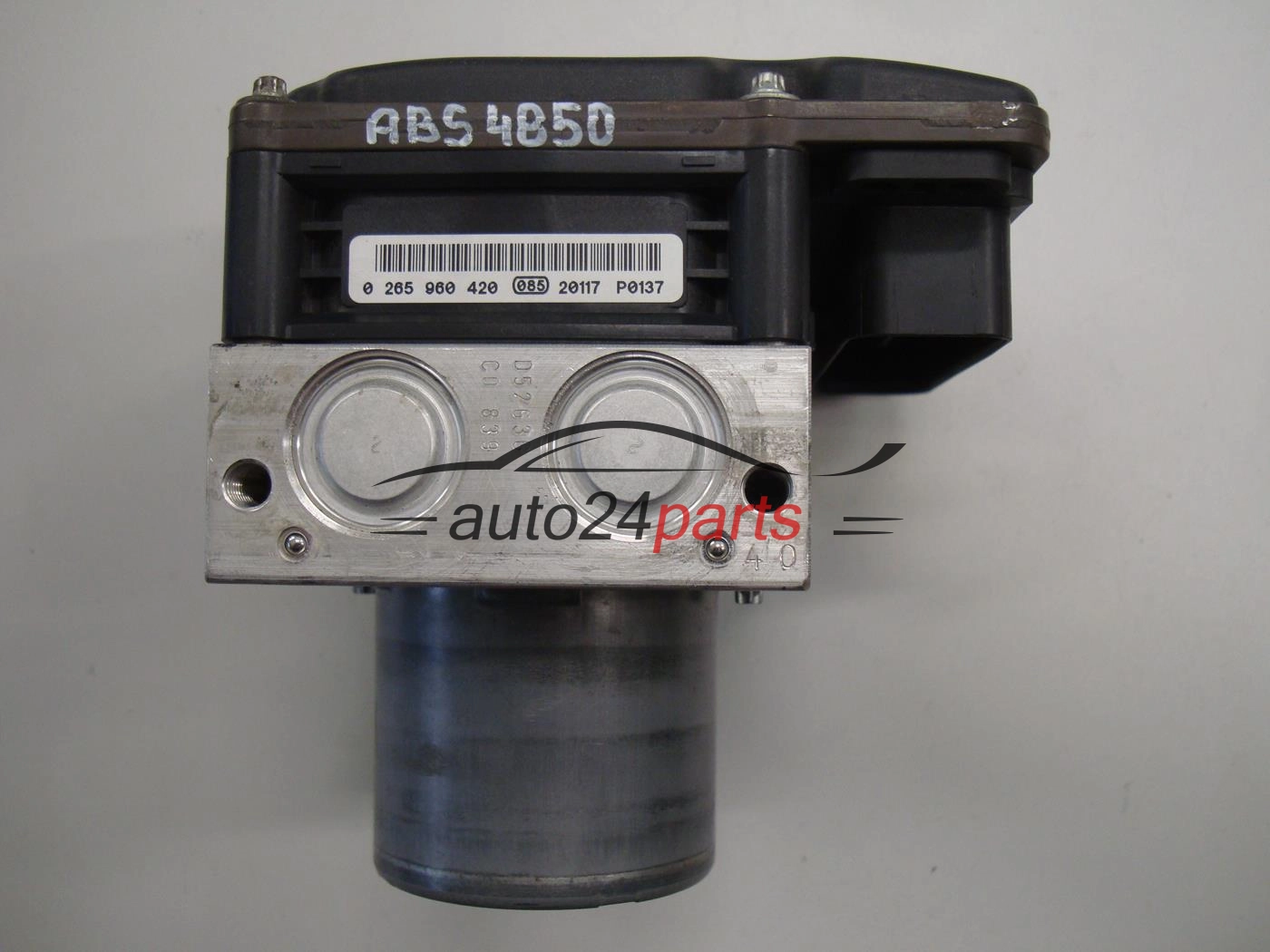
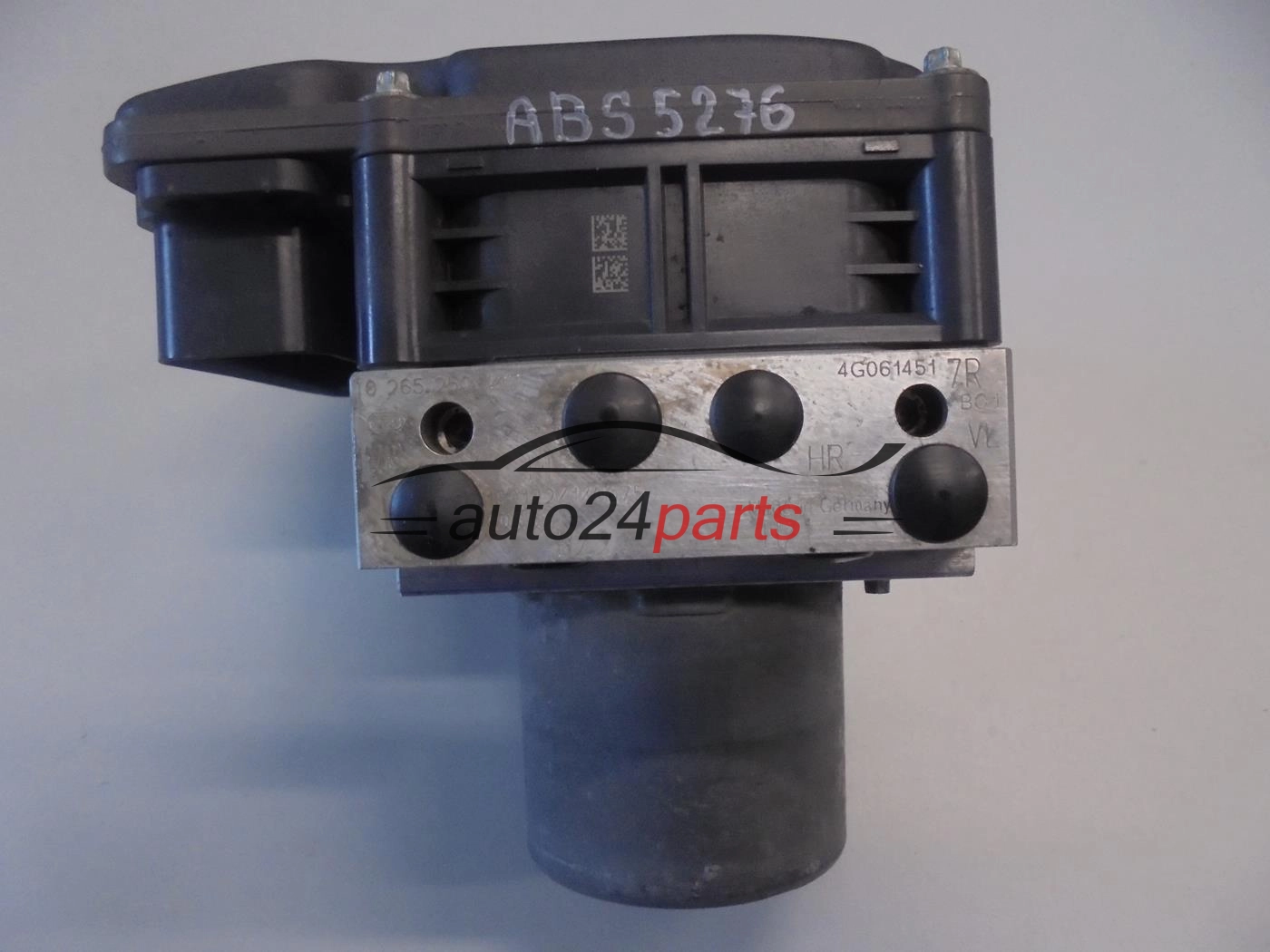
ABS pump and control module Audi Bosch 4G0614517R 0265250487 4G0907379H 0265960420
Vendors's code: 0265250487
Product code: E182-2114C
Barcode:
Code 39:
ISBN:
€182.93
Price
€182.93
€225.00
Price
€225.00

Ask about the product

ABS pump and control module Audi Bosch 4G0614517R 0265250487 4G0907379H 0265960420
Administratorem danych osobowych jest Auto24parts. Przetwarzamy je w celu przesłania odpowiedzi na zapytanie. Więcej informacji dotyczących przetwarzania danych osobowych znajduje się w polityce prywatności.
Shipping
from
€30.00
-
shipping
(Poland)
from
€30.00
-
shipping
(Poland)
Price 30 euros applies shipments to 5 kg on worldwide. Above this weight, please contact us by email to check price
Shipping cost for the selected product
The shipping cost applies to this product (in the selected variant - if applicable). It may change after adding other products to the cart.

Searching for ABS pump 4G0614517R?
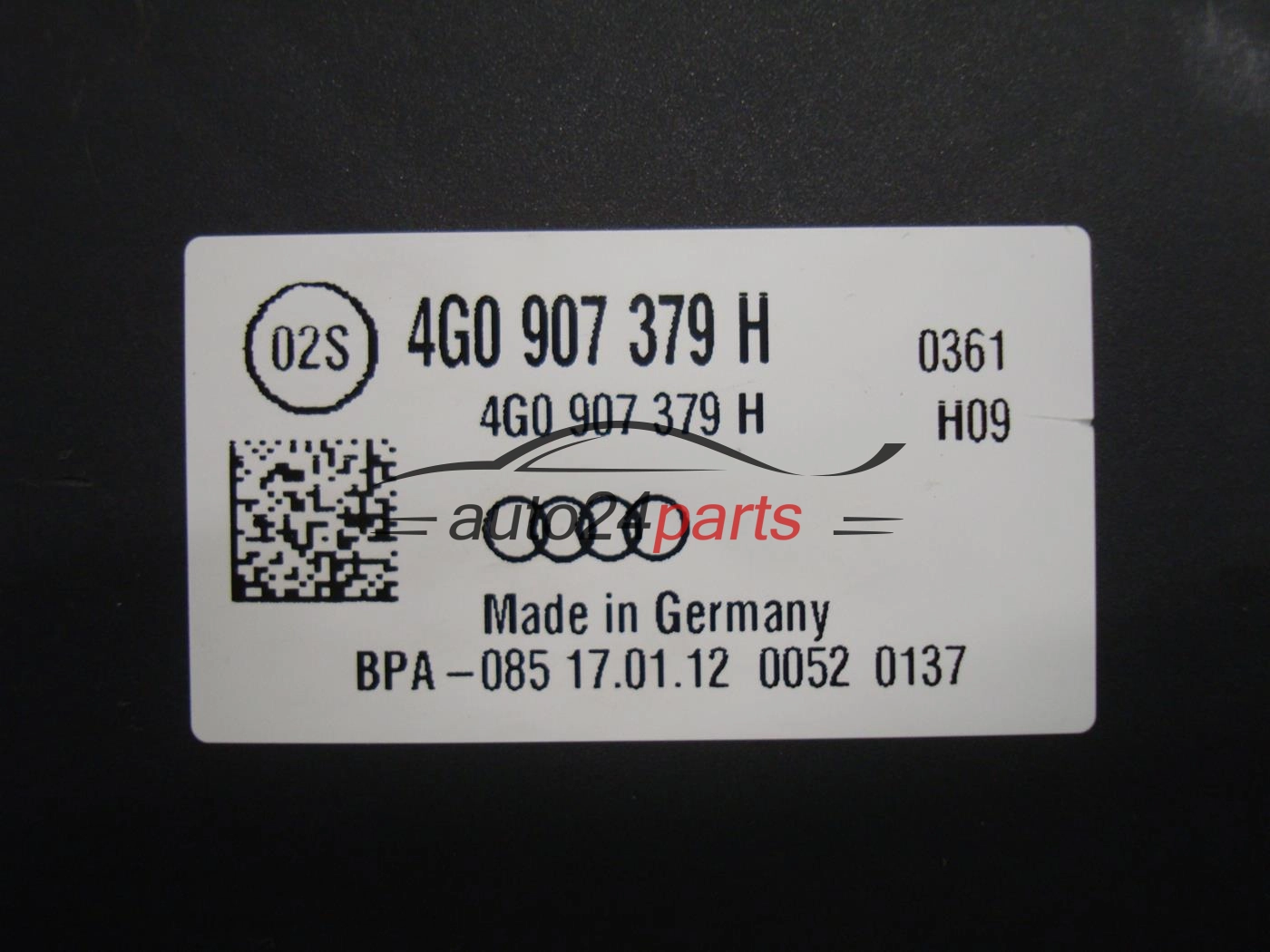
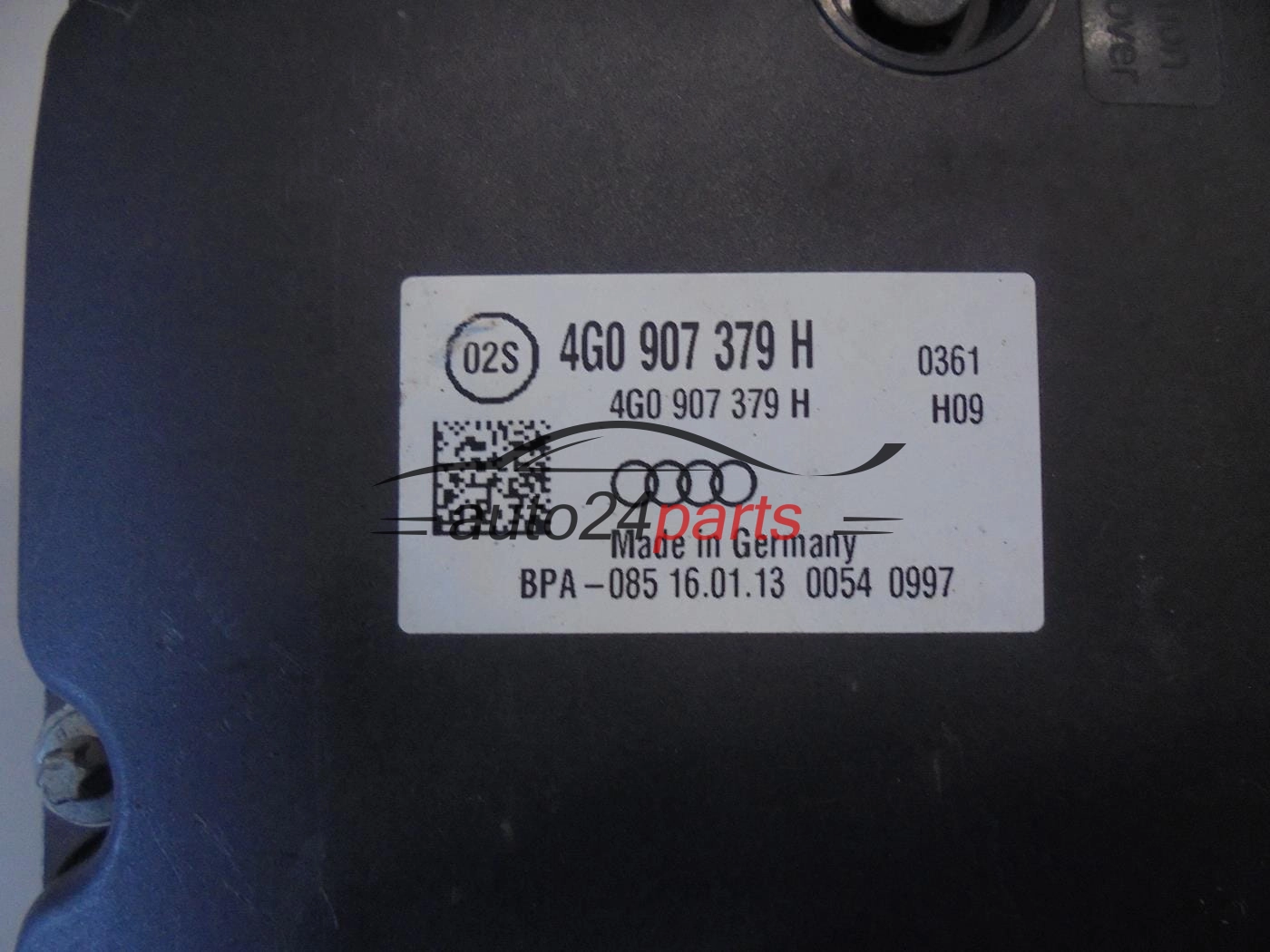
This Bosch part is intended for Audi - it is a used genuine part in working order, and control module 4G0 907 379 H is included. Simply compare the numbers on the labels to assess the match.
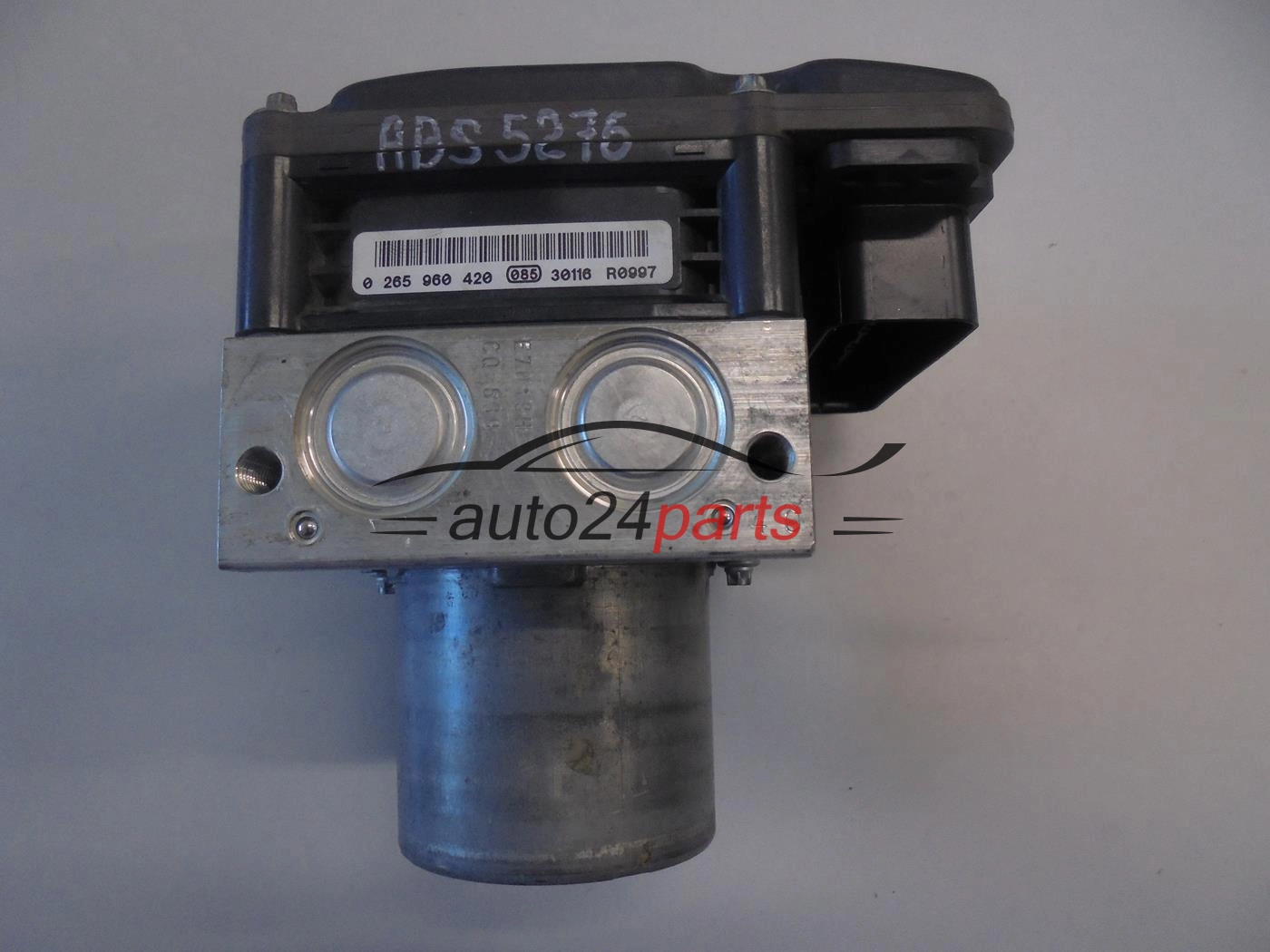
ABS hydraulic assembly 4G0614517R with module 4G0907379H
When diagnostics points to a fault in the hydraulic unit rather than a sensor, the whole assembly - block plus electronics - is often chosen. This listing includes both: Bosch block 0 265 250 487 - with a full set of valves and the motor - identified by VAG number 4G0 614 517 R, and module 0 265 960 420. The parts are already bolted together.
Numbers worth comparing
- 4G0614517R - VAG number of the ABS pump (hydraulic unit) - shown on the label as 4G0 614 517 R
- 0265250487 - Bosch number of the block with pump - shown on the label as 0 265 250 487
- 4G0907379H - VAG number of the ABS/ESP control module - shown on the label as 4G0 907 379 H
- 0265960420 - Bosch number of the control module - shown on the label as 0 265 960 420
The hydraulic unit numbers are on the block - the same one stamped with the port symbols HZ1, HZ2, VL, VR, HL, HR. You can read the module details from the sticker on the electronics. Under the base number 4G0 614 517 we have 12 other versions in our shop with a different letter; this listing applies only to the ‘R’ suffix.
Possible symptoms of a unit fault
Replacement of the hydraulic unit is usually prompted by:
- no communication with the ABS control module,
- ABS warning light coming on while driving,
- logged pump motor fault.
Before ordering, it is worth confirming the fault with a diagnostic tool and checking the wheel speed sensors and the wiring. After fitting, the system has to be bled; the control module usually needs coding, and the steering angle sensor is often calibrated after replacement.
ABS pump 4G0614517R - common questions
| Will the unit fit my Audi? |
|---|
| Yes, if your hydraulic unit is numbered 4G0 614 517 R and the module 4G0 907 379 H. We base the match on the numbers, not the model. |
| What is the part's condition? |
| It is a used genuine part in working condition. The warranty period is shown in the product features table. |
| Will a version with a different letter work as well? |
| You should not assume so - a different suffix can indicate a different system version. Choose the listing with an identical number. |
| Do the brakes need bleeding after fitting? |
| Yes. After replacing the ABS unit, the brake system must be bled according to the procedure specified for the car in question. |
If you like, we can check the match for you - all we need is your VIN or a photo of the markings on your pump.

