


A faulty transmission control module (TCM) most often causes limp mode with the gearbox stuck in one gear, harsh jolts when you select D or R, erratic gear changes, flashing PRND letters and a gearbox or engine warning light. However, the same symptoms are often caused by a low gearbox oil level, a weak battery, a poor earth or a faulty sensor. To test a transmission control module, start by checking the battery and reading the fault codes with a diagnostic tool that can talk to the gearbox control unit, then check the power supply, the connector, the oil and the live data. Below we explain the symptoms, the diagnostic steps and what the most common fault codes mean.
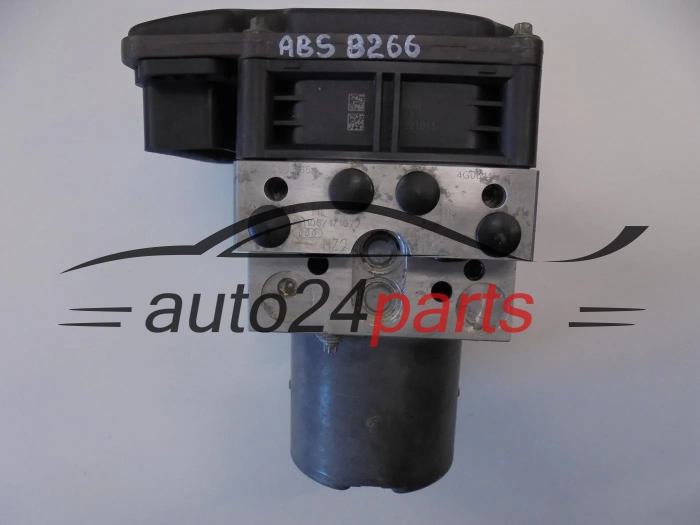
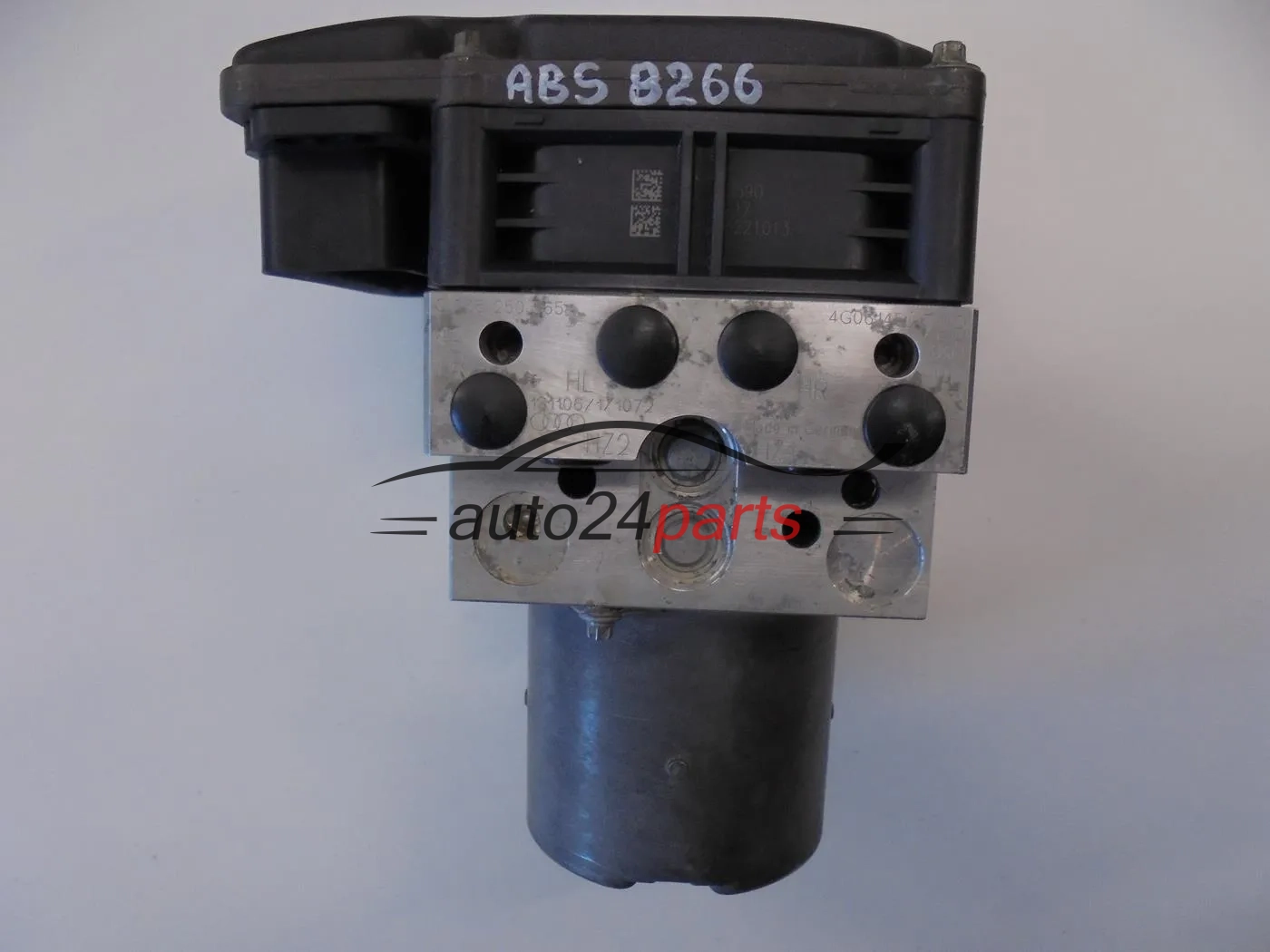
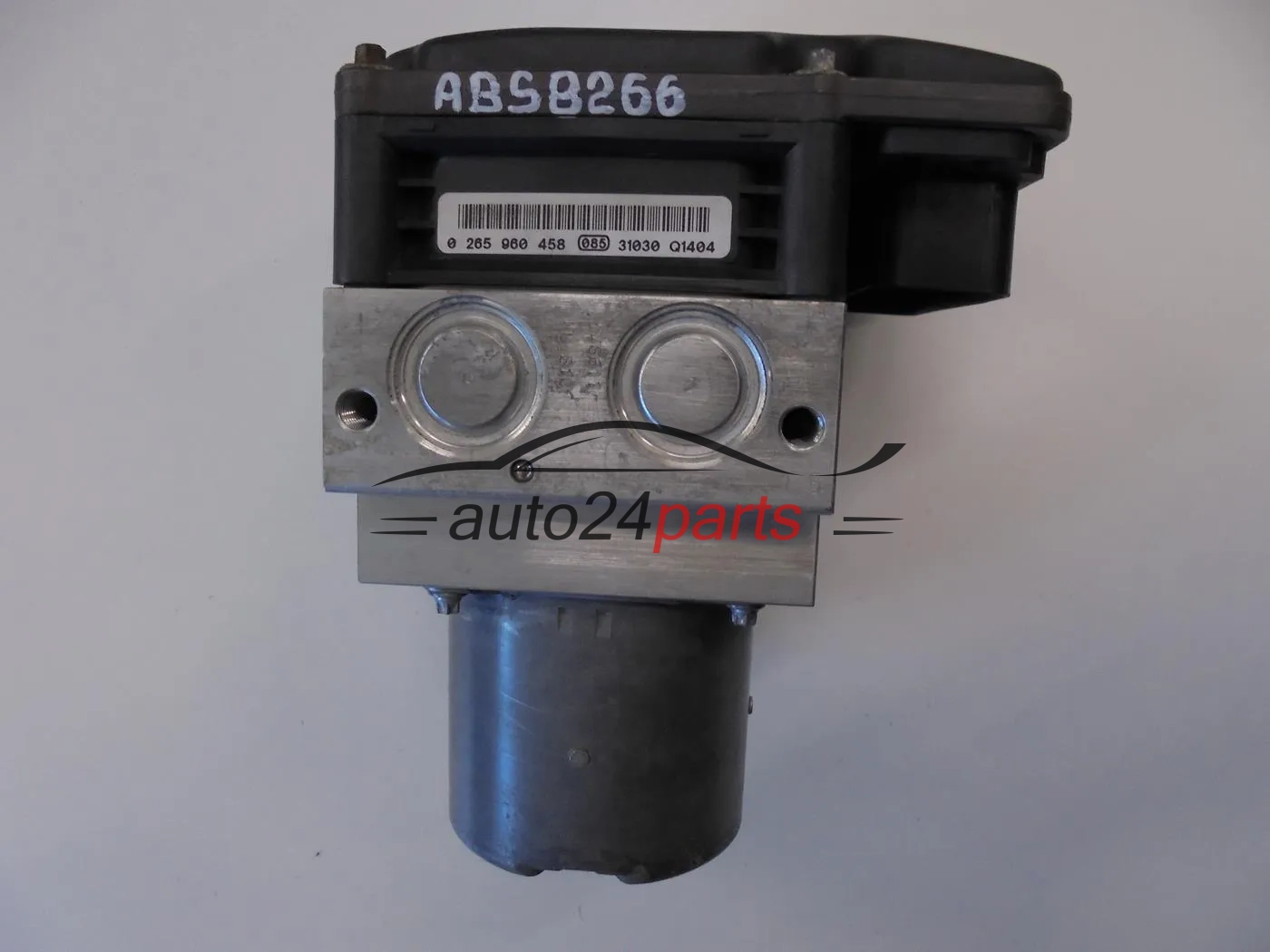
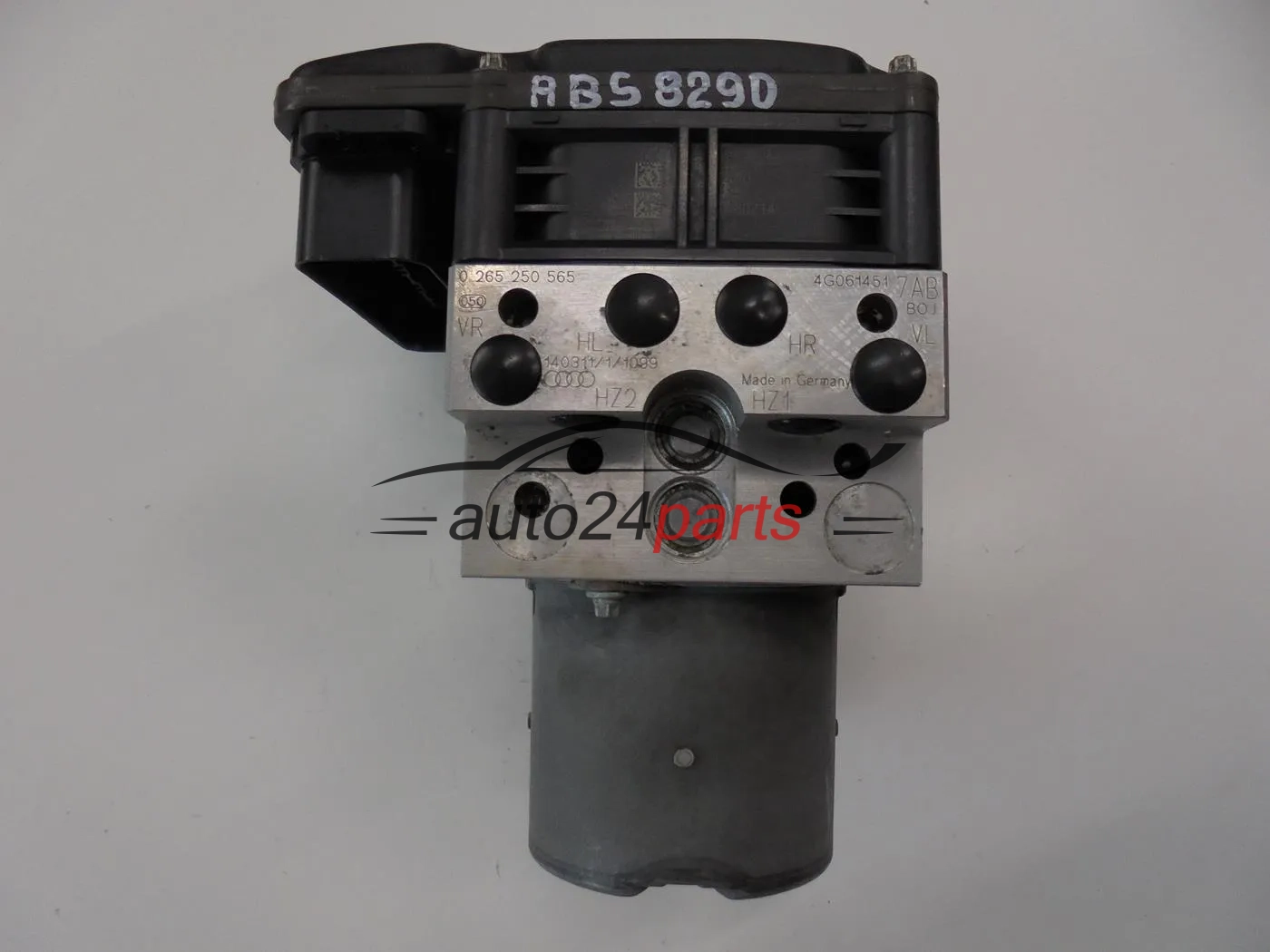
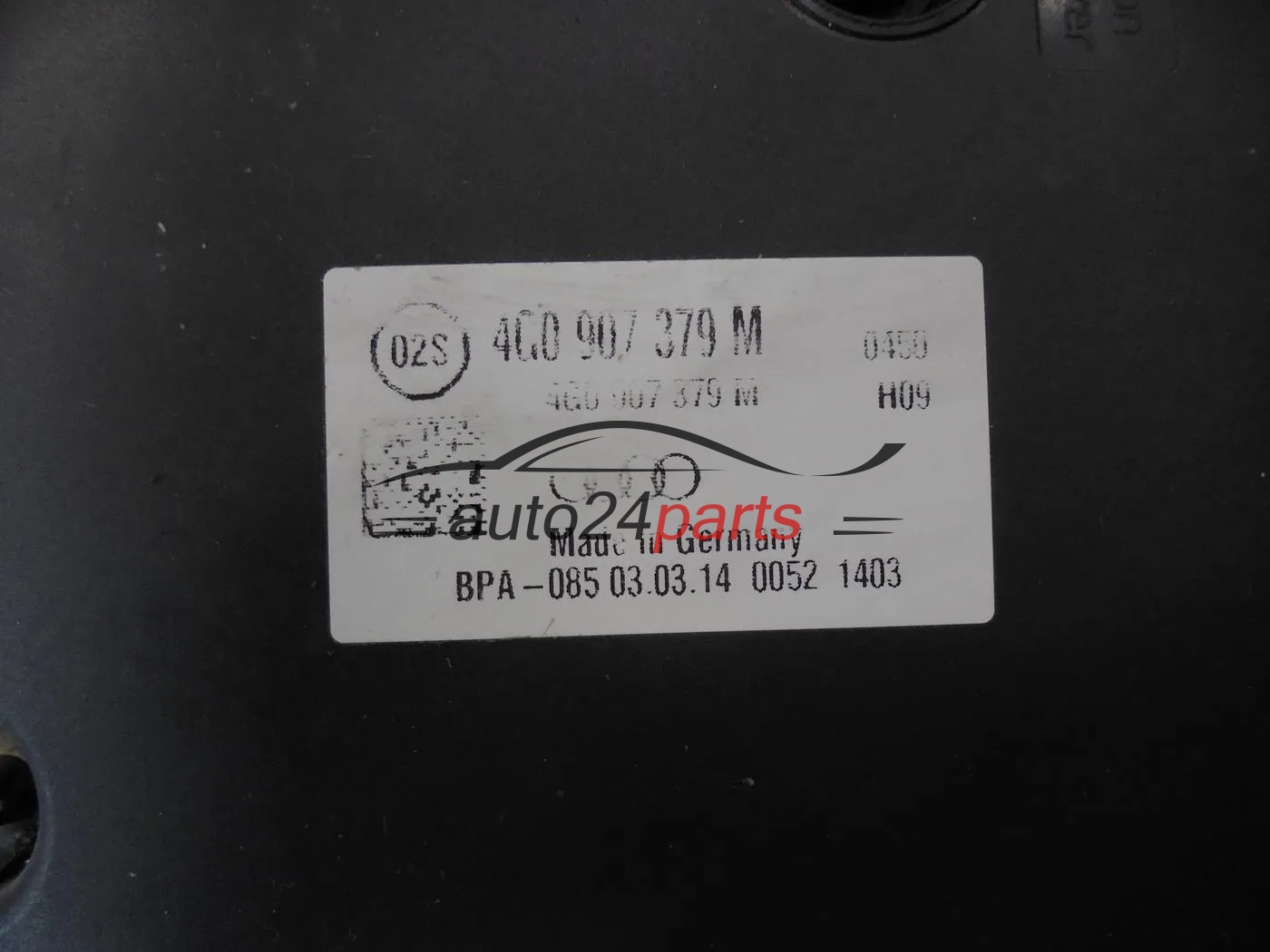
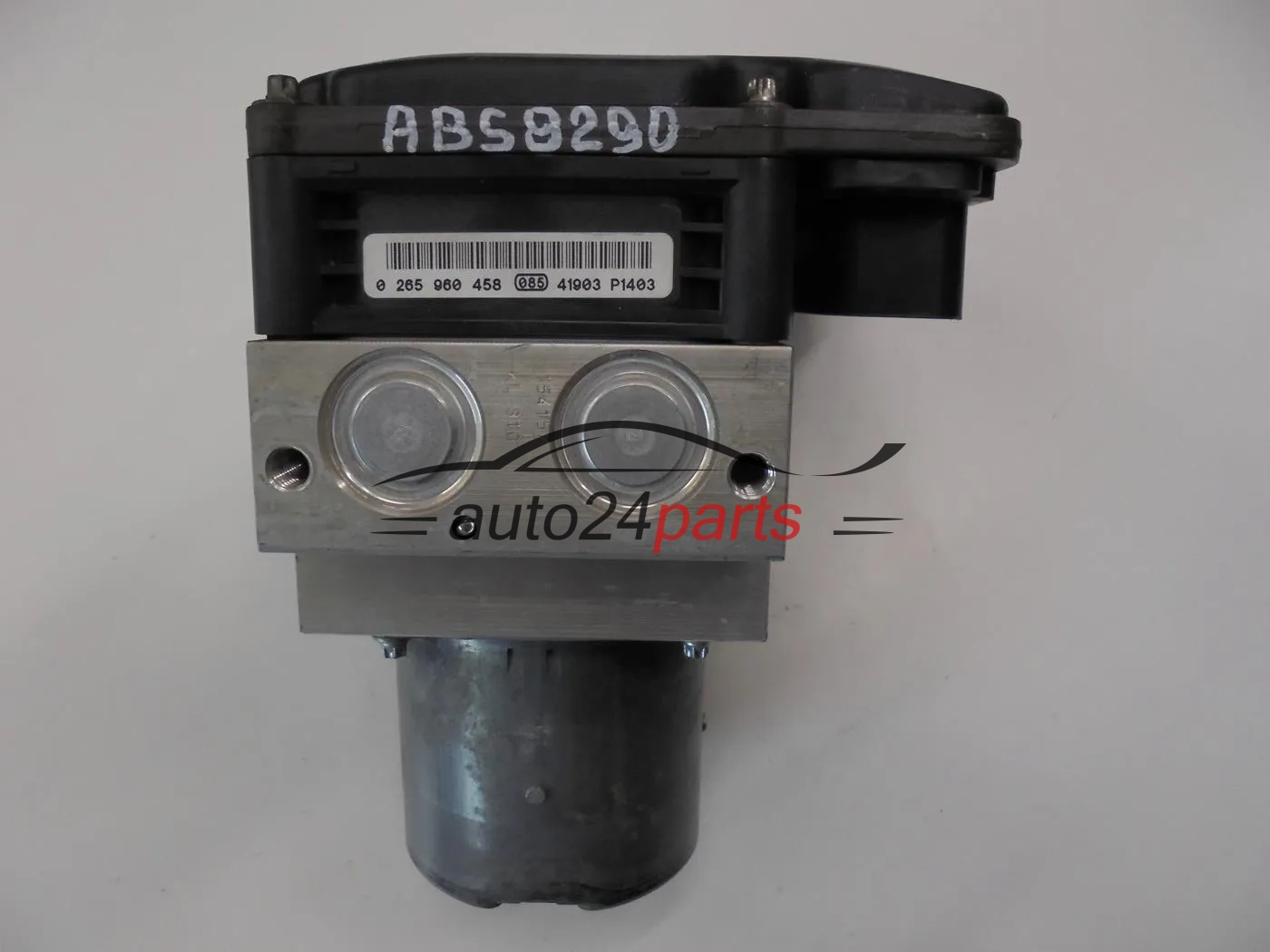
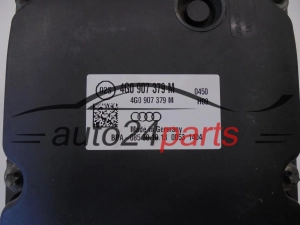
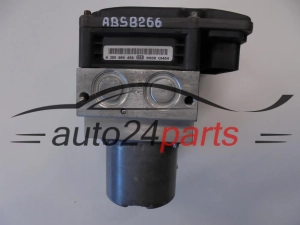
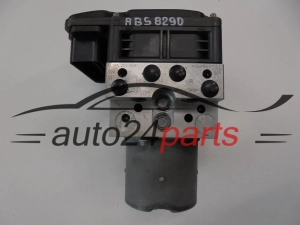
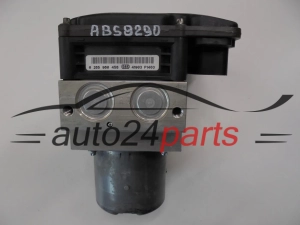
ABS pump and control module Audi Bosch 4G0614517AB 0265250565 4G0907379M 0265960458
Vendors's code: 0265250565
Product code: 4BAF-7446B
Barcode:
Code 39:
ISBN:
€325.20
Price
€325.20
€400.00
Price
€400.00

Ask about the product
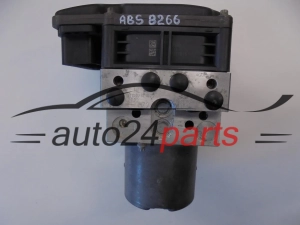
ABS pump and control module Audi Bosch 4G0614517AB 0265250565 4G0907379M 0265960458
Administratorem danych osobowych jest Auto24parts. Przetwarzamy je w celu przesłania odpowiedzi na zapytanie. Więcej informacji dotyczących przetwarzania danych osobowych znajduje się w polityce prywatności.
Shipping
from
€30.00
-
shipping
(Poland)
from
€30.00
-
shipping
(Poland)
Price 30 euros applies shipments to 5 kg on worldwide. Above this weight, please contact us by email to check price
Shipping cost for the selected product
The shipping cost applies to this product (in the selected variant - if applicable). It may change after adding other products to the cart.

Do you need ABS unit 4G0614517AB with control module 4G0907379M?
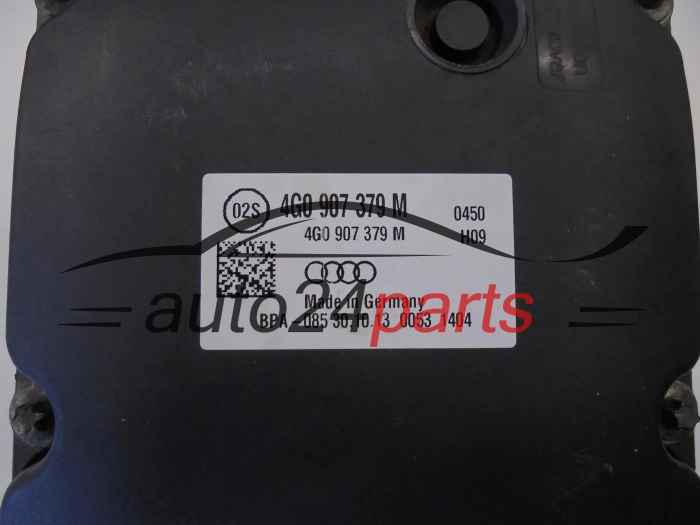
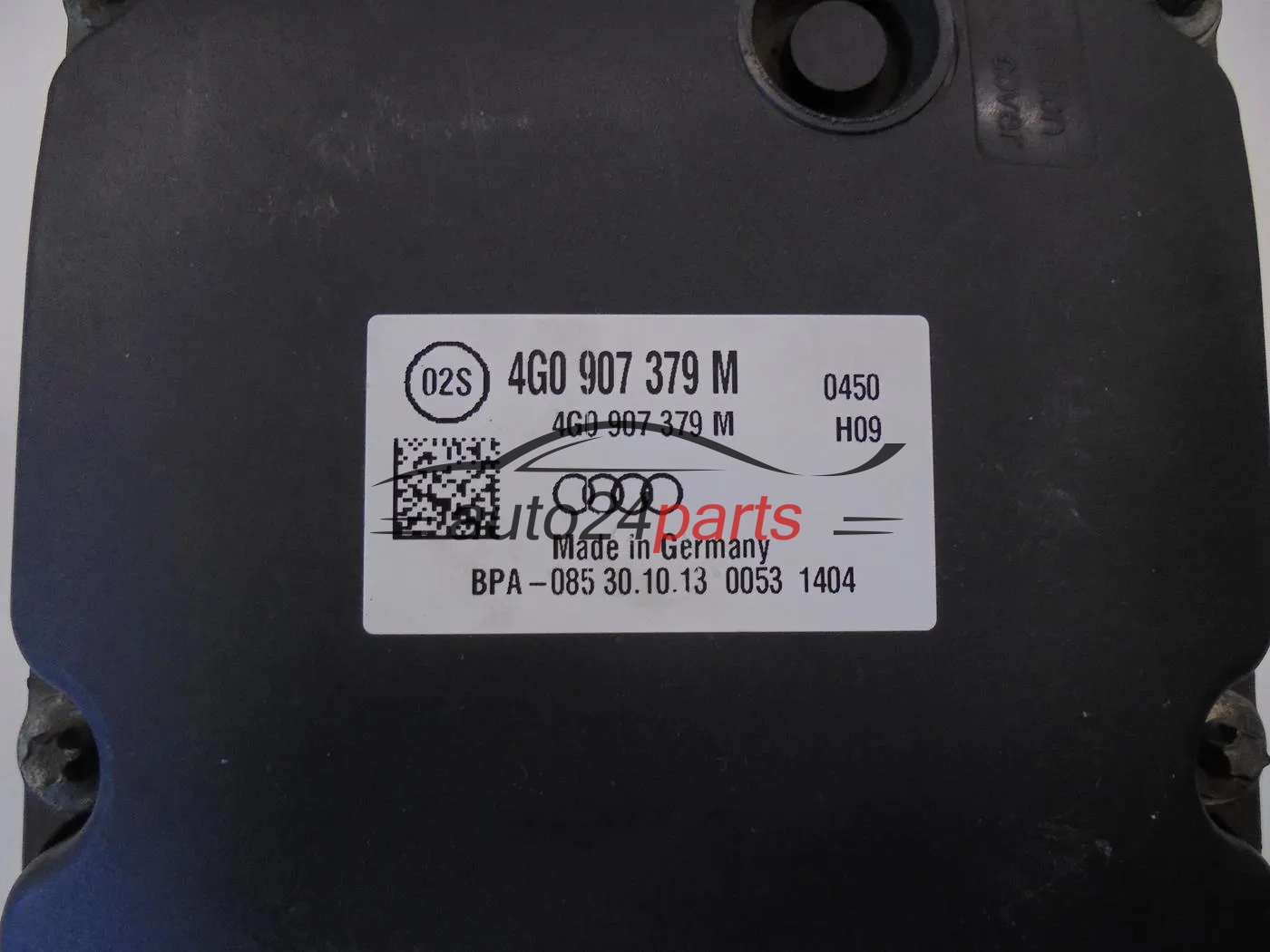
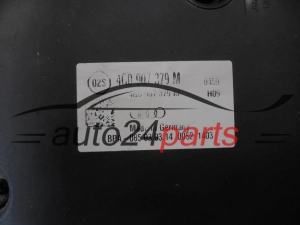
This used, working Bosch unit for Audi has exactly these numbers on the block and module labels. You can check the match by comparing them with the markings on your part.
Bosch ABS pump 4G0614517AB - block 0265250565 and module 0265960458
A complete assembly is the answer when you want to replace the hydraulics and electronics in one go, without transferring the control module from the old block. Here you get the hydraulic block with valves and pump motor (VAG 4G0 614 517 AB, Bosch 0 265 250 565) together with the bolted-on module 4G0 907 379 M. Both parts are bolted together, just as they are in the car.
To compare with your part
- 4G0614517AB - VAG / ABS pump, i.e. the hydraulic unit - as written on the label: 4G0 614 517 AB
- 0265250565 - Bosch / hydraulic block - as written on the label: 0 265 250 565
- 4G0907379M - VAG / ABS/ESP control module - as written on the label: 4G0 907 379 M
- 0265960458 - Bosch / control module - as written on the label: 0 265 960 458
You will find the pump label on the hydraulic block - next to the stamped symbols HZ1, HZ2, VL, VR, HL, HR - and the module label on its housing. Our shop lists as many as 12 other items with the base number 4G0 614 517 that differ in the letter, so check that your number ends in ‘AB’.
Typical symptoms of a faulty control module or pump
A fault may be indicated by:
- ABS warning light on,
- internal module fault in the fault memory,
- the control module not responding to the diagnostic tool,
- brake warning light also on.
Verify the diagnosis first: check the wheel sensors, wiring, fuses and battery voltage. After installing the unit, bleed the system and then - if the car requires it - code the control module with a diagnostic tool and calibrate the steering angle sensor.
Answers to questions about 4G0614517AB
| Which cars is this unit intended for? |
|---|
| For Audi cars with pump 4G0 614 517 AB and control module 4G0 907 379 M. The car model is not enough to find the right part - it is the numbers that count. |
| Is this a genuine part? |
| Yes, it is a genuine Bosch part - used and in working order. The warranty period is shown in the product features table. |
| How do Bosch numbers differ from VAG numbers? |
| Bosch numbers are assigned by the component manufacturer: 0 265 250 565 refers to the block and 0 265 960 458 to the control module. VAG numbers are the catalogue designations used by Audi. |
| Can I use a pump with a different letter at the end? |
| We do not recommend it without checking with us first. A different letter can signal a different system version, so the safest option is a unit with an identical suffix. |
Want to be certain? Write to us with your VIN or photos of the stickers - we will verify the match.