





A used engine control unit will not usually start your car straight away, because its memory holds the immobiliser data of the car it came from. We explain how ECU programming, coding and cloning differ, and which preparation option to choose for your replacement ECU.
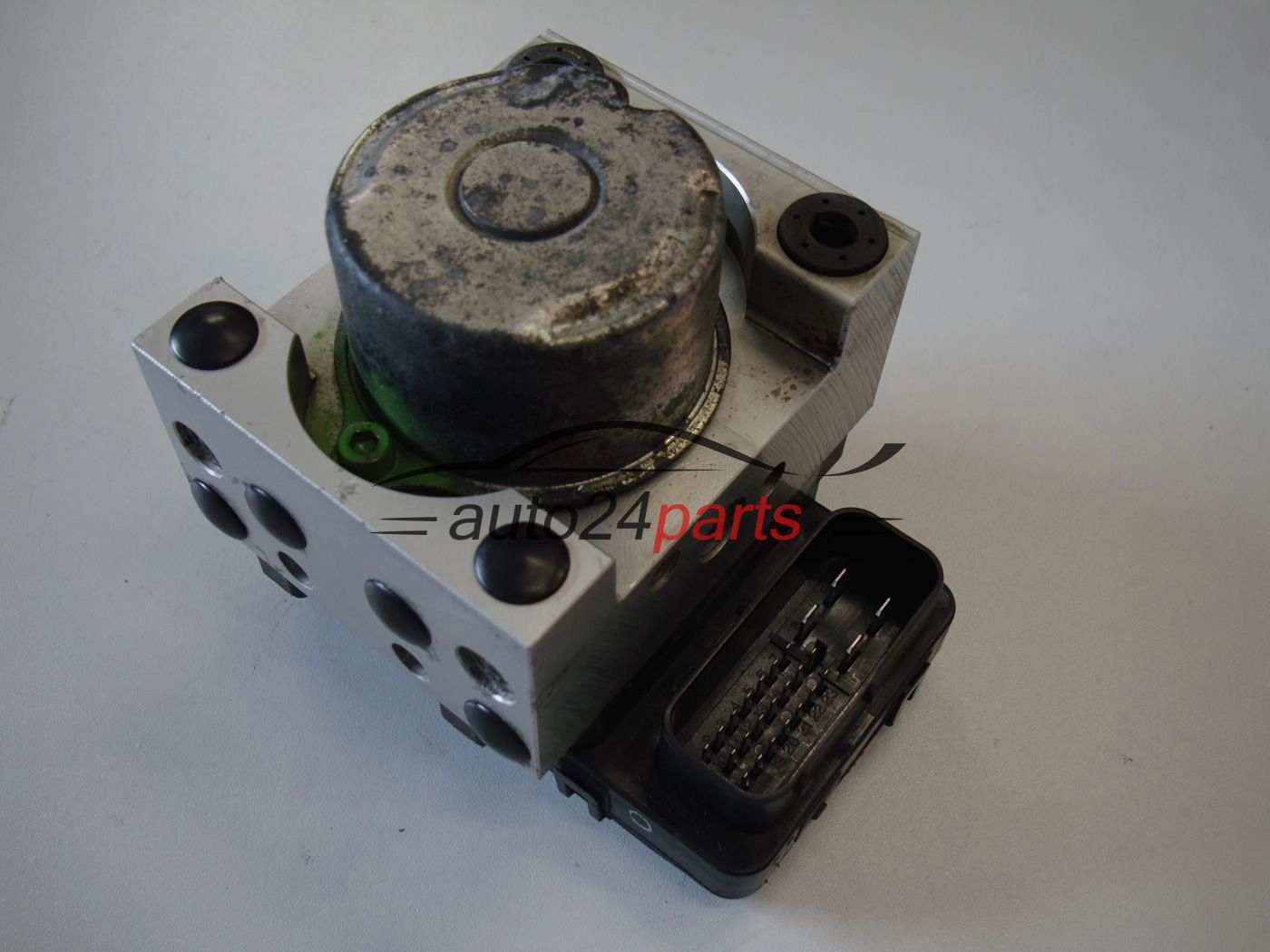
ABS pump Hyundai Atos Prime Denso 5891002800
Vendors's code: 6901
Product code: 5891002800
Barcode:
Code 39:
ISBN:
€203.25
Price
€203.25
€250.00
Price
€250.00

Ask about the product

ABS pump Hyundai Atos Prime Denso 5891002800
Administratorem danych osobowych jest Auto24parts. Przetwarzamy je w celu przesłania odpowiedzi na zapytanie. Więcej informacji dotyczących przetwarzania danych osobowych znajduje się w polityce prywatności.
Shipping
from
€30.00
-
shipping
(Poland)
from
€30.00
-
shipping
(Poland)
Price 30 euros applies shipments to 5 kg on worldwide. Above this weight, please contact us by email to check price
Shipping cost for the selected product
The shipping cost applies to this product (in the selected variant - if applicable). It may change after adding other products to the cart.

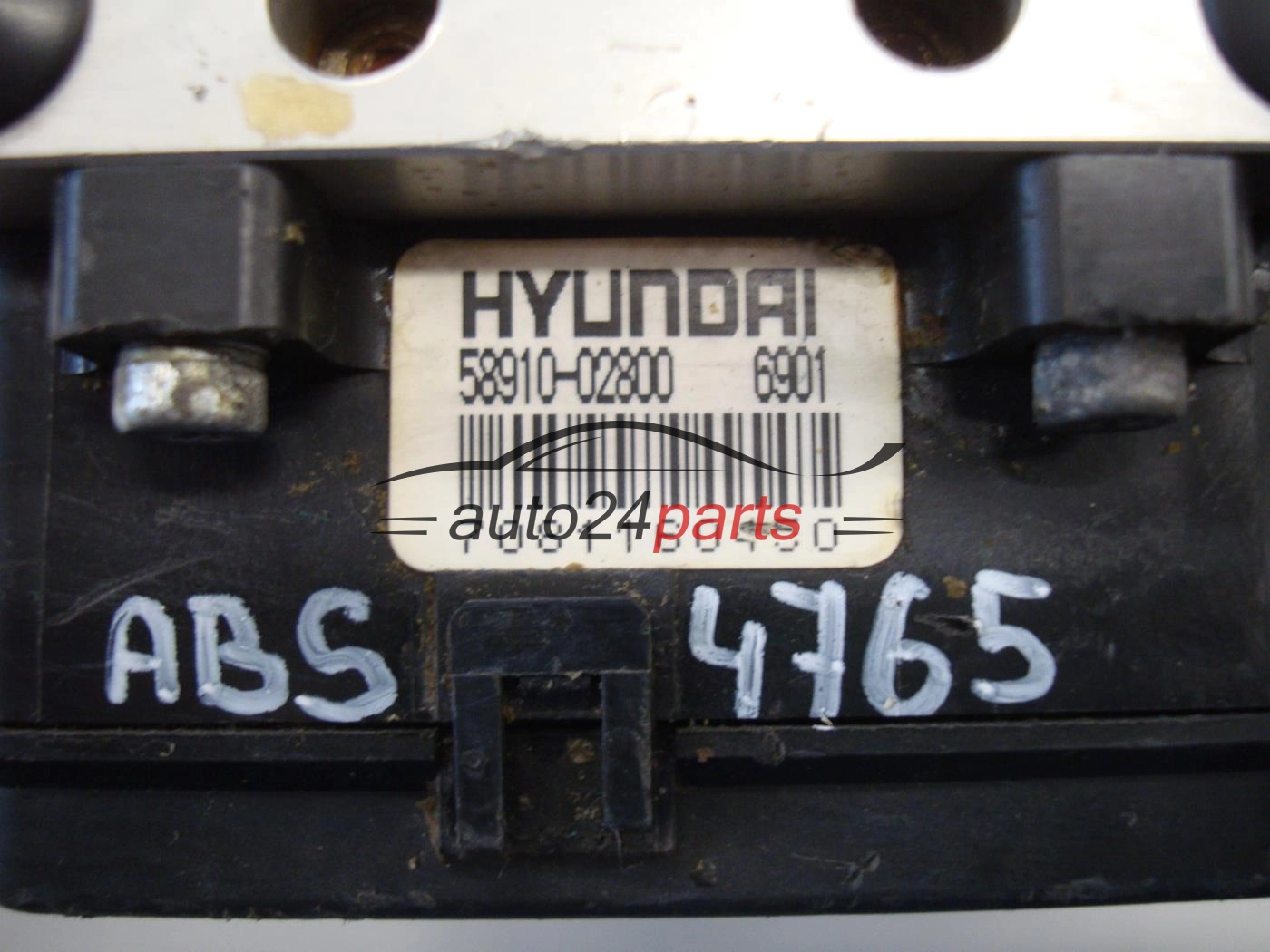
Where to find number 5891002800 on Hyundai ABS pumps
Used ABS pump with control unit, number 5891002800, inspected before sale. Matched by the numbers on the block and sticker.
Is ABS pump 5891002800 the right part for your Hyundai?
The hydraulic block and control unit of this ABS pump form a single module that works with the wheel speed sensors in Hyundai Atos Prime cars. You will find number 5891002800 on the label, and the full set of numbers is given in the description below. According to the listing, the pump comes from the Hyundai Atos Prime model.
Part number 5891002800 and related numbers
The numbers as written on the labels and as a single string, the way catalogues list them:
- 5891002800, original Hyundai number.
Check the numbers on your pump and compare them with those above. If any of them differs, contact us before ordering.
What ABS problems can point to
- the ABS warning light comes on after the engine is started and stays on,
- the pump motor switches on at unusual moments or runs louder than usual,
- the ABS activates for no reason during normal braking,
- brake fluid leaks from the hydraulic block, which requires immediate action.
Before buying a module, read the fault codes with a diagnostic tester. A faulty wheel speed sensor or its wiring can cause the same symptoms, and in that case replacing the pump will not help. After replacement the fault codes usually need to be cleared, and if the brake lines have been disconnected, the system must be bled.
Questions and answers
| Are the pump and the control unit sold separately? |
|---|
| In this listing they are a single module: a hydraulic block with the pump and valves, with the control unit attached to it. |
| Do the brakes need bleeding after replacing the module? |
| If the brake lines are disconnected during fitting, the system must be bled. The fault codes in the control unit usually need to be cleared as well. |
| Who makes this module? |
| The module is made by Denso. The manufacturer's name does not change the numbers you should use to match the part. |
| What condition is this ABS module in? |
| It is an original recycled part in good condition, checked by us. Warranty details are in the product features table. |
Want to be certain? Send us the numbers from the block and sticker on your ABS pump, and together we will check whether this part will fit.

