





A faulty transmission control module (TCM) most often causes limp mode with the gearbox stuck in one gear, harsh jolts when you select D or R, erratic gear changes, flashing PRND letters and a gearbox or engine warning light. However, the same symptoms are often caused by a low gearbox oil level, a weak battery, a poor earth or a faulty sensor. To test a transmission control module, start by checking the battery and reading the fault codes with a diagnostic tool that can talk to the gearbox control unit, then check the power supply, the connector, the oil and the live data. Below we explain the symptoms, the diagnostic steps and what the most common fault codes mean.
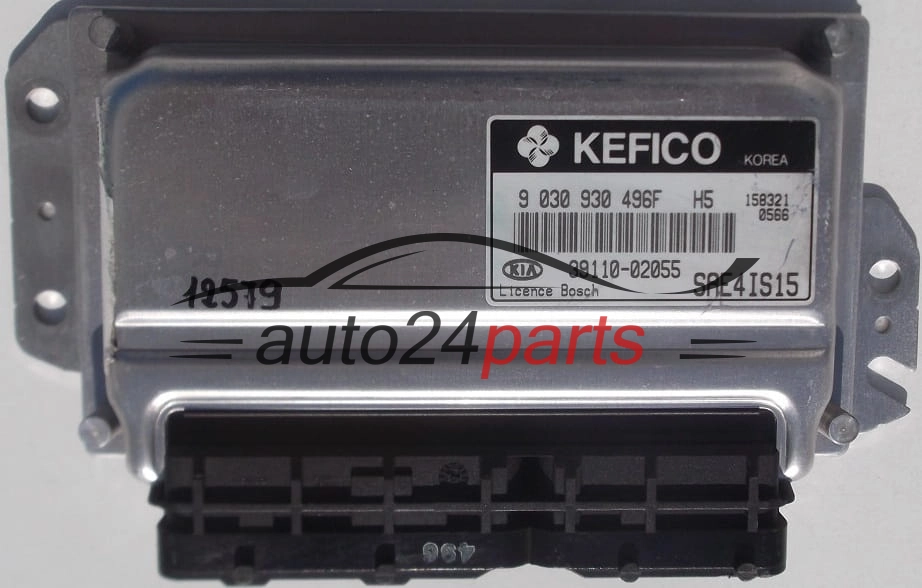
Engine control unit Kia Picanto 1.1 Kefico 3911002055 9030930496F
Vendors's code: 9030930496F
Product code: 3911002055
Barcode:
Code 39:
ISBN:
€81.30
Price
€81.30
€100.00
Price
€100.00

Ask about the product

Engine control unit Kia Picanto 1.1 Kefico 3911002055 9030930496F
Administratorem danych osobowych jest Auto24parts. Przetwarzamy je w celu przesłania odpowiedzi na zapytanie. Więcej informacji dotyczących przetwarzania danych osobowych znajduje się w polityce prywatności.
Shipping
from
€30.00
-
shipping
(Poland)
from
€30.00
-
shipping
(Poland)
Price 30 euros applies shipments to 5 kg on worldwide. Above this weight, please contact us by email to check price
Shipping cost for the selected product
The shipping cost applies to this product (in the selected variant - if applicable). It may change after adding other products to the cart.

What does number 3911002055 on an engine control unit mean?
Engine control unit 3911002055, used and inspected. Compare the numbers with the original in your car.
What does number 3911002055 mean on Kia engine control units?
According to the listing, this is a control unit for Kia Picanto with a 1.1 engine. Control unit 3911002055 is a used original module, and its numbers help tell it apart from similar versions. The listing states that this control unit is for: Kia Picanto. Engine given in the listing: 1.1.
Control unit numbers and markings
The numbers as written in the listing and as a single string, the way catalogues list them:
- 3911002055, car manufacturer's original number,
- 9030930496F, control unit manufacturer's number.
Compare the numbers with the original control unit in your car, and if any of them differs, write to us before buying.
Control unit variant
This listing is for a control unit in the following variant(s): Locked / Unlocked. We describe the differences between the variants (locked, unlocked, Virgin, IMMO OFF, Plug and Play, clone, full set) on the ECU preparation options page. Before buying, send us the numbers from the label and we will confirm which variant is available for that number.
What engine starting problems can indicate
- the engine will not start although the starter motor works and there is fuel,
- fuel consumption rises for no obvious reason,
- control unit communication or power supply errors appear in the fault memory,
- the engine no longer runs properly after the battery has gone flat.
Before replacing the control unit, check the condition of the connector and the power supply wires. After fitting, the fault codes usually need to be cleared and, if necessary, the control unit programmed for the car.
Questions and answers
| Where do I find number 3911002055 on my control unit? |
|---|
| The numbers are on a sticker or printed on the housing of the control unit. Take a close-up photo of the label in good light so that all the characters can be read. |
| Are the make and model of the car enough to choose the part? |
| No. A single model comes with different versions of the control unit, depending on the engine, the software version and the equipment. The most reliable reference is the number on the original control unit. |
| Will the control unit work after fitting without programming? |
| That depends on the variant of the control unit and on the car. Before buying, send us the numbers from the label and we will confirm what is needed. |
| What is the condition of this control unit? |
| It is an original recycled part in good condition, checked by us. Warranty details are in the product features table. |
Want to be certain? Send us the numbers from the housing of your control unit, and together we will check whether this part will fit.
