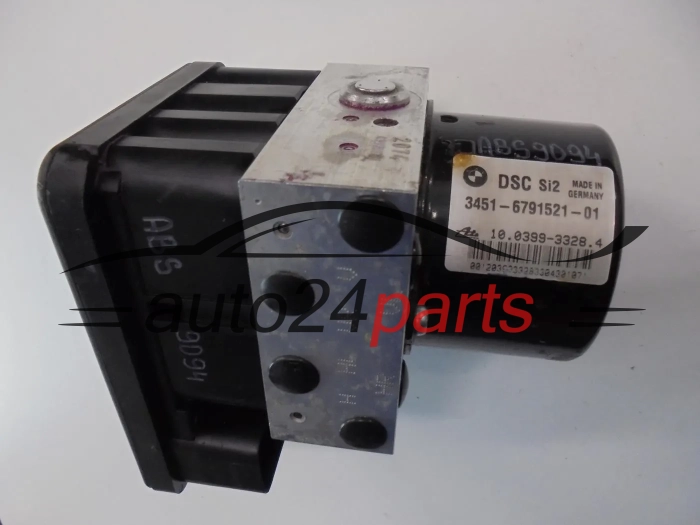
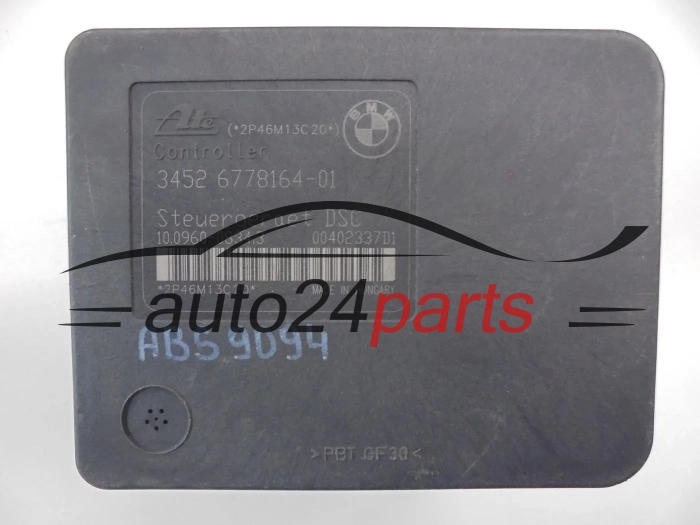
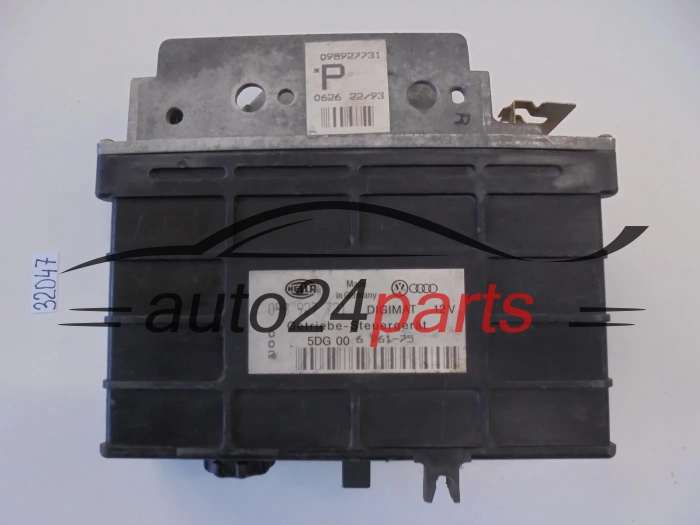
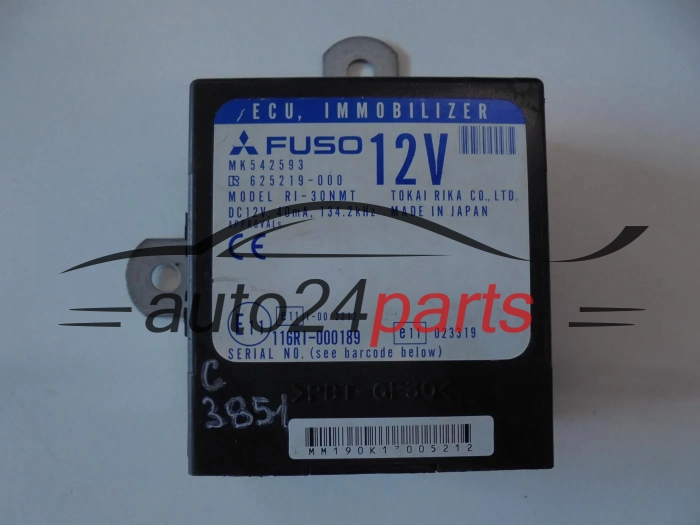
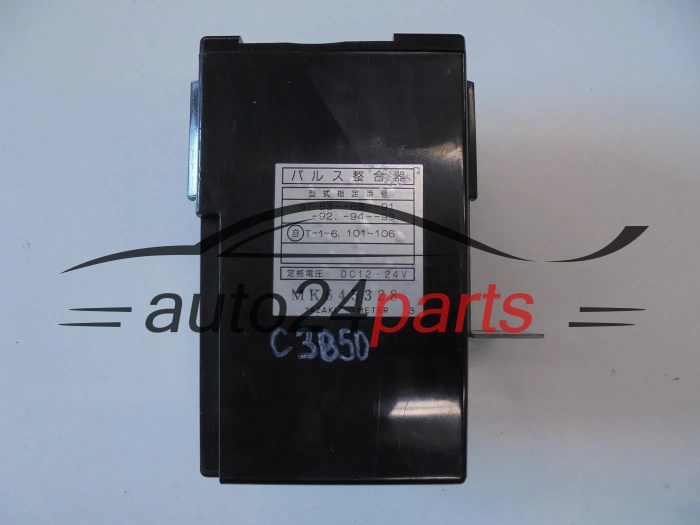
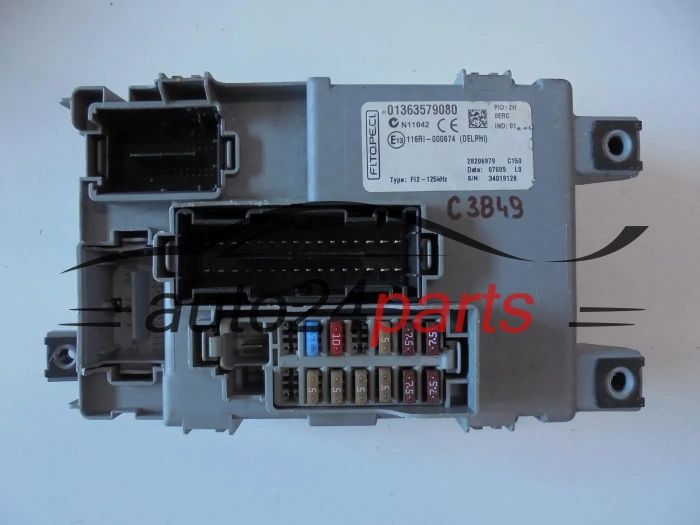
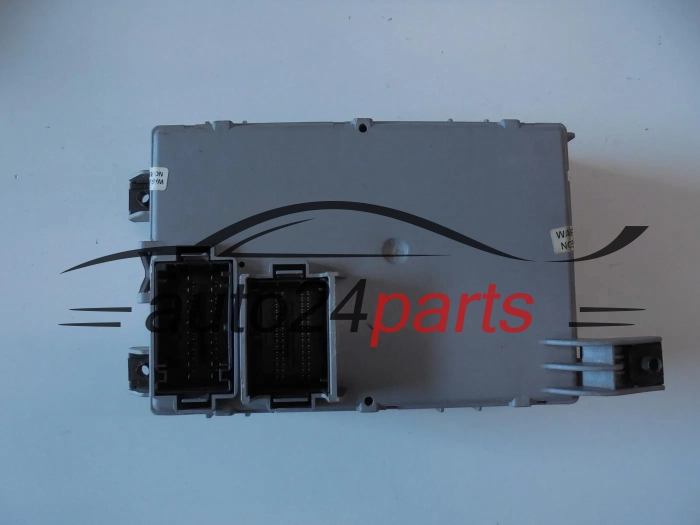
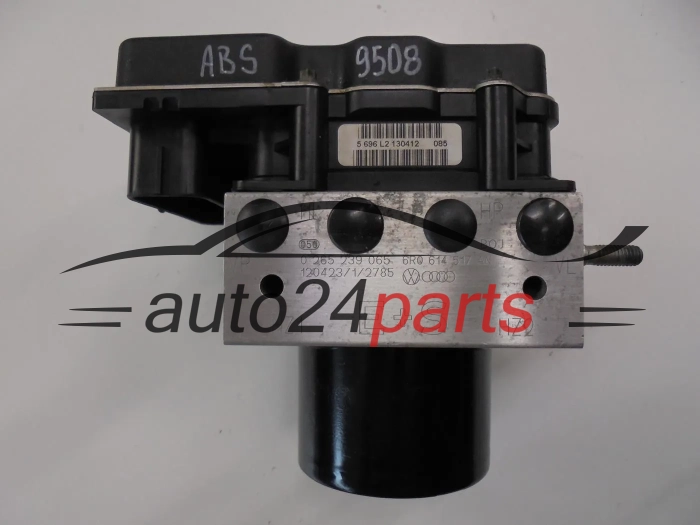
An automatic transmission is one of the most advanced and complex components in a modern car. It combines precise mechanics, intricate hydraulics, and sensitive electronics. The brain of the entire system is the transmission control module (TCM)—an electronic unit responsible for analyzing data from dozens of sensors and making gear-shifting decisions in fractions of a second.
When this crucial component fails, the comfort and safety of driving drop drastically. In the following article, we explain how to correctly diagnose and check the operation of an automatic transmission control module, what symptoms to look out for, and what solutions to choose in case of failure.
Typical Symptoms of Transmission Control Module Failure
Before proceeding with physical tests using diagnostic equipment, it is worth knowing the signals by which a car informs you about transmission electronics problems. Control module failures (often referred to as TCM or integrated with mechatronics) rarely appear without warning:
-
Limp Mode: This is the most common computer reaction. The transmission locks into a single gear (usually third) to protect mechanical elements from total destruction, allowing only a slow trip to the nearest workshop.
-
Jolts and Hard Impacts: Shifting gears from P to R or D involves a strong, perceptible jolt throughout the bodywork. Similar impacts occur while driving when trying to change gears.
-
No Reaction to Gear Shifting: Moving the gear selector causes no reaction—the car behaves as if it were constantly in neutral (N).
-
Problems with Gear Indicator Display (PRND): The illumination of the selected gear on the dashboard starts flashing, all letters light up simultaneously, or they go out completely.
-
Warning Lights on the Dashboard: The "Check Engine" light turns on, transmission error messages appear, or a yellow gear icon with an exclamation mark shows up.
Initial Diagnostics – What Can You Check Yourself?
Before condemning a burnt or damaged control module, it is worth ruling out simpler external faults that cause nearly identical symptoms:
-
Checking Fluid Level and Condition: Worn, burnt, or low transmission fluid drastically affects hydraulic pressure, which the electronics interpret as a module error.
-
Checking Fuses and Relays: Locate the fuse box responsible for powering the transmission electronics. A blown fuse completely cuts off power to the module.
-
Inspecting Plugs and Electrical Wiring: Moisture, engine oil, or coolant getting into the module plug is the main cause of poor contact and short circuits. Unplug the connector and check the condition of the pins for corrosion.
Computer Diagnostics – The Key to Accurate TCM Testing
The most reliable method to check the condition of the control module is to connect a professional diagnostic tester (dedicated to the specific vehicle brand) to the OBD2 port. A computer allows you to read error codes and real-time operating parameters of the module.
|
OBD2 Error Code
|
Problem Description
|
Diagnostic Interpretation
|
|
U0101 / U0100
|
Lost communication with TCM
|
The main engine computer (ECU) cannot "see" the transmission module. Frequent proof of physical burning of the motherboard.
|
|
P0700
|
Transmission control system malfunction
|
A general error informing that a critical fault has been registered inside the TCM module.
|
|
P0750 – P0770
|
Solenoid circuit errors
|
Simultaneous appearance of errors for multiple valves suggests damage to internal control circuits on the board.
|
|
P0882
|
TCM power supply low voltage
|
Signals a problem with current supply, poor ground, or an internal short circuit in the module.
|
Repair or Replacement – What Is More Cost-Effective?
When diagnosis confirms damage to the control electronics itself, you face a choice of repair methods. Since control modules are delicate microprocessor circuits cast in mechatronics or enclosed in sealed housings, options are limited.
|
Repair Method
|
Advantages
|
Disadvantages
|
|
Attempted Regeneration / Soldering
|
Low costs in case of minor cold solder cracks.
|
Low effectiveness with multilayer trace burnouts or processor damage.
|
|
New Original Module from Dealership
|
Full warranty, perfect factory fit.
|
Price barrier – cost often exceeds the market value of an older car.
|
|
Used Original Control Module
|
Great price-to-quality ratio, full OEM compatibility, guarantee of operation.
|
Requires precise matching by serial numbers and coding (adaptation) in the car.
|
Summary and Purchase of a Tested Control Module
In the event of permanent damage to the transmission electronics, the best, safest, and most financially viable solution is to purchase a tested, original control module sourced from dismantling. The key to success is matching the serial numbers of the device to your transmission model.
Looking for a reliable and functional module for your car? Check out the wide range of original automatic transmission control modules: Buy an automatic transmission control module on Auto24Parts
FAQ – Frequently Asked Questions
1. Can you continue driving with a damaged transmission control module?
Absolutely not. Even if the car allows slow movement in limp mode after a failure, further operation leads to oil overheating and total mechanical destruction of the transmission interior (burning out clutch friction plates, seizing drums).
2. Do I need to program a used control module after purchase?
Yes, in the vast majority of modern cars, the control module is linked to the vehicle's VIN number and safety systems. After installing the part, a visit to an automotive electrician is necessary to perform adaptation, clear old errors, and synchronize the module with the car.
3. Where is the transmission control module usually located?
Location depends on vehicle design. In older cars, the module was located in the cabin (e.g., under the passenger footwell or center console). In modern designs (such as DSG, S-Tronic, or ZF transmissions), the module is integrated with mechatronics and located directly inside the transmission oil pan, constantly submerged in hot oil.
4. Can an oil change fix a damaged control module?
If the problem was caused by oil pressure errors resulting from contamination, fresh fluid may help. However, if physical electronic burnout, short circuits on the board, or processor damage occurred, an oil change will have no effect, and replacing the module itself will be necessary.