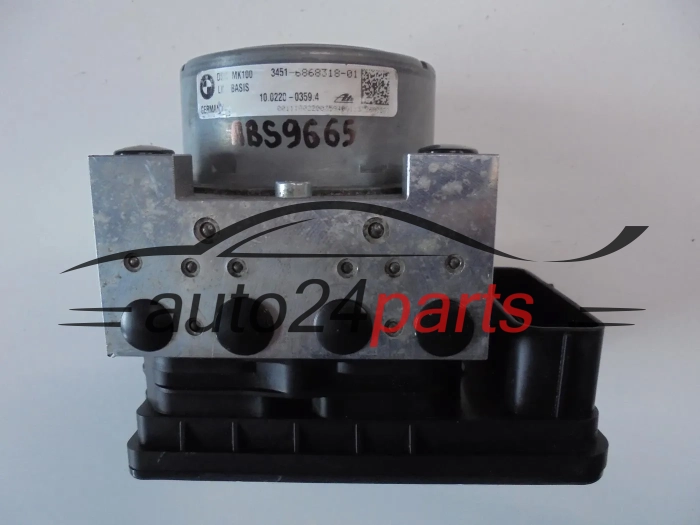
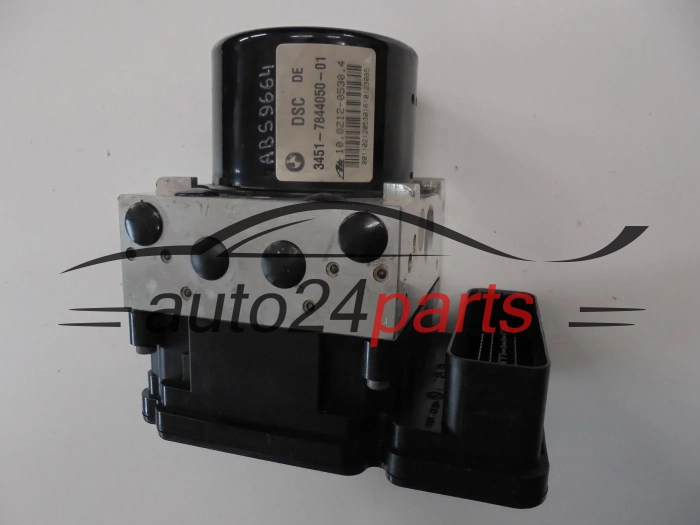
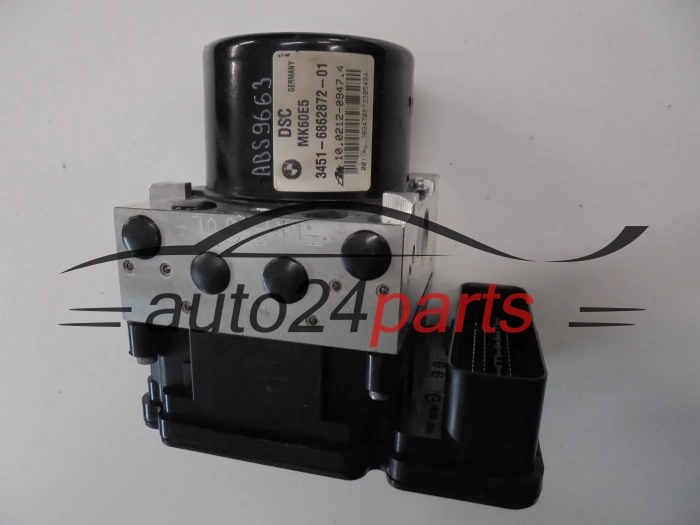
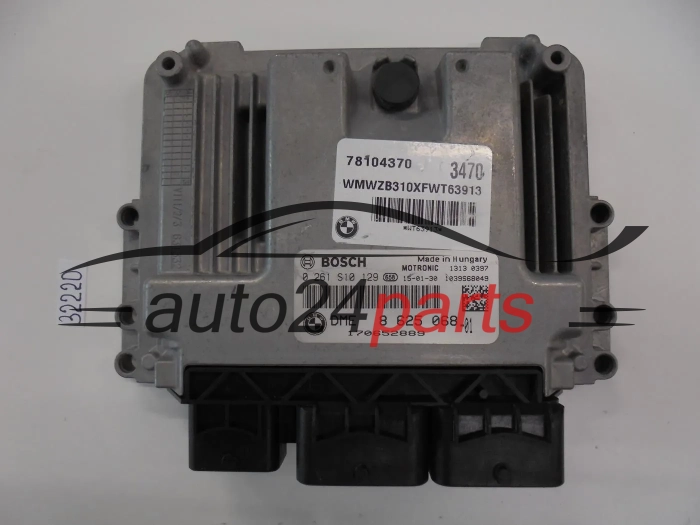
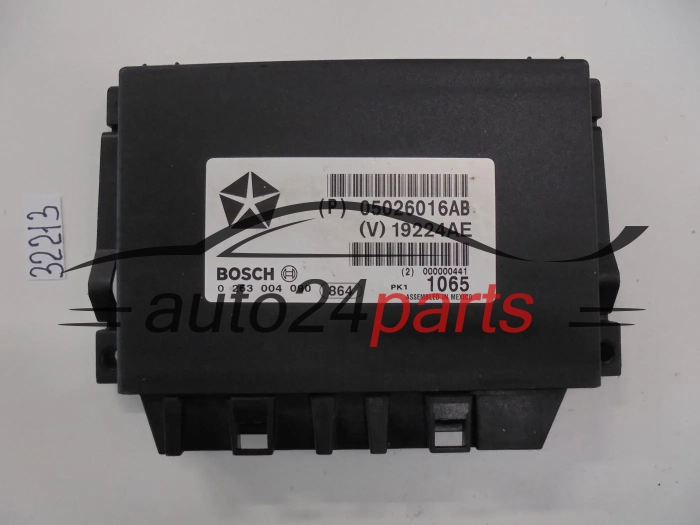
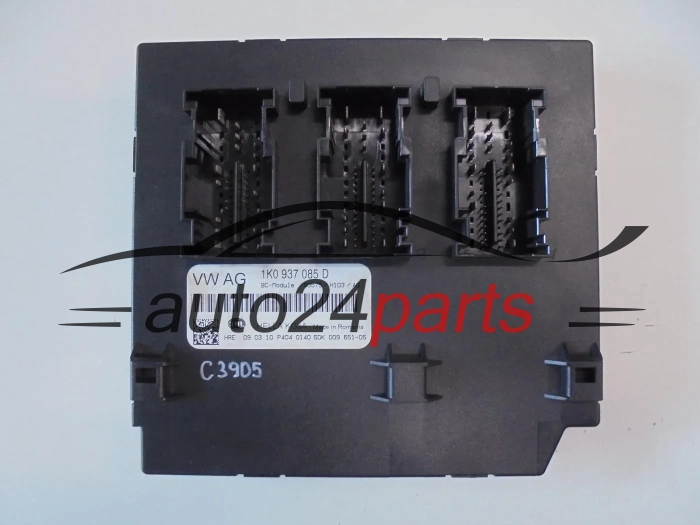
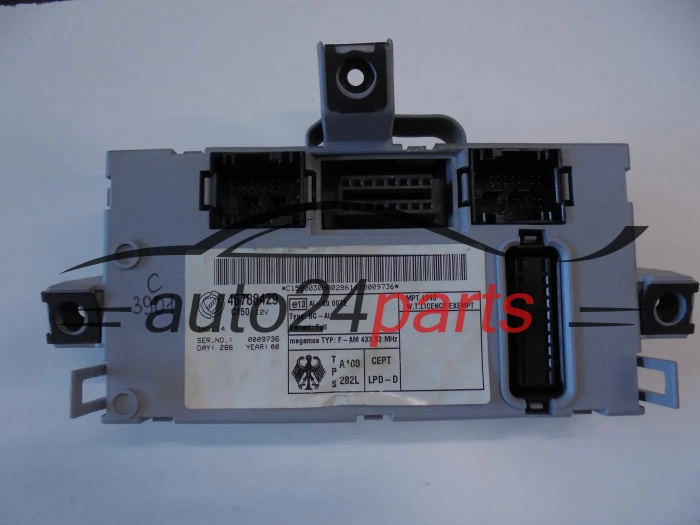
The gearbox control unit, also known as the transmission module or TCM (Transmission Control Module), is a key component in modern vehicles equipped with automatic or semi-automatic transmissions. Its job is to manage gearbox operation based on signals from various sensors and the engine control unit. Thanks to the TCM, gear changes occur smoothly, at the right time, and in line with driving conditions.
The control unit analyzes data such as engine speed, vehicle speed, engine load, and accelerator pedal position. Based on this information, it decides when and how to shift gears to maintain optimal performance and driving comfort. When this module fails, the driver quickly notices problems – from jerky gear changes, inability to shift into higher gears, and limp mode, to complete loss of drivability.
The most common gearbox control unit failures include:
- electronic damage – burnt tracks, cold solder joints, or defective integrated circuits,
- software malfunctions – memory errors preventing proper operation,
- short circuits caused by moisture inside the module,
- overheating, especially in older vehicles,
- wear of mechanical components integrated with electronics, such as in mechatronic units.
In all these cases, the driver faces a dilemma: is it worth trying to regenerate the control unit, or is it better to invest in a tested used module?
Why gearbox control unit regeneration often doesn’t pay off
Regeneration – repairing the unit by replacing damaged components – may sound like a reasonable idea, as the cost is usually lower than buying a new unit. In practice, however, it comes with several problems:
Lack of long-term reliability – even if the repair is successful, there’s a high risk that the problem will return after weeks or months. Gearbox control units work in harsh conditions (heat, vibrations, moisture), which stresses all components. Regeneration usually solves only part of the problem, leaving other potential failures to appear later.
High labor costs – repairing the control unit is rarely cheap, and on top of that you must add removal and installation costs. In the end, the total price may be similar to buying a fully functional used module.
Uncertain service quality – the market is full of workshops offering “professional regeneration,” but in many cases this means only temporary fixes without proper testing or certified parts. Customers pay for the service, but the results are short-lived.
Software issues – modern control units are closely tied to the car’s electronics. Even if damaged components are replaced, software errors may still cause malfunctions.
Risk of further damage – opening and soldering the unit is always an interference with delicate electronics. Instead of fixing the module, an unsuccessful attempt may destroy it completely.
Why buying a used, original control unit is a better solution
Instead of risking regeneration, it’s often much smarter to invest in a used but fully functional and original gearbox control unit. Here’s why:
Original quality – even used, a factory module guarantees the same performance and durability intended by the manufacturer.
Compatibility – the correct unit is matched to the specific car model and gearbox, reducing the chance of errors.
Lower cost than new – used parts are far cheaper than brand-new ones, yet offer more reliability than regenerated modules.
Quick replacement – buying a used unit allows immediate installation, without waiting for the regeneration process.
Where to buy a tested gearbox control unit at a good price?
If you’re looking for a reliable source with a wide selection of original gearbox control units, visit Gearbox Control Unit Regeneration category.