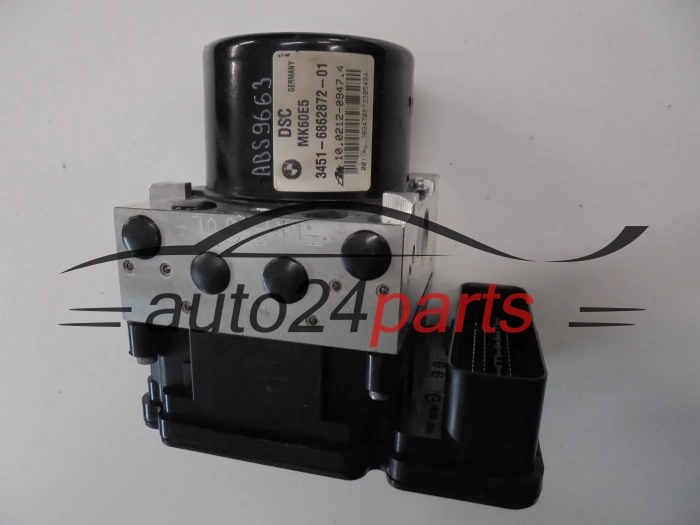
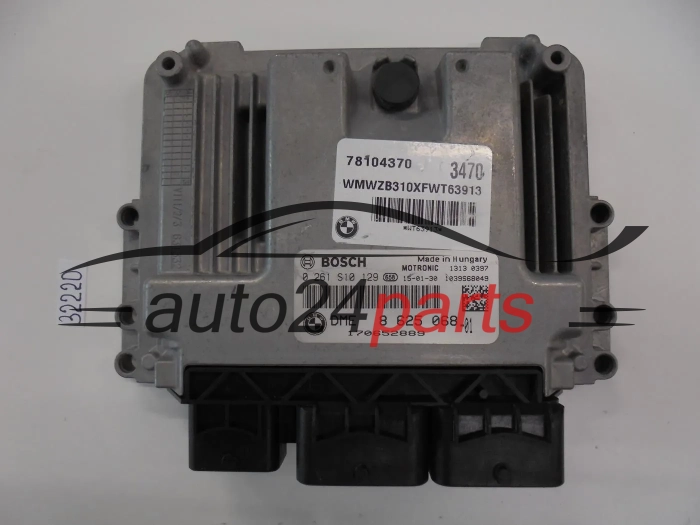
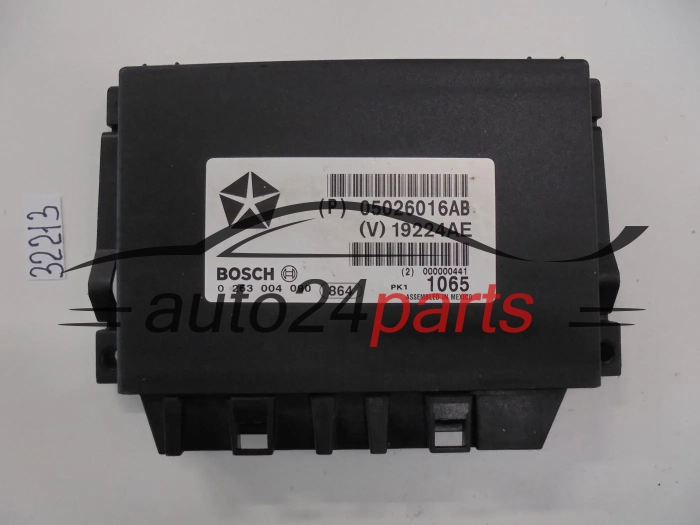
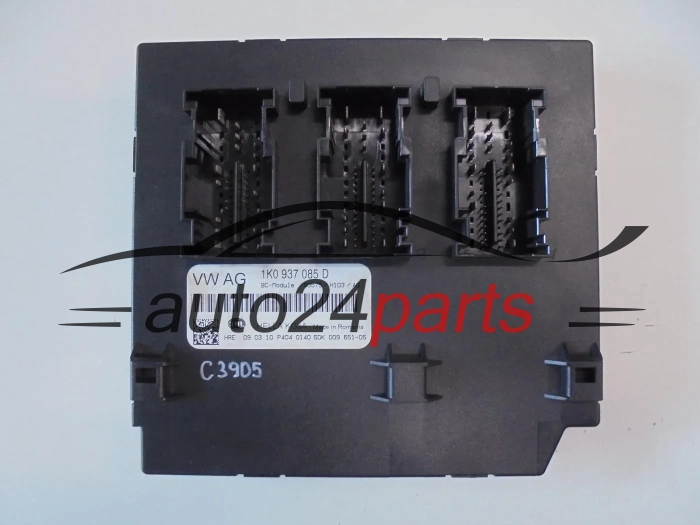
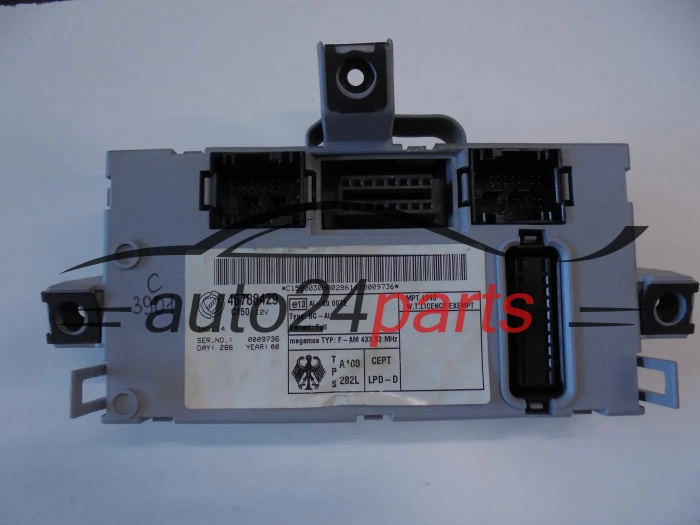
The transmission control unit (TCU – Transmission Control Unit) is the “brain” of an automatic gearbox. It decides when to shift gears by analyzing data from the engine and the wheels. When it starts to malfunction, driving becomes not only uncomfortable but also unsafe. How can you tell whether the problem lies in the electronics rather than in the mechanical parts of the gearbox? Below are the key diagnostic steps.
Typical Symptoms of a Faulty Control Unit
Before moving on to advanced tests, pay attention to the signals your car is giving you. The most common symptoms of a damaged transmission control unit include:
- Limp mode: The gearbox locks itself in one gear (usually third), and a “Check Engine” light or a transmission warning light appears on the dashboard.
- Harsh or jerky gear changes: Sudden jolts when shifting into “D” or “R”, as well as unstable behavior while driving.
- Incorrect gear selection: The transmission shifts too early, too late, or skips certain gears altogether.
- No-start condition: Some control units (e.g. in DSG or 7G-Tronic systems) prevent the engine from starting if they do not detect the “P” or “N” position.
Computer Diagnostics – The Key to Success
Modern control units are equipped with advanced self-diagnostic systems. To check their condition, connecting a diagnostic interface (OBD2) is essential.
What should you pay attention to during scanning?
Fault codes (DTC): Look for errors starting with the letter P (e.g. P0700 – general transmission control system fault). Errors related to “loss of communication” (U0101) often clearly indicate an electrical issue within the control unit.
Live data parameters: Check whether the control unit correctly reads the transmission oil temperature and shaft speeds. If values jump erratically or are illogical (e.g. –40°C), the control unit may be faulty.
Visual and Electrical Inspection
Before deciding on replacement, rule out simple external issues:
Connectors and pins: Check whether the control unit connector is contaminated with transmission oil (a common issue in Mercedes-Benz gearboxes). Oil can cause short circuits.
Battery voltage: Transmission control units are very sensitive to voltage drops. A weak battery can generate false control unit errors.
Repair or Replace? Why Choosing an Original Part Makes Sense
If diagnostics confirm control unit failure, you face a choice: repair (remanufacturing) or replacement.
Why do we advise against “DIY” repairs and cheap refurbishments? Many companies offer quick fixes by re-soldering joints. Unfortunately, control units operate under extreme conditions – exposed to heavy vibrations and thermal cycles (from –30°C in winter to over 100°C during operation). Amateur solder joints often crack, and the problem returns after a few months.
Important tip: Instead of risking money on unreliable repairs or buying cheap, unknown aftermarket units, a much safer and more durable solution is to purchase an original used control unit. Original components guarantee full compatibility with the manufacturer’s software and significantly better transmission performance. By choosing a verified used part, you get a product that has passed factory quality control – which is crucial when it comes to electronics.
Where to Find a Verified Control Unit?
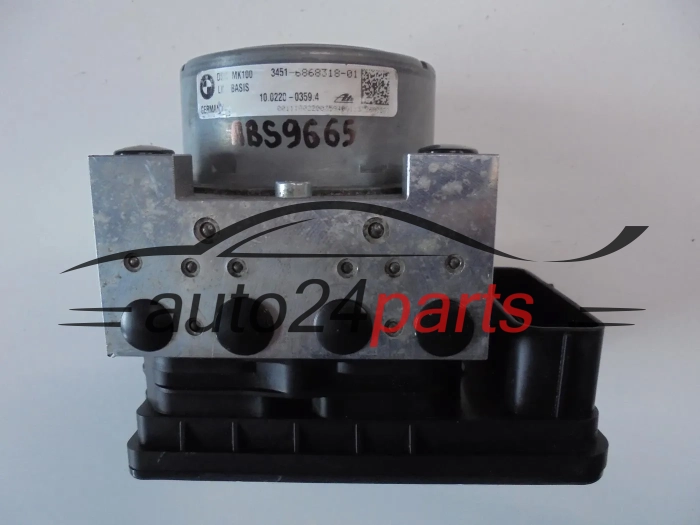
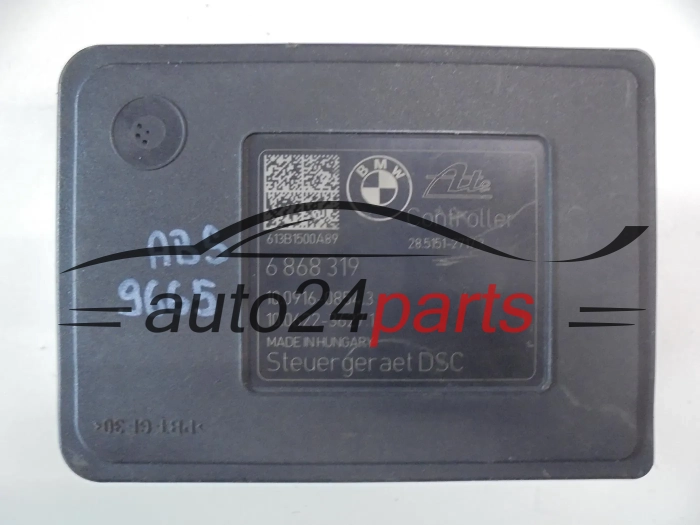
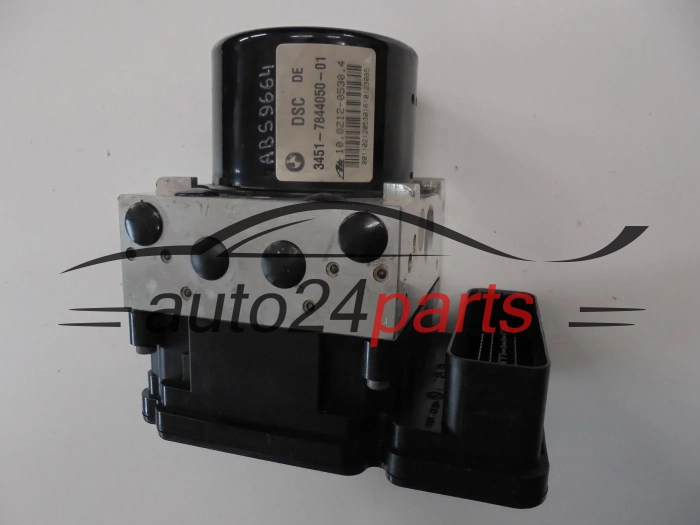
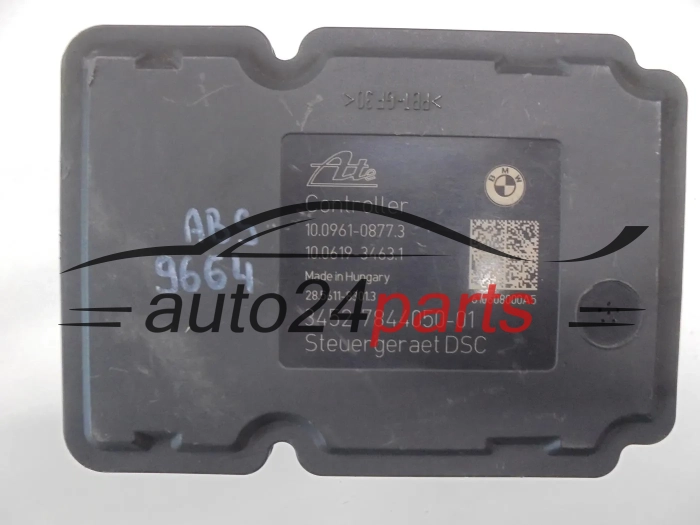
If you are looking for a reliable component for your vehicle, use the offer of a professional parts supplier. A wide selection of original transmission control units for many brands and models is available at the following link: Original transmission control units – check the offer at Auto24Parts.
By choosing an original part, you save time and avoid double costs related to repeated visits to the workshop.
FAQ – Frequently Asked Questions About Transmission Control Units
1. Is it safe to drive with a faulty control unit?
It is not recommended. A damaged control unit may unexpectedly put the transmission into limp mode or disconnect the drive while overtaking, which is extremely dangerous. In addition, incorrect gear selection dramatically accelerates mechanical wear of the gearbox itself.
2. Can any mechanic diagnose a control unit fault?
Basic diagnostics can be done with an OBD2 system, but precise assessment requires brand-specific software (e.g. ODIS for the VAG group, ISTA for BMW). It is best to visit a workshop specializing in automatic transmissions.
3. Is programming required after replacing the control unit?
In most modern vehicles – yes. The control unit must be “matched” to the vehicle’s VIN and undergo an adaptation process to work smoothly with other systems.
4. Why is it better to buy an original used unit instead of repairing the old one?
Repairs often involve temporary fixes of broken traces, which are not durable under vibrations and high temperatures. An original used control unit retains factory soldering and components, offering much greater reliability.
5. Where is the transmission control unit usually located?
It depends on the model. In many modern designs (e.g. DSG, 7G-Tronic), the control unit is located inside the gearbox, immersed in oil (the so-called mechatronics). In older cars, it may be mounted outside the gearbox or in the plenum area.
6. Can a weak battery cause control unit errors?
Absolutely. A voltage drop during engine start can cause communication errors in the CAN network, which the control unit interprets as a fault. Always check the battery and alternator condition before replacing the part.
7. How long does control unit replacement take?
If the control unit is mounted externally, replacement takes 1–2 hours. If it is located inside the gearbox, the process requires draining the oil and removing the oil pan, which can take 3–5 hours plus programming time.
8. How can I be sure the control unit will fit my car?
The key is matching the manufacturer’s serial numbers (e.g. Bosch, Continental) and OE part numbers. They must be identical or official supersessions for your engine version.
9. Does a faulty control unit always trigger the “Check Engine” light?
Not always. Sometimes the issue manifests only as subtle jerking or difficulty engaging a specific gear, and the error is stored only in the transmission module’s internal memory without illuminating a dashboard warning.
10. Can changing the transmission oil fix a faulty control unit?
Unfortunately not. If the control unit electronics are damaged (e.g. burnt traces or a failed speed sensor), fresh oil will not help. However, it may improve solenoid operation if the problem was caused by contamination.
11. What are the costs of a used control unit compared to a new one?
A new control unit from a dealership often costs between PLN 4,000 and 10,000. A tested, original used unit can usually be purchased for a fraction of that price (often between PLN 500 and 1,500), making it the most economical solution.
12. Can I replace the control unit myself?
If replacement requires removing the mechatronics and performing electronic adaptation, experience and workshop-level cleanliness are essential (any debris inside the gearbox is dangerous). We recommend entrusting this operation to a specialist.