- Electrical Parts(1122)
- Salespeed transmission ecu gearbox(25)
- Throttle body(0)
- Accelerator pedal potentiometer(1)
- Instrument cluster(1)
- Module control unit(1)
- Complete ABS Pump(505)
- Pump ABS BMW(34)
- Pump ABS Seat(5)
- Pump ABS Volkswagen(32)
- Pump ABS Isuzu(0)
- Pump ABS Audi(183)
- Pump ABS Skoda(6)
- Pump ABS Peugeot(11)
- Pump ABS Iveco(5)
- Pump ABS Mercedes(31)
- Pump ABS Smart(0)
- Pump ABS Hyundai(31)
- Pump ABS Jaguar(0)
- Pump ABS Chevrolet(9)
- Pump ABS Ssangyong(0)
- Pump ABS Renault(13)
- Pompa ABS Jeep(12)
- Pump ABS Alfa Romeo(1)
- Pump ABS Subaru(0)
- Pump ABS Toyota(14)
- Pump ABS Lancia(0)
- Pump ABS Chrysler(0)
- Pump ABS Volvo(0)
- Pump ABS Suzuki(24)
- Pump ABS Land Rover(7)
- Pump ABS Citroen(15)
- Pump ABS Lexus(0)
- Pump ABS Honda(9)
- Pump ABS Mitsubishi(1)
- Pump ABS Dacia(0)
- Pump ABS Mini(0)
- Pump ABS Dodge(0)
- Pump ABS Opel(6)
- Pump ABS Daewoo(0)
- Pump ABS Porsche(0)
- Pump ABS KIA(15)
- Pump ABS Rover(0)
- Pump ABS Mazda(5)
- Pump ABS Ford(35)
- Pump ABS Saab(0)
- Pump ABS Nissan(17)
- Pump ABS Fiat(8)
- Engine Control Unit – ECU(589)
- ELECTRICATION(12368)
- EXHALE(19)
- Engine(14)
- Air conditioning(14)
- Fuel System(64)
- New products
- Products on sale
No products matching your criteria have been found.
Lexus ABS Pump – Reliability, Luxury and Safety Without Compromise
Lexus is a brand regarded in the automotive world as a true benchmark of perfection, reliability and Japanese attention to detail. The luxury saloons, sporty coupés and advanced hybrid SUVs of this brand offer exceptional comfort and quietness. However, even in such refined vehicles, the heart of the braking system — the ABS pump with integrated control module and VSC system (Vehicle Stability Control) — must withstand enormous loads over the years. This advanced module, often operating in Brake-by-Wire technology, is responsible for ensuring that a powerful and heavy vehicle stops confidently and does not skid in difficult conditions.
Why Do ABS Pumps Fail in Lexus Vehicles?
In Lexus vehicles, simple standard ABS pumps are rarely used. The manufacturer, often working with companies such as Advics, Aisin and Denso, uses highly advanced ECB systems (Electronically Controlled Brake). Despite their legendary durability, age and extremely high hydraulic pressure eventually take their toll. The most common causes of problems include:
-
Wear of the electric pump motor brushes: In advanced Lexus braking systems, for example in GS, LS or hybrid RX models, the pump motor must constantly build pressure in the hydraulic accumulator. Over the years, often after exceeding 200,000–250,000 km, the brushes physically wear out and the motor stops working.
-
Loss of pressure in the hydraulic accumulator: This is one of the most common issues. Internal leakage causes the pump to run almost continuously, which eventually leads to motor burnout.
-
Electronic failures in the Skid Control ECU: Moisture, aging components or voltage spikes may damage the advanced mainboard controlling the valves and stability systems.
How Does Lexus Warn About a Faulty ABS/VSC System?
When this key component fails, Japanese electronics leave no room for doubt. The symptoms are usually severe and impossible to ignore:
-
A “Christmas tree” on the dashboard: Multiple warning lights immediately appear, including ABS, VSC, brake warning light and often messages such as “Check VSC System” or “Check Brake System”.
-
Loud continuous warning buzzer: In many Lexus models, a critical ABS pump failure or pressure drop activates a loud, continuous buzzer inside the cabin, warning about immediate danger.
-
Hard brake pedal: Lexus ECB systems rely on pressure generated by the pump. When the pump fails, brake assistance is lost. The pedal becomes extremely hard, and stopping a heavy vehicle requires very high physical force.
-
Frequent and loud buzzing from under the bonnet: If you notice that the pump activates very often, even every few seconds, and works unusually loudly, this is a sign that the pressure accumulator is failing and may soon damage the entire unit.
Rebuilding Such an Advanced Pump? Why It Is a Huge Risk
When a Lexus owner hears a dealer quotation for a new ABS pump reaching several thousand euros, they naturally start looking for alternatives such as rebuilding. From both technical and financial points of view, this is often the worst possible choice.
Lexus braking systems are among the most complex on the market. Dismantling them completely, attempting to rewind electric motors or manually sealing the hydraulic block is gambling with safety. This type of pump operates under extreme pressure. Cutting open the sealed electronics and resealing them with silicone allows moisture to quickly destroy the mainboard. Moreover, no rebuilding company has access to brand-new genuine Advics or Aisin replacement components — repairs usually involve patching and soldering old parts. You often pay a large amount for diagnosis only to learn that the module cannot be saved.
The Only Reliable and Rational Solution: Genuine Used ABS Pump
The fastest, most cost-effective and fully safe way to return to enjoying Lexus comfort is to purchase a working genuine used ABS pump with warranty.
By choosing an original unit from our offer, you receive a factory-assembled, unopened and perfectly sealed component. The key to success is perfect part matching by serial numbers from your faulty original pump, usually a Toyota/Lexus OE number beginning, for example, with 47050-... or 44610-.... After professional installation, precise system bleeding using diagnostic software such as Techstream, and zero point sensor calibration, your vehicle will regain full functionality. This is a fraction of the cost of a new unit while maintaining uncompromising quality.
Complete Offer for the Most Demanding Drivers
At Auto24Parts, we understand that automotive passion comes in many forms, and your garage may contain vehicles from different parts of the world. That is why we provide high-quality braking components regardless of brand.
If you demand uncompromising Japanese engineering, our Lexus ABS pump category is for you. Looking for legendary Swedish safety? Check our Volvo ABS pumps. Do you value the agility and off-road ability of Japanese vehicles? Visit our section with Suzuki ABS pumps. Are you a fan of British tradition and heavy off-road vehicles? We recommend reliable Land Rover ABS pumps. And if you prefer avant-garde style and French driving comfort every day, you may also be interested in our dedicated Citroën ABS pumps.
Choose quality from a trusted source. Brake safely and comfortably in all conditions.
FAQ – Frequently Asked Questions: Lexus ABS Pumps, ECB and VSC Systems
1. How do I correctly choose a used ABS pump for my Lexus? In advanced Japanese vehicles, choosing a pump “by eye” or only by model and year is impossible and always leads to mistakes. For the unit to fit and communicate correctly with the vehicle’s main computer, the used pump you choose must have exactly the same hardware serial number as your faulty original part. You can find it on a label or stamped into the aluminum module. Most often it is an original Toyota/Lexus OE part number in a format such as 47050-XXXXX, 47210-XXXXX or 44610-XXXXX.
2. Is replacing a Lexus brake pump simple and does it require programming? Replacement is highly complex and should not be attempted by a mechanic without proper equipment. Lexus vehicles use a very advanced ECB system, meaning Brake-by-Wire electronic braking without a direct permanent mechanical connection in normal operation. After physically replacing the pump, diagnostic software is absolutely required, ideally Toyota Techstream. The computer is necessary to perform the strict bleeding procedure, opening individual solenoid valves from the laptop, and to carry out Linear Valve Offset / Zero Point Calibration for the sensors. Without this, the system will not operate correctly and the dashboard will remain full of warning lights.
3. The brake pedal suddenly became rock hard and a warning buzzer is constantly sounding in the cabin. What does this mean? This is an emergency and critical condition for the ECB system. It means the system has lost the hydraulic pressure required for brake assistance. The most common cause is complete seizure of the electric pump motor, which can no longer build pressure, or internal failure of the hydraulic pressure accumulator. The continuous buzzer is a programmed safety warning designed to force the driver to stop the vehicle immediately.
4. Can I drive to the workshop with a warning buzzer, VSC lights and a hard brake pedal? We strongly advise against it. In Lexus vehicles with ECB systems, a hard pedal means almost complete loss of brake assistance. Stopping a two-tonne luxury saloon or heavy hybrid SUV in this condition requires extreme force on the brake pedal, effectively braking with muscle strength only, and the braking distance increases dramatically. For your safety and the safety of other road users, the vehicle should be transported to the workshop only on a tow truck.
5. The diagnostician says only the pressure accumulator is damaged. Do I need to replace the complete unit? It depends on the construction of the pump in your specific Lexus model. In some generations, for example older Lexus GS or LS models, the pressure accumulator and motor can physically be unscrewed from the main hydraulic block and replaced separately. However, this requires great caution and expertise. One important point must be remembered: failure of the accumulator usually causes the pump motor to run almost continuously to rebuild pressure. This results in severe overheating and wear. Even if you replace only the accumulator, the already worn motor may soon fail. That is why the safest and most durable solution, giving peace of mind for years, is replacing the complete unit with a tested genuine used assembly.
NEW OFFERS
€300.00
€243.90
€550.00
€447.16
€550.00
€447.16
€350.00
€284.55
€700.00
€569.11
€600.00
€487.81
€600.00
€487.81
€600.00
€487.81
€700.00
€569.11
€600.00
€487.81
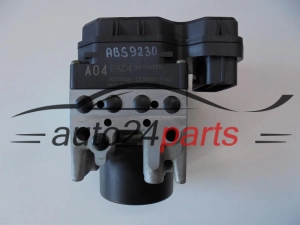
€400.00
€325.20
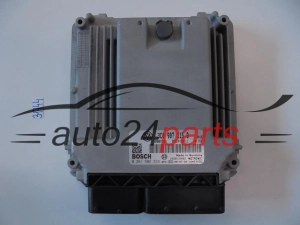
€700.00
€569.11
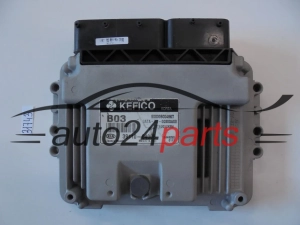
€350.00
€284.55
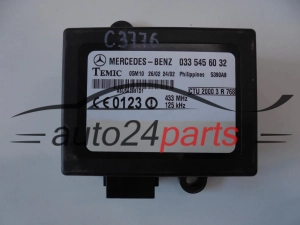
€90.00
€73.17
€90.00
€73.17