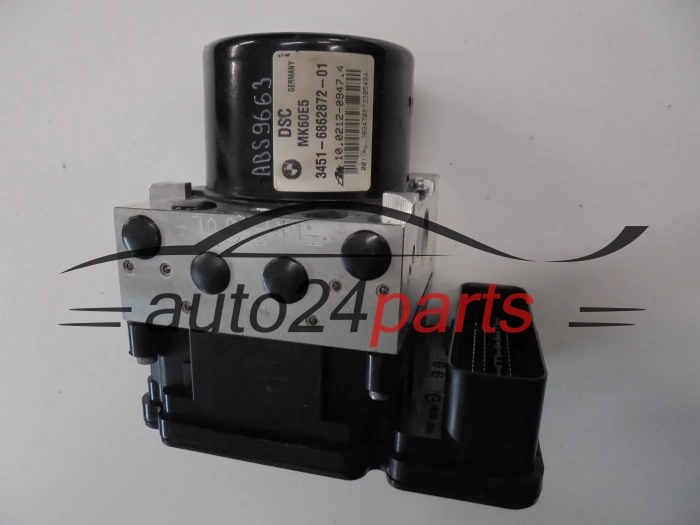
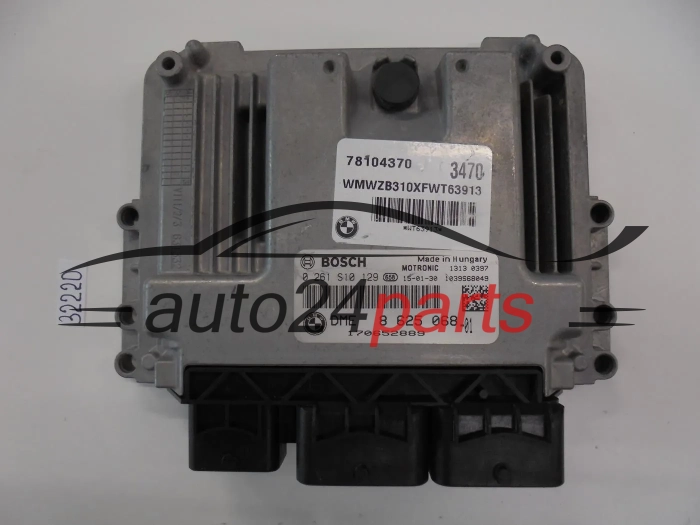
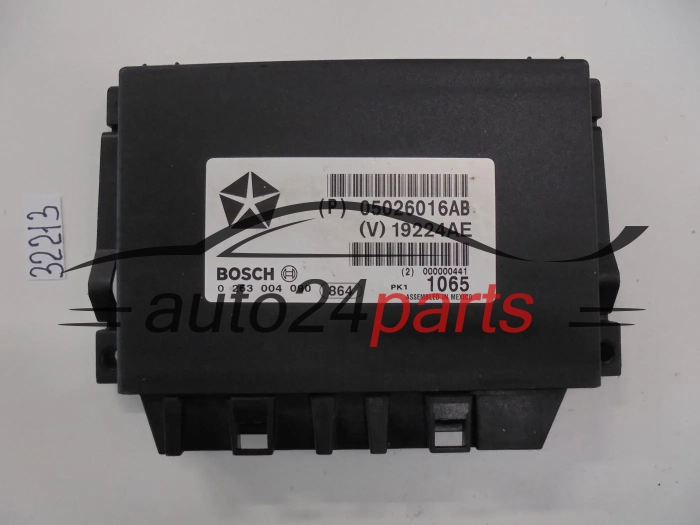
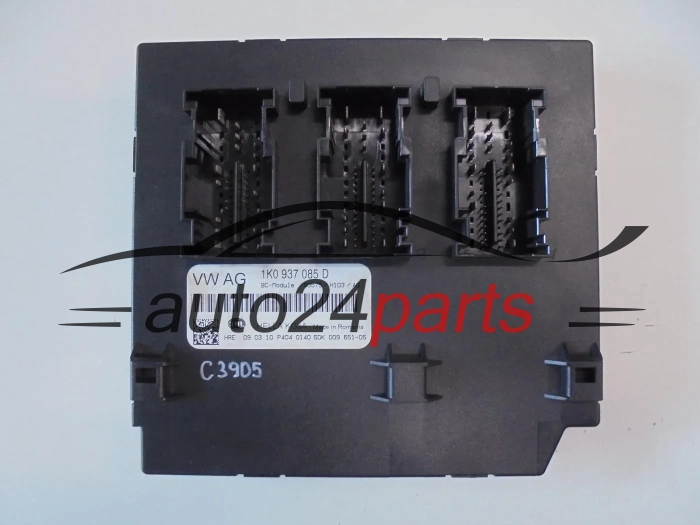
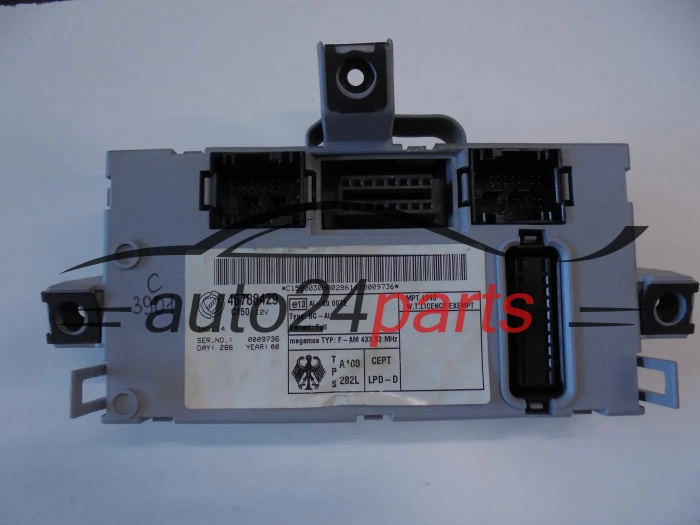
The Engine Control Unit, known as the ECU, is the key component managing the operation of a modern vehicle—it controls precise fuel injection, ignition timing, and even safety systems. A malfunction in this module can have serious consequences, which is why quick and accurate diagnosis is essential.
Observing Symptoms – Warning Signs
The process of verifying ECU functionality begins with careful observation of unusual vehicle behavior. The most common indicator is the “Check Engine” light illuminating on the dashboard. Although this does not always point directly to an ECU fault, it is the first signal that a deeper diagnostic check is needed.
Other, more serious symptoms of ECU malfunction may include difficulty starting the engine or a complete inability to start it, rough idling, jerking during acceleration, or the vehicle suddenly entering limp mode, resulting in a significant loss of power. A typical, though not exclusive, sign of internal ECU damage is the engine stalling once it reaches operating temperature—often caused by overheating components inside the control unit.
Additionally, the ECU may incorrectly manage the air-fuel mixture, which can result in an unjustified increase in fuel consumption.
Professional Diagnostics and Verification
If any of these symptoms are observed, the next crucial step is professional computer diagnostics. A specialist connects a diagnostic tester to the OBD-II port to read the error codes (DTC) stored in the ECU memory. It is important to rule out sensor failures (e.g., crankshaft position sensor, MAF sensor), as their malfunctions can produce similar symptoms. When the ECU itself is faulty, error codes often appear that cannot be logically explained by a malfunctioning but physically intact component—or communication with the engine control module is lost entirely.
An experienced mechanic will also analyze live data to verify whether the sensor signals are correctly processed and whether the ECU logically manages the engine. Only after ruling out all external component failures and verifying proper power supply and ground connections can a faulty ECU be definitively diagnosed. In some cases, a visual inspection of the ECU after removal may also be necessary to look for signs of water damage, overheating, burnt circuits, or corrosion.
Why Choose a Used Original ECU?
Once it is confirmed that the issue lies within the ECU, the next step is to decide between repair, replacement, or purchasing a used original unit. Although repair may be possible and aftermarket replacements are often cheaper, for such a critical component, the most reliable and recommended solution is a used original ECU. An original unit guarantees full compatibility with the rest of the vehicle’s systems—especially important due to the ECU’s link with the immobilizer and other control modules.
Purchasing a new aftermarket unit often carries risks such as coding issues, incomplete functionality, or non-standard software. A used original ECU, on the other hand, only requires professional installation and cloning—transferring configuration data from the old unit—which is a standard procedure performed by specialists. It is strongly advised to avoid unreliable repairs and cheap replacements that may cause further problems or unstable engine performance.
For tested, original ECUs with warranty, visit: How to Check if the Engine Control Unit (ECU) is Working Properly.
Frequently Asked Questions (FAQ)
What is the difference between a faulty ECU and a faulty sensor?
A faulty sensor (e.g., MAF sensor) sends incorrect data to the ECU. A faulty ECU, however, is a module that either fails to function entirely (no communication, engine won’t start) or processes and executes commands incorrectly despite receiving proper data from the sensors.
Can I replace the ECU myself?
The mechanical replacement is simple, but the electronic replacement is complex. A new or used ECU must be correctly programmed (coded) for the vehicle, including synchronization with the immobilizer and VIN number. Without professional programming, the car will usually not start.
What are the most common causes of ECU failure?
The most common causes include:
Moisture or water entering the module (flooding), Electrical surges caused by wiring faults or improper jump-starting,
Thermal or mechanical damage (cracked solder joints due to vibration or high temperature)
Can every faulty ECU be repaired?
Not all of them. Repairs are possible when the issue affects specific components or connections (e.g., cold solder joints, damaged transistors). However, if the processor, memory, or PCB is severely damaged by moisture or fire, the repair is either uneconomical or impossible—in such cases, replacement is the only practical option.