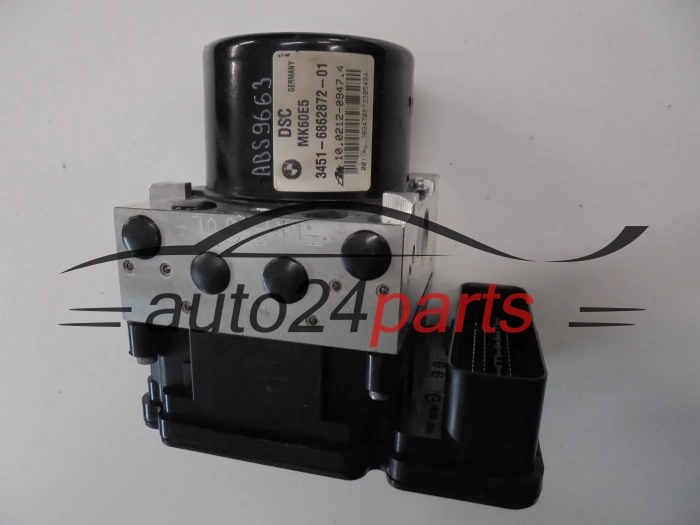
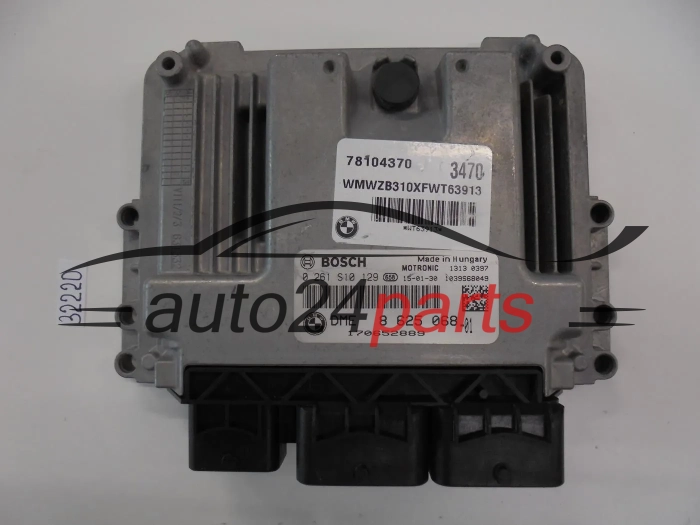
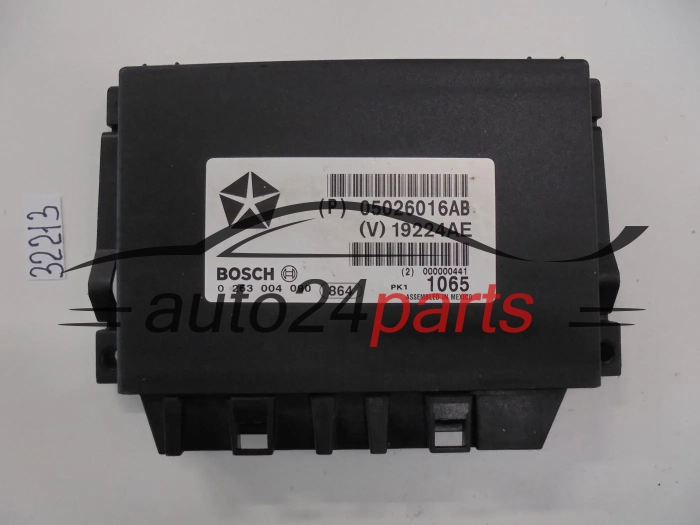
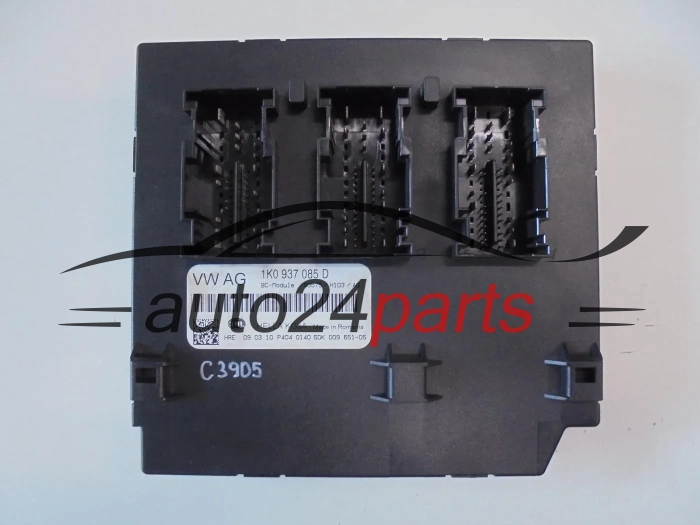
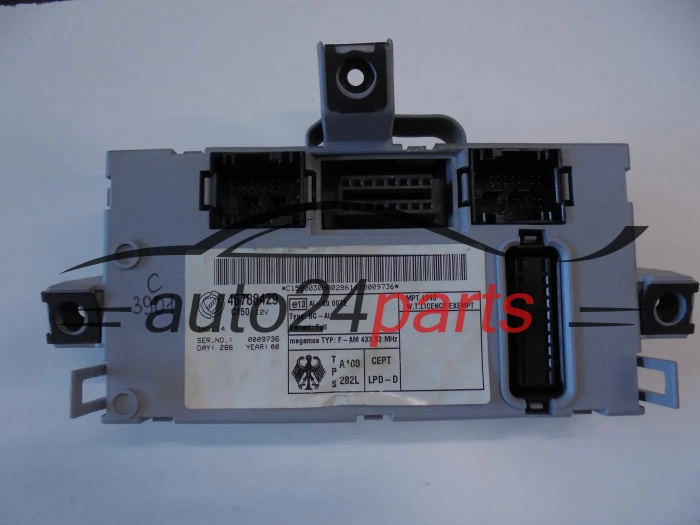
The engine ECU, also known as the Engine Control Unit, is one of the most important electronic components in a modern vehicle. Its main task is to manage the engine’s operation – from fuel injection and ignition to emissions control. A faulty ECU can lead to reduced engine power, increased fuel consumption, unstable operation, or even complete engine failure. That’s why it’s important to know how to check whether your ECU is functioning correctly.
What is the engine ECU and how does it work?
The engine ECU is an onboard computer that collects data from multiple sensors throughout the vehicle. Based on this information, it makes decisions regarding engine parameters such as the air-fuel mixture, ignition timing, or boost pressure. In short, the ECU ensures optimal engine performance under all driving and weather conditions. Although the ECU is factory-programmed, over time - due to faults, electrical short circuits, wiring problems, or water ingress – it can become damaged. The symptoms of a malfunction can vary widely, which makes proper diagnosis essential.
How to check if the ECU is working properly?
Reading fault codes using a diagnostic interface (OBD II)
The fastest and easiest method is to connect the car to a diagnostic computer. All you need is a standard OBD II interface and a diagnostic application (e.g., Torque, Delphi, or VCDS depending on the vehicle brand). The computer will read the error codes stored in the ECU’s memory. If any faults appear indicating communication issues with the ECU or abnormal sensor readings, it may signal a problem with the unit.
Checking ECU power supply and ground
A faulty ECU might have power supply issues. It’s worth measuring the voltage at the ECU’s power pins (usually 12V). It’s equally important to check the continuity of the ground connection. Lack of proper voltage or grounding issues can lead to the engine computer malfunctioning.
Live data monitoring of engine parameters
Diagnostic software allows real-time monitoring of engine data – such as engine temperature, intake manifold pressure, injection timing, or RPM. If the values are illogical or change erratically, it could indicate the ECU is misinterpreting the data or is faulty.
Symptoms observed while driving
Starting issues, jerking during acceleration, limp mode activation, unexpected stalling, or an illuminated "check engine" light – are often early signs of a failing ECU. These warnings should not be ignored, even if the vehicle is still running.
Bench testing the ECU
In case of a suspected major fault, the ECU can be sent to a specialist company that tests engine control units outside of the vehicle. This makes it possible to determine with certainty whether the ECU is the source of the problem.
Where to buy a tested used engine ECU?
If it turns out the ECU needs to be replaced, it’s worth considering the purchase of an original used unit. New ECUs are very expensive, and aftermarket alternatives often fail to meet factory standards. That’s why buying a tested, used ECU from a legal and verified source is a smart solution. Check out the selection of original used engine ECUs available at How to check if the engine ecu is working properly in a car. Auto24Parts offers a wide range of ECUs for various car makes and models. Each product is tested and comes with a startup guarantee. It’s a safe way to restore engine functionality without overspending.