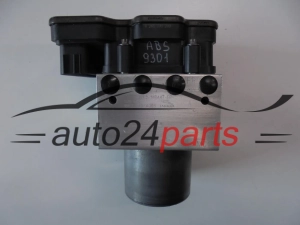
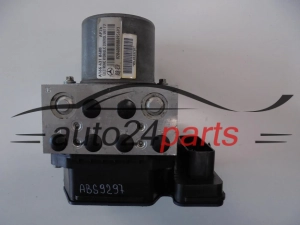
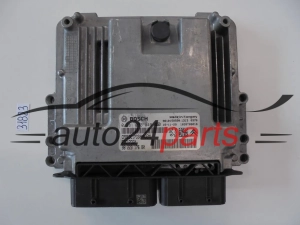
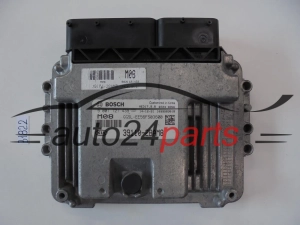
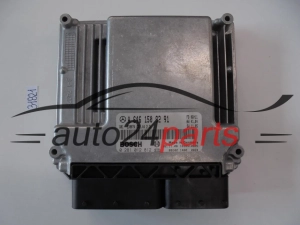
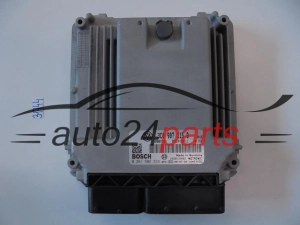
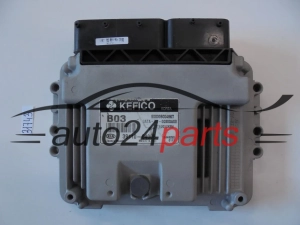
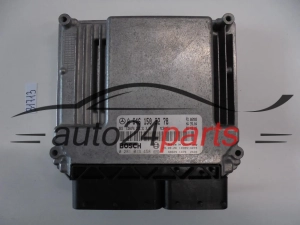
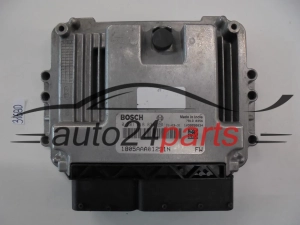
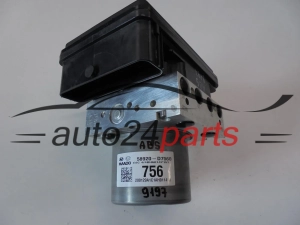
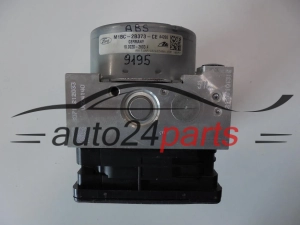
Hidden inside every modern car is an advanced computer that constantly orchestrates the operation of the entire powertrain. We are talking about the engine control unit, commonly known as the ECU (Engine Control Unit) or ECM (Engine Control Module). This specific module decides on the fuel injection dose, ignition timing, boost pressure, and communication with other systems in the vehicle.
When this electronic heart stops beating, the car turns into a useless piece of metal. One of the most common and severe failures is a burned engine control unit. What exactly causes this, how can you recognize the fault, and why is investing in a safe, dismantled part the best way to get your car running again? You will find the answers below.
Why does an engine control unit burn out?
ECU controllers are designed to withstand harsh conditions: vibrations, extreme temperatures, and contaminants. Unfortunately, the motherboard is extremely sensitive to electrical anomalies. The physical burning of integrated circuits, the processor, or traces on the board is most often caused by a few specific situations:
-
Reverse polarity (reversed jumper cables): This is a classic and very costly mistake. An attempt to jump-start the car where the driver mixes up the poles (positive with negative) causes a massive and immediate voltage spike that literally fries the ECU electronics.
-
Short circuits in the electrical wiring: Chafed wire harnesses that touch metal body parts (ground) send a current to the controller that its delicate input/output circuits simply cannot handle.
-
Alternator or voltage regulator failure: A damaged alternator can charge the battery with excessively high voltage, which in a short time leads to the burning of electronic modules.
-
Unprofessional chiptuning: Amateur attempts to modify the software, often requiring the physical opening of the hermetic housing and soldering wires directly to the board, can end in permanent hardware damage.
-
Capillary action and moisture: Oil leaks from sensors or coolant leaks can travel inside the wires all the way to the computer plug. When the fluid meets electricity, a destructive short circuit occurs on the board.
Burned engine control unit – the most important symptoms
How does a car react to the death of its main computer? The symptoms are usually sudden and leave no room for doubt. Pay attention to the following signs:
-
The starter cranks, but the engine won't start: This is the most typical sign. Mechanically everything seems fine, power reaches the starter, but the lack of spark at the spark plugs and the failure of the injectors to open mean the engine remains dead.
-
No "Check Engine" light after turning on the ignition: In a working car, after turning the key (before starting the engine), a yellow engine icon should light up on the dashboard – this is a sign that the ECU is alive and running a system check. Its complete absence is almost certain proof of a lack of power to the computer or its physical burning.
-
No communication with the OBD2 scanner: Your mechanic tries to connect a diagnostic computer to read the faults, but the tester displays the message "No connection with the control unit". The module is deaf to all queries.
-
Crazy behavior of other systems: Radiator cooling fans turn on at maximum speed right after turning on the ignition, and messages about ABS, ESP, and immobilizer errors appear on the dashboard. This happens because the other computers on the CAN network have suddenly lost contact with the main "brain".
-
Smell of burning: In extreme cases of a massive short circuit, after opening the hood or removing the computer from the cowl area, you can smell a distinct, sharp odor of burned laminate and electronics.
Repair attempts? Why it's better to give up on soldering
When the diagnosis is a "burned controller," many drivers look for companies offering to resuscitate it. Unfortunately, with modern, multi-layer motherboards, repair is usually a nightmare.
Burning rarely affects just one fuse or resistor. Short circuits destroy traces hidden deep within the board's structure, and high temperatures damage processor structures. Even if an electronics technician manages to replace a visibly scorched component, the module becomes unpredictable after such an intervention. The car might suddenly stall while overtaking. Furthermore, opening the housing permanently destroys its factory seal, paving the way for deadly moisture.
The safest solution: Original used control unit
The fastest, most rational, and most cost-effective method to get back on the road is to purchase an original, fully functional used controller from a reliable source.
By choosing an original part, you receive a computer with an intact, factory seal that will easily accept your car's software. All you need to do is note down the numbers from the burned module and match it with an identical replacement. Then, a local automotive electronics specialist will clone the data or disable the immobilizer, and you will get your car back without worrying about sudden failures of re-soldered traces.
👉 Do not risk your safety. Restore full power to your car and check our offer of top-quality, tested modules: Buy an original engine control unit – check availability at Auto24Parts
FAQ – Frequently Asked Questions: Burned engine control unit
1. Can I diagnose a burned control unit myself? You can make an initial diagnosis based on the symptoms (no Check Engine light after ignition, starter cranking with no effect). However, you will only have 100% certainty when, after plugging a diagnostic scanner into the OBD2 port, the device is unable to establish communication with the engine module, despite the fuses being intact.
2. How to choose the right used control unit for my car? This is a crucial step. Controllers differ from each other in their internal build, even in vehicles from the exact same production year and with the identical engine. You must choose a new module solely based on serial numbers. Write down the electronics manufacturer's number (for example, starting with 0 281 ... for Bosch) and the original equipment (OE) number of the car manufacturer from the sticker on the burned computer. The numbers on the part you are buying must match 100%.
3. Can I just buy a used controller and plug it into the connectors? No, the car definitely won't start. Every engine control unit is programmed and linked to the vehicle's anti-theft system (immobilizer) and assigned to a specific VIN. A simple physical swap is not enough.
4. What do I need to do with the purchased used ECU to start the car? You have two main options that an automotive electronics shop will perform for you:
-
Cloning (1:1): If data can still be read from the EPROM/Flash memory of the burned controller, the technician copies the entire software and uploads it to the purchased used controller. After this procedure, the module becomes a Plug & Play system – you plug it in and drive.
-
Immo OFF / Virgin: If your old computer burned completely and reading the data is impossible, the used controller can be restored to a "clean" state (Virgin – it behaves like a new part from the factory, ready to learn the keys in the car) or the immobilizer function can be completely deactivated (Immo OFF), which will allow the engine to start immediately.
5. Where is the engine control unit located in my car? The location depends on the specific manufacturer and vehicle model. The most common mounting locations are:
-
The windshield cowl (often hidden under plastic covers, next to the wiper mechanism).
-
The engine compartment (bolted directly to the engine block, for example in Opel cars, or next to the battery).
-
Inside the cabin (under the dashboard, behind the passenger glove box, or in the footwell).
6. The engine control unit fuse keeps blowing. What does this mean? If after replacing the ECU power supply fuse (the so-called main relay or EFI/ENG fuse) it immediately blows again after turning on the ignition, you are dealing with a hard short circuit. This could mean a chafed wire harness touching the metal bodywork or completely burned (shorted) electronics inside the engine control unit itself. In this case, inserting stronger fuses is strongly discouraged, as this risks an electrical fire. A thorough inspection of the wiring and the module itself is required.