





Volvo ABS Pumps – Complete ABS / ESP Units
List of products
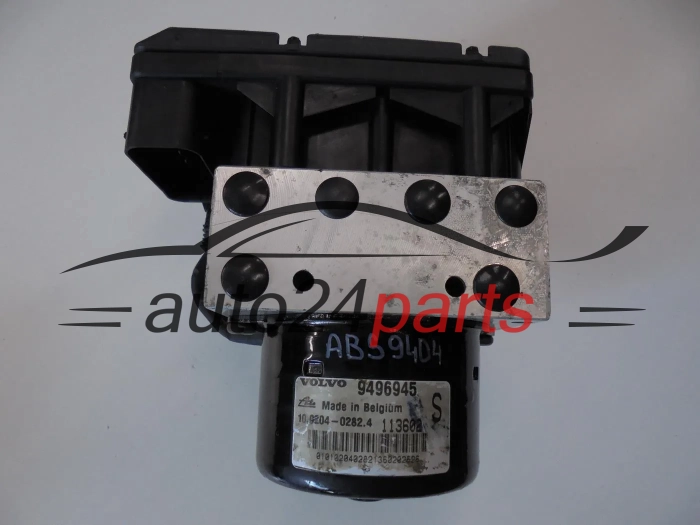
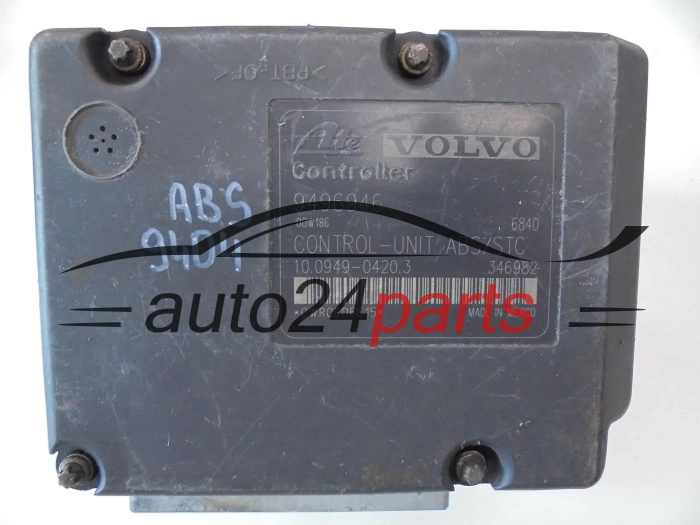
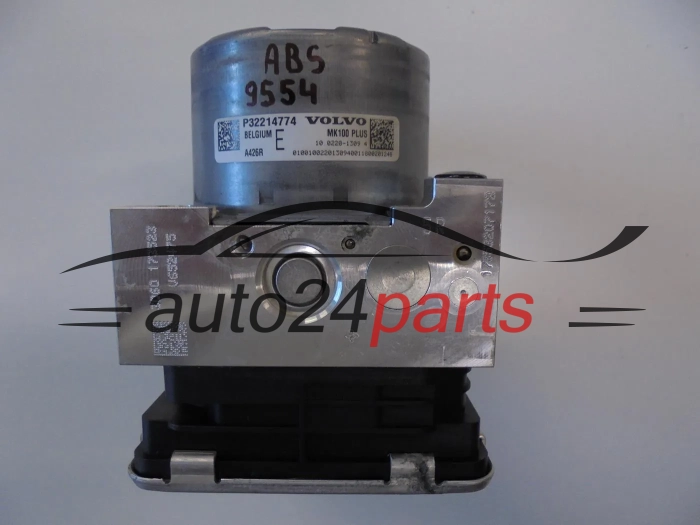
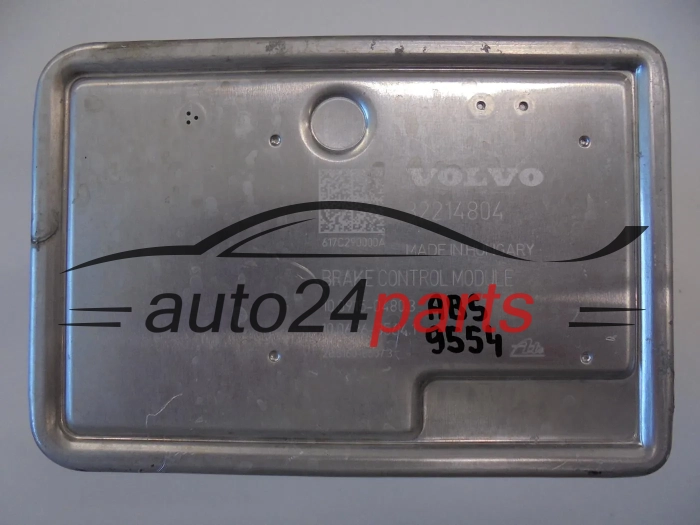


Volvo ABS Pump – Genuine Used Parts for Maximum Safety and Reliability
Maintain the legendary Swedish safety standards. Restore full braking performance and traction control functionality in your Volvo.
For decades, Volvo has been globally recognized as one of the safest automotive brands on the road. However, advanced traction and stability systems can only protect the driver and passengers when the braking system operates flawlessly. At the center of this system is the ABS pump (hydraulic unit with BCM – Brake Control Module). In Volvo vehicles, this module manages not only anti-lock braking functions, but also critical stability systems such as DSTC (Dynamic Stability and Traction Control), STC, and older TRACS systems.
In this category you will find original, tested used ABS pumps removed from Volvo vehicles, compatible with a wide range of models. It is the safest and most cost-effective alternative to extremely expensive dealership repairs and unreliable rebuilds.
Why Do ABS Pumps Fail in Volvo Vehicles?
Although Swedish engineering is designed for long-term durability, electronic and hydraulic components operating under extreme engine bay temperatures eventually wear out. Volvo commonly used braking systems manufactured by ATE (and less frequently Bosch). The most common BCM module failures include:
-
Brake pressure sensor failure (BCS): This is a common issue in ATE MK60 systems used in models such as Volvo S40 II, V50, C30, V70, and S60. Typical symptoms include an internal brake pressure sensor fault (often code BCM-0130). The sensor is integrated directly into the aluminum hydraulic block.
-
Cold solder joints and microcracks: In older P2 platform vehicles (such as XC90 I, early S80, and V70 II), constant engine vibration and temperature fluctuations often cause cracked solder connections inside the black electronic control module.
-
ABS pump motor wear: Heavy SUVs and AWD estate models frequently activate the DSTC system. Over time, the electric motor brushes inside the hydraulic unit naturally wear out after thousands of kilometers.
Common Symptoms of a Faulty Volvo BCM / ABS Module
Volvo vehicles are very precise when reporting safety system failures. Pay attention to the following warning signs:
-
Dashboard warning messages (DIM): The most common symptoms include a yellow or red warning triangle and messages such as "Anti-skid service required" or "ABS/DSTC spin control off".
-
Speedometer stops working: In models such as the Volvo V70 II or S80, loss of CAN communication with the ABS module may cause the speedometer to stop functioning and mileage counting to stop.
-
AWD system disabled: In all-wheel-drive versions equipped with Haldex, a BCM failure may disable rear-wheel drive, significantly reducing traction and stability in difficult conditions.
Why Is a Genuine Used ABS Pump Better Than Repairing Your Original Unit?
Repairing or rebuilding BCM/BCS modules often leads to recurring failures. Hydraulic block repairs and cutting open the electronic housing permanently damage the factory sealing. Moisture eventually enters the module again, causing the DSTC and ABS faults to return.
By choosing a genuine used ABS pump, you receive an original factory-assembled and unopened unit. Simply install a module with matching part numbers, code it using Volvo VIDA software, and perform the required sensor calibrations (including the Brake Pedal Position Sensor) to safely restore your vehicle.
Professional ABS Solutions for Many Vehicle Brands
At Auto24Parts, we understand that safety systems are critical regardless of the vehicle brand. While we specialize in Volvo electronics and braking systems, our inventory includes original ABS modules from manufacturers worldwide.
For enthusiasts of Italian engineering and sporty driving, we offer reliable Alfa Romeo ABS pumps as well as advanced braking modules such as Lancia ABS pumps. Looking for components for American vehicles? Explore our range of Chrysler ABS pumps. We also stock a wide selection of Japanese ABS systems, including highly reliable Toyota ABS pumps and AWD-compatible Subaru ABS pumps. No matter where your vehicle was manufactured, we can help restore full braking performance and driving safety.
How to Choose the Correct ABS Pump for Your Volvo
Volvo braking systems are highly vehicle-specific. Different software versions were used depending on whether the car was equipped with DSTC, STC, AWD, or other traction systems. The replacement module must match your vehicle exactly.
Before ordering, make sure to check the labels on your original ABS pump and note the following numbers:
-
ATE / Bosch numbers: The most important manufacturer numbers, often beginning with codes such as 10.0960-... or 10.0206-... for ATE systems.
-
Original Volvo OE number: Usually marked with Volvo-specific part numbers beginning with sequences such as 30736..., 8619..., or 30681....
FAQ – Volvo ABS Pumps and BCM Modules
1. Does a Volvo ABS pump need coding or programming after replacement? Yes, in most cases. In Volvo models built on P2, P1, and newer platforms (such as S60, V70, XC90, S40, and V50), the BCM module is integrated into the vehicle CAN network and linked to the vehicle VIN number. Physical installation alone will not remove dashboard errors. Volvo VIDA diagnostic software is usually required to configure the module, perform software reload procedures, and calibrate related sensors.
2. Can I install an ABS pump with a different part number if it comes from the same Volvo model? No. Volvo used many different braking and traction system configurations during the same production years, including standard ABS, STC traction systems, and advanced DSTC systems. Each version uses different internal valve configurations and software. The manufacturer numbers (ATE or Bosch) and the original Volvo OE number must match 100% with your original unit. Even a single digit difference may cause compatibility problems.
3. My Volvo displays the message "Anti-skid service required". Does this always mean the ABS pump is faulty? Not always, although the ABS/BCM module is one of the most common causes. This warning message simply indicates that the stability system has been disabled. The issue may also be caused by:
-
A faulty steering angle sensor (SAS – Steering Angle Sensor) located in the steering column clock spring.
-
Failure of the yaw rate sensor (Yaw Rate Sensor), often installed under the passenger seat.
-
Damaged ABS reluctor rings or faulty wheel speed sensors. Before replacing the ABS pump, a full VIDA diagnostic scan is strongly recommended to identify the exact fault codes.
4. Why do you not recommend rebuilding or repairing Volvo ABS pumps? Repairs often result in recurring failures. We generally discourage rebuilding for two main reasons:
-
Brake pressure sensor failures (BCS): In many ATE MK60 systems, the pressure sensor is integrated directly into the aluminum hydraulic block. Repairing this type of fault is often unreliable and temporary.
-
Loss of factory sealing: Repairing cold solder joints requires physically cutting open the control module housing. Once resealed with silicone and reinstalled near the engine, the module often loses its original moisture protection, allowing condensation and corrosion to damage the electronics again.
5. Can a faulty ABS pump disable AWD / Haldex in my Volvo? Yes. The ABS/BCM module communicates directly with the rear differential control module (DEM – Differential Electronic Module) in AWD-equipped vehicles. If the BCM reports a critical fault and disables traction systems, the vehicle may automatically disconnect rear-wheel drive for safety reasons.
6. Can I replace only the electronic control module and keep the original hydraulic block? In some cases, yes. Replacing only the electronic section may avoid bleeding the braking system. However, this solution only works if the fault is strictly electronic (for example CAN communication failures). If your Volvo shows brake pressure sensor faults (very common in V50, S40 II, and C30 models), replacing only the electronics will not solve the problem because the defective sensor is physically integrated into the hydraulic block itself. In most situations, replacing the complete ABS assembly is the safest and most reliable solution.