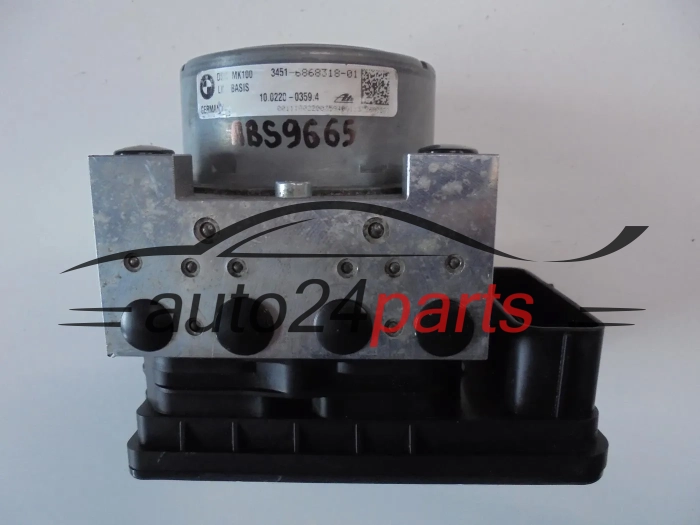
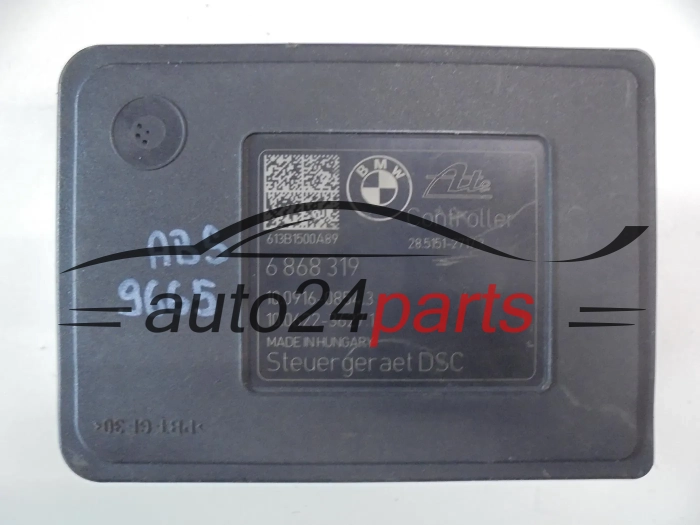
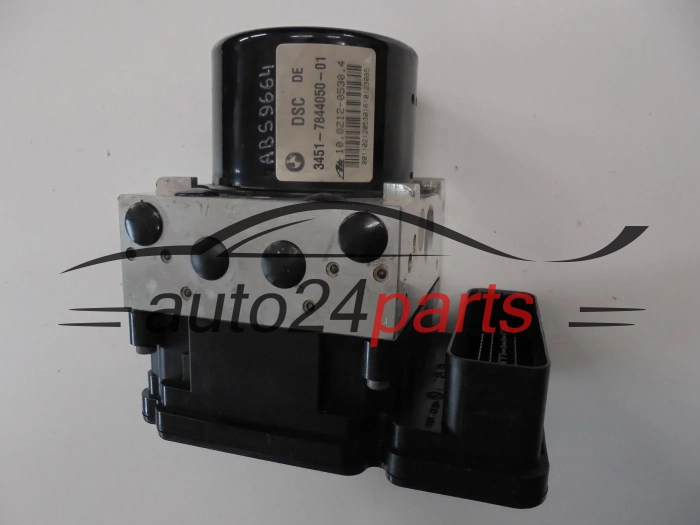
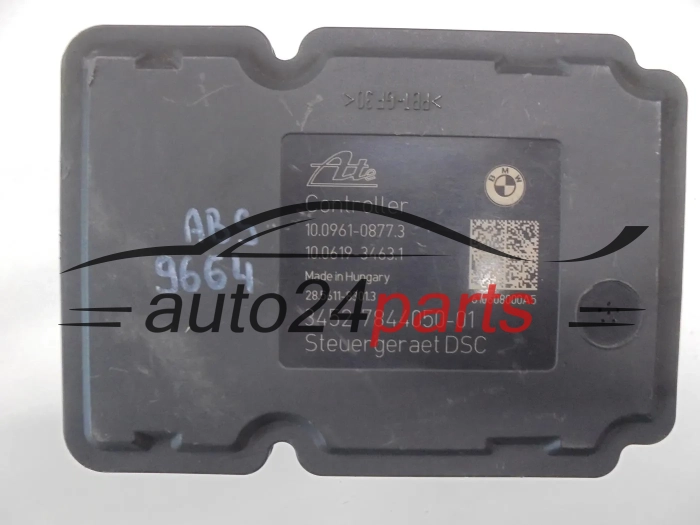
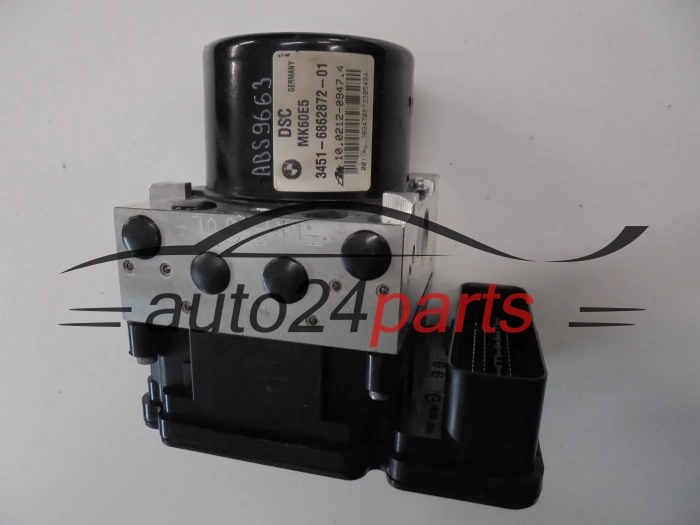
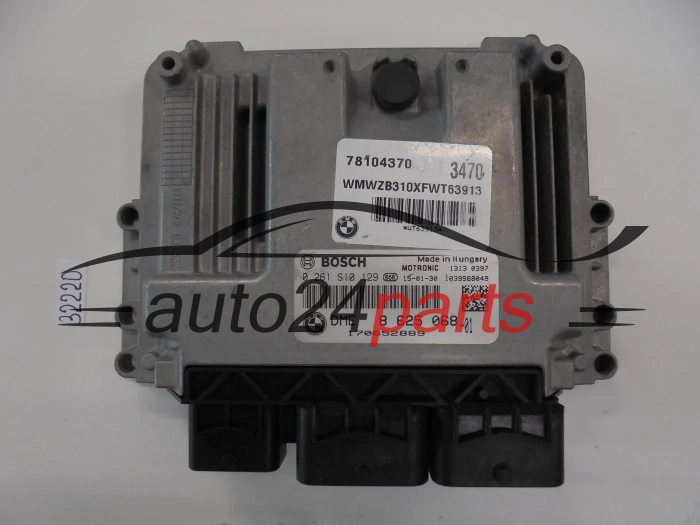
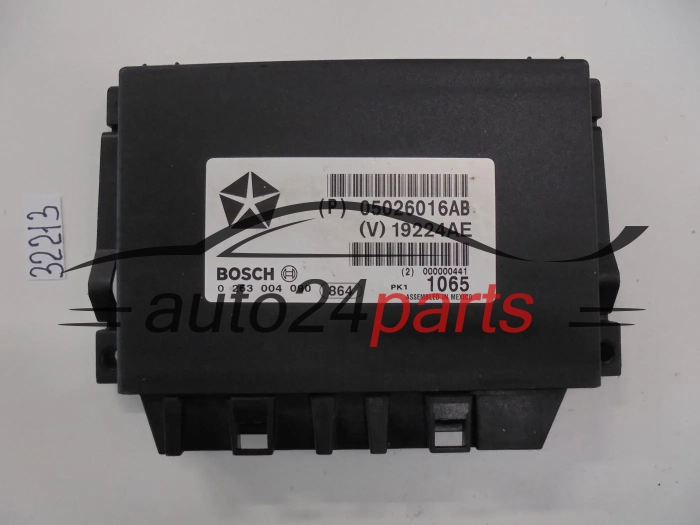
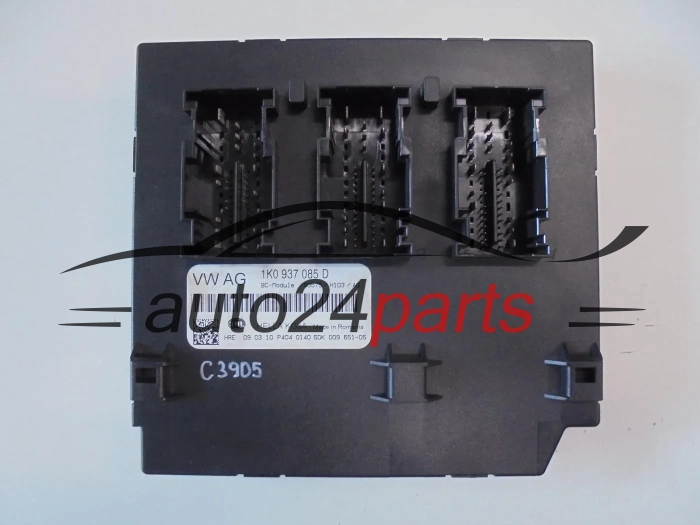
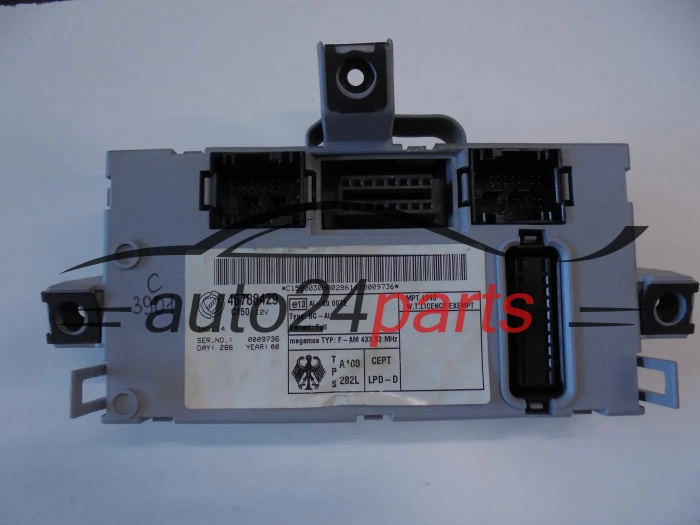
The automatic transmission is an incredibly complex system, combining advanced mechanics, hydraulics, and precise electronics. The brain of this entire operation is the transmission control module, commonly known as the TCM. In fractions of a second, this device analyzes data from speed sensors, throttle position, and engine RPM to make decisions about the perfect moment to shift gears.
Unfortunately, due to harsh working conditions, these modules can be prone to serious failures. One of the most critical faults is the physical burning of the electronics inside the module. In the following article, we will take a closer look at this phenomenon, discuss the characteristic symptoms, and advise on the most cost-effective way to deal with this expensive problem.
What exactly does a "burnt control module" mean?
The term "burnt control module" rarely means an open fire under the hood. In mechanical and electronic terminology, it refers to irreversible thermal or electrical damage to the TCM's motherboard. Most often, this involves burnt traces on a multi-layer printed circuit board, melted integrated circuit connectors, or critical damage to the managing processor. This fault is usually sudden and completely paralyzes the proper operation of the transmission.
Main symptoms of a burnt transmission control module
When the transmission's brain stops working, the car immediately lets you know. The symptoms of a damaged or burnt TCM are usually very violent and prevent normal vehicle operation.
- Activation of Limp Mode: The most common reaction of the onboard computer. The transmission locks into a single, predetermined gear (usually third gear). This is designed to protect the mechanical elements of the transmission from total destruction and allow you to pull off the road at a low speed.
- Sudden jerks and clunks: Changing the gear selector position from P (Park) to R (Reverse) or D (Drive) is met with a massive thud, strongly felt throughout the car body. Jerking also occurs while driving as the transmission fruitlessly tries to select a gear.
- Inability to select a gear: In advanced stages of failure, physically moving the selector causes no reaction. The car acts as if it is constantly in neutral (N), and pressing the gas pedal only increases engine RPM.
- Disappearing gear indicator (PRND): The dashboard illumination for the currently selected gear starts flashing, all letters light up at once, or they disappear completely. The onboard computer does not know the position of the selector.
- Errors and dashboard warning lights: The "Check Engine" light comes on, along with messages like "Transmission Fault", "Gearbox Malfunction", or a yellow gear symbol with an exclamation mark.
Computer diagnostics – Which fault codes indicate the TCM?
Connecting a professional diagnostic tester is essential. A burnt module very often cuts off communication on the CAN bus, which in itself is a massive clue for the mechanic.
| Fault Code (OBD2) |
Typical Meaning |
Characteristics in the event of a burnt TCM |
| U0101 |
Lost Communication with TCM |
Engine control unit (ECU) "cannot see" the transmission module; frequent proof of physical board burning. |
| P0700 |
Transmission Control System Malfunction |
A general error informing the ECU that a critical problem has occurred within the TCM. |
| P0750 - P0770 |
Shift Solenoid Circuit Malfunctions |
In the case of a burnt module, these errors pop up en masse for all solenoids simultaneously. |
| P0882 |
TCM Power Input Signal Low |
Suggests a short circuit inside the module or a melted power socket. |
Why do automatic transmission control modules burn out?
Electronics in a car operate in a very aggressive environment. Transmission control modules (especially those integrated with the mechatronics inside the gearbox) are subjected to enormous loads.
- Extreme temperatures: Hot transmission fluid heats up the electronics. If the transmission cooling system fails, the temperature exceeds safety margins, literally melting integrated circuits.
- Aggressive vibrations: Hundreds of thousands of kilometers of constant shaking cause micro-cracks in the solder joints. This leads to arcing and destructive short circuits on the board.
- Contaminated fluid: Metal shavings circulating in old, long-unchanged transmission fluid can settle on magnetic sensors and connectors, causing power surges.
- Electrical system failures: A damaged alternator supplying excessively high voltage or a short circuit in the wiring harness can burn out delicate TCM processors in a fraction of a second.
Repair, cheap aftermarket, or a used original?
When a mechanic makes the final diagnosis: "the module is burnt," the owner faces a choice of repair method. Burning a hole in a multi-layer motherboard usually makes soldering and regeneration impossible. On the other hand, buying a completely new part from an Authorized Dealership can ruin your wallet.
| Option |
Advantages |
Disadvantages |
| Attempted regeneration / Repair |
Can be cheap for minor solders. |
Completely ineffective for extensive surges and board charring. |
| Cheap aftermarket replacement |
Relatively low purchase price. |
Software issues, risk of no communication with the engine computer, low component durability. |
| New original from Dealership |
Full warranty, perfect operation. |
Prohibitive price (often exceeding the value of an older car). |
| Original, used TCM |
Excellent price-to-quality ratio, full factory compatibility (OEM), operational safety. |
Requires precise matching by serial numbers and coding (adaptation) in a workshop. |
The best solution: Buying a used, original control module
In the event of permanent, physical burning of the TCM module, by far the most cost-effective and safe step is to purchase an original dismantled component. This guarantees a perfect fit for the electronics and seamless cooperation with your engine's maps. It is crucial, however, that the part comes from a reliable and verified source, and the numbers on the housing match exactly.
Ensure the smooth and safe operation of your transmission by relying on tested, original components.
Check out a wide selection of fully functional control modules and find the perfect part for your car here:
Buy an original automatic transmission control module at Auto24Parts
FAQ – Frequently Asked Questions
1. Can I continue driving with a damaged transmission control module?
Absolutely not. Even if the car has entered limp mode and allows you to roll slowly in one gear, this is solely for safely pulling over or reaching the nearest workshop. Prolonged driving with a damaged TCM will lead to total mechanical destruction of the transmission's interior (burnt friction plates, seized drums).
2. Do I need to change the transmission fluid before replacing the module?
Definitely yes. If the module burned out due to overheating or contamination in the system, connecting a new module to old, dirty fluid is a massive mistake. Along with installing a new TCM, you must absolutely replace the transmission fluid and the hydraulic filter.
3. I bought a used module with identical numbers. Can I replace it myself in my driveway?
The mechanical swap itself (removing screws and plugging in connectors) might be simple, but in the vast majority of modern cars, it is not enough. A used module contains saved adaptation memory from the previous car and an assigned VIN. A visit to an automotive electronics specialist is required, who will use professional software to reset learned values (adaptations) and relearn the clutches.
4. Where exactly in the car is the transmission control module located?
This depends on the transmission design. In older designs, the TCM was a separate "box" located in the cabin under the passenger seat, in the center console, or in the cowl panel next to the engine computer. In newer solutions (such as DSG, S-Tronic, 7G-Tronic transmissions), the module is integrated with the solenoid block (the so-called mechatronics) and is located directly inside the gearbox, submerged in fluid.